
Volcan de Agua
Santa Maria de Jesus, Antigua 03001 Guatemala Posted by Brandon B.Admin
Climbing Volcán de Agua: What to Expect Before You Go
Volcán de Agua is the iconic symmetrical cone you see towering over Antigua, Guatemala every single morning you wake up in that city. At roughly 3,760 meters above sea level, it dominates the southern skyline and has been doing so since long before the Spanish colonial streets below were ever laid out. For most visitors to Antigua, it sits there as a daily visual reminder that Guatemala's highlands are genuinely dramatic terrain. For those willing to lace up their boots, it offers one of the most rewarding single-day climbs in Central America.
The standard starting point is the small town of Santa María de Jesús, about 30 minutes by car or bus from Antigua's central park. From there, the trail climbs steadily through agricultural land, forest, and eventually open volcanic scrub before arriving at the crater rim. On a clear morning, the view takes in Antigua spread below, the neighboring volcanoes Acatenango and Fuego (often with a plume of smoke rising from the latter), and on exceptional days, the Pacific coast in the distance.
Why Volcán de Agua Matters
This volcano has shaped Guatemalan history in a direct and devastating way. In 1541, a catastrophic flood and lahar from the crater lake that once sat at its summit destroyed the original Spanish colonial capital, then called Santiago de los Caballeros de Guatemala. That disaster forced the relocation of the capital to the valley where Antigua now stands. So the volcano didn't just witness history, it redirected it.
The name itself, which translates to "Volcano of Water," comes from that event. It's a rare case where a geographical name carries the weight of a specific historical catastrophe rather than a vague cultural association.
Quick Facts
- Elevation: approximately 3,760 meters (12,336 feet)
- Trailhead town: Santa María de Jesús, roughly 30 minutes from Antigua by vehicle
- Average round-trip hiking time: 7 to 10 hours depending on pace and conditions
- Guided hikes are strongly recommended and in some periods required by local authorities
- The summit has a small metal cross and a basic shelter structure
- The volcano is dormant, unlike its neighbor Fuego, which is actively erupting
- No technical climbing gear required — it is a strenuous but non-technical hike
Getting There
From Antigua, you have a couple of practical options. Chicken buses (the repurposed American school buses that serve as local transit) run between Antigua's bus terminal near the market and Santa María de Jesús throughout the morning. The ride takes around 30 minutes and costs very little. Tuk-tuks and private shuttles are also easy to arrange from Antigua if you want a more predictable departure time, which matters when you're trying to reach the summit before clouds roll in.
Most organized tour operators in Antigua pick up from your hotel before dawn. If you're booking through a tour company, this is typically the most straightforward approach, and it takes the logistics entirely off your plate.
The Climb Itself
The trail from Santa María de Jesús is the standard route and starts at the edge of town. The first section passes through milpa fields and coffee-growing land, and local families will often be heading out to work as you pass. After about an hour, the vegetation shifts and the trail enters denser forest before opening up onto the upper slopes, which are more exposed and windier.
The ascent is relentless. There's no truly flat section once you start climbing, and the altitude starts to affect your pace well before you reach the crater. Most people find the last 45 minutes to the rim the hardest. Take it slow, drink water consistently, and don't let the pace of a faster group push you beyond your comfortable rhythm.
At the summit, the crater rim has enough space to move around and take in different angles of the view. There's a small cross that has become a landmark in its own right, and a basic shelter that offers some wind protection. On weekends, you'll often share the summit with Guatemalan families and university groups who make the climb as a social outing, which gives the top a surprisingly convivial atmosphere.
Best Time to Visit
The dry season, roughly November through April, gives you the best odds of a clear summit view. During the rainy season (May through October), clouds often build by mid-morning and the summit can be completely socked in by the time you arrive, even if Antigua looked perfectly clear when you left at 4am.
Starting before dawn is standard practice regardless of season. Most guided groups leave Antigua between 3am and 5am to reach the summit around sunrise. This sounds brutal, but the early start also means you're descending during the cooler part of the morning before the midday heat makes the lower slopes uncomfortable.
Weekends see more traffic on the trail. If you prefer a quieter experience, a weekday in the dry season is about as good as it gets.
Safety and Guided Hikes
Volcán de Agua has had security incidents on its trails in past years, and local authorities have at various points made guided hikes a formal requirement rather than just a recommendation. The situation tends to shift, so check the current status with your accommodation in Antigua before heading out independently. Most guesthouses and hostels will have up-to-date information and can connect you with reputable operators.
Going with a guide also has practical advantages beyond safety. Local guides know the trail well enough to navigate in the dark, can read weather conditions, and tend to set a sustainable pace that prevents the most common mistake, which is going out too fast on the lower slopes.
Photography Tips
The summit view looking north toward Antigua and the valley is the classic shot, and it's best in the first 20 to 30 minutes after you arrive, before clouds typically begin to build. Bring a wide-angle lens or use your phone's panorama mode to capture both Acatenango and Fuego to the west alongside the valley below.
The pre-dawn climb itself offers interesting photography if you're comfortable shooting in low light. The trail of headlamps winding up the slope, with Antigua's lights visible below, is a shot that tends to work well with a longer exposure.
On descent, the light through the forested middle section of the trail is often beautiful between roughly 8am and 10am, especially if there's morning mist still clinging to the trees.
Facilities and What to Bring
There are no facilities on the trail itself. Santa María de Jesús has basic tiendas where you can buy water and snacks before you start, but it's worth loading up in Antigua the night before so you're not scrambling at 4am.
- At least 2 liters of water per person, more if you run warm
- Layers: the summit is cold and often windy even when Antigua is warm
- Headlamp with fresh batteries for the pre-dawn start
- Trekking poles if you have them, especially helpful on the descent
- Sunscreen and sunglasses for the exposed upper slopes once the sun rises
- Snacks with real caloric density, not just fruit
- Rain layer during rainy season, even if skies look clear at departure
Combining with Nearby Attractions
Santa María de Jesús is a pleasant town in its own right and worth a few minutes of wandering if you finish your descent with energy to spare. The market days there have a local, non-touristy character that's different from Antigua's more polished scene.
Back in Antigua, most hikers finish the day with a meal and a recovery beer somewhere along 5a Avenida or around the central park. The city has enough good restaurants that rewarding yourself after 10 hours of hiking is genuinely easy to do.
If you're planning to climb multiple volcanoes in Guatemala, Acatenango is the natural companion to Volcán de Agua. Acatenango is harder, involves an overnight camp, and puts you close enough to Fuego's eruptions to feel the ground shake. The two climbs together give you a fairly complete picture of what Guatemala's volcanic chain actually involves.
Practical Tips
- Book a guided tour through your Antigua accommodation or a recommended local operator rather than approaching guides cold at the trailhead
- Confirm current security conditions and any trail access requirements before your planned climb date
- Set a turnaround time and stick to it regardless of how close the summit feels
- Altitude sickness is possible, especially if you've just arrived in Guatemala from sea level; spend at least one night in Antigua before attempting the climb
- The descent is harder on the knees than the ascent; trekking poles earn their weight on the way down
- Bring cash, as no payment infrastructure exists on the trail or in Santa María de Jesús
FAQ
Do I need any climbing experience to summit Volcán de Agua?
No technical skills are required. It's a long, steep hike on a well-defined trail, but you don't need ropes, harnesses, or any specialized gear. Good physical fitness and the right footwear matter far more than experience.
Is Volcán de Agua safe to climb right now?
Safety conditions on the trail have varied over the years. The most reliable answer is to ask at your hotel or hostel in Antigua the day before you plan to go. They will know the current situation and can point you toward operators with a solid recent track record.
Can I climb it without a guide?
Independent climbing has been possible at various points, but local regulations have periodically required guided ascents. Check current requirements before assuming you can go solo. Even when independent climbing is permitted, going with a guide is genuinely advisable for the trail conditions and pre-dawn navigation.
How hard is Volcán de Agua compared to Acatenango?
Volcán de Agua is considered the more approachable of the two. Acatenango involves a higher elevation gain, a more demanding trail, and typically an overnight stay. If you're testing your fitness or acclimatizing, Agua is the logical starting point.
What happens if clouds cover the summit when I arrive?
It happens, especially in rainy season. The climb still has value in terms of the forest sections and the physical achievement, but the panoramic view is obviously the main draw. Starting as early as possible gives you the best chance of arriving before cloud cover develops.
Reviews
Sign in and mark this place visited to leave a review.
No reviews yet.
Free Trip Planner
Plan your Antigua trip with our free planner
Build a day-by-day itinerary with AI suggestions, hand-picked places, and friends. Free forever — no credit card.
Related reading

Things to see near Volcan de Agua

Pacaya Volcano

Acatenango Volcano

Caoba Farms Restaurant

Museo Casa del Tejido Antiguo
Places to eat or drink near Volcan de Agua

Mesón Panza Verde

Por Qué No? Cafe

Mellow coffee

Hot Chiplin Bar and Restaurant
More places in Antigua

MUNAG – Museo Nacional de Arte de Guatemala

Centro Cultural La Azotea
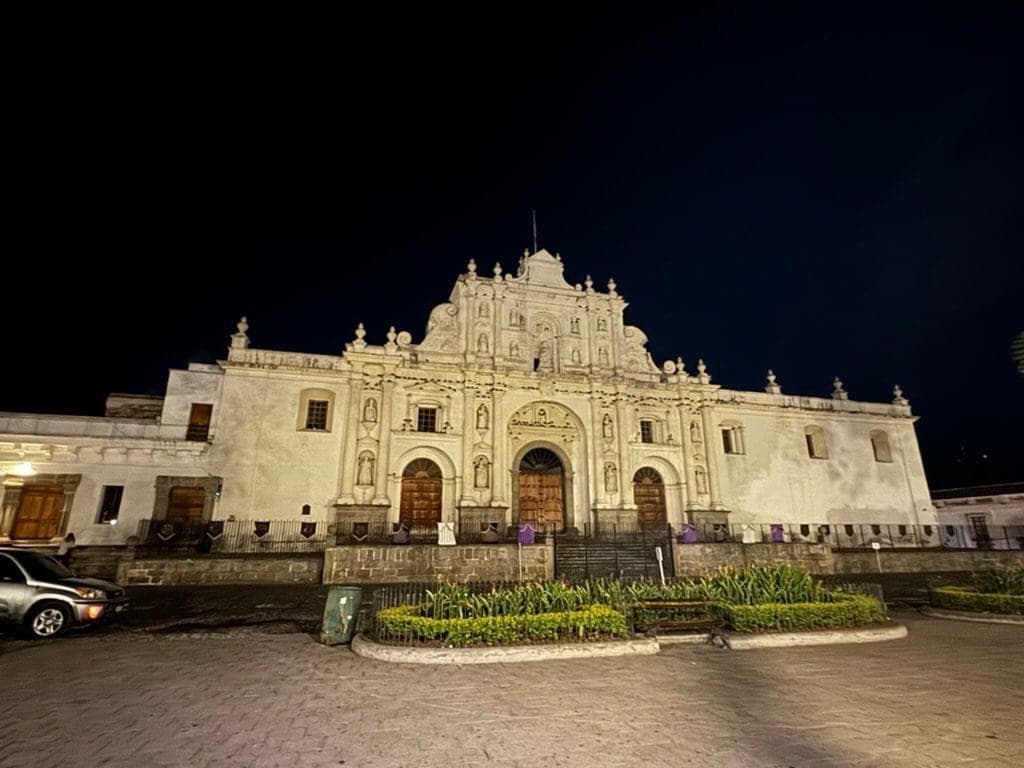
Cathedral de Santiago Antigua
