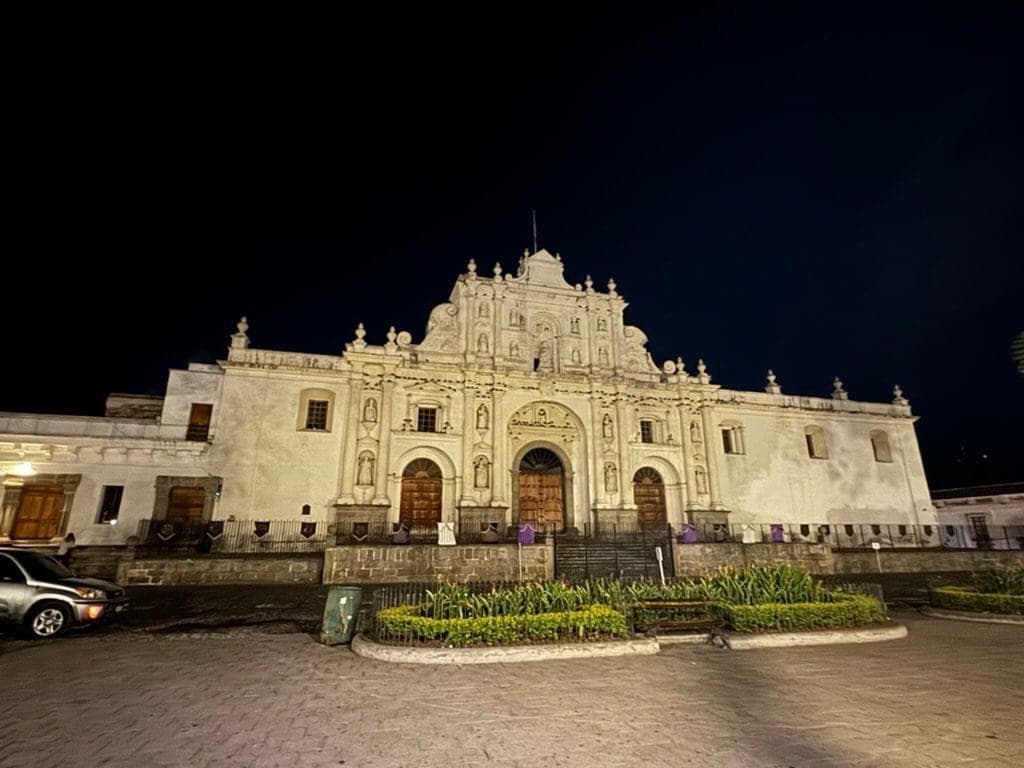
Museo Casa del Tejido Antiguo
Museo Casa del Tejido Antiguo
0 Avenida 4-16 Zona 4 San Antonio Aguas Calientes, Sacatepequez, Antigua 03015 Guatemala Posted by Brandon B.Admin
Weaving History Into Every Thread at Museo Casa del Tejido Antiguo
Tucked into the quiet streets of San Antonio Aguas Calientes, just a short drive from Antigua, the Museo Casa del Tejido Antiguo is one of the few places in Guatemala where the full story of Maya textile tradition gets told on its own terms. This is not a craft market or a tourist demonstration. It is a dedicated museum where antique weavings, looms, and dyeing tools are preserved and explained, and where the connection between Maya identity and the art of the backstrap loom becomes genuinely legible to outsiders.
San Antonio Aguas Calientes has long been known as one of the weaving villages of the Sacatepequez department. Women here have worked the backstrap loom for generations, producing the distinctive huipiles and cortes that mark community identity across the Maya highlands. The museum sits inside a traditional house on Avenida 4, and the building itself is part of the experience.
Why the Museo Casa del Tejido Antiguo Matters
Guatemala has hundreds of places where you can buy textiles. Finding a place that explains them is harder. The museum addresses something real: as synthetic threads and commercially printed fabric spread through highland markets, the older pieces, some of them more than a century old, risk disappearing without documentation or context.
The collection focuses specifically on antique textiles, which separates it from craft cooperatives or weaving workshops you'll find elsewhere in the region. Pieces here date back generations, and the museum works to catalog the visual language encoded in them, the animals, plants, and geometric forms that identify a weaver's village, her family, her status.
That specificity matters. A huipil from San Antonio does not look like one from Santiago Atitlan or Chichicastenango, and the museum helps you see why.
Quick Facts
- Located in San Antonio Aguas Calientes, Sacatepequez, roughly 20 to 25 minutes from Antigua by tuk-tuk or chicken bus
- Housed in a traditional residential structure on Avenida 4-16, Zona 4
- Focuses on antique Maya textiles and the backstrap loom tradition
- The village of San Antonio Aguas Calientes itself is considered one of Guatemala's premier weaving communities
- Smaller and more personal in scale than institutional museums in Guatemala City
- Spanish is the primary language of interpretation; some guides speak basic English
Getting There
From Antigua's central park, you have a few practical options. Chicken buses run regularly toward Ciudad Vieja and San Antonio Aguas Calientes, and the fare is minimal. The ride takes around 20 minutes depending on traffic and how many stops the bus makes along the way. Tuk-tuks from Antigua will negotiate a fare for the round trip, which is worth considering if you plan to spend time at the museum and browse the village market afterward.
If you are traveling by private shuttle or rental car, the road is straightforward. San Antonio sits just off the main road connecting Antigua to the western highlands, and the village center is easy to find. Parking near the museum is informal but generally available.
The address on Avenida 4-16, Zona 4 puts you in the residential core of San Antonio rather than the commercial market area. Ask a local or your driver to point you toward the museum specifically, as signage can be easy to miss if you are unfamiliar with the street layout.
The Layout and Experience
The museum occupies a casa that feels lived-in rather than institutional. Rooms open into one another in the way traditional Guatemalan homes are organized, around a central courtyard or corridor, with textiles displayed on walls, in cases, and on wooden forms throughout.
Exhibits trace the full arc of textile production: raw materials, natural dye plants, the mechanics of the backstrap loom, and the finished pieces themselves. Older huipiles in the collection show color saturation and threadwork that is difficult to find in contemporary production, partly because natural dyes and hand-spun threads have been largely replaced by synthetic alternatives in everyday weaving.
The backstrap loom demonstrations, when available, are genuinely instructive. Watching an experienced weaver work the loom makes the physical logic of the process clear in a way that photographs cannot. The tension, the rhythm, the incremental progress of a single row, these details give you a different kind of respect for the finished fabric hanging in cases nearby.
Plan to spend at least an hour here, more if a guide is available and you want to ask questions. The museum rewards slow attention.
Main Highlights
The antique huipil collection is the centerpiece. These garments represent communities across the Maya highlands of Guatemala, and seeing them together in one space makes the regional variation in design, color, and motif far easier to understand than encountering individual pieces in a market.
Natural dye materials on display include plants and minerals that have been used in the region for centuries. Indigo, cochineal, and various bark-based tints all appear, often alongside the finished colors they produce. If you have ever wondered why pre-synthetic highland textiles look so different from modern ones, this part of the exhibit answers the question directly.
The loom itself, especially the backstrap or telar de cintura, is given serious attention. The mechanics are explained through tools and diagrams, and the relationship between the weaver's body and the tension of the loom becomes clear. This is a technology that has not fundamentally changed in over a thousand years.
History and Background
San Antonio Aguas Calientes has been a weaving community for as long as colonial-era records document it. The village sits in the valley below the Agua volcano, and its population has maintained a distinct Maya Kaqchikel identity through language, dress, and craft tradition.
The backstrap loom predates Spanish colonization by many centuries. Archaeological evidence from across Mesoamerica confirms its use well before the 16th century, and the designs woven into highland textiles carry a visual vocabulary that researchers have connected to pre-Columbian symbolic systems. The museum engages with this history seriously, which is part of what makes it worth the trip from Antigua.
The museum itself was established to preserve pieces that might otherwise be sold off, worn out, or lost to the broader shift toward synthetic production. Antique textiles are fragile, and the climate of the Guatemalan highlands, though relatively temperate, still presents conservation challenges. The collection represents decades of local effort to keep these objects accessible.
Best Time to Visit
San Antonio Aguas Calientes is most lively on market days, and combining a museum visit with a walk through the village market gives you a more complete picture of how weaving culture functions as a living economy, not just a heritage artifact. Check locally for current market days, as these can shift.
The dry season, roughly November through April, makes the trip from Antigua easier and more pleasant. During rainy season, afternoons tend to bring heavy downpours, so morning visits are smarter. The museum itself is indoors, so weather matters more for the journey than for the visit.
Weekday mornings tend to be quieter. If you want time with a guide without competing for attention, Tuesday or Wednesday before noon is a reasonable bet.
Combining with Nearby Attractions
San Antonio Aguas Calientes is worth more than a single stop. The village market, where local weavers sell directly, lets you apply what you have just learned in the museum. You will notice things you would have walked past before: the specific brocade patterns of a San Antonio huipil versus a piece brought in from elsewhere, the difference between hand-spun and commercial thread, the way a corte is folded and worn.
Ciudad Vieja, a neighboring town with its own colonial history, is only a few minutes away. And Antigua itself, with the Convento de las Capuchinas and the Museo del Jade, makes for a full cultural day if you sequence the stops well. Most visitors pair the museum with a morning in San Antonio and an afternoon back in Antigua.
Practical Tips
- Confirm opening hours before you go, as smaller museums in Guatemala sometimes keep irregular schedules or close for local holidays
- Bring small denomination quetzales for the entry fee and any purchases in the village
- Photography policies vary; ask at the entrance before shooting inside
- If you are seriously interested in textiles, ask whether a guide is available for your visit, the difference between a self-guided and a guided experience here is significant
- Wear comfortable shoes; the village streets are cobbled and uneven
- Spanish basic phrases go a long way in San Antonio, where English is less commonly spoken than in central Antigua
- The museum is small and intimate, not suited to large group tours that prefer to move quickly
FAQ
Do I need to speak Spanish to visit?
Not strictly, but it helps. Some staff or guides speak basic English, but the interpretive materials are primarily in Spanish. A few key vocabulary words around weaving and Maya textile tradition will make the visit considerably richer.
Is the museum appropriate for children?
Yes, particularly for children who are old enough to engage with hands-on demonstrations. Watching a loom in action tends to hold attention in a way that static displays sometimes don't. Younger children do fine as long as the group moves at a relaxed pace.
Can I buy textiles at the museum?
The museum focuses on preservation and education rather than retail. The village market and the cooperative shops in San Antonio Aguas Calientes are the places to buy, and visiting the museum first means you will shop with considerably more knowledge than you arrived with.
How does this compare to the textile museums in Antigua itself?
Antigua has its own textile exhibits, but the Museo Casa del Tejido Antiguo benefits from being located within a living weaving community. The context is different in a way that matters. You are not looking at textiles removed from their source; you are ten minutes from the looms where comparable pieces are still being made.
Reviews
Sign in and mark this place visited to leave a review.
No reviews yet.
Free Trip Planner
Plan your Antigua trip with our free planner
Build a day-by-day itinerary with AI suggestions, hand-picked places, and friends. Free forever — no credit card.
Related reading

Things to see near Museo Casa del Tejido Antiguo


Places to eat or drink near Museo Casa del Tejido Antiguo

Mesón Panza Verde

Por Qué No? Cafe

Mellow coffee