Westminster Abbey
20 Dean's Yard, Westminster, London, SW1P 3PA, United Kingdom Posted by Brandon B.Admin
Overview
Westminster Abbey stands at the center of British history and royal ceremony. This Gothic church on Dean's Yard in Westminster has hosted coronations, royal weddings, and state funerals since the 11th century. Walking through its doors puts you in a space where monarchs have been crowned, where poets are buried, and where the nation gathers for its most significant moments. The Abbey is not simply a museum of the past, though it contains centuries of it. It remains a working church, a place of worship, and an active part of London's religious and civic life.
Why this place matters
Westminster Abbey is where England's story is written in stone and stained glass. Every coronation since William the Conqueror has taken place here. The Abbey contains the tombs and memorials of monarchs, poets, scientists, and military figures who shaped Britain and the world. Charles Darwin, Isaac Newton, Jane Austen, Charles Dickens, and countless others are remembered within its walls. The craftsmanship of the building itself is extraordinary, with intricate carvings, soaring stone vaults, and windows that span centuries of artistic achievement.
The Abbey witnessed the marriage of Prince William and Catherine Middleton in 2011, and the state funeral of Queen Elizabeth II in 2022. These moments connect the distant past to the present in ways that few buildings can achieve. Standing in the same space where these events unfolded creates a tangible sense of connection to history.
Quick facts
- Founded in the 10th century, rebuilt in its current form starting in 1245
- Contains over 3,300 burials and memorials
- The main church building is open to visitors daily during visiting hours
- Entry requires a paid ticket; children under 11 enter free
- Photography is not permitted inside the church
- The Abbey is located on Dean's Yard, a five-minute walk from St James's Park tube station
Getting there
Westminster Abbey is in central London, easily reached by underground. St James's Park station on the Circle, District, and Jubilee lines is the closest, a five-minute walk south from the Abbey entrance. Alternatively, Westminster station on multiple lines puts you about ten minutes away on foot, heading north through the streets around Parliament Square. If you arrive by bus, routes 3, 11, 12, 24, 29, 53, 77A, 87, and 88 stop near the Abbey.
The Abbey entrance is at the west end of the building, on Dean's Yard. Street parking in Westminster is restricted and expensive, so public transport is the sensible choice. If you do drive, look for parking on side streets or use a paid car park in the area.
The layout and experience
The Abbey's interior is vast and can feel overwhelming at first. You enter through the west end, immediately beneath the great west window. The nave stretches ahead of you, lined with tombs and memorials. To the left (north) and right (south) are the side aisles, each with their own treasures. The transepts cross perpendicular to the nave, and the choir is in the eastern section. Beyond that lies the Henry VII Chapel, one of the most ornate parts of the building.
The floor itself is a map of history. Countless memorial stones mark the graves of the famous and forgotten. You will walk over these stones as you move through the church, which can feel strange and moving simultaneously. The walls are covered with plaques, sculptures, and monuments dating from the medieval period to recent decades.
Audio guides are available and highly recommended. They help you navigate the Abbey's sections and explain what you are looking at without requiring constant reading of plaques. The Abbey staff are also knowledgeable and willing to answer questions if you ask directly.
Main highlights
The Henry VII Chapel is perhaps the most visually stunning part of the Abbey. Built in the early 1500s, it features an elaborate fan-vaulted ceiling, intricate stone carvings, and stained glass windows. The chapel is dedicated to Henry VII and his wife, and their tomb sits at its center. The craftsmanship here is exceptional, with every surface detailed.
The Coronation Chair, housed in its own space, is one of the Abbey's most historically significant objects. Monarchs have sat in this chair during coronation ceremonies for over 650 years. The wooden chair is simple compared to what you might expect, yet its role in British history is enormous.
Poets' Corner, in the south transept, contains memorials to writers including Geoffrey Chaucer, William Shakespeare, Jane Austen, and Dylan Thomas. Some are buried there, while others are commemorated with plaques. This corner has become a pilgrimage site for literature lovers.
The cloisters, which surround an open courtyard, offer a quieter experience. The vaulted stone corridors are lined with memorials and provide a sense of calm away from the main church. The cloisters connect the Abbey to surrounding buildings and spaces that were once part of the monastery.
History and background
Westminster Abbey was founded as a Benedictine monastery in the 10th century. King Edward the Confessor rebuilt it in the 11th century, establishing it as a royal church. The current Gothic structure began in 1245 under Henry III, and construction continued for centuries. Different monarchs and periods added their own architectural elements, which is why the building shows multiple styles across its length.
During the Reformation, the Abbey narrowly avoided destruction. While many English monasteries were dissolved, the Abbey's royal connections and significance to the coronation ceremony protected it. The cloisters and surrounding monastic buildings were damaged or removed, but the church itself survived largely intact.
By the 17th and 18th centuries, Westminster Abbey had become a national pantheon. Burial here was a mark of national importance, and the Abbey accumulated monuments and memorials at a rapid pace. Some of these monuments are extraordinary works of sculpture. Others are simple plaques. Together, they create a portrait of British achievement across many fields.
Tickets and entry
Admission to Westminster Abbey requires a paid ticket purchased at the door or online in advance. Online booking is often cheaper and allows you to skip queues. Children under 11 are free. A family ticket covering two adults and up to three children is available at a reduced rate compared to individual tickets.
The Abbey is closed on Sundays to visitors, as the church prioritizes worship and services. Opening hours on other days vary seasonally, typically running from mid-morning to late afternoon. During major events or state ceremonies, the Abbey may close without notice. It is worth checking the Abbey's official website before you visit to confirm opening hours and any closures.
Audio guides are included with admission and provide commentary in multiple languages. Guided tours led by Abbey staff can be booked separately and offer deeper context and access to areas not always open to general visitors.
Best time to visit
Weekday mornings, especially Tuesday through Thursday, tend to have fewer visitors than weekends and school holidays. If you arrive shortly after opening, you will have more space to move through the Abbey and better views of the main monuments. Summer months draw larger crowds, while late autumn and winter are quieter, though the Abbey is colder and darker during these seasons.
The Abbey is most crowded around Easter and Christmas, when religious services attract additional visitors. During these periods, general admission may be restricted. Avoid peak hours between 11 a.m. and 3 p.m. if you prefer a more contemplative experience.
If you want to attend a service, the Abbey welcomes worshippers. Services vary in length and type, from short midweek prayers to full choral evensong. Attending a service is free, and it allows you to experience the Abbey in its primary function as a church rather than as a museum.
Photography tips
Photography is not permitted inside the Abbey itself, so plan to capture images of the exterior and the surrounding area. The west front of the Abbey, visible from Dean's Yard and Parliament Square, is the most iconic view. Early morning light illuminates the Gothic details beautifully. The south side of the building, visible from the small streets around it, offers different angles and perspectives.
The cloisters, while also subject to the no-photography rule, are worth visiting for their architectural beauty even if you cannot photograph them. The surrounding streets and Parliament Square provide excellent vantage points for exterior shots, particularly from across the street or from nearby gardens.
Facilities and preparation
The Abbey has a small gift shop near the exit, selling books, postcards, and Abbey-related items. A cafe serves light refreshments, though it is small and can become busy during peak hours. Restrooms are available to visitors. The Abbey is not particularly wheelchair accessible due to its age and layout, though staff can advise on what areas are reachable.
Wear comfortable walking shoes, as you will be on your feet for several hours exploring the Abbey. The stone floors are hard and can be slippery if wet. The interior can be cool, so a light jacket or sweater is sensible even in warmer months. The Abbey can be crowded, so avoid bringing large bags or backpacks that might bump into others or impede your movement.
Combining with nearby attractions
Westminster Abbey is part of a cluster of major London sites. The Palace of Westminster and Big Ben are directly across the street, visible from Dean's Yard. St Margaret's Church, the parish church of the House of Commons, sits immediately beside the Abbey and is worth a brief visit. Both are free to enter during visiting hours.
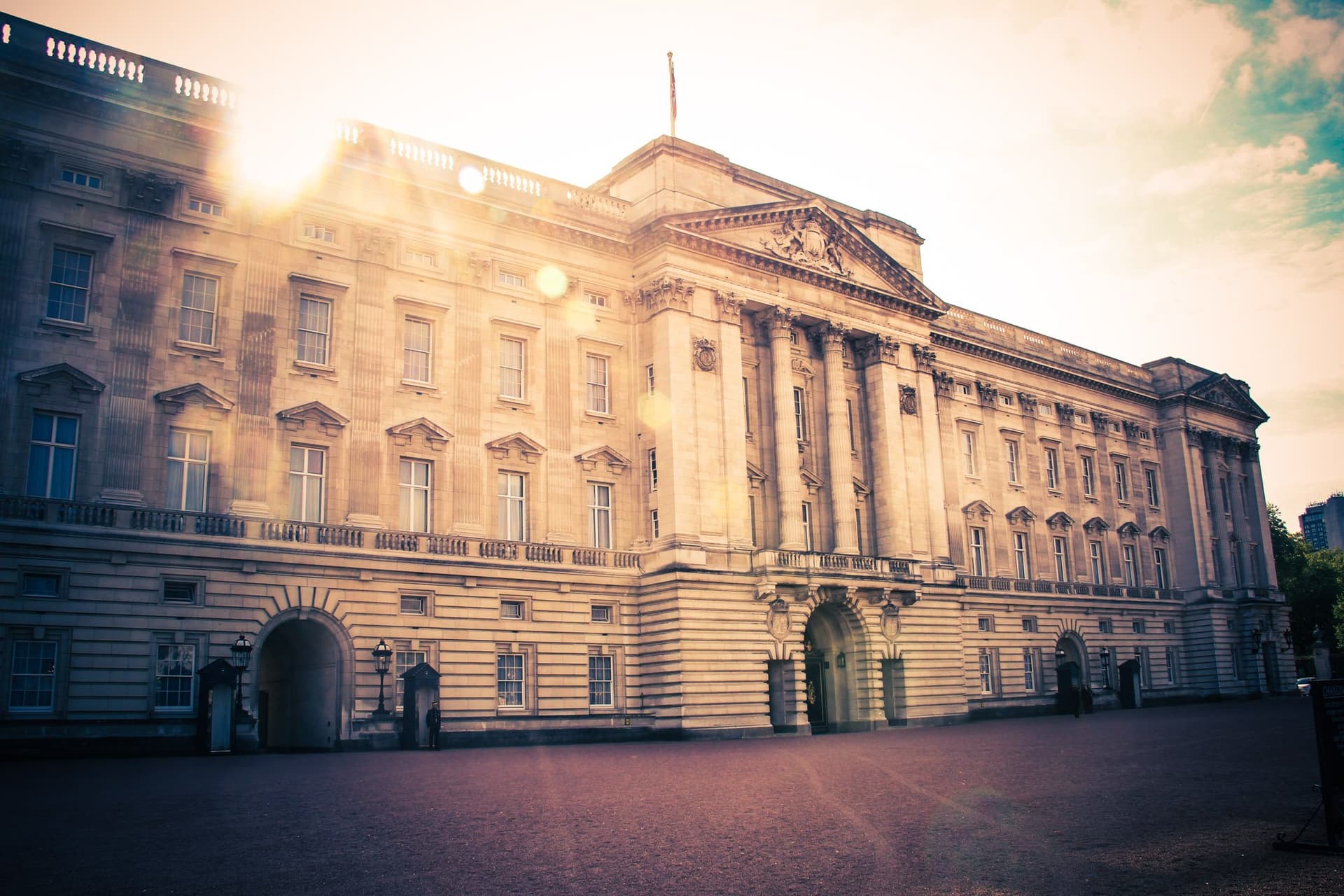
St James's Park lies to the south, a large green space where you can rest and enjoy views of Buckingham Palace in the distance. The Tate Britain art museum is a ten-minute walk south along the river. The British Museum is about 20 minutes north on foot or a short tube journey. Parliament Square itself, surrounding the Abbey, is historically significant and worth a walk to observe the monuments and buildings that define British government.
Sample visit plan
Plan to spend two to three hours inside the Abbey if you want to see the main highlights without rushing. Arrive shortly after opening to avoid crowds. Begin at the west end and work your way east, allowing the audio guide to direct you. Spend extra time in the Henry VII Chapel and Poets' Corner, as these are the most visually distinctive areas.
After leaving the Abbey, walk around the exterior to see the full architecture from different angles. Take a short walk through St James's Park or sit on one of the benches in Parliament Square. If you have time, visit St Margaret's Church next door. End the afternoon at a cafe or pub in the Westminster area before moving on to another London attraction.
Practical tips
- Buy tickets online in advance to save money and avoid queues
- Visit on a weekday morning for a less crowded experience
- Use the audio guide, as it explains the significance of what you are seeing
- Wear comfortable shoes and a light jacket
- Allow at least two hours, preferably three, for a meaningful visit
- Remember that photography is not permitted inside the church
- Check the Abbey's website before visiting, as hours change seasonally and closures can occur
- The Abbey is closed on Sundays to visitors
FAQ
Can I attend a service at Westminster Abbey? Yes. The Abbey welcomes worshippers to services, which are held regularly. Services are free to attend, and schedules vary throughout the week and by season. Check the Abbey's website for the current service schedule.
How long should I spend at Westminster Abbey? Two to three hours allows you to see the main areas without rushing. If you want to study the monuments and read all the plaques, plan for four hours or more.
Is Westminster Abbey suitable for children? Children find the Abbey's size and history impressive, though they may tire from walking around. Children under 11 enter free. Younger children may become restless, so consider visiting during quieter times of day.
Why is photography not allowed inside? The Abbey restricts photography to protect the building and preserve the solemn atmosphere. Flash photography in particular can damage centuries-old paint and materials.
What is the difference between Westminster Abbey and Westminster Cathedral? Westminster Abbey is the Gothic church where coronations occur, dating to the 11th century. Westminster Cathedral is a separate Roman Catholic cathedral built in the late 1800s, located a short distance away. They are distinct buildings with different histories and denominations.
Reviews
Sign in and mark this place visited to leave a review.
No reviews yet.
Free Trip Planner
Plan your England trip with our free planner
Build a day-by-day itinerary with AI suggestions, hand-picked places, and friends. Free forever — no credit card.
Related reading

Things to see near Westminster Abbey

Fulham Palace

Treetop Walkway Richmond
Stand On The Prime Meridian