Zenobia Wreck Diving Site
WM94+8QG, Larnaca, CyprusOverview
The Zenobia Wreck Diving Site lies off the coast of Larnaca in Cyprus, roughly 40 kilometers south of the city. This Swedish-built cargo ship sank in 1980 and now rests on the seabed at a depth of around 42 meters, making it one of Europe's most accessible deep-water wrecks for experienced divers. The ship remains largely intact, with its cargo holds, bridge, and engine room preserved in remarkably good condition after more than four decades underwater. For diving enthusiasts, the Zenobia presents a rare opportunity to explore a modern vessel frozen in time, surrounded by marine life that has colonized the structure.
Why this place matters
The Zenobia Wreck represents a crucial moment in diving history. When the ship went down, it became an almost immediate destination for technical divers seeking a challenge. The wreck's accessibility to deep-water diving, combined with its size and intact condition, transformed it into a training ground for advanced diving techniques. Over the decades, it has drawn thousands of divers from around the world and has contributed significantly to Cyprus's reputation as a premier diving destination.
Beyond sport diving, the wreck holds maritime and environmental importance. The ship's preservation underwater has allowed marine ecosystems to establish themselves on and around the vessel, creating an artificial reef that supports fish populations and other sea life. Local dive operators have documented the gradual colonization of the wreck by various species, turning it into an informal laboratory for understanding how human-made structures integrate into marine environments.
Quick facts
- Depth: approximately 42 meters
- Ship length: 183 meters
- Year sank: 1980
- Distance from Larnaca: roughly 40 kilometers south
- Suitable for: advanced and technical divers only
- Access: only by boat through licensed dive operators
- Visibility: typically 20 to 40 meters depending on conditions
Getting there
You cannot reach the Zenobia Wreck independently. All dives are conducted through licensed dive operators based in Larnaca. The journey from Larnaca's harbor takes between 45 minutes and an hour by boat, depending on sea conditions and which operator you choose. Several established dive shops in Larnaca offer trips to the wreck, and they handle all logistics including boat transport, equipment rental, and dive leadership.
If you're arriving in Cyprus by air, Larnaca International Airport is the closest major airport to the wreck site. From the airport, it's roughly a 20-minute drive to Larnaca's waterfront where dive operators are based. Most operators will coordinate pickup from your accommodation or the airport if you book in advance.
The layout and experience
The Zenobia sits upright on the seabed, which means the wreck's geography is relatively straightforward to navigate once you're underwater. The vessel's superstructure remains recognizable: the bridge sits at the top, cargo holds run along the length of the hull, and the engine room occupies the stern section. The main deck is accessible to advanced divers, though penetration into interior spaces is only for those with technical diving certification and appropriate training.
Your dive will begin with a descent along a mooring line deployed by your dive operator. The descent itself takes several minutes, giving your body time to adjust to increasing pressure. Once you reach the wreck, your dive leader will typically guide you along the exterior, pointing out structural features, marine life, and safe reference points. The ship's size means you can spend an entire dive exploring different sections without covering the entire wreck.
The marine environment surrounding the wreck is as much part of the experience as the structure itself. Grouper, barracuda, and numerous other fish species inhabit the area. Octopus are occasionally spotted in crevices. The contrast between the artificial geometry of the ship and the living reef that's grown around it creates a unique underwater landscape.
Main highlights
The bridge of the Zenobia offers one of the most striking visual experiences on the wreck. Its windows, railings, and control panels remain largely intact, giving you a sense of the ship's former functionality. This section typically sits at a depth accessible to advanced recreational divers.
The cargo holds are the wreck's most distinctive feature. These massive empty spaces, lined with the ship's structural ribs, create cathedral-like chambers underwater. The scale and geometry are genuinely impressive, and many divers cite the cargo holds as the highlight of their dive.
The engine room at the stern contains heavy machinery still in place. Propeller shafts, turbines, and other industrial equipment provide texture and visual interest, though this section requires technical diving skills and training to explore safely.
Marine life colonizing the wreck includes grouper that have become habituated to divers and often approach without fear. The railings and exterior surfaces are covered in coral growth and algae, creating a living patina over the ship's original steel.
History and background
The Zenobia was a Swedish-built refrigerated cargo ship, a ro-ro (roll-on, roll-off) vessel designed to transport trucks and cargo. On its maiden voyage in 1980, the ship encountered problems while transiting the eastern Mediterranean. On June 7, 1980, the Zenobia sank in the waters south of Larnaca. The exact cause of the sinking has been debated, with some accounts pointing to mechanical failure and others to structural issues, but the ship went down relatively quickly.
The wreck's discovery and accessibility made it an almost immediate focus for the diving community. Unlike many shipwrecks that are either too shallow and degraded or too deep and dangerous to visit regularly, the Zenobia occupied a unique position. Its depth was challenging enough to require serious diving skill but achievable with proper training and equipment. This combination transformed it into one of the most famous wreck dives in the world.
Over the following decades, the wreck has been explored extensively by technical divers, underwater photographers, and marine researchers. The ship's preservation underwater has been remarkably good, allowing the structure to remain recognizable and navigable. This longevity has made the Zenobia an educational tool for understanding both maritime history and marine ecology.
Tickets and entry
There is no direct entry fee to dive the Zenobia Wreck itself. However, you must book and pay a dive operator to conduct the dive. Operators charge for the guided dive experience, which includes boat transport, dive leadership, and typically equipment rental if needed. Prices vary depending on whether you bring your own gear or rent from the operator, and whether you're booking a single dive or a multi-dive package.
Most operators require proof of advanced diving certification at minimum, often Advanced Open Water or equivalent. Some sections of the wreck require technical diving certification. You'll also need to provide evidence of recent dive experience (log book) before an operator will take you to the wreck. This isn't bureaucracy; it's a safety requirement based on the depth and conditions involved.
Best time to visit
Summer months, roughly May through September, offer the best conditions for diving the Zenobia. Water temperature is warmer, visibility tends to be clearer, and sea conditions are generally calmer. July and August bring the most consistent weather, though they also attract the most divers, so you may find boat traffic heavier during these weeks.
Winter diving is possible but requires more planning. Water temperature drops, visibility can be reduced, and sea conditions are less predictable. October and April mark transitional months when conditions can vary significantly day to day. If you're visiting outside the main season, check with your dive operator about current conditions before committing.
Avoid diving the Zenobia if you're not comfortable with deep diving or if your recent experience is limited. This isn't a site to learn advanced skills on. Come when you're confident in your abilities and have logged several deep dives in the months before your trip.
Photography tips
The Zenobia's intact structure and size make it a compelling subject for underwater photography, but success requires proper technique and equipment. The depth means lower natural light, so a powerful dive light is essential. Wide-angle lenses work best for capturing the scale of the wreck, while macro lenses can document the marine life growing on its surfaces.
The cargo holds offer the most dramatic photographic opportunities, with their cavernous spaces and dramatic lighting. If you're bringing a camera, practice using it in shallower water before attempting the Zenobia. Depth, darkness, and the technical demands of deep diving mean less room for fumbling with settings underwater.
Many divers hire professional underwater photographers or videographers to document their dives. If this interests you, discuss it with your dive operator when booking. Some operators have relationships with photographers who specialize in the Zenobia and can provide images from your dive.
Facilities and preparation
Dive operators in Larnaca provide basic facilities including equipment rental, air fills, and changing areas. Most have small shops where you can purchase or rent gear if you haven't brought your own. Larnaca itself has restaurants, accommodation, and shops where you can prepare for your dive trip.
Before diving, you'll want to ensure your equipment is in good condition and that you're physically and mentally prepared for deep diving. Many operators recommend a day of rest before attempting the Zenobia, especially if you've flown in recently. Diving while jet-lagged or fatigued increases risk.
Bring a wetsuit appropriate for the water temperature at the time of your visit. Even in summer, water temperature at depth is cooler than at the surface. Most operators can provide wetsuits if needed, but bringing your own ensures proper fit and comfort.
Combining with nearby attractions
Larnaca itself offers several diving sites suitable for recreational divers, including the Larnaca Reef and various shallower wrecks. If you're spending multiple days in the area, you might combine a dive on the Zenobia with easier dives on other sites to maximize your time in the water.
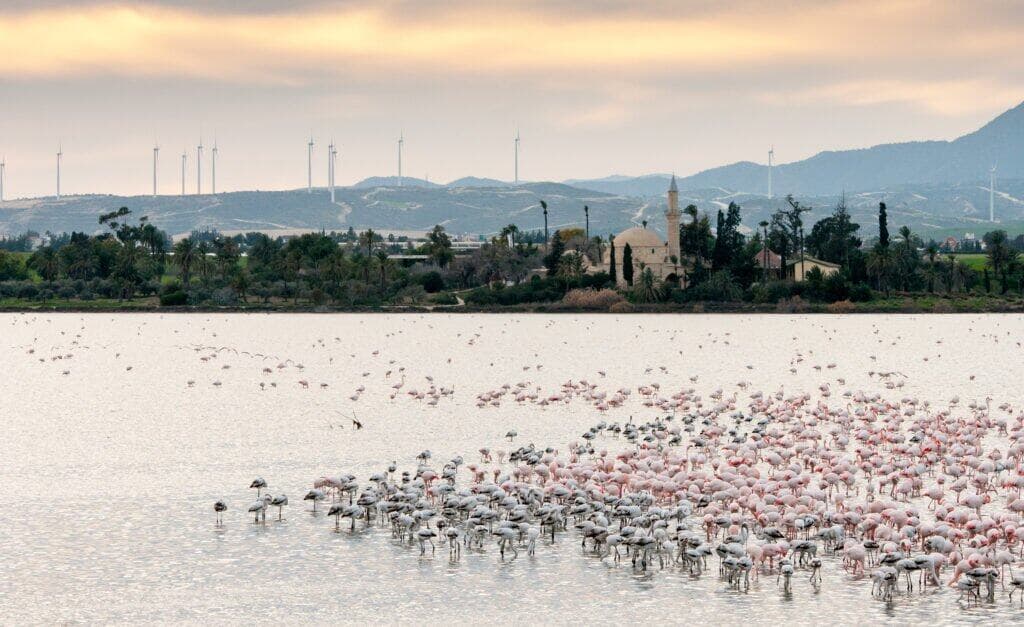
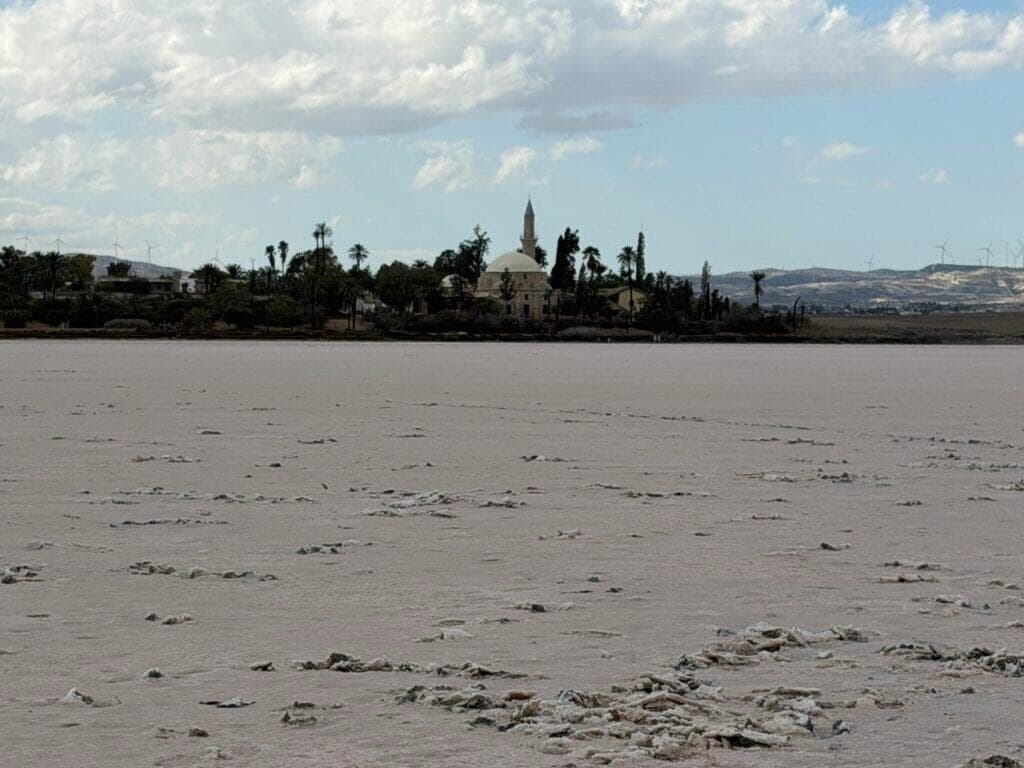
Above water, Larnaca has a waterfront promenade with restaurants and cafes, a medieval fort, and several museums documenting the region's history. The nearby Salt Lake attracts birdwatchers, especially in winter. If you have non-diving companions, these options provide activities while you're underwater.
Sample visit plan
If you're planning a trip centered on diving the Zenobia, consider this outline. Arrive in Larnaca and spend your first day acclimating, visiting your chosen dive operator, and reviewing your skills. On day two, do a shallower warm-up dive on a different site to ensure your equipment and body are functioning well. On day three, attempt the Zenobia Wreck dive. Depending on conditions and your comfort level, you might do a second Zenobia dive on day four or explore other sites. Spend your remaining time recovering, exploring Larnaca, or doing lighter recreational dives.
Practical tips
- Book your dive operator at least a week in advance, especially in summer months
- Bring your dive certification card and log book showing recent deep dives
- Stay hydrated before your dive and avoid alcohol the night before
- Check weather and sea conditions the day before your scheduled dive
- Wear a wetsuit appropriate for the water temperature, even in summer
- Descend slowly and equalize your ears frequently to avoid barotrauma
- Stay close to your dive leader and follow their instructions regarding depth and time
- Consider a guided dive rather than a solo exploration on your first visit
FAQ
Is the Zenobia Wreck safe to dive? The wreck itself is reasonably safe for divers with appropriate training and experience. The ship is stable, and the structure hasn't collapsed significantly. The danger lies in the depth and the technical demands of deep diving. Proper training, good equipment, and experienced dive leadership minimize risk substantially.
What certification do I need? Most operators require Advanced Open Water certification at minimum. If you want to penetrate interior spaces, technical diving certification is necessary. Confirm specific requirements with your chosen operator when booking.
How long is a typical dive on the Zenobia? Dive time is usually 30 to 40 minutes, depending on your certification level and the operator's protocols. Total time in the water, including descent and ascent, typically ranges from 50 to 70 minutes.
Can I dive the Zenobia if I'm not a very experienced diver? If you only have basic certification, no. The depth and conditions require demonstrable skill and recent experience. Use your time in Cyprus to dive shallower sites and build experience before attempting the Zenobia.
What is the water temperature? In summer months, surface water temperature reaches the low to mid 20s Celsius. At the depth of the wreck, it's noticeably cooler. In winter, water temperature drops further, typically to the high teens Celsius. A good wetsuit is essential year-round.
Reviews
Sign in and mark this place visited to leave a review.
No reviews yet.
Free Trip Planner
Plan your Larnaca trip with our free planner
Build a day-by-day itinerary with AI suggestions, hand-picked places, and friends. Free forever — no credit card.