Hala Sultan Tekke
VJP6+627, Tekke Road, Larnaka 6029, CyprusOverview
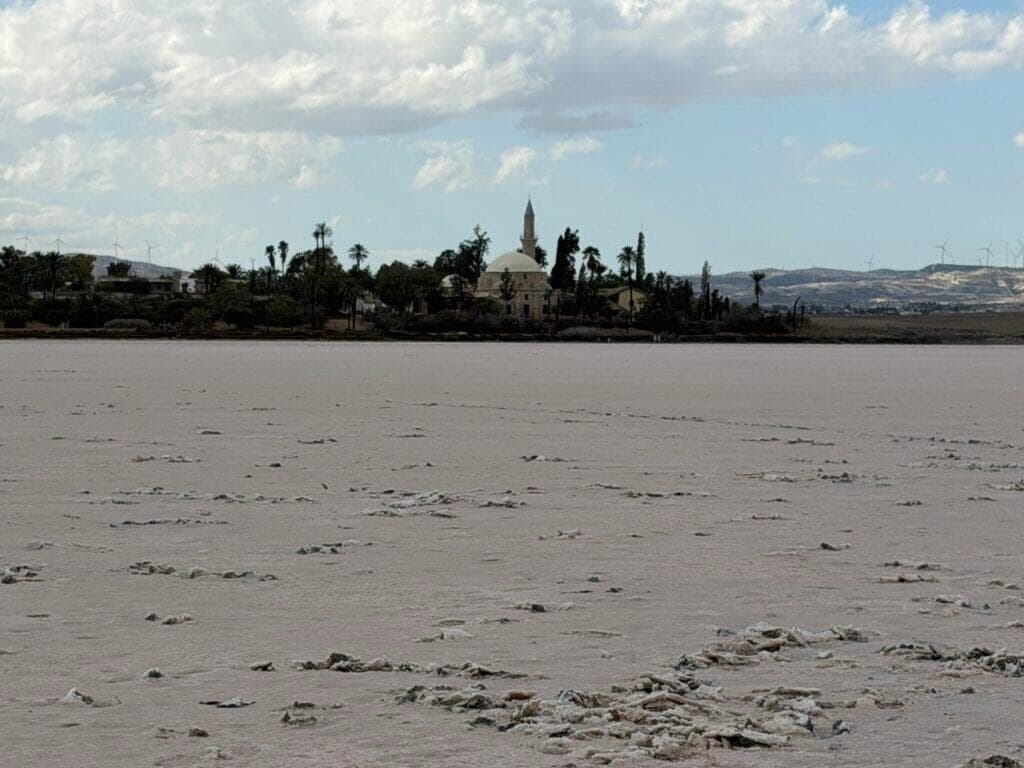
Hala Sultan Tekke stands on the western shore of Larnaka Salt Lake, one of the most spiritually significant Islamic sites in the Eastern Mediterranean. The tekke, a Muslim shrine and monastery, marks the burial place of Umm Haram, an aunt of the Prophet Muhammad, and draws pilgrims and curious travelers from across Europe, the Middle East, and beyond. Built in the 18th century over an earlier structure, the compound sits in an unlikely landscape where salt marshes meet architectural heritage, creating a meditative setting that feels removed from the bustle of modern Larnaka despite being only a short drive from the city center.
The site occupies a peninsula jutting into the salt lake, surrounded by shallow water that shifts color with the seasons. This isolation has preserved the spiritual atmosphere for centuries, even as tourism and urban development have transformed the surrounding region. Whether you arrive as a pilgrim seeking spiritual connection or as a visitor interested in Islamic architecture and Mediterranean history, Hala Sultan Tekke offers a quieter alternative to Larnaka's crowded beaches and commercialized attractions.
Why this place matters
Umm Haram, the woman commemorated here, holds profound importance in Islamic tradition. According to historical accounts, she accompanied early Islamic military expeditions and died on this island during a 7th-century raid, making her tomb a sacred destination for Muslims across the region. The shrine's spiritual significance has drawn worshippers for over 1,400 years, and it remains one of the few major Islamic pilgrimage sites in the Mediterranean world.
The tekke also represents a unique layer of Cyprus's layered religious history. The island has been shaped by Orthodox Christianity, Catholicism, and Islam across different periods. This shrine is a tangible reminder of the Ottoman era and the Muslim communities that shaped Cyprus's cultural fabric. Its presence in a predominantly Christian country makes it architecturally and culturally distinctive.
Quick facts
- Located on a peninsula in Larnaka Salt Lake, approximately 10 kilometers southwest of Larnaka city center
- Main mosque and shrine date to the 18th century, though the site has been a pilgrimage destination since the 7th century
- Open to visitors year-round, though entry etiquette applies (see practical tips)
- No entrance fee
- Accessible by car or organized tour from Larnaka
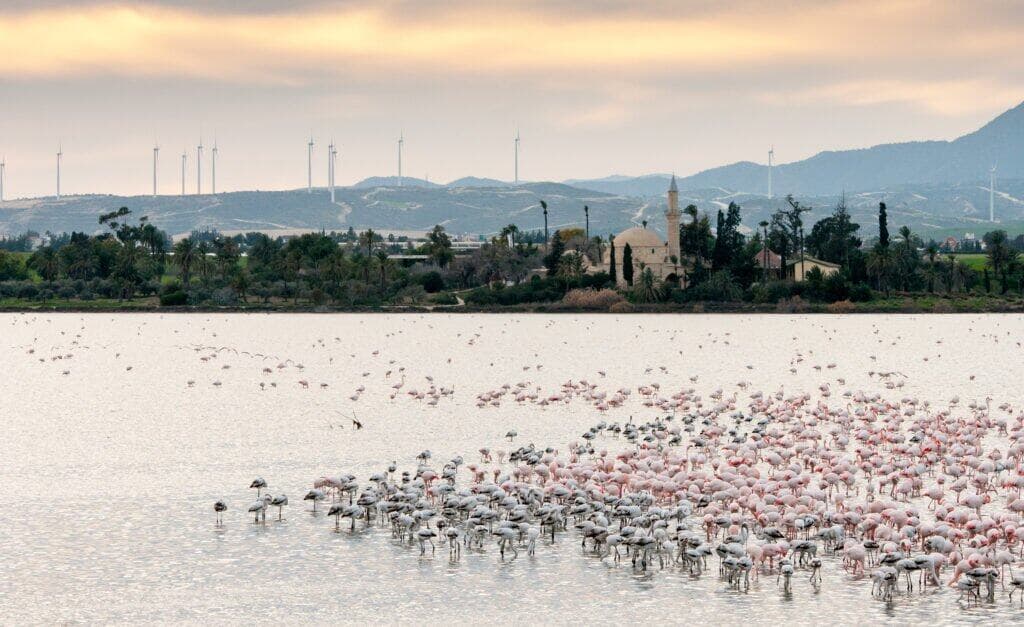
- The salt lake surrounding the site attracts flamingos and other migratory birds, especially in winter months
Getting there
The tekke lies southwest of Larnaka, reachable by following Tekke Road from the city. If you're renting a car, the drive takes about 15 to 20 minutes from Larnaka's main commercial district, depending on traffic. The route passes through the outskirts of the city before opening onto the causeway that leads toward the salt lake. Parking is available at the site entrance, and the walk to the main buildings is short and flat.
Public transportation to the tekke is limited. Shared taxis (known locally as service taxis) run from central Larnaka but may not stop directly at the shrine. If relying on public transport, confirm routes and schedules with your accommodation or the Larnaka tourism office, as services change seasonally. Many visitors combine a visit to the tekke with a tour operator that includes other Larnaka attractions like the Church of Saint Lazarus or the salt lake boardwalk.
The final approach to the tekke crosses the causeway, offering views across the shallow, mineral-rich water. In certain seasons, especially winter, you may spot pink flamingos feeding in the lake. The landscape here feels desert-like despite the water, with salt-tolerant vegetation and a stark, almost otherworldly quality.
The layout and experience
The tekke compound is relatively compact, centered around a whitewashed mosque with a distinctive minaret. The main prayer hall occupies the central structure, with an adjoining courtyard and a burial chamber beneath. Visitors enter through a modest gateway that opens onto the courtyard, where you'll find ablution fountains and shaded areas. The atmosphere is contemplative, with the sound of water and wind across the lake creating a meditative backdrop.
The interior of the prayer hall is simple and unadorned by the standards of grand Ottoman mosques, but this restraint adds to its spiritual power. Geometric tilework, calligraphy, and arches create visual rhythm without ornamentation. The shrine room, where Umm Haram is buried, is accessed from within the prayer hall and is the focal point of pilgrimage activity. Candles, flowers, and written prayers left by visitors accumulate here, reflecting the site's living spiritual role.
The courtyard provides respite and a sense of enclosure. Arcaded walkways offer shade, and the view across the lake toward the Troodos Mountains in the distance provides a peaceful focal point. The entire visit, if you walk slowly and spend time in quiet reflection, takes 30 to 45 minutes. Many visitors spend longer, sitting in the courtyard or on the lake shore.
Main highlights
The shrine chamber itself is the primary draw. Entering this sacred space, you'll encounter the cenotaph of Umm Haram, covered in green cloth and surrounded by the devotional offerings of countless pilgrims. The intimacy of this room, its cool stone walls, and the weight of centuries of worship create an almost palpable sense of spiritual significance, even for secular visitors.
The minaret, visible from considerable distance across the salt lake, serves as an architectural landmark. Its clean lines and whitewashed exterior are characteristic of later Ottoman religious architecture. The call to prayer, heard across the water, adds an auditory dimension to the site's spiritual atmosphere.
The salt lake itself, visible from every vantage point at the tekke, is a highlight in its own right. Depending on the season and water levels, the lake appears in shades of turquoise, pink, or pale blue. It's a working salt production facility, and the evaporation ponds create a visual pattern that's striking from above. In winter, the lake becomes a crucial habitat for migratory birds, particularly flamingos, making it a destination for birdwatchers as well as pilgrims.
History and background
The historical record places Umm Haram, known as Umm Haram bint Milhan, as a companion of the Prophet Muhammad and sister of Anas ibn Malik, a prominent early Islamic figure. She is believed to have died during an early Islamic military campaign to Cyprus in the 7th century, specifically during a raid led by Muawiyah ibn Abi Sufyan. Her death on the island transformed the location into a pilgrimage site, attracting Muslim visitors across subsequent centuries.
The current tekke structure dates primarily to the 18th century, built during the later Ottoman period when Cyprus was under Ottoman administration. This wasn't the first structure on the site, however. Earlier shrines and burial markers likely existed, gradually replaced and rebuilt as the pilgrimage tradition persisted and resources allowed. Ottoman architectural style dominates the current buildings, reflecting the period of their construction and the broader cultural context of the Eastern Mediterranean at that time.
The tekke functioned as both a shrine and a monastery, housing Muslim clergy and providing accommodation for pilgrims. The word "tekke" itself refers to a lodge or meeting house for Sufi orders, though Hala Sultan Tekke has been primarily a pilgrimage shrine. During the British colonial period and into the modern era, the site has continued to serve Muslim worshippers and has increasingly attracted secular visitors interested in history and architecture.
Tickets and entry
There is no entrance fee to visit Hala Sultan Tekke. The site remains open to visitors throughout the year, though hours may vary depending on prayer times and religious observances. It's advisable to check locally or with your accommodation regarding any special closures, particularly during significant Islamic holidays. The shrine is active, meaning worshippers visit regularly, and visitors are welcome provided they follow basic etiquette guidelines (see practical tips below).
Best time to visit
The mild climate of Larnaka means Hala Sultan Tekke is accessible year-round, but certain seasons offer distinct advantages. Late autumn through early spring brings cooler temperatures and the spectacle of flamingos on the salt lake, particularly December through February. The light at these times is softer, and the landscape has a quieter quality. Summer visits are possible but can be intensely hot, with temperatures regularly exceeding 30 degrees Celsius. The sun reflecting off the salt lake is particularly intense during midday hours.
Weekdays tend to be quieter than weekends, particularly outside of school holidays and major religious periods. Early morning visits offer the most peaceful atmosphere and the best light for photography. If you plan to visit during a major Islamic holiday like Eid al-Fitr or Eid al-Adha, expect larger crowds of pilgrims and potentially restricted access to certain areas, so inquire in advance.
Photography tips
The whitewashed minaret against the blue sky and salt lake provides a striking subject, particularly in the golden hour just after sunrise or before sunset. The minaret's reflection in standing water is worth capturing during wet seasons. Approach from the causeway approach for unobstructed views of the entire compound across the water.
Interior photography of the shrine and prayer hall may be restricted or require permission from the caretaker. Always ask before photographing inside sacred spaces. The courtyard arcades create strong shadow patterns that photograph well in midday sun. The salt lake itself offers abstract opportunities, particularly if flamingos are present. A wider lens will capture the isolation of the tekke on its peninsula better than a telephoto.
Respect the site's spiritual function in all photography. Avoid photographing worshippers without explicit permission, and be mindful that this is not a museum or tourist attraction in the conventional sense but a living place of worship.
Facilities and preparation
The tekke has basic facilities for visitors and worshippers. Water fountains and ablution areas are available in the courtyard. Restroom facilities exist but are modest and may not meet expectations of travelers accustomed to modern Western standards. There are no shops, restaurants, or cafes at the site itself, so bring water and any snacks you might want.
Dress modestly when visiting, particularly if entering the prayer hall or shrine. Women should have a headscarf available, as it is customary to cover the head in these spaces. Men should wear long pants and shirts with sleeves. Shoes must be removed before entering the prayer hall. The courtyard is shaded in places but not entirely, so sun protection is advisable, particularly in summer months.
The approach to the tekke is flat and paved, making it accessible for visitors with reduced mobility, though facilities for wheelchairs are limited. The causeway to the peninsula is walkable but offers no shade along its length.
Combining with nearby attractions
Larnaka's other major attractions are accessible from the tekke with minimal additional travel. The Church of Saint Lazarus, one of the most important Orthodox Christian sites in Cyprus, is located in the city center, about 10 kilometers away. The Larnaka Salt Lake itself, which surrounds the tekke, is a designated Ramsar wetland site and offers boardwalks and observation points for birdwatching, particularly in winter. The Medieval Fort of Larnaka overlooks the harbor and provides historical context for the region's strategic importance.
Pierides Museum, housed in a 19th-century mansion, contains Cypriot antiquities and offers insight into the island's broader archaeological heritage. The Larnaka Marina and waterfront promenade provide a contrasting experience of the city's modern recreational culture. Many visitors structure a day around the tekke by combining it with a boardwalk visit to the salt lake for birdwatching, followed by lunch in Larnaka town and an evening visit to the harbor area.
Sample visit plan
A full morning visit works well. Arrive at the tekke by 9 am, allowing you to experience the site during quieter hours before midday heat intensifies. Spend 45 minutes to an hour exploring the compound, the shrine, and the courtyard. If interested in birdwatching, visit the salt lake boardwalk afterward, which is a 10-minute drive away. Return to Larnaka town for a midday meal, perhaps in the Finikoudes area near the beach. In the afternoon, visit the Church of Saint Lazarus or the Larnaka Fort. This structure allows you to see the tekke in a broader context of the region's religious and historical sites without feeling rushed.
Practical tips
- Remove your shoes before entering the prayer hall. A modest bench at the entrance is available for this purpose
- Women should bring or borrow a headscarf for entering sacred spaces. Scarves are sometimes available at the site
- Photography inside the shrine may require permission. Ask the caretaker respectfully
- Bring water, as there are no shops nearby and the site offers limited shade
- Visit early morning or late afternoon to avoid peak heat and enjoy better light
- The causeway to the tekke can be windy, particularly in spring. Secure loose items and clothing
- Allow extra time if you plan to visit during prayer times, as some areas may be restricted
- Respect the site as an active place of worship, not a museum. Dress modestly and keep voices low
FAQ
Is Hala Sultan Tekke open to non-Muslims? Yes, visitors of all faiths are welcome. The site functions as both a pilgrimage shrine and a historical monument. Respect for the space as a place of active worship is expected.
Can I visit during prayer times? You can visit the courtyard and exterior at any time. Access to the interior prayer hall may be restricted during the five daily prayer times. Visiting outside of prayer times is more straightforward and allows unhurried exploration.
How long does a visit typically take? Most visits last 30 to 45 minutes. If you spend time in quiet reflection or combine the visit with birdwatching on the salt lake, allow two to three hours total.
Is there parking at the tekke? Yes, a small parking area is available at the site entrance, accommodating several vehicles. It's free and typically uncrowded except during major religious holidays.
What should I know about the salt lake? The lake is an active salt production facility and a protected wetland. The water is not suitable for swimming. Flamingos are most visible from December through February. The boardwalk on the opposite side of the lake offers excellent birdwatching views.
Opening hours
Reviews
Sign in and mark this place visited to leave a review.
No reviews yet.
Free Trip Planner
Plan your Larnaca trip with our free planner
Build a day-by-day itinerary with AI suggestions, hand-picked places, and friends. Free forever — no credit card.