
Zocalo – Mexico City
Zocalo – Mexico City
Calle Plaza de La Constitucion S/N Centro Histórico de la Cdad. de México, Centro, Mexico City 06000 Mexico Posted by Brandon B.Admin
Overview
The Zocalo in Mexico City is the second largest plaza in the world and the heart of the capital's historic center. Officially named Plaza de la Constitucion, this enormous public square has served as the focal point of Mexican life for nearly 500 years. When you arrive at the Zocalo, you stand in a space that has witnessed indigenous ceremonies, colonial rule, independence movements, and modern celebrations. The plaza measures 240 meters on each side, creating an open expanse that can hold up to 100,000 people during major events.
Surrounding the Zocalo are some of Mexico City's most significant buildings. The Metropolitan Cathedral dominates the north side, while the National Palace occupies the entire east facade. On the south stands the Mexico City Hall, and the west side hosts the Zocalo arcade with shops and restaurants. The plaza itself remains largely open and paved, offering clear sightlines to these monumental structures and the sky above.
Why this place matters
The Zocalo sits atop the ruins of Tenochtitlan, the Aztec capital that was destroyed in 1521. Spanish conquistadors built their colonial city directly over the indigenous one, and the plaza became the administrative and spiritual center of New Spain. This layering of history makes the Zocalo a physical representation of Mexico's past. You can see this directly: the cathedral was built using stones from demolished Aztec temples, and archaeological digs around the plaza continue to uncover pre-Hispanic artifacts.
The plaza has hosted pivotal moments in Mexican history. Independence celebrations began here in 1821. Revolutionary gatherings took place in this square during the 20th century. Today, the Zocalo remains a gathering place for protests, festivals, concerts, and national commemorations. It is where Mexico City projects its identity to itself and the world.
Quick facts
- Size: 240 meters on each side, making it the second largest plaza globally
- Can accommodate up to 100,000 people during events
- Located in Centro Historico, the historic center of Mexico City
- Free to visit and open 24 hours
- Surrounded by colonial-era architecture and major government buildings
- Sits above the ruins of Tenochtitlan, the Aztec capital
- Metropolitan Cathedral on the north side is the largest church in the Americas
Getting there
The Zocalo is accessible by Mexico City Metro. Line 2 has a Zocalo station, as do Lines 1 and 5 at nearby stops. If you arrive by Metro, you'll emerge into the historic center within a short walk of the plaza. The area is pedestrian-friendly once you're in the neighborhood, though the streets around the Zocalo can feel crowded, especially during peak hours.
If you're coming from other parts of Mexico City, taxi and rideshare apps work well. The address is Calle Plaza de la Constitucion, Centro. From the Templo Mayor archaeological site (about 10 minutes walk northeast), you can reach the plaza on foot. From Alameda Park (about 15 minutes walk west), it's also walkable through downtown streets.
Parking in Centro Historico is limited and parking lots tend to be pricey. Using public transit or a rideshare service is more practical than driving yourself.
The layout and experience
When you enter the Zocalo from any direction, you're struck by the sheer openness. The paved plaza has minimal obstructions. On most days, you'll see a mix of tourists, locals passing through, street vendors, and informal performers. The energy shifts depending on time of day and whether special events are scheduled.
The north side is anchored by the Metropolitan Cathedral, a massive stone structure begun in 1573. Its colonial baroque facade is ornate, and the building commands attention from across the plaza. The east side features the National Palace, an imposing structure painted a distinctive shade and topped with a flagpole. The south side hosts the Mexico City Hall, a neoclassical building completed in the late 19th century. The west side has a continuous arcade of shops, cafes, and restaurants on the ground level, with office space above.
Walking the perimeter takes about 15 to 20 minutes. The plaza itself is mostly empty paving, so there's little shade. On hot days, the open space can feel intense. If you want to sit, benches are scattered around the edges, and restaurants and cafes in the surrounding buildings offer indoor seating.
Main highlights
The Metropolitan Cathedral is the dominant structure. You can enter during visiting hours and explore its interior, which contains chapels, artwork, and the weight of centuries. The cathedral is worth spending 45 minutes to an hour inside if religious art and colonial architecture interest you.
The National Palace is worth viewing from the plaza, and if you're interested in murals and Mexican art, you can tour the interior. The building contains famous Diego Rivera murals depicting Mexican history across three floors. Access is free, though you'll need to pass through security screening.
The Templo Mayor archaeological site lies just northeast of the Zocalo. This museum and excavation allows you to see Aztec ruins up close and understand what stood here before Spanish conquest. It's a separate ticketed attraction but essential context for understanding the Zocalo's significance.
The plaza itself serves as a gathering space. Depending on when you visit, you might encounter live music, indigenous dancers in traditional dress, or large-scale temporary installations. During Independence Day (September 16) and other national holidays, the plaza hosts major celebrations and crowds can number in the tens of thousands.
History and background
The Zocalo's history begins long before the plaza existed in its current form. The Aztec city of Tenochtitlan centered on a sacred precinct that included the Templo Mayor, a massive pyramid temple. When Spanish conquistador Hernan Cortes arrived in 1519, he was struck by the city's scale and engineering. By 1521, after a prolonged siege, the Spanish had destroyed Tenochtitlan and begun building their colonial capital on its ruins.
The Spanish deliberately built their administrative and religious center over the Aztec sacred precinct. The cathedral construction began in 1573, and the surrounding plazas and buildings took shape over the following centuries. The name "Zocalo" refers to the plaza's central base or pedestal. The word entered common usage after a monument was planned for the center (though it was never built), and the term stuck.
During the 19th and 20th centuries, the Zocalo hosted major historical events. Independence celebrations in 1821 took place here. The Mexican Revolution saw crowds gather in this space. In the late 20th century, the plaza underwent renovations and repaving. Today, it remains a symbol of Mexican identity and a working public plaza where ordinary life intersects with history.
Tickets and entry
The Zocalo plaza itself is free and always open. There are no tickets or entry restrictions to the open space. You can visit at any time of day or night.
If you want to enter the Metropolitan Cathedral, there is typically no entry fee, though donations are accepted. Hours vary, but the cathedral is usually open to visitors in the morning and afternoon. Dress modestly if you plan to enter a religious space.
The National Palace interior (to see the Diego Rivera murals) is also free. You'll need to pass through security screening at the entrance. Hours are generally Tuesday through Sunday, with the palace closed on Mondays.
The Templo Mayor museum, located nearby, requires a separate ticket. Hours of operation are typically Tuesday through Sunday, with Monday closures.
Best time to visit
The Zocalo is a year-round destination. Morning hours, especially before 10 AM on weekdays, tend to be quieter. This is ideal if you want to photograph the plaza and surrounding buildings without crowds.
Weekends bring larger crowds, particularly midday. If you want to experience the plaza's energy as a gathering place, weekends and evenings offer more activity. National holidays and special events create very large crowds. September 16 (Independence Day) and December 25 (Christmas) draw tens of thousands.
Weather-wise, Mexico City's historic center sits at high altitude (about 2,250 meters). It stays relatively cool year-round, though the rainy season from May to October brings afternoon downpours. These rains are brief, but if you're in the open plaza, you'll get wet. Mornings tend to be clear.
If you dislike crowds and want to see the architectural details of surrounding buildings, visit on a weekday morning. If you want to feel the plaza's role as a public gathering space, visit during an event or on a weekend evening.
Photography tips
The Zocalo's scale makes wide shots dramatic. Position yourself at one corner to capture the opposite buildings with the plaza in between. The Metropolitan Cathedral's facade photographs well in morning light from the south side of the plaza. The National Palace's ornate central section is best captured from directly across the plaza.
Drone photography is not permitted in the Zocalo, and the airspace is restricted. Stick to ground-level shots.
Late afternoon light casts long shadows across the paving and highlights the texture of the stone buildings. If you're interested in architectural detail, shoot the cathedral and palace facades during this time. The sky often shows dramatic clouds, which add dimension to wide plaza shots.
Street-level shots capture the reality of the plaza as a public space. Candid photographs of vendors, performers, and crowds tell a different story than architectural vistas.
Facilities and preparation
The Zocalo itself has minimal facilities. There are public restrooms in nearby buildings and restaurants around the plaza. Water fountains are limited, so bring water if you'll be spending extended time in the open plaza.
The plaza offers little shade. Bring sunscreen and a hat if you're visiting during midday hours. Comfortable walking shoes are essential, as the paved surface is extensive and hard.
The surrounding restaurants and cafes on the west side and in nearby streets offer food and drink. Options range from casual taquerias to sit-down restaurants. Prices are mid-range to upscale depending on the establishment.
Pick-pocketing occurs in crowded areas of Centro Historico. Keep valuables secure and be aware of your surroundings, especially during peak hours. Stick to main streets and the plaza itself. The area is generally safe for tourists during daytime and early evening.
How it compares to similar places
The Zocalo is often compared to other major world plazas like Red Square in Moscow or Tiananmen Square in Beijing. What sets the Zocalo apart is its layered history. It's not a plaza built for a single purpose or era. Instead, it's a palimpsest where indigenous, colonial, and modern Mexican identities coexist. You can literally see this in the architectural mix and in the ground beneath your feet.
Unlike some iconic plazas that function primarily as tourist attractions, the Zocalo remains a working public space where Mexico City residents gather for celebrations, protests, and everyday passage. This makes it feel more alive and less like a museum.
Combining with nearby attractions
The Zocalo is the anchor of the Centro Historico neighborhood. Within walking distance you'll find the Templo Mayor (10 minutes northeast), the Palacio de Bellas Artes (15 minutes west), the Alameda Park (15 minutes west), and numerous colonial churches and museums. It's possible to spend an entire day in this neighborhood without exhausting the sites.
A logical route connects the Zocalo with Templo Mayor in the morning, then explores the National Palace and cathedral in early afternoon. In late afternoon, you can walk west to Alameda Park and the Palacio de Bellas Artes. Dinner in the historic center completes the day.
Sample visit plan
If you have two hours, arrive at the Zocalo by 9 AM. Spend 30 minutes walking the perimeter and photographing the buildings. Enter the Metropolitan Cathedral and spend 30 to 40 minutes inside. Exit and walk northeast to the Templo Mayor for the remaining time, or sit in a cafe on the west side and observe the plaza.
If you have four hours, add a tour of the National Palace interior (includes Diego Rivera murals) and more time in the cathedral. You'll also have time to explore one of the nearby colonial churches or museums.
If you have a full day, spend the morning at the Zocalo and Templo Mayor, the early afternoon at the National Palace and cathedral, and the late afternoon at Alameda Park and the Palacio de Bellas Artes. This gives you a comprehensive sense of Mexico City's historic center.
Practical tips
- Arrive early on weekdays to avoid crowds and experience the plaza's quieter side
- Use Metro Line 2 (Zocalo station) for the most direct access
- Bring water, sunscreen, and a hat for the open plaza
- Wear comfortable walking shoes with good support
- Keep valuables secure and be aware of pickpockets in crowded areas
- Visit the National Palace in the afternoon when light is best for seeing murals
- Check for special events or temporary installations that might affect plaza access
- Restaurants on the west side arcade offer good views back over the plaza
- If visiting the cathedral, dress modestly out of respect
- The area is safest during daytime and early evening hours
FAQ
Is the Zocalo safe to visit? Yes, the Zocalo and surrounding Centro Historico are generally safe for tourists during daytime and early evening. Stick to main streets and the plaza itself. Be aware of pickpockets in crowded areas, as with any major city plaza.
How long should I spend at the Zocalo? Two hours is sufficient to see the plaza and surrounding buildings. If you enter the cathedral and National Palace, add two to three hours. Combining with the Templo Mayor makes for a full-day itinerary.
Can I visit the Zocalo at night? Yes, the plaza is accessible 24 hours. Night visits offer a different perspective, with buildings lit and fewer crowds. However, the historic center is quieter and less populated after dark, so daytime visits are more typical.
What's the best way to get to the Zocalo from the airport? Metro Line 1 connects the airport to the city. Transfer to Line 2 toward Cuatro Caminos and exit at Zocalo station. The journey takes about 45 minutes depending on connections.
Are there restaurants at the Zocalo? Yes, the west side arcade and surrounding streets have numerous cafes and restaurants. Options range from casual taquerias to sit-down establishments. Prices are generally mid-range, with some upscale options available.
Reviews
Sign in and mark this place visited to leave a review.
No reviews yet.
Free Trip Planner
Plan your Mexico trip with our free planner
Build a day-by-day itinerary with AI suggestions, hand-picked places, and friends. Free forever — no credit card.
Things to see near Zocalo – Mexico City
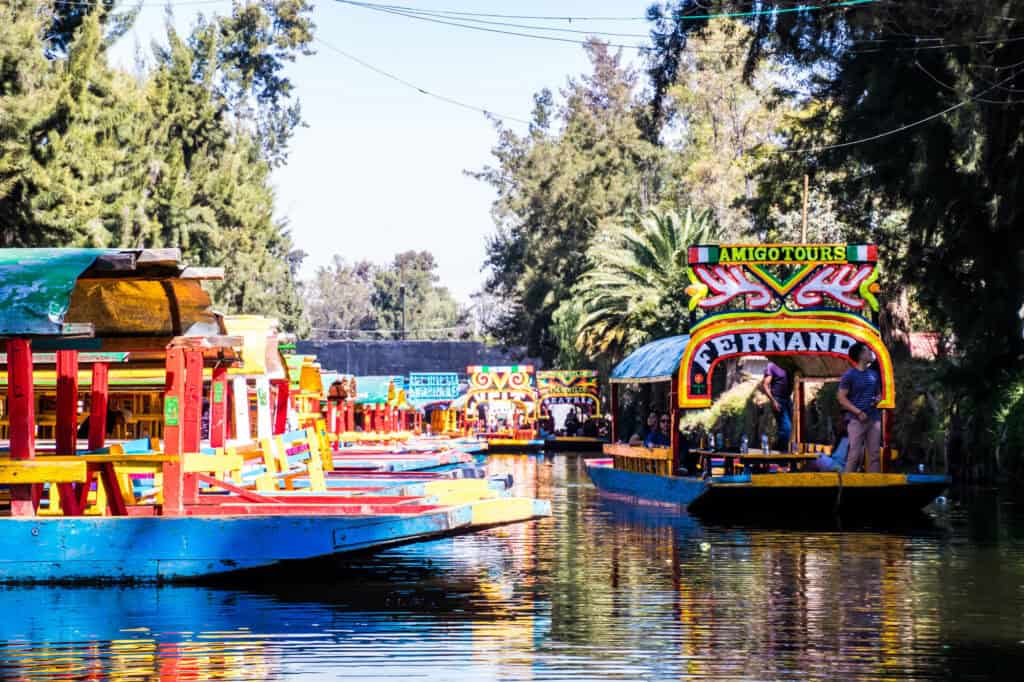
Xochimilco
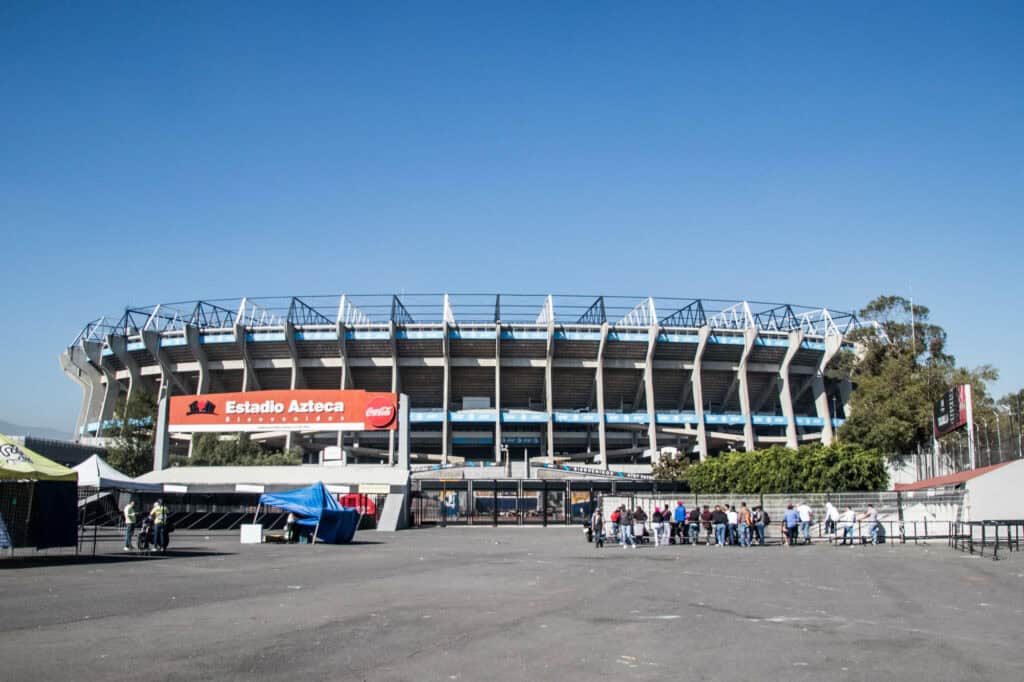
Aztec Stadium

Frida Kahlo Museum

National Film Archives of México
Places to eat or drink near Zocalo – Mexico City

Sud 777

Fonda Margarita

El Huequito

Mercado de Jamaica
More places in Mexico City

Museo del Templo Mayor

Antojeria Queretaro

Bella Aurora
