
Preparing Your Retirement Move to Thailand: Legal Steps and Expert Help with Thai Visa Expert
By
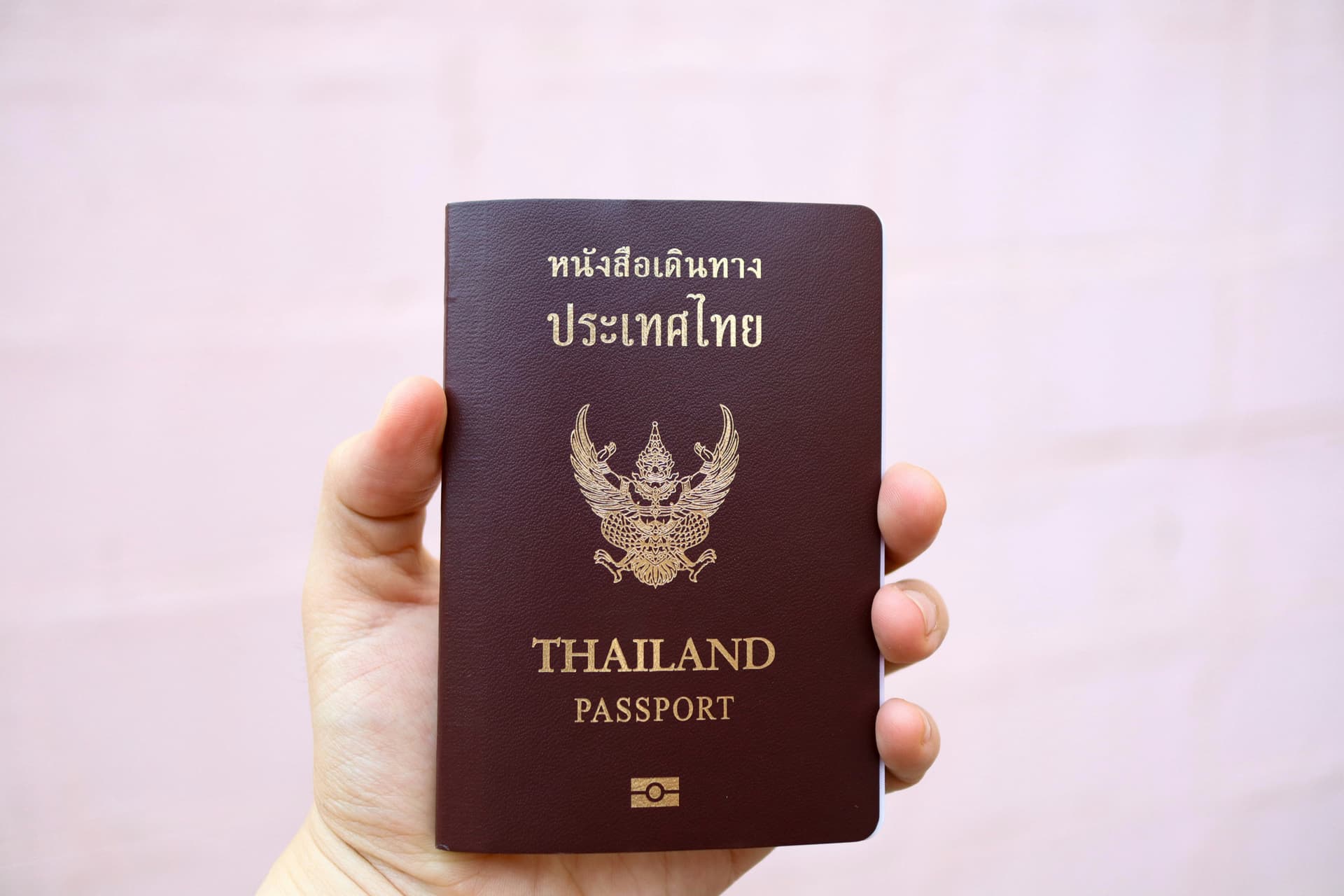

The Thailand Retirement Visa is a favourite among expats hoping to settle down for the long haul. Offering a renewable one-year stay, this visa opens the door to an affordable lifestyle in a country famous for stunning scenery, friendly locals, and a pace of life that helps you slow down and savour the moment.
To qualify, you’ll need to be at least 50 years old and show proof of financial security — either by holding 800,000 THB in a Thai bank account or earning a monthly income of at least 65,000 THB.
There are plenty of reasons why retirees flock to Thailand. Whether you love the vibrant city buzz of Bangkok, the laid-back charm of Chiang Mai, or the island life by the sea, you’ll find a spot to call home. With excellent healthcare, low living expenses, endless opportunities to socialise, and a welcoming expat community, it’s easy to understand why so many choose to make their golden years feel a bit more golden here.
Understanding the Thailand Retirement Visa
The Thailand Retirement Visa is for anyone aged 50 or over who dreams of spending their golden years against a backdrop of temples, beaches, and bustling street markets. This visa offers a one-year stay from the start, and the best bit? You can keep renewing it year after year, as long as you keep ticking the right boxes.
Unlike some visas that have you booking return flights just to renew your stay, this one can be sorted from within Thailand itself. No need for an annual pilgrimage back home, saving you stress, money, and a fair bit of paperwork.
To secure the visa, you’ll need to show either a monthly income of 65,000 THB or a security deposit of 800,000 THB in a Thai bank account for at least two months before applying. If you’re renewing, that same amount should stay in your account for three months. This rule helps make sure retirees are financially prepared to settle in comfortably.
For many, the real draw of this visa is the ease of life it offers. As long as you keep up with the requirements, there’s no need to worry about visa drama interrupting your sunshine or your afternoon market trips. It’s a straightforward way to enjoy Thailand, join vibrant local communities, and create a routine you actually love.
Eligibility Criteria and Requirements
To get a Thailand Retirement Visa, you’ll need to be at least 50 years old—no exceptions. Money matters too; the Thai government wants to see you’re financially steady. You’ll need to prove one of the following: either keep 800,000 THB in a Thai bank account for at least two months before applying, earn a steady monthly income of 65,000 THB or more, or show a combination where your income and bank deposit add up to at least 800,000 THB over the year.
For the money side, be ready with paperwork. This means clear bank statements and, if you’re showing your income, a letter from your embassy might be needed. If your embassy won’t issue that, some consulates accept 12 months of Thai bank statements that show regular deposits.
On the documents front, some embassies or consulates may also ask for extra paperwork, especially if you’re applying from outside Thailand. These might include a police clearance certificate, a doctor’s note to confirm you’re in good health, and proof that you’ve got health insurance. Requirements can differ between embassies so it’s smart to check ahead. Bringing along the full set of documents will let you breeze through the application, instead of facing last-minute hassles or delays.
Application Process for the Thailand Retirement Visa
You can kick off your Thailand Retirement Visa application either before you ever pack your bags, or after you’ve set foot in Thailand. Whichever option you choose, the steps are pretty clear, but the paperwork can differ.
If you’re starting from your home country, you’ll need to visit the nearest Thai Embassy or Consulate with your documents. Just double check that they actually handle retirement visas—some don’t, and there’s nothing more annoying than finding that out at the door. When applying from abroad, you’ll likely be asked for extra bits like a police clearance, medical certificate, and proof that you have adequate health insurance.
Arrived in Thailand already? Then you can start on a 90-Day Non-Immigrant O Visa. First, get this visa from a Thai Embassy or Consulate and enter Thailand to activate it. Once you’ve been in the country for at least 60 days, you can switch over to the Retirement Visa at a local immigration office, but only within the last 30 days of your current visa. Make sure you’ve got documents to prove where you’re staying—rental agreement or utility bills do the job.
If you entered on a Tourist Visa or using the Visa Exemption Scheme, you can still apply for the retirement visa as long as you qualify for the 90-Day Non-Immigrant O and satisfy retirement visa requirements. Both applications get sorted at an immigration office in Thailand.
No matter your route, getting that 90-Day Non-Immigrant O Visa is the main step that sets everything in motion. This visa gives you a 90-day stretch of time, which then opens the door to the long-term Retirement Visa. Having all your paperwork in order from the start will spare you headaches and speed up your move to a more relaxed life in Thailand.
Post-Visa Obligations and Maintenance
If you have a Thailand Retirement Visa, there are some key rules to stick to so you don’t end up with headaches down the line. First, there’s the 90-day reporting rule. Every 90 days, you need to let your local immigration office know where you’re living. You can check in online, by post, in person, or have someone do it for you with a Power of Attorney. Skip this step, and you could be hit with a fine or risk bigger problems with your visa.
You’ll also need to keep the right amount of money in your Thai bank account. For your first approval, 800,000 THB needs to have sat in the account for two months before you got your visa. If it’s time for renewal, that same balance should show it’s been untouched for three months. These checks prove you’re financially set to stay.
If you’re planning a trip abroad but want to return to Thailand, don’t forget to get a re-entry permit. There are single and multiple entry options, both of which can be picked up at an immigration office or international airport. Leave Thailand without a permit, and your retirement visa will be wiped the moment you step out. If you’re staying put in Thailand, there’s no need to bother with a re-entry permit at all.
Staying on top of these requirements means you can get on with enjoying your retirement in Thailand, without paperwork dramas spoiling your plans.
Alternative Long-Term Visa Options
Anyone dreaming of an easy, indulgent retirement in Thailand often has their eye on the Thailand Elite Visa. Sometimes called the Thailand Privilege Visa, this option is as close as you’ll get to a VIP pass—long-term stays between 5 and 20 years, minimal paperwork, and perks that sound more like a holiday package than an immigration process. Expect everything from fast-track airport services and luxury spa treatments to complimentary healthcare check-ups and surprise gifts.
If you’d rather focus on comfort without the added luxury price tag, there’s another solution: the Long-Term Resident (LTR) Visa for Wealthy Pensioners. This gives you up to 10 years in Thailand and shakes up the old-school bureaucracy with a much simpler routine—say goodbye to frequent check-ins, now it’s just once a year. That means more time for sunset strolls and pad thai, less time worrying about red tape.
Both options deliver an upgrade from the standard retirement visa, letting you truly relax and soak up everything Thailand has to offer. Whether you want the all-out indulgence of the Elite Visa or the fuss-free lifestyle of the LTR Visa, these alternatives give retirees more freedom and a whole lot less admin.
Legal Preparation and Professional Support
Getting ready for retirement in Thailand means getting your head around all the necessary visa paperwork and legal steps. If Thailand is where you’re planning to put your feet up, take time to check what’s needed for the Thailand Retirement Visa—being on the ball now saves you stressful surprises later. You’ll need to be clear about the financial proof, age eligibility, and ongoing requirements so your move goes smoothly, often with guidance from Thai Visa Expert, for retirement visa advice.
Sorting out a visa can get confusing, especially since requirements may depend on which country you’re applying from. A smart move is to chat with a visa professional, especially if you’re seeking expert assistance for Thailand retirement visas. They’ll double-check your bank statements, make sure you have valid health insurance, and spot which extra forms certain embassies or consulates might ask for. Professionals who work with immigration paperwork every day can help you avoid mistakes and speed up the whole process, letting you start your new chapter in Thailand feeling confident rather than bogged down by admin.
Getting Professional Help
The rules around bank deposits, 90-day reporting, and switching visa types can shift depending on which embassy or immigration office you deal with, so it's worth budgeting a little time and money for professional guidance rather than going it alone. A visa agent or immigration specialist familiar with retirement visas can check your paperwork before submission, flag any local quirks, and help you avoid the kind of small errors that lead to delays or rejections.
This sort of support tends to matter most during your first application and your first renewal, when the process still feels unfamiliar. Once you've settled into the rhythm of reporting dates and bank balance checks, many retirees find the day-to-day upkeep fairly manageable on their own.