
Preparing Your Vehicle for Backcountry Adventures
By
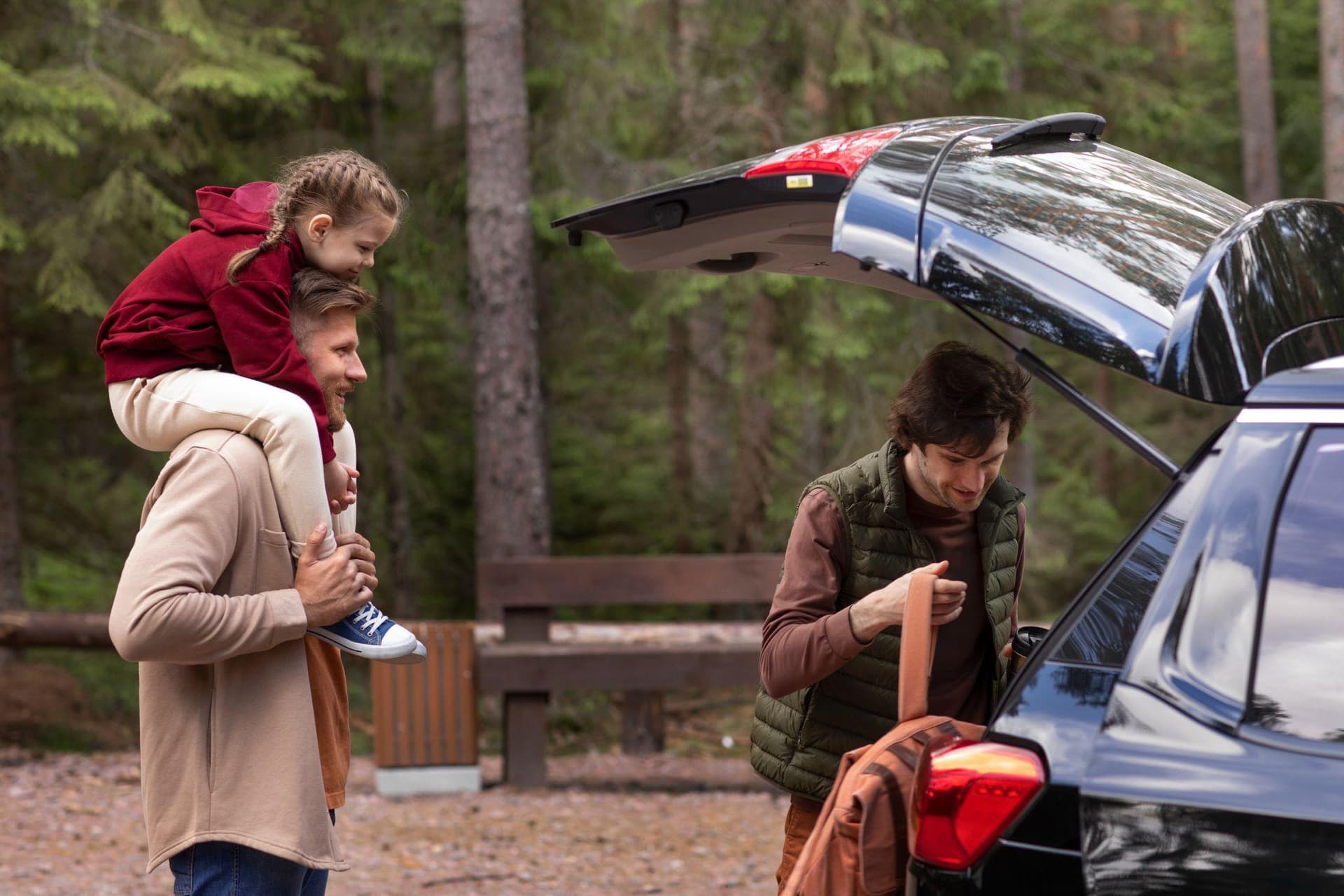
Backcountry adventures offer a chance to explore remote trails, camp in quiet landscapes, and travel beyond familiar roads. However, reaching these destinations often requires more preparation than an ordinary road trip. Uneven terrain, loose gravel, steep inclines, mud, and unpredictable weather can place additional demands on a vehicle and its driver.
Preparing for these conditions starts well before the journey. Checking essential systems, carrying recovery equipment, planning a suitable route, and understanding the vehicle’s limitations can help reduce avoidable risks. Even a relatively short trip into a remote area can become challenging when there is no nearby repair shop or reliable mobile service.
1. Choose a Vehicle Suited to the Terrain
The first step is to determine whether your vehicle can handle the route you intend to travel. A maintained gravel road has very different requirements from a rocky trail with deep ruts, loose soil, or steep climbs.
When comparing the best off road vehicles, consider practical capabilities rather than appearance alone. Ground clearance, four-wheel drive, tire compatibility, approach and departure angles, and underbody protection can all influence performance on uneven ground.
Assess Your Vehicle's Capabilities
Before leaving, review the manufacturer's specifications and owner's manual. Pay attention to the vehicle's ground clearance, recommended tire pressures, wading depth if applicable, payload capacity, and permitted towing limits.
Four-wheel drive can improve traction on challenging surfaces, but it does not eliminate the risk of getting stuck. Vehicle weight, tire condition, driver judgment, and the terrain itself all affect how safely a vehicle can travel.
Match the Setup to Your Plans
A weekend trip along established forest roads may require little more than suitable tires and routine maintenance. A remote route with rocky sections may call for additional underbody protection, recovery equipment, and greater clearance.
Avoid modifications that exceed the manufacturer's limits or compromise handling. A suitable, well-maintained vehicle is generally more useful than an extensively modified one that has not been tested under realistic conditions.
2. Inspect Essential Mechanical Systems
Mechanical problems become more difficult to manage when you are far from assistance. A thorough inspection before departure can reveal issues that might otherwise interrupt the trip.
Check Tires and Brakes
Inspect all tires for cuts, cracks, uneven wear, and embedded objects. Confirm that the tread is suitable for the expected surface and that the spare tire is properly inflated. Check the recommended pressure when the tires are cold.
Examine the brakes for unusual noises, vibration, or reduced stopping performance. If the vehicle pulls to one side or the brake pedal feels different, have it inspected before heading into remote terrain.
Check Fluids, Battery, and Cooling
Inspect engine oil, coolant, brake fluid, and other serviceable fluids according to the owner's manual. Look for leaks beneath the vehicle and check hoses for visible damage.
A weak battery can become a significant problem when temperatures drop or the engine must be restarted repeatedly. Confirm that the battery terminals are secure and that the charging system is working properly.
The cooling system also deserves attention, particularly before trips involving slow climbs or warm weather. Address warning lights and overdue maintenance rather than assuming the vehicle will manage another long journey without trouble.
3. Pack Essential Recovery and Safety Equipment
Even experienced drivers can encounter unexpected obstacles. Recovery equipment and emergency supplies help prepare for situations where continuing the journey is not immediately possible.
Carry the Right Recovery Gear
Useful equipment may include recovery boards, a compatible recovery strap, rated recovery points, a shovel, and a tire repair kit. A portable air compressor can help restore tire pressure after driving on suitable loose surfaces, provided the vehicle and tire manufacturer's guidance is followed.
Equipment must match the vehicle and the intended recovery method. Never attach recovery straps to unsuitable tow balls or improvised mounting points. Snatch recovery can release substantial energy, so use rated equipment and follow its instructions. If you lack the necessary training, seek professional assistance rather than attempting a risky recovery.
Prepare an Emergency Kit
Keep drinking water, food, warm clothing, a first-aid kit, a flashlight, spare batteries, and a power bank in an accessible location. Add an emergency blanket and supplies appropriate for the season.
For remote routes, a satellite messenger or personal locator beacon can provide an emergency communication option when cellular coverage is unavailable. Learn how the device works before leaving home.
The National Park Service's outdoor safety guidance offers useful reminders about planning ahead, carrying essential supplies, and preparing for changing outdoor conditions.
4. Plan the Route and Check the Weather
A route that looks manageable on a map may be difficult in practice. Seasonal closures, washed-out roads, flooding, snow, and recent storms can change access conditions quickly.
Research the Route Before Departure
Review current trail information, road restrictions, local regulations, and access requirements. Check whether the route is appropriate for your vehicle and driving experience. Recent trip reports can provide context, but verify important details with official land managers where possible.
Save offline maps before leaving an area with reliable internet access. Mark fuel stops, trail exits, campsites, and possible turnaround points. Estimate the journey conservatively, allowing time for slower driving, navigation, and unexpected delays.
Set Weather-Based Limits
Rain can turn firm dirt into slippery mud, while dry conditions can increase dust and reduce visibility. Snow and freezing temperatures may introduce additional traction and exposure risks.
Check the forecast for the entire route, not just the departure point. Establish conditions under which you will delay the trip, choose an alternative route, or turn back. Changing plans is a sensible response to risk, not a failure to complete the adventure.
5. Adjust Tire Pressure and Driving Technique Carefully
Tire pressure affects traction, handling, heat buildup, and the likelihood of tire damage. The correct approach depends on the terrain, tire construction, vehicle load, and manufacturer's recommendations.
Understand When Pressure Adjustments Help
On certain loose surfaces, a modest reduction in tire pressure can increase the tire's contact area and improve traction. However, driving with reduced pressure also increases the risk of tire damage, bead separation, and overheating if speed or distance is excessive.
Do not use a universal pressure setting for every vehicle. Follow manufacturer guidance, use appropriate equipment, and carry a reliable pressure gauge and compressor so tires can be returned to suitable road pressures before driving on public roads.
Drive Smoothly and Maintain Control
Use steady acceleration, gradual braking, and controlled steering. Sudden inputs can break traction, especially on gravel, sand, or wet ground. Maintain enough distance to account for longer stopping distances and reduced visibility.
When approaching an obstacle, assess the line before moving forward. Avoid entering deep water, steep slopes, or uncertain terrain without understanding the risks and the vehicle's limits. If an obstacle looks unsafe, turn around when possible.
6. Manage Weight and Secure Your Cargo
Extra equipment can make a backcountry trip more comfortable, but unnecessary weight affects braking, handling, fuel consumption, and available payload.
Pack According to Priority
Start with safety equipment, water, food, weather-appropriate clothing, navigation tools, and necessary recovery gear. Add camping equipment based on the expected conditions and length of the trip.
Check the vehicle's payload rating and account for passengers, luggage, accessories, and any equipment mounted to the exterior. Roof racks raise the vehicle's center of gravity and may affect stability, so heavy items are generally better carried low and securely.
Prevent Cargo From Moving
Secure tools, fuel containers, coolers, and other heavy items so they cannot shift during sudden braking or on uneven terrain. Store frequently used items where they can be reached without unpacking the entire vehicle.
If carrying fuel or other hazardous materials, use approved containers and follow applicable transport and storage requirements. Keep these items away from ignition sources and passenger compartments as directed by the manufacturer.
7. Prepare for Limited Communication and Unexpected Delays
Backcountry travel often means fewer services and longer response times. A basic communication plan can make a major difference if the trip takes longer than expected.
Share Your Itinerary
Tell a trusted person where you are going, which route you expect to follow, and when you plan to return. Agree on a check-in time and explain what they should do if you miss it.
Keep emergency contacts and relevant land-management or rescue information available offline. A fully charged phone is useful, but it should not be your only means of communication in areas without coverage.
Know When to Stop
If the vehicle develops a warning light, unusual vibration, overheating, or a sudden loss of power, stop somewhere safe and assess the situation. Continuing may turn a manageable fault into a more serious breakdown.
Likewise, avoid pushing ahead when fatigue, poor visibility, or worsening weather makes driving unsafe. Carry enough supplies to manage reasonable delays, and leave yourself time to return before conditions deteriorate.
Conclusion
Preparing a vehicle for backcountry adventures involves more than choosing a capable model or packing a few tools. Mechanical inspections, suitable tires, recovery equipment, route research, careful driving, and realistic safety limits all contribute to a better-prepared journey.
The most effective preparation reflects the actual demands of the trip. A short drive on established dirt roads will not require the same setup as a remote, multi-day expedition. By understanding those differences, checking equipment before departure, and remaining willing to change plans, drivers can explore unfamiliar terrain more responsibly and return with fewer avoidable problems.
FAQs
1. What should I check on my vehicle before a backcountry trip?
Inspect tires, brakes, battery, fluids, cooling system, lights, and the spare tire. Confirm that routine maintenance is current and that recovery equipment is compatible with your vehicle. Check the route and weather, and carry sufficient water, food, navigation tools, and emergency supplies.
2. Do I need a four-wheel-drive vehicle for backcountry adventures?
Not always. Many maintained gravel and dirt roads are accessible to suitable two-wheel-drive vehicles in favorable conditions. Four-wheel drive can help on challenging terrain, but ground clearance, tires, road conditions, and driver experience also matter. Always check route requirements before setting out.
3. What emergency supplies should I keep in my vehicle?
Carry water, food, a first-aid kit, warm clothing, a flashlight, a power bank, basic tools, and a spare tire or appropriate repair equipment. For remote destinations, consider offline maps and a satellite communication device. Adjust your supplies to the climate, trip length, and distance from assistance.