
The Foodie's Travel Guide: Navigating Local Cuisine
By
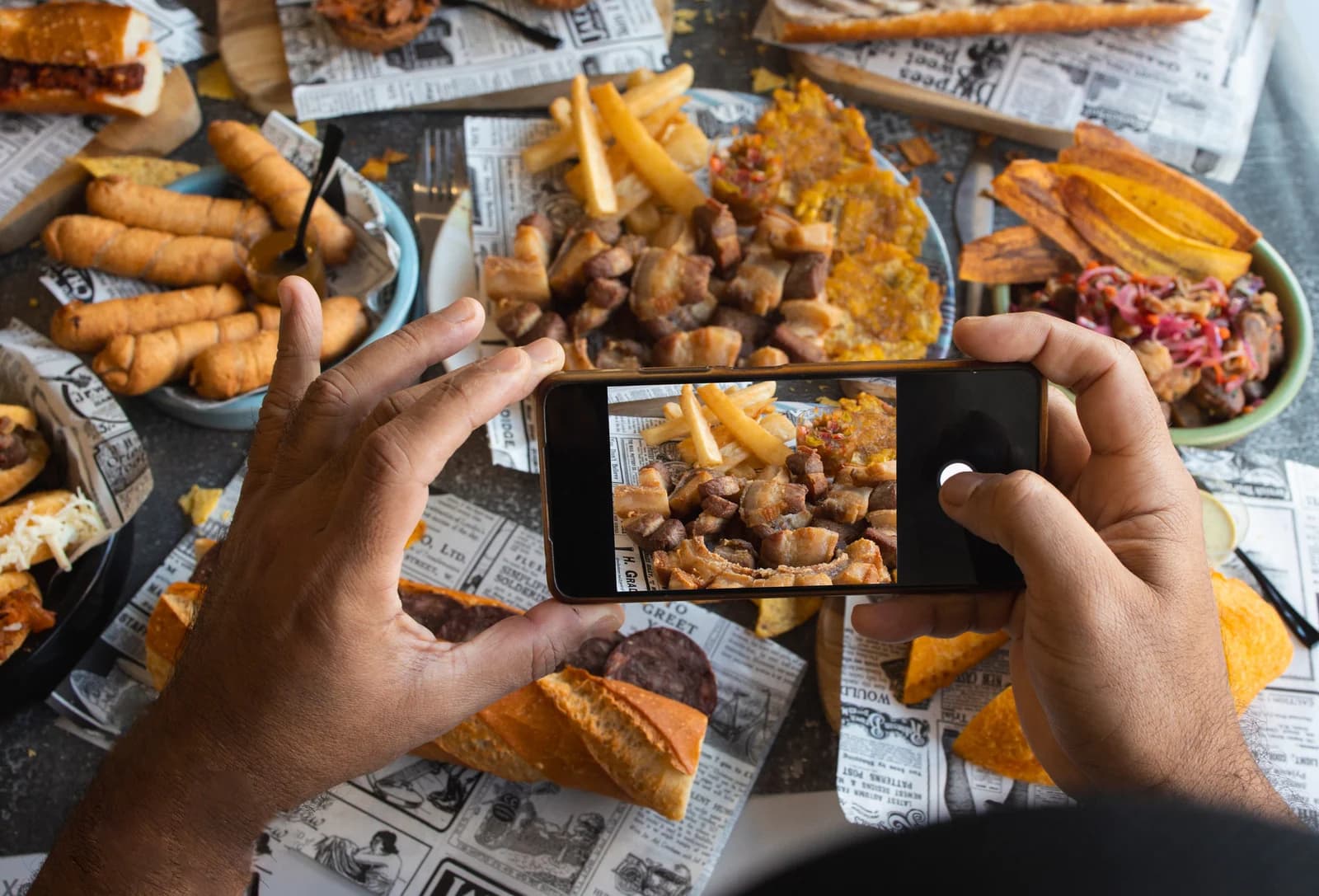
Enjoying local cuisine can be one of the most enjoyable parts of traveling, especially for dyed-in-the-wool foodies. But knowing where to find authentic dishes, understanding international dietary labels and navigating how to stay healthy abroad is more of a skill than intuition. Here’s a travel guide just for foodies who want to be better at discovering and enjoying authentic local cuisine wherever the road may lead.
There’s no best time of year for finding hidden food gems and feasting like a local while respecting cultural food traditions. Any time of year is right when you know where to look, what to eat and how to eat safely. Pack up, ready your taste buds and get set to travel!
One Bite at a Time
Even foodies have gastrointestinal bacteria that are accustomed to certain foods. Introduce new things and there might be some unwelcomeness in the form of stomach upset. By all means, be willing to taste new foods, but tread cautiously at the beginning. Take one step – or bite – at a time and see how your body reacts.
Unfortunately, you could find that your body is reactive to a new ingredient, so you can minimize unsavory reactions by eating only small amounts at first. Once you’re sure your body’s not disagreeable to the new food, you can safely chomp away to your heart’s content.
Stick to Freshly Cooked Foods
Many countries’ cuisines largely incorporate raw ingredients, including animal products. Japan, China and Taiwan are just a few. But bacteria can thrive on uncooked foods, particularly at outdoor markets where sanitary conditions are less maintained. Don’t avoid all street food, or you’d miss out on all the fun of eating locally. Just steer clear of raw foods, and stick to foods where they’ve been freshly cooked, ideally while you watch and wait.
Avoid Montezuma’s Revenge
Mexico isn’t the only country where Montezuma’s revenge, or traveler’s diarrhea, reigns supreme. But it is prevalent in countries where the water supply isn’t regularly chlorinated. Even in first world countries, there may be bacteria in the water that your gut’s biome just isn’t accustomed to. Carry bottled water with you, so you don’t get into a situation where you’re dehydrated and desperate for a sip of any water. In your Airbnb or hotel, boil water and make your own ice whenever possible before use.
Avoid tricky situations with tap water, for example, when using cocktail mixers and during teeth brushing and face washing. If it wasn’t boiled and didn’t come from a quality bottled water source, steer clear.
Wash Fresh Fruits and Vegetables
Before sinking your teeth into that juicy mango you just purchased, rinse it off with some bottled water. If you can’t rinse fresh fruits and veggies for some reason, peel before eating. Your gut will thank you.
Wash Hands
Since COVID, more restaurants around the world have made hand washing and sterilizing stations available to patrons and waitstaff. Take advantage and make this simple act a habit you don’t even have to think about twice.
Learn Dietary Labels
If you or a member of your group has dietary needs, it’s essential to understand dietary labels abroad in their local language and to learn some essential phrases in the local tongue. Essential phrases include: “I am allergic to nuts/shellfish/dairy” and “Which dishes are gluten-free?”
Translation apps like Google Translate can help tremendously. When in doubt, don’t hesitate to ask waitstaff for clarification.
How to Find Authentic Dishes
Foodies already know that the Chinese food we get here in the U.S. is nothing like authentic dishes in China. But the same goes for other countries, too. To find authentic local cuisine, open up to locals whenever possible. Express your desire to taste authentic foods, not tourist-appealing variations, and get recommendations written down. Even your hotel concierge or Airbnb host may be able to guide you to the nearest and best place to grab dinner.
A note of advice? If you see a bunch of tourists eating someplace, chances are the food isn’t going to be authentically local. When you do find a place frequented by locals, take a look at what fellow diners are enjoying. Use your foreign vocabulary to tell your waiter, “I’ll have what they’re having.” Sometimes that’s the most happily adventurous thing you can do when you’re willing to try new foods. (Just be sure to confirm you’re not allergic to any of the ingredients.)
Finally, other countries – France, in particular – aren’t as free and easy with their menu as we are here in the States. You may not have the option to ask for substitutions, and it may even be considered rude to insist, so tread lightly.
A Last Word
Just like you would take care to get travel protection for luggage and personal belongings in place before traveling, be sure your health insurance coverage extends to travel abroad. Many countries won’t even let you be admitted to a hospital with gastro illness unless you can prove you have insurance coverage.