
Planning a Budget Trip: These Travel Hacks Will Save You Thousands
By
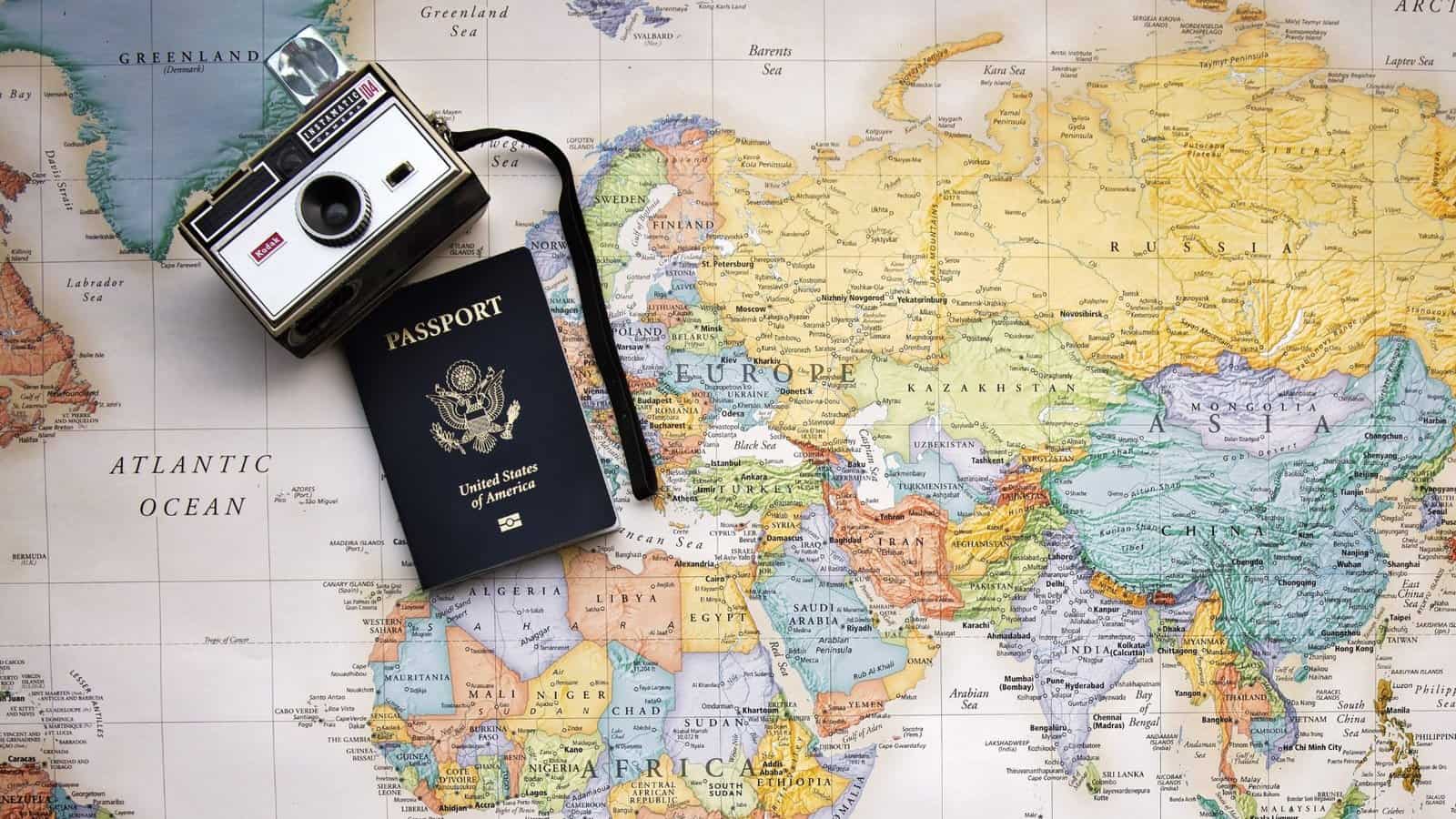
Traveling the world doesn’t have to drain your bank account. Some of the most seasoned globetrotters manage to explore entire continents on less than $50 a day. According to a 2024 survey by Budget Your Trip, average daily travel costs can vary dramatically, ranging from $35/day in Southeast Asia to over $150/day in Western Europe, but smart travelers consistently beat the averages by planning carefully and embracing cost-saving strategies.
For example, a backpacker in Vietnam can spend a month on just $800, including food, accommodation, and transportation. In contrast, a typical vacationer might spend that much in a week on hotels and tours alone. Even in more expensive regions like Europe, using rail passes, street food, and budget accommodations can slash travel costs by 60% or more.
Whether you’re planning a quick weekend escape or a months-long global adventure, the good news is this: with the right tools, timing, and mindset, budget travel is not only possible – it can be richer in experience than luxury trips. These proven travel hacks will help you stretch your budget further, unlock unique opportunities, and travel smarter without compromising on adventure.
Master the Art of Flight Booking
Timing is Everything
The secret to cheap flights lies in strategic timing. Book your flights during the “Goldilocks window” – typically 8 months to 6 weeks before departure for the best deals. Research shows that Tuesday, Wednesday, and Saturday departures offer the lowest prices, as business travelers typically avoid these days.
Flexible Date Strategy
One of the most powerful money-saving techniques is date flexibility. Flight prices can vary dramatically based on demand, day of the week, and season. Use Google Flights’ flexible date feature to view a calendar showing price variations across different dates. Sometimes shifting your trip by just a few days can save hundreds of dollars.
Hidden City Ticketing and Open-Jaw Flights
Consider “open-jaw” tickets, where you fly into one city and depart from another. This strategy often costs less than round-trip tickets and gives you more routing flexibility. Additionally, booking connecting flights individually can sometimes be cheaper than direct flights, though this requires careful timing and consideration of potential delays.
Leverage Technology
Set up price alerts on multiple platforms and browse in incognito mode to avoid dynamic pricing based on your search history. Sign up for services like Going (formerly Scott’s Cheap Flights) to receive notifications about flight deals from your departure city. Multiple flight hacks guide recommends using multiple search engines to compare prices across different platforms.
Accommodation Strategies That Maximize Savings
The Hostel vs. Airbnb Decision
For solo travelers, hostel dormitories typically offer the cheapest accommodation option, often costing $15-30 per night in major cities. However, budget travel experts note that Airbnb can be more economical for groups or couples, especially when booking private rooms in shared homes rather than entire properties.
Last-Minute Booking Opportunities
While conventional wisdom suggests booking early, same-day hostel rates can sometimes offer amazing deals when properties have empty beds to fill. Many hostels reduce prices significantly on the day of arrival to maximize occupancy.
Alternative Accommodation Options
Consider house-sitting through platforms like TrustedHousesitters, where you get free accommodation in exchange for pet or home care. University dormitories during summer breaks, local guesthouses, and even camping can provide substantial savings over traditional hotels.
Negotiation and Long-Term Stays
For extended trips, negotiate weekly or monthly rates directly with accommodation providers. Many places offer significant discounts for longer stays, sometimes reducing nightly rates by 30-50%.
Food and Dining on a Shoestring Budget
The Five-Block Rule
Nomadic Matt’s travel wisdom suggests walking at least five blocks away from major tourist attractions before choosing a restaurant. Tourist-area establishments often charge 2-3 times more for similar food quality.
Embrace Street Food and Local Markets
Street food offers authentic local flavors at a fraction of restaurant prices. Local markets provide fresh ingredients if your accommodation has kitchen facilities. In many countries, street vendors offer meals for $1-3 that would cost $15-20 in tourist restaurants.
Strategic Meal Planning
Take advantage of free breakfast at hostels or hotels, then eat your largest meal at lunch when many restaurants offer set menus at lower prices. Pack snacks and maintain a reusable water bottle to avoid expensive airport and tourist-area markups.
Cook Your Meals
When possible, stay in accommodations with kitchen access. Frugalwoods travel experts recommend shopping at local grocery stores and preparing simple meals, which can reduce food costs by 60-70% compared to dining out for every meal.
Transportation Savings Beyond Flights
Public Transportation Mastery
Research local public transportation systems before arrival. Many cities offer tourist passes that provide unlimited travel for set periods. APTA research shows that using public transit instead of taxis or rental cars can save travelers over $13,000 annually.
Walking and Cycling
The cheapest transportation is often your own two feet. Many cities offer bike-sharing programs or affordable bicycle rentals. Walking tours are frequently free (tip-based) and provide excellent orientation to new destinations.
Regional Transportation Strategies
For multi-city trips, investigate regional rail passes, bus networks, and budget airline routes. In Europe, bus companies like FlixBus offer routes for as little as $5-15 between major cities.
Free and Low-Cost Activities
Nature and Outdoor Adventures
Free activity guides emphasize that hiking trails, beaches, parks, and scenic viewpoints typically cost nothing but offer incredible experiences. Many cities have extensive park systems with free entertainment and beautiful landscapes.
Cultural Experiences Without the Price Tag
Many museums offer free admission days or “pay-what-you-wish” hours. Churches, temples, and historical sites often have no entrance fees. Free walking tours operate in most major cities, running on a tip-based system. When you do want to book guided experiences or skip-the-line tickets for popular attractions, look for a Get Your Guide promo code from Shopper.com to reduce costs on tours and activities that enhance your travel experience.
Local Events and Festivals
Research local events calendars for free concerts, festivals, street fairs, and cultural celebrations. These events provide authentic local experiences without admission costs.
Credit Cards and Reward Programs
Strategic Travel Rewards
Travel hacking experts recommend focusing on flexible point systems rather than airline-specific cards. Cards like Chase Sapphire Preferred or Capital One Venture offer points that can be transferred to multiple partners or used for statement credits.
Signup Bonuses and Category Spending
Look for credit cards with substantial signup bonuses that can cover entire trips. Use cards that offer bonus categories matching your regular spending patterns – groceries, gas, or dining – to maximize point accumulation.
Technology and Apps for Budget Travel
Essential Money-Saving Apps
Download apps like Hostelworld for last-minute accommodation deals, Rome2Rio for transportation comparisons, and local transit apps for each destination. Currency exchange apps help you avoid unfavorable rates at airports and tourist areas.
Communication Savings
Purchase local SIM cards or use international roaming packages instead of expensive per-day charges. Many cafes, libraries, and public spaces offer free Wi-Fi for basic communication needs.
Planning and Preparation Strategies
Shoulder Season Travel
Traveling during shoulder seasons (spring and fall) can reduce costs by 40-60% while offering better weather than peak summer or winter periods. Destinations are less crowded, and locals have more time to interact with travelers.
Budget Tracking and Emergency Funds
Set daily spending limits and track expenses religiously. Maintain a small emergency fund for unexpected opportunities or necessary expenses. Many budget travelers recommend the 50/30/20 rule: 50% for accommodation and transportation, 30% for food and activities, 20% for emergencies and souvenirs.
Conclusion
Budget travel isn’t about sacrificing experiences – it’s about making smart choices that maximize your travel budget. By implementing these strategies systematically, you can reduce your travel costs by 60-80% while often having more authentic, memorable experiences than expensive package tourists.
The key to successful budget travel lies in flexibility, research, and embracing local cultures rather than maintaining expensive home-country habits. Start with one or two strategies that feel comfortable, then gradually incorporate more techniques as you gain confidence and experience.
Remember, the goal isn’t to spend as little as possible, but to spend money on experiences that matter most to you while eliminating unnecessary expenses. With these travel hacks, your next adventure can be both affordable and unforgettable, proving that the best journeys don’t require the biggest budgets.
Whether you’re planning a weekend getaway or a months-long adventure, these proven strategies will help you travel further, experience more, and return home with both incredible memories and money still in your bank account.