
Tours in Cabo San Lucas: Desert Wildlife & Outdoor Adventures
By
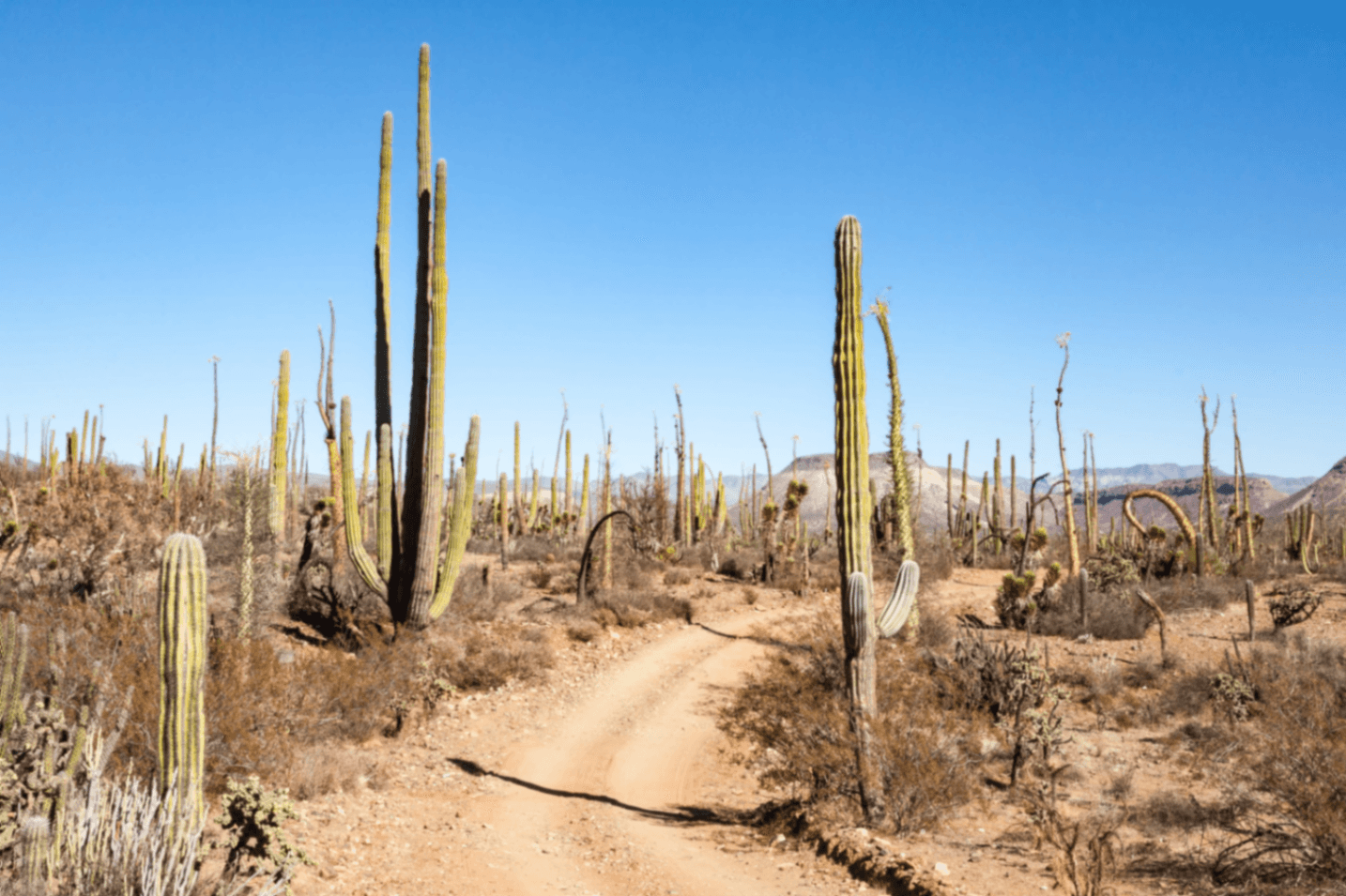
Most tours in Cabo San Lucas start and end at the marina. This guide heads inland instead. North of town, toward Migriño, the Baja California desert runs straight into the Pacific, and the land is far more alive than it looks from a car window: giant cardón cactus, hawks riding the thermals, lizards darting between rocks and, in winter, gray whales moving along the coast.
If you'd rather spend a morning outside than another hour at the swim-up bar, read on. Below you'll find where to go, which animals you might meet and how to choose a tour that treats the desert and its residents with respect.
Beyond the Beach: Exploring the Baja California Desert Ecosystem
The southern tip of Baja is desert squeezed between the Pacific and the Sea of Cortez. Rain is scarce, so everything here plays the long game. The cardón, one of the largest cactus species on Earth, can grow taller than a two-story house and live for centuries. Palo verde, ironwood and agave hold the sandy soil in place, and after a rare rain the washes turn green almost overnight.
Animals adapt by keeping smart hours. Roadrunners, ground squirrels and jackrabbits move in the cool of the morning. Hawks and turkey vultures circle above the ridges, while lizards take over the rocks once the sun warms them. Along the shore, pelicans skim the waves, and between November and April gray whales pass offshore.
The best way to see all of it is slowly, next to someone who knows where to look. That's why the better desert excursions in Cabo start with an ecological walk before the faster activities begin. Ten minutes with a guide and the "empty" desert starts to fill up.
Responsible Wildlife Encounters in Cabo San Lucas
Good wildlife tours in Cabo San Lucas should leave the animals as well off as the visitors. At Cactus Tours, camels and horses live at a Wildlife Conservation Center registered with SEMARNAT, Mexico's Ministry of Environment and Natural Resources, as a PIMVS (an official program for the management and conservation of wildlife).
On the ground, that means the visit is built around the animals. Guides explain how the camels are cared for, how they adapted to desert life and why conservation matters in a place like this. You may even meet Choyerito, the first camel born in Los Cabos. The guided camel ride lasts about 25 minutes and is one part of a longer experience focused on learning, not just a photo.
Horseback rides follow the same approach. Calm, well-cared-for horses walk sandy trails toward the Pacific at an easy pace, and riders must be between 6 and 70 years old, at least 1.20 m (3 ft 11 in) tall and under 110 kg (242 lb). A few habits make any encounter better for everyone:
Follow your guide: They know each animal's temperament and routine.
Ask before touching: Some moments are for watching, not petting.
Stay calm: Quiet voices and slow movements keep animals relaxed.
Keep to marked trails: Desert soil and young plants take years to recover.
Top Outdoor Cabo Excursions for Nature & Adventure Lovers
Once you've walked the desert, it's time to cover more of it. Cabo excursions on the Pacific side mix nature with a healthy dose of adrenaline, so the same group can find something for every energy level.
Ecological walk: A guided loop through native plants and wildlife habitat. The calmest way to start the day.
Camel experience: Time at the Wildlife Conservation Center with a guided ride and plenty of context from the team. Minimum age is 5.
Horseback riding: Sandy trails and open ocean views at walking pace.
Mountain bikes: Beach and desert trails under your own power, tackling every climb at your own pace.
Migriño ATV and UTV routes: Desert, canyons and a wide riverbed that ends at the beach. Well-maintained machines, plenty of dust and a big grin at the finish.
Sky Bike: The Guinness World Record Holder as the world's longest Sky Bike, with panoramic views of the Pacific from high above the desert.
If your list of things to do in Cabo San Lucas is longer than your vacation, combos help. The 2x1 and 3x1 packages pair activities in a single visit, and the Park Pass opens the whole park for the day, with à la carte meals and non-alcoholic drinks included.
How to Choose Ethical & Well-Guided Tours in Cabo San Lucas
Not every operator works the same way, and the differences show up fast once you're there. Before booking, check these points:
Animal welfare: Look for a registered conservation program, such as a PIMVS with SEMARNAT, and animals that look healthy, calm and well kept.
Guides: Bilingual, trained and actually present for the whole activity, not just the check-in.
Safety: Proper gear for every rider, vehicles in top condition and medical support on site. At Cactus Tours, nursing and ambulance service is available 24/7.
Facilities: Clean, shaded, well-kept areas, free lockers and clear rules posted before you start.
Clear policies: Age, height and weight limits listed up front, plus a simple cancellation rule. Here, cancelling more than 48 hours ahead gets you a refund, minus administrative fees.
The best tours in Cabo San Lucas tend to be easy to check. Everything is written down, the guides answer questions without hesitating and nobody rushes the animals for a photo. Browse the full list of tours in Cabo San Lucas to compare routes, ages and durations before you pick a date.
A tip for the day itself: wear closed-toe shoes and sunscreen, bring a light layer in winter, and leave your phone in the locker. Phones and handheld cameras aren't allowed during activities, but a professional photographer covers the trail. You'll want both hands free anyway.
The resort will still be there tonight. The desert is best in the morning.