
Dublin on the map
38 places from this guide. Tap a pin to open the listing.
Overview
Dublin is the capital of Ireland, a city of roughly 1.2 million people built along the River Liffey, where Georgian squares sit a few streets from medieval alleys and modern tech offices. This Dublin travel guide is built around what actually fills a few days here: Trinity College and the Book of Kells, a pint somewhere with live music, a walk along the river to the Ha'penny Bridge, and the particular Dublin habit of talking to strangers at the bar like you've known them for years.
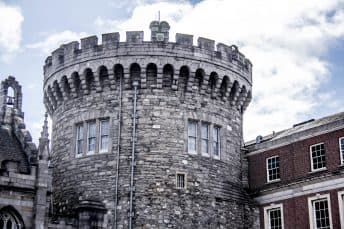
The city rewards walkers more than planners. Most of the big sights, from Dublin Castle to St Patrick's Cathedral, sit within a compact core you can cross on foot in under half an hour. Portions at restaurants tend to be generous and prices reasonable compared to London or Paris, though accommodation can bite, especially in summer. Expect grey skies more often than not, a lot of brick, and locals who will happily redirect you if you look lost on Dame Street.
When to Visit
Dublin's weather shifts fast and rarely commits to anything. Pack a rain jacket or a compact umbrella whatever month you travel, since a clear morning can turn into a downpour by lunch. Temperatures run mild to cold most of the year, with winter days (December to February) hovering just above freezing and summer days (June to August) rarely climbing much past the low 20s Celsius.
High season runs from May to September, when daylight stretches past 9pm and the parks and pub gardens fill up. This is also when hotel prices peak and Temple Bar gets loud from early afternoon. Shoulder months, April, May and September, often give you a reasonable trade of decent weather against thinner crowds. St Patrick's Day in mid-March draws a parade and a packed city center, worth experiencing once but book well ahead if that's your window. Winter is quiet, cheap by comparison, and atmospheric around Christmas, when Grafton Street gets its lights up and buskers work the crowds outside Trinity College.
Where to stay
Dublin splits roughly into neighborhoods north and south of the Liffey, and which side you pick shapes your trip more than you'd think.
- Georgian Dublin and around Grafton Street: the classic base, close to Trinity College and the Book of Kells, St Stephen's Green, and Merrion Square Park. Expect red-brick townhouses, higher hotel rates, and everything walkable.
- Temple Bar: loud, central, and touristy, good if you want to fall out of a pub and into bed, less good if you want sleep before midnight.
- North of the river, around O'Connell Street: closer to Croke Park and the bus and rail hubs, generally cheaper, with a grittier edge in parts.
- South Dublin, toward Ranelagh and Rathmines: quieter, residential, near parks, a short bus or Luas ride from the center.
- The coast, around Dun Laoghaire or Howth: good if you want sea air and don't mind a DART commute into town each day.
How to reach Dublin
Dublin Airport handles the vast majority of international arrivals and sits about 10km north of the city center. There's no metro link yet between the airport and downtown, but the Airlink bus runs regularly into the city center and takes roughly 30 to 45 minutes depending on traffic. Taxis are easy to find outside arrivals, though fares run high. Uber operates in Dublin, but it mostly just dispatches licensed taxi drivers using the app rather than private cars, so don't expect it to undercut a regular cab.
Arriving by sea is also straightforward, given Ireland is an island and Dublin has handled shipping traffic for centuries. Dublin Port sits just minutes from the city center by taxi or bus. Dun Laoghaire, a second port with ferry links, sits about 30 to 45 minutes south of the center and connects easily by DART train.
Getting around Dublin
Buses form the backbone of Dublin's public transport, with fares starting around €1.95 and rising with distance. Traffic in the center can slow things down at peak times, so don't count on a bus if you're racing a flight. The Luas tram network has two lines, Red and Green, crossing through the city center and out to the suburbs, with tickets around €1.80. The DART, Dublin's suburban rail line, runs along the coast from north of the city down past Dun Laoghaire, and for about €2 it's one of the better ways to reach seaside towns like Howth without a car.
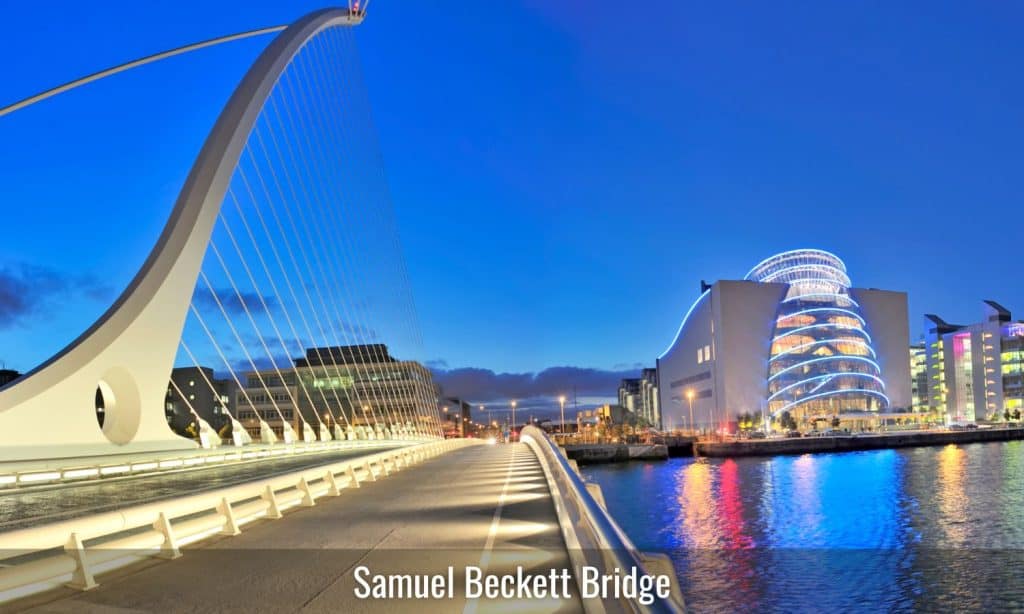
Walking covers most of what you'll want to see day to day. The route from Trinity College down Grafton Street to St Stephen's Green takes about 15 minutes on foot, and crossing the Ha'penny Bridge or the newer Samuel Beckett Bridge by Dublin Port gives you a good sense of how the city reads along the river. Taxis and the taxi-flavored Uber app are available everywhere but add up fast, so save them for late nights when the Luas and DART have stopped running.
Top Dublin travel tips
- Eat the local food beyond the stereotypes. Irish stew and black pudding get the attention, but Dublin does excellent seafood, and a casual spot like Brother Hubbard (North) shows the city's more modern, brunch-driven side.
- Go to a pub for the music, not just the pint. Live trad sessions are common most evenings, and locals genuinely don't mind a visitor joining the table.
- Visit Temple Bar, but time it. Prices at the bars there climb noticeably after dark, so go in daylight if you're watching your budget and just want the photo by the famous red facade.
- Don't overpack your itinerary. Dublin looks small on a map, but a day that includes Dublin Castle, Kilmainham Gaol and Phoenix Park involves a lot of walking and some travel time between them. Pick two or three anchors a day.
- Book Kilmainham Gaol and the Guinness Storehouse ahead of time. Both sell out same-day slots, especially in summer.
- Carry cash for small purchases. Most places take cards, but a few market stalls and smaller pubs still prefer notes.
- Mind your belongings on buses and in Temple Bar's crowds at night, standard city caution rather than any particular Dublin risk.
Typical costs in Dublin
Prices in Dublin run in euros. Accommodation spans a wide range: backpacker hostels or dorm beds typically run between €10 and €80 a night, a mid-range or budget hotel lands around €70 to €100, and a 5-star property starts at roughly €200 a night and climbs fast in summer.
Food is where Dublin feels fairer. A budget meal runs about €5 to €12, and a casual lunch or dinner comes in around €6 to €18, usually with portions bigger than you'd expect for the price. A pint in a pub runs €5 to €6, versus about €2 for the same beer from a shop, which explains why so much Dublin social life happens at home before a night out. Attractions like the Guinness Storehouse sit at the mid-range to upscale end for a single ticket, while a tasting menu at one of the city's Michelin-starred rooms will run well into the upscale-to-fine-dining tier before wine.
Transport stays cheap if you avoid taxis: bus fares start under €2, the Luas tram runs about €1.80, and the DART about €2 to reach coastal towns.
Must try food and drinks in Dublin
- Irish stew: a slow-cooked lamb or beef stew with potatoes and root vegetables, the kind of thing that fixes a wet afternoon.
- Full Irish breakfast: eggs, rashers, sausages, black and white pudding, grilled tomato, and soda bread, usually enough to skip lunch.
- Seafood chowder: thick, cream-based, and worth seeking out near the coast or in any decent pub kitchen.
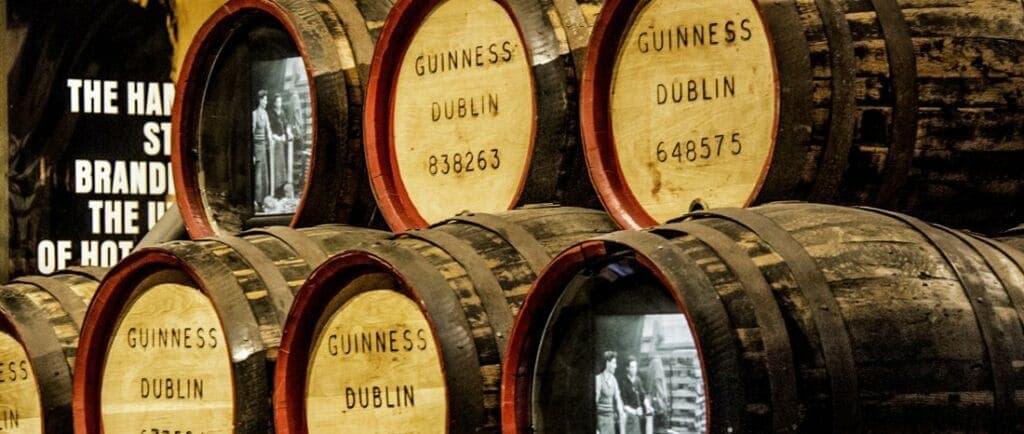
- Guinness: drunk best straight from the tap in a city pub rather than the can, and the Guinness Storehouse will walk you through exactly why Dubliners are fussy about the pour.
- Brown soda bread: dense and slightly sweet, usually served with butter and sometimes smoked salmon.
- Irish coffee: whiskey, coffee, sugar and cream, invented as a way to make a cold night bearable.
- Ice cream from Murphys Ice Cream: an Irish institution with unusual flavors like brown bread and sea salt, worth the detour if you pass a branch.
- A proper fry-up or modern brunch plate at Brother Hubbard (North), a good contrast to the more traditional pub menus.
FAQ
How many days do you need in Dublin?
Two to three days is enough for Dublin's main sights at a comfortable pace. That covers Trinity College and the Book of Kells, St Patrick's Cathedral, the Guinness Storehouse and St Stephen's Green, with time for a pub evening. Add a day if you want to reach Howth, the Wicklow Mountains, or the Neolithic site at Knowth, and avoid overpacking since sightseeing involves a lot of walking.
Is Dublin expensive?
Dublin is fairly expensive for accommodation but reasonable for food. Hotel prices rise in the summer months, from May to September, while meals tend to come in large portions at fair prices. Drinks in Temple Bar cost more after dark, and taxi fares add up quickly, so buses, the Luas and the DART are the cheaper way to move around. Check current rates before booking.
Do you need a car in Dublin?
No, you don't need a car to visit Dublin. Buses are the main way around, the Luas tram is another option, and the DART suburban train reaches villages north and south of the city. Traffic can slow buses down. If you want Wicklow, Glendalough, or Kilkenny, guided day tours leave from the city center.
Is Dublin safe for tourists?
Dublin is generally safe for tourists when you take the usual big-city precautions. Keep bags and phones secure in crowded areas such as busy pub districts and public transport, plan your route home after a late night out, and use official taxis or a ride app. Check your government's current travel advice before you go.
Is English spoken in Dublin?
Yes, English is the everyday language in Dublin, so you won't need to learn anything before you go. Irish is also an official language and appears on signs, but visitors can get by entirely in English. Locals are known for being lively and chatty, which makes pubs an easy place to start a conversation.
Is a day trip from Dublin worth it?
Yes, a day trip is worth adding if you have more than two or three days in the city. Popular options include the Wicklow Mountains, Glendalough, Kilkenny, Howth, Malahide Castle, and the ancient passage tomb at Knowth near the Boyne Valley. Full-day tours leave from Dublin, and the DART reaches coastal villages if you prefer to go on your own.
What's the best neighborhood for first-time visitors?
Around Grafton Street and Georgian Dublin works best for most first-timers, since it puts you within walking distance of Trinity College, St Stephen's Green, and Merrion Square Park. This Dublin travel guide points most newcomers here simply because it cuts down on transit time, leaving more hours for the sights themselves.
Top Places to Visit in Dublin
View all See & Do
 See & Do
 See & DoSee & DoSee & Do
Kilmainham Gaol
See & DoNational Museum of Ireland – Archaeology
 See & Do
Samuel Beckett Bridge
 See & Do
Top Places to Eat in Dublin
View all Eat & DrinkBudget · $
EPIC The Irish Emigration Museum
 Eat & DrinkModerate · $$
Brother Hubbard (North)
 Eat & DrinkBudget · $
 Eat & DrinkBudget · $
The Ha'penny Bridge Inn
 Eat & DrinkModerate · $$