
Overview
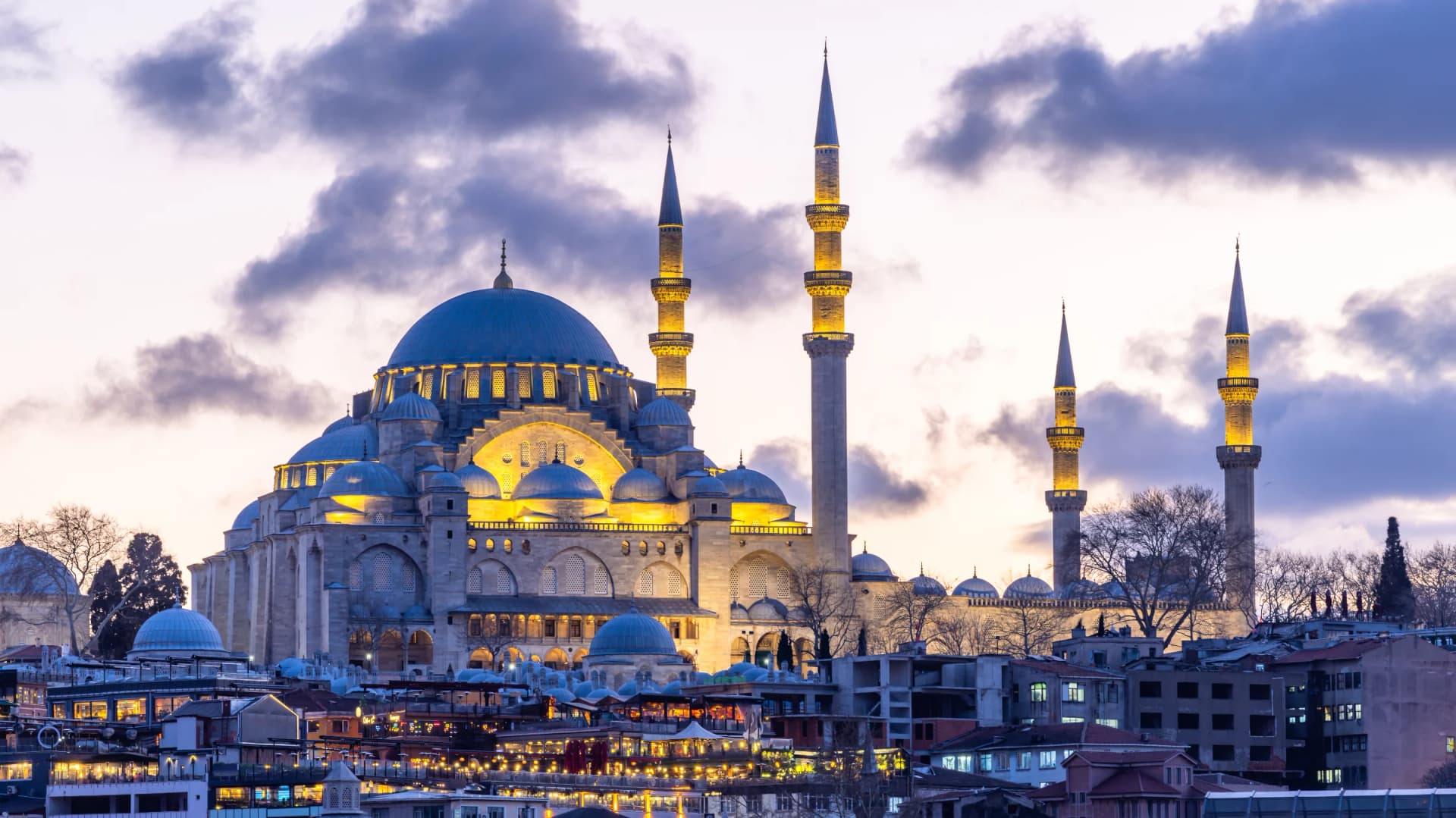
Few cities in the world carry the weight that Istanbul does. This is a place where Europe meets Asia across a narrow strip of water, where the minarets of Ottoman mosques rise alongside Byzantine church domes, and where the smell of simit and roasting chestnuts drifts through streets that have been continuously inhabited for roughly 8,500 years. If you're putting together an Istanbul travel guide for yourself, start by accepting one thing: two or three days won't be enough.
Istanbul sits on both sides of the Bosphorus strait, which means technically you can have breakfast in Europe and dinner in Asia on the same day without much effort. The city is home to roughly 15 million people depending on how you count the greater metropolitan area, making it one of the largest cities in Europe by population. It's dense, loud, layered, and genuinely unlike anywhere else.
The historic peninsula, sometimes called the Old City or Sultanahmet, holds most of the landmark monuments. But the city extends far beyond it. Beyoglu on the northern shore of the Golden Horn is where most of the nightlife, independent restaurants, and contemporary galleries sit. Cross the Galata Bridge and you're in a different Istanbul entirely.
The city rewards slow exploration. Get lost in a neighborhood. Follow the sound of a call to prayer down an alley. Sit in a tea garden for longer than you planned. That's when it starts to make sense.

When to Visit
Istanbul has four distinct seasons, and each one changes the city's character in a meaningful way.
April through early June is generally considered the best window. Temperatures are mild, the tulips bloom across the city's parks (a tradition that goes back to the Ottoman era), and the summer crowds haven't arrived yet. Shoulder season prices apply to most hotels. This is when the city feels most like itself.
September and October offer a similar quality. The worst of the summer heat has passed, the light turns golden in the afternoons, and the Bosphorus is still warm enough to enjoy from a ferry. Many locals consider this the finest time of year.
July and August bring serious heat and serious crowds. The main sights around Sultanahmet get packed by mid-morning, and accommodation prices spike. That said, the evenings are lively, rooftop bars do brisk business, and if you're planning to take day trips to the Princes' Islands or up the Bosphorus by boat, the weather cooperates fully.
Winter, from December through February, is underrated. Rain is common and the occasional snowfall blankets the city in something that looks almost cinematic. Crowds thin out dramatically, prices drop, and the museums and covered bazaars become genuinely pleasant to explore. The Grand Bazaar on a cold January morning, with steam rising from tea glasses, is a different experience from the August version.
Ramadan timing shifts each year, but if your visit overlaps with it, the evenings around Sultanahmet and Eminonu become festive and atmospheric after iftar. Worth planning around if you can.
Where to Stay
Istanbul is large enough that your base makes a real difference. Most first-time visitors gravitate toward one of three areas, and each has a distinct trade-off.
Sultanahmet
Staying here puts you within walking distance of the Hagia Sophia, Topkapi Palace, the Blue Mosque, and the Basilica Cistern. It's the most convenient base for monument-heavy sightseeing. The downside is that it's also the most tourist-oriented neighborhood, and the restaurant options outside your hotel tend toward the mediocre and overpriced. That said, some of Istanbul's most characterful boutique hotels occupy restored Ottoman-era buildings here, and if you're only in town for a few days, the location is hard to argue with.
Beyoglu and Galata
This is where a lot of independent travelers and repeat visitors end up. The area around Istiklal Avenue and the Galata Tower is walkable, full of cafes, bookshops, and bars, and well connected to the rest of the city by tram and metro. Karakoy, the neighborhood right at the base of the Galata Bridge, has developed into one of the city's more interesting food and coffee scenes over the past decade. Staying here means you're in the thick of local daily life rather than a tourist bubble.
Nisantasi and Sisli
If you're after upscale shopping, high-end restaurants, and a neighborhood that feels more residential and less sightseeing-oriented, the area around Nisantasi suits that. It's further from the historic monuments but well served by metro. Many of Istanbul's better international hotels cluster in this part of the city.
Asian Side: Kadikoy and Moda
Staying on the Asian side is less common for first-timers but worth considering if you want to see a side of the city that tourists mostly miss. Kadikoy has a fantastic market, excellent meyhanes (traditional taverns), and a relaxed neighborhood energy. The ferry to the European side takes around 20 minutes and is one of the better ways to experience the Bosphorus anyway.
How to Reach Istanbul
Istanbul is one of the best-connected cities in the world. Direct flights arrive from most major European, Middle Eastern, Asian, and North American hubs. The city has two main airports.
Istanbul Airport (IST), which opened in 2019 on the European side, is the main international hub and one of the busiest airports in the world. It's located roughly 35 to 45 kilometers from the city center, so factor in significant travel time, especially during peak traffic hours. A metro line now connects the airport to the city center, which takes around 40 to 50 minutes depending on your stop and is considerably cheaper than a taxi.
Sabiha Gokcen Airport (SAW) sits on the Asian side of the city and handles a mix of international and budget carrier routes. Transfer time to the European side depends heavily on traffic but expect at least an hour, often more.
By rail, the high-speed train network connects Istanbul with Ankara in roughly four and a half hours. International rail connections exist but are limited and tend to involve long journey times. If you're coming from other Turkish cities, intercity buses are well developed, comfortable, and often surprisingly fast on the highway network.
Cruise ships dock at the Galataport terminal in Karakoy, which puts passengers within easy walking distance of the city center. This is one of the more pleasant ways to arrive.
Visa requirements vary significantly by nationality. Most travelers will want to check current requirements through an official government source before booking, as the e-visa system has been updated multiple times in recent years.
Getting Around Istanbul
Istanbul's public transit system is extensive but takes a little learning. The Istanbulkart, a rechargeable transit card, works across the metro, tram, bus, ferry, and funicular lines. Buy one at any major transit hub and top it up as you go. It's significantly cheaper per ride than buying individual tokens and makes transfers easier.
The tram line T1 is the one you'll use most in the historic areas. It runs from Bagcilar through Sultanahmet, across the Galata Bridge, and up toward Kabatas on the Bosphorus waterfront. It gets very crowded during morning and evening rush hours.
The metro network has expanded considerably and now connects major districts on both the European and Asian sides, though some lines require a transfer at a ferry terminal or bus hub to cross the Bosphorus. A new tunnel crossing under the strait has improved east-west transit meaningfully.
Ferries are both practical and genuinely enjoyable. The main IDO and Sehir Hatlari lines cross between Eminonu, Karakoy, Besiktas, Kadikoy, Uskudar, and other stops. Taking a ferry during the late afternoon, when the light hits the minarets and the seagulls follow the boat, is one of those Istanbul experiences that doesn't cost much and stays with you.
Taxis exist throughout the city but require some caution. Always make sure the meter is running. Ride-hailing apps including BiTaksi and the local version of Uber operate in Istanbul and are generally more transparent on pricing.
Walking works well within neighborhoods but less well between them given the city's hills and scale. Sultanahmet to Beyoglu on foot, crossing the Galata Bridge, takes around 30 minutes at a comfortable pace and is a worthwhile walk at least once.
Top Istanbul Travel Tips
Book the Hagia Sophia and Topkapi Palace visits early in the morning. Both open around 9am and the queues build fast. Topkapi's Harem section requires a separate ticket and sells out on busy days.
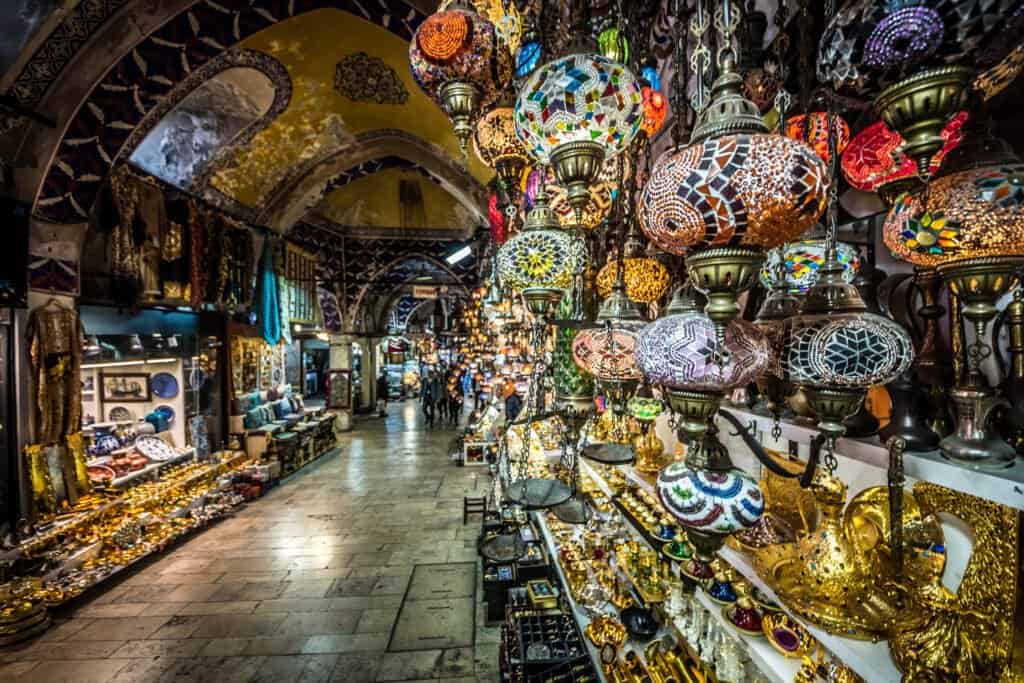
The Grand Bazaar is closed on Sundays. Many first-time visitors don't know this and show up to find the shutters down. The Spice Bazaar in Eminonu keeps different hours and is generally open six days a week.
Haggling is expected in the bazaars but not in regular shops or restaurants. Starting at roughly half the first quoted price is a reasonable opening if you want something.
Tap water in Istanbul is technically treated but locals and most long-term visitors drink bottled water. The tap water is fine for brushing teeth.
Get a local SIM card at the airport rather than relying on roaming. Turkish operators like Turkcell and Vodafone Turkey sell tourist SIMs with data packages. Note that foreign phones registered in Turkey need to be declared within a certain window or they may get blocked from local networks.
Tipping is appreciated but not obligatory. In restaurants, rounding up or leaving around ten percent is common. In taxis, rounding up to the nearest convenient amount is standard.
Shoes come off when entering mosques. Carry a small bag to hold them and dress modestly for the visit. Scarves are often available at the entrance if you don't have one, but bringing your own is easier.
The area around Sultanahmet has a well-documented carpet shop hustle where friendly strangers invite you for tea and then steer you toward a sales pitch. The tea is usually fine. The pressure can be intense. Know what you're walking into.
Typical Costs in Istanbul
Istanbul has become more expensive over the past several years, partly due to inflation in the Turkish lira. That said, for visitors arriving with euros, dollars, or pounds, the city remains relatively affordable compared to Western European capitals.
The local currency is the Turkish lira (TRY). Exchange rates have fluctuated significantly, so check current rates before you travel rather than relying on any figure quoted here.
Street food and casual eating, think a simit from a cart, a lahmacun at a neighborhood spot, or a kebab plate at a lokanta, is genuinely budget territory. Sit-down meals at mid-range restaurants in Beyoglu or Kadikoy land in the mid-range tier. Upscale restaurants along the Bosphorus or in Nisantasi can match Western European prices, particularly for menus with alcohol since alcohol is taxed heavily in Turkey.
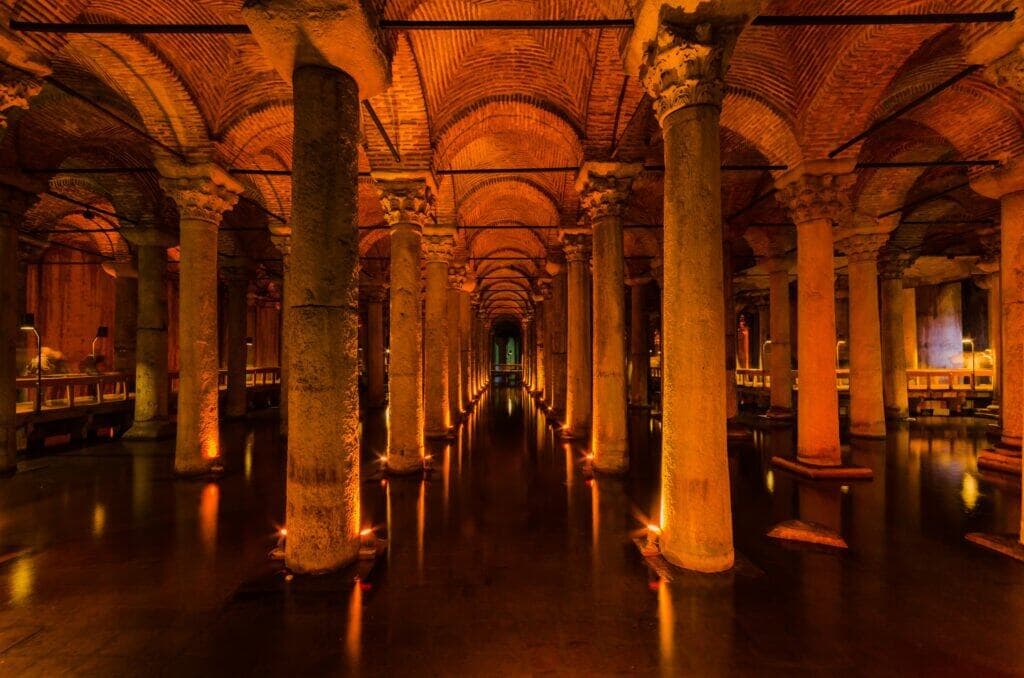
Museum and attraction entry fees are set by the government and can change. The Hagia Sophia mosque is currently free to enter (it was converted back to a mosque in 2020), while Topkapi Palace, the Basilica Cistern, and the Istanbul Archaeology Museums charge separate entry fees. A museum pass covering multiple sites can represent good value if you're planning a few days of serious sightseeing.
Public transit is very affordable. A single Istanbulkart ride covers a lot of ground for a small amount. Accommodation ranges from genuinely budget hostels in Sultanahmet to five-star Bosphorus-view hotels that are among the more expensive rooms in the city.
Must Try Food and Drinks
This Istanbul travel guide would be incomplete without spending real time on the food. Turkish cuisine is one of the great culinary traditions, and Istanbul is where it reaches its most elaborate and varied expression.

Simit: The sesame-crusted bread ring sold from carts across the city. Eat it fresh and warm, ideally with a small glass of cay (tea).
Balik ekmek: A grilled fish sandwich sold from boats moored at the Galata Bridge in Eminonu. Simple, fresh, and one of the city's great street food moments.
Lahmacun: A thin, crisp flatbread topped with spiced minced meat, often called Turkish pizza though that framing undersells it. Squeeze lemon over it and roll it up with fresh herbs.
Iskender kebab: Thinly sliced doner meat served over torn bread, drenched in tomato sauce and browned butter, with yogurt on the side. A Bursa specialty that's widely available across Istanbul.
Meze: Not a single dish but a way of eating. Small plates of things like hummus, ezme (spiced tomato paste), haydari (thick yogurt with herbs), and stuffed vine leaves arrive at the table before the main course in a meyhane. Order widely and eat slowly.
Midye dolma: Mussels stuffed with spiced rice and sold from street vendors, typically by the piece. Popular late at night in Beyoglu. The vendor opens each shell and hands it to you one by one.
Cay: Turkish tea, served in small tulip-shaped glasses, drunk constantly throughout the day. Refusing a glass offered in a shop or home is mildly rude. Accepting one commits you to nothing.
Turkish coffee: Thick, unfiltered, and served with the grounds still in the cup. Drink slowly and stop before you hit the sediment. Often accompanied by a small piece of lokum (Turkish delight).
Kunefe: A hot dessert made from shredded wheat pastry layered with soft unsalted cheese, soaked in syrup, and sometimes topped with crushed pistachios. Best eaten fresh and hot from a specialist shop.
Raki: The anise-flavored spirit that turns milky white when water is added. Traditionally drunk with meze and fish, slowly, over a long evening. The national drink in all but official designation.
FAQ
How many days do you need in Istanbul?
Plan at least four to five days in Istanbul if you want to see more than the headline sights. The guide's own view is that two or three days is not enough, since the city spans the historic peninsula, Beyoglu and the Asian side. Four days lets you cover monuments, the bazaars, a ferry ride and a neighborhood or two without rushing.
Is Istanbul safe for tourists?
Yes, Istanbul is generally considered safe for tourists, and millions visit each year. The usual big-city precautions apply: watch your belongings in crowded areas like trams and bazaars, and be wary of the carpet-shop tea invitation around Sultanahmet. Make sure taxi meters are running, or use a ride-hailing app. Check your government's current travel advice before you go.
Do you need a car in Istanbul?
No, you do not need a car in Istanbul, and driving is best avoided. Traffic is heavy and the city's hills and scale make it tiring. The Istanbulkart covers metro, tram, bus, ferry and funicular, and ferries link Europe and Asia. Use the tram around Sultanahmet and walk within neighborhoods. Taxis and ride-hailing fill the gaps.
Do people speak English in Istanbul?
English is widely understood in the tourist areas, such as Sultanahmet, Beyoglu and hotels, but is less common in local neighborhoods and smaller shops. Learning a few Turkish phrases such as hello and thank you goes a long way. Translation apps help with menus and taxis. Expect more English in the main sightseeing districts than on the Asian side.
Is Istanbul expensive?
Istanbul is relatively affordable for visitors with euros, dollars or pounds, though it has become pricier in recent years. Street food, local lokantas and public transit are very cheap, while upscale Bosphorus and Nisantasi restaurants can match Western European prices. Alcohol is heavily taxed. Exchange rates swing, so check current prices before you budget.
Are the Princes' Islands worth a day trip from Istanbul?
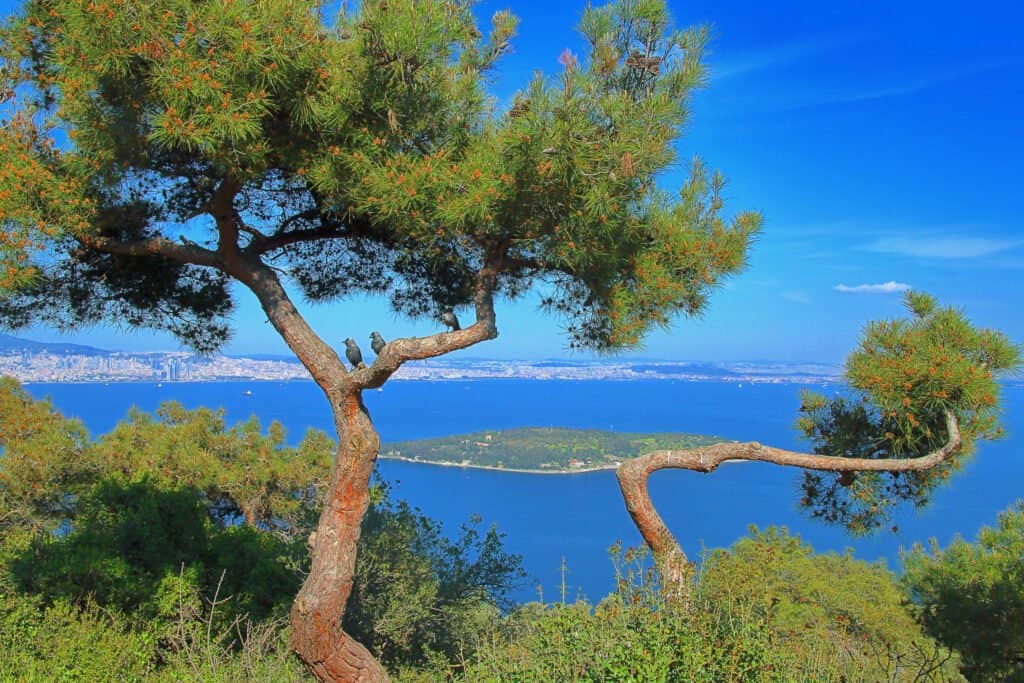
Yes, the Princes' Islands are a worthwhile day trip if you have more than three or four days in Istanbul. They are reached by ferry from the city and make a calm break from the crowds. Summer weather suits the trip best, though spring and early autumn are also pleasant. Confirm current ferry schedules before you go.
Top Places to Visit in Istanbul
View all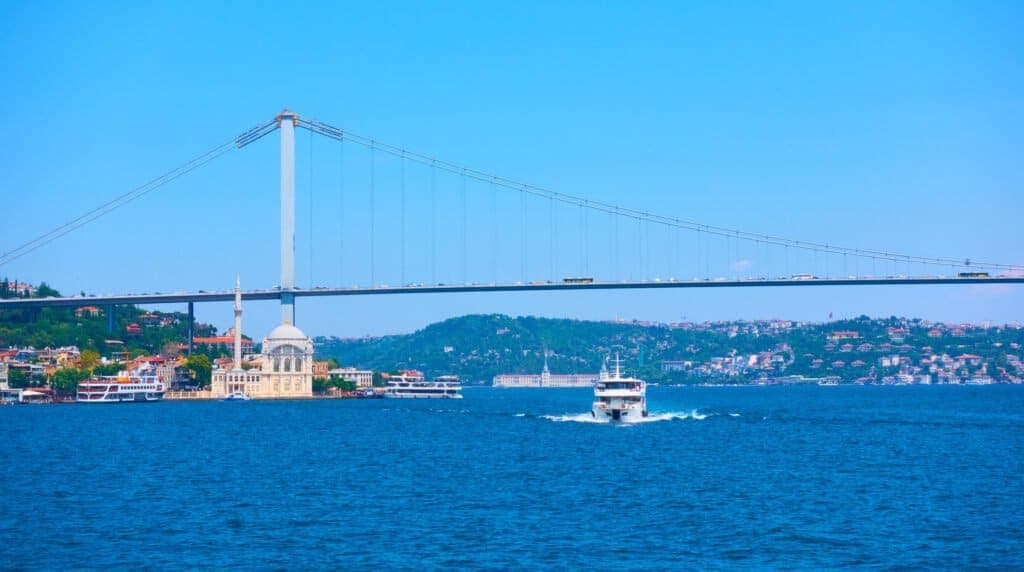 See & Do
 See & Do
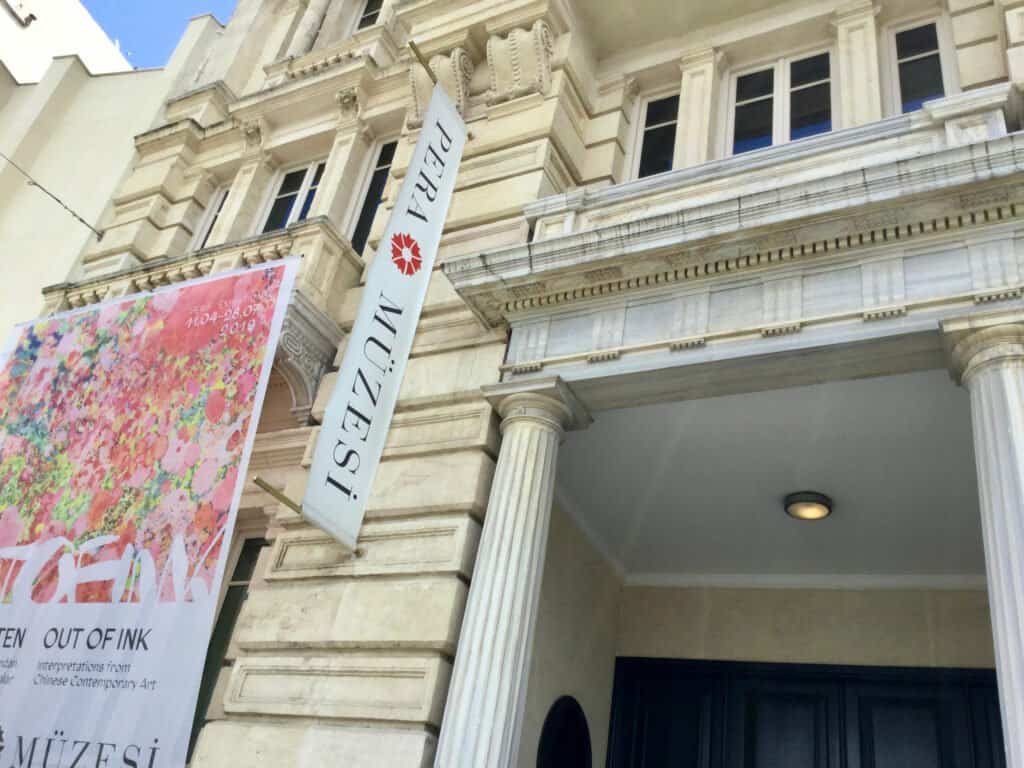
Pera Museum
 See & Do
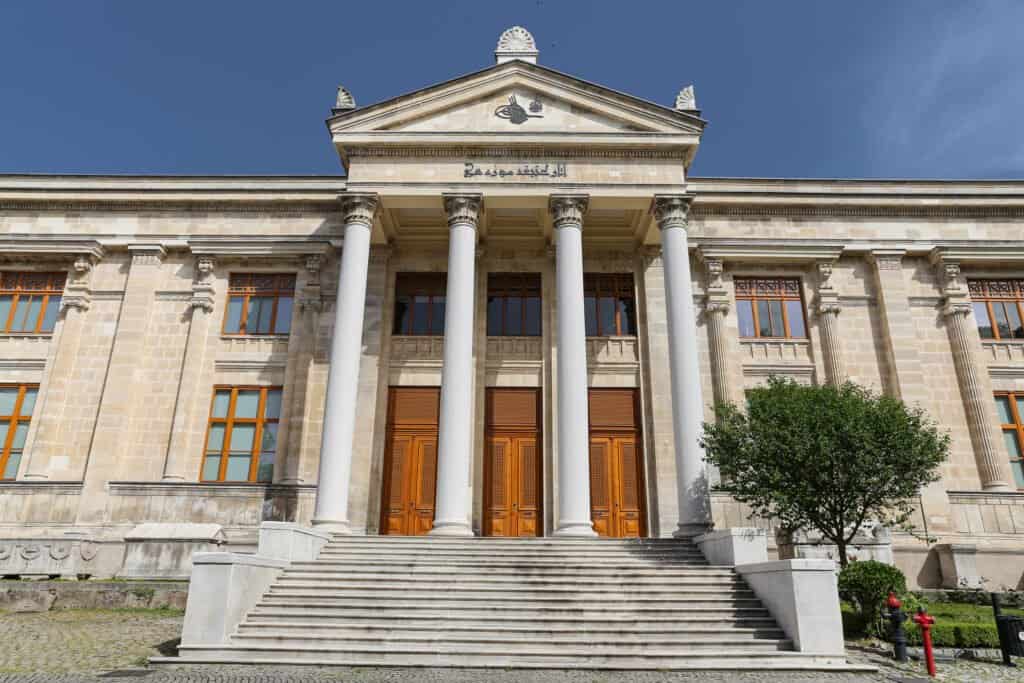
Istanbul Archaeological Museums
 See & Do
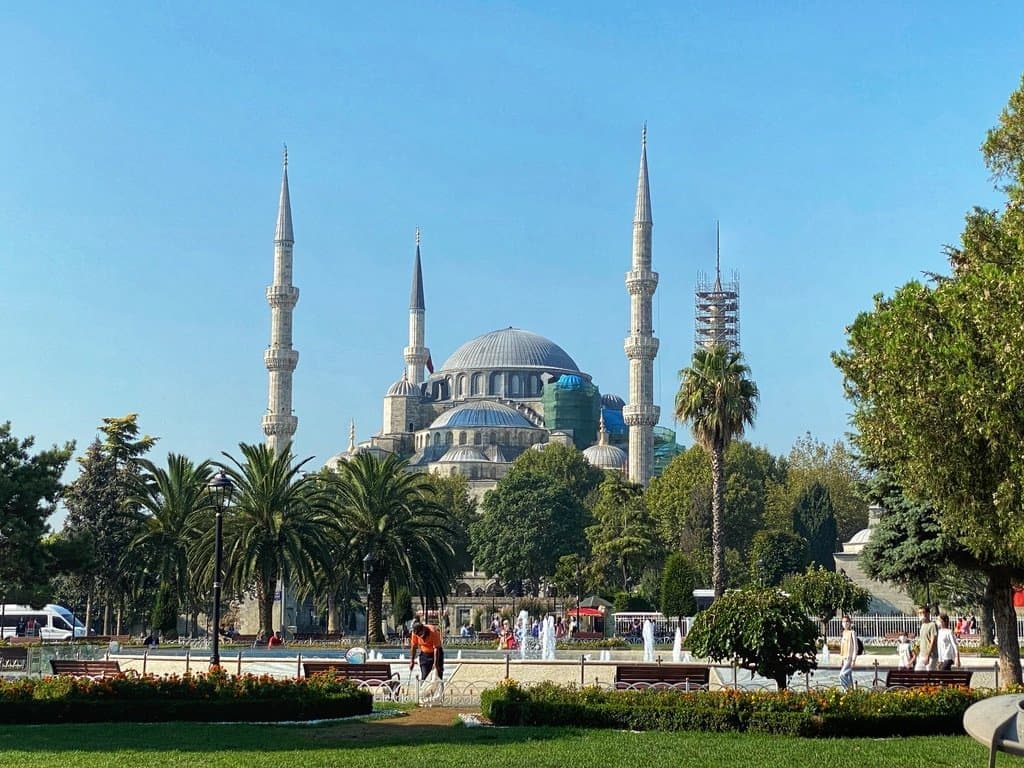
The Blue Mosque
 See & Do
Turkish & Islamic Arts Museum
 See & Do
Grand Bazaar Istanbul
 See & Do
Princes’ Islands
 See & DoBudget · $