
What Makes a Wedding Venue Ideal for a Personalized Celebration
By
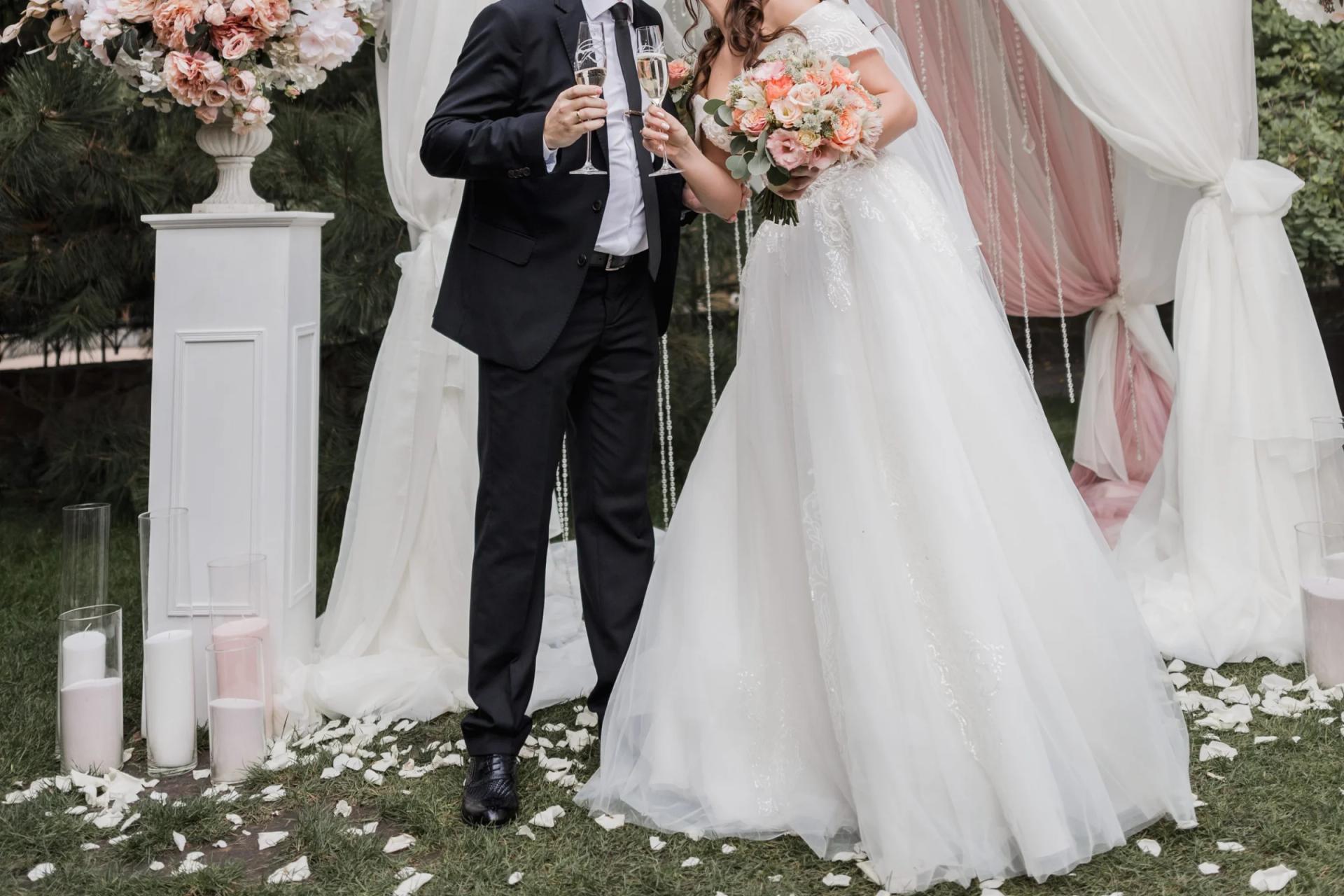
Most couples walk out of a venue tour with one nagging question: could this place ever feel like ours? The stakes are real. According to The Knot Worldwide, 89% of couples who hire wedding professionals book a venue, which makes it the most common hire and usually the first big decision of the whole plan.
Yet most advice stops at capacity, parking, and price. Those basics matter, but they rarely show whether a space will bend to your story or push you into a template. This guide covers the traits that set a personal venue apart, how pricing really works, and what to check when you tour.
The Traits That Make a Wedding Venue Truly Personalizable
The short answer is that a venue suits a personal wedding when it pairs real character with flexible space, generous hours, and rules that leave the big choices to you. Decide early how much say you want in the day's look and feel, since that answer steers how to choose a wedding venue. Prioritize venues that offer these qualities:
A sense of place that guests remember after the toasts
Rooms that scale up or down with your guest count
Exclusive use for most of the day, not a tight four-hour slot
Clear decor, music, and vendor rules you can live with
A private space where the couple can rest and get ready
Character That Does Half the Decorating
Architecture can carry much of the design load. High ceilings and exposed beams in a restored building establish atmosphere on their own, leaving florals and lighting to simply accent it. In Portsmouth, New Hampshire, Hawthorn Wedding & Events operates from a roughly 140-year-old landmark with 30-foot ceilings and timber beams. Couples with a firm design plan and the budget to execute it are better matched to a blank-canvas hall or tent site.
Flexibility in Hours, Layout, and Rules
Rules shape a wedding more quietly than decor does. Ask how many exclusive hours you get, whether candles or hanging installs are allowed, when the music must stop, and whether outside vendors are welcome.
Venue Type | Decor You Add | Vendor Freedom | Hours and Layout | Best For |
|---|---|---|---|---|
Blank-canvas hall or tent site | A lot | High | Often flexible | Couples with a firm design plan |
Historic or character building | Little | Moderate to high | Varies by building | Couples who want instant mood |
All-inclusive estate | Little to moderate | Low to moderate | Set packages | Couples short on time |
Restaurant or hotel ballroom | Moderate | Low | Tight time slots | Simple, efficient days |
Space, Layout, and Atmosphere That Adapt to Your Story
Guest Count and Subdividable Rooms
Maximum capacity says little on its own, so ask how the room changes at 40 guests versus 200. A divisible space keeps a small dinner from feeling empty, then opens up for a packed dance floor. Flow counts as well. Look for a bar that does not block dancing and a quiet lounge for older guests.
Planning a Full Weekend Beyond the Ceremony and Reception
Many couples now plan a full weekend, with a rehearsal dinner, first-look photos, and an after-party, so one site within walking distance of hotels keeps things simple. On the New England coast, ask for an indoor backup that feels like a first choice, since June fog or an October chill can arrive with little warning.
Vendor Freedom Versus Full-Service Support
The plain rental sits at one pole, leaving the caterer, planner, and creative crew entirely to you. Full packages sit opposite, bundling blooms, photos, styling, and a band or DJ through affiliated vendors. Different couples will prefer different models:
Lean toward a rental if you have a clear vision, trusted vendors, or a planner already.
A tight schedule and a wish for a single contact person both point to a full-service package.
Be wary of 'preferred' vendor lists that are really required.
Whatever the model, ask who runs the timeline on the day and how many staff the price includes. Bar setups matter too, since open, cash, and hybrid service each change the final bill.
Reading Pricing and Contracts Without Surprises
Site Fee Versus Per-Guest Pricing
Package pricing often combines a site fee with a per-guest rate. Picture a $200 per-guest package for 150 guests: that part alone comes to $30,000 before the site fee. A flat rental may look cheaper. Once you add separate catering, rentals, staff, and bar, the totals often land closer together than they first seem, and peak-season Saturdays cost the most while Fridays, Sundays, and winter months often run lower.
Hidden Costs and Contract Details to Confirm
Make sure the contract spells out every item below:
Service, staffing, and admin fees, plus who receives them
Tax and gratuity, and which line items are taxed
Rentals, setup, and takedown, including who does the work
Bar hours and the overtime rate for each extra hour
Terms covering cancellations, moved dates, and bad weather
Questions to Ask and a Wedding Venue Checklist for Tours
Booking Questions Worth Asking Each Venue
Comparing venues gets simpler when you put the same set of questions to every one of them:
Availability: Which dates are open, and how many exclusive hours come with each?
Vendors and rules: Can we bring our own team, and which decor is off-limits?
Weather: What is the backup plan, and when do we decide?
Contract: What deposit is required, and what happens to it if we change our date?
Take-Along Checklist for the Walkthrough
Natural light shifts across the day, so tour at the hour your event will actually take place. Keep this wedding venue checklist handy:
Acoustics when the room is full of people talking
Lighting, outlets, and load-in access for your vendors
Step-free entrances, ramps, and accessible restrooms for every guest
Federal ADA accessibility standards set clear requirements for accessible sites and facilities. Use them as a sensible benchmark for guests who rely on mobility aids such as wheelchairs and walkers.
Frequently Asked Questions About Personalized Wedding Venues
How Do Couples Divide Wedding Budgets Among Major Categories?
Because venue and catering shape the guest experience from start to finish, many planners give them a combined 40 to 50 percent of the budget. The rest usually covers photography, attire, music, and flowers. Reserve a 5 to 10 percent buffer, and adjust each category's share to reflect your own priorities.
Which Hidden Fees Can Inflate a Venue Contract After the Initial Quote?
The usual culprits are service charges, gratuity, cake-cutting or corkage fees, overtime, and cleaning or damage deposits. Some sites also bill separately for linens or generator power. To keep the final invoice in line with the approved quote, request an itemized estimate in writing and check which lines carry tax.
What Details Make a Space Feel Distinctive Rather Than Generic to Guests?
Guests tend to remember a strong sense of place, whether it comes from striking architecture, a view, local history, or an unusual layout. Permission for custom lighting, signs, or food stations helps too. A site that lets a couple tell their own story stays with guests far longer than a neutral ballroom.
Next Steps for Your Search
That one decision narrows the field quickly, so first settle how much of the day you want to direct personally. Couples with a firm vision and trusted vendors often lean toward a rental, while busy couples may value one team and one invoice.
From there, shortlist three or four venues and tour each at the hour your event will happen. Carry the same questions every time, ask for itemized pricing in writing, and score each space before you fall for any single one. Pick the venue that wins on paper and still feels like yours in person.