
CaliforniaDestinationsHotels and Lodging
Why Bungalows Still Define a Certain Kind of California Travel
By
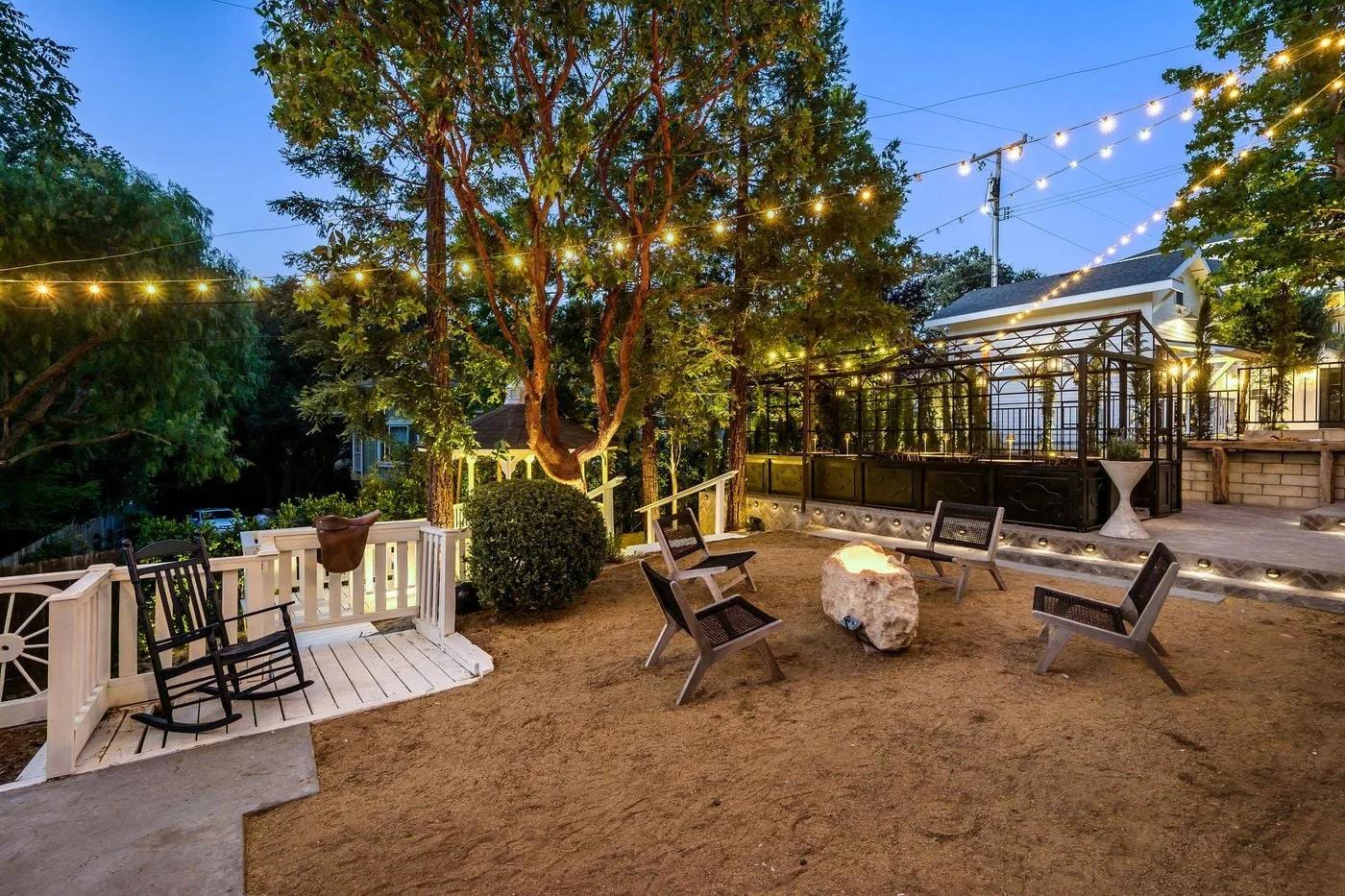
The bungalow is one of California's most durable domestic forms. Low, horizontal, and shaded by generous eaves, it emerged in the early 1900s as a practical response to a mild climate and a growing middle class.
More than a century later, the form has moved from residential neighborhoods into hospitality. In wine-country towns across the state, bungalow stays have become a quieter counterpoint to the full-service hotel.
Craftsman Origins and the Pasadena Lineage
The California bungalow traces back to the Arts and Crafts movement of the late 19th century. Architects Charles and Henry Greene designed influential examples in Pasadena, including the Gamble House, which remains a touchstone of the style.
These homes emphasized exposed wood, natural materials, and strong horizontal lines. The goal was comfort through craftsmanship, not ornament.
Pattern books from firms like Sears and Montgomery Ward later carried the form to small towns across the state. By the 1920s, bungalow courts and cottages were lining streets from San Diego to Sacramento.
Writers of the period described the bungalow as the democratic American home. It was compact, affordable, and designed to blur the line between indoor rooms and the garden just beyond the porch.
The Form Travels Inland
Coastal cities absorbed the first wave of bungalow building. Soon inland valleys adopted it as well, where the deep eaves and cross-ventilated layouts suited long warm summers.
In the Santa Ynez Valley, a few hours north of Los Angeles, bungalows appeared alongside the arrival of the railroad and the growth of agricultural towns. Many were modest single-family homes built for ranch managers and tradespeople.
Today, surviving examples line side streets in towns like Santa Ynez, Los Olivos, and Buellton. Some have been restored as private residences, and others have been adapted into guest accommodations.
Why Bungalows Suit a Warm Inland Climate
A traditional bungalow uses passive design to manage heat. Shaded porches extend the living space outward, while hipped roofs and cross-ventilation keep interiors comfortable without heavy mechanical cooling.
The low profile also matches the landscape. In valleys ringed by oak-dotted hills, a single-story form sits lightly, allowing the terrain and plantings to lead the eye.
Garden courtyards, outdoor fireplaces, and ground-floor terraces have long been part of the vocabulary. These features align closely with how travelers want to spend time in wine country today.
The materials matter as well. Wide board siding, redwood trim, and lime-washed stucco weather the dry season gracefully and keep interiors cool during the hottest afternoons.
What Travelers Find in a Modern Bungalow Stay
A bungalow stay tends to offer more privacy than a conventional room. Guests arrive at a freestanding structure rather than a corridor, and often enter through their own garden path.
Many estates in the Santa Ynez Valley offer freestanding garden cottages set among roses, olive trees, and oak groves. The result is a stay that feels more like a friend's guest house than checking into a hotel.
Interiors are usually scaled for one or two travelers, with a sitting area, a workspace, and sometimes a kitchenette or outdoor dining space. The quiet suits travelers who prefer early mornings and slow evenings.
Breakfast on a shaded terrace, an afternoon spent reading in a garden chair, and a short walk into town for dinner is a fairly common rhythm. The architecture itself encourages that pace.
For small groups traveling together, a cluster of two or three bungalows on the same property can offer the privacy of separate quarters without losing the shared feel of a trip. It is a format that scales well for extended family or close friends.
A Note on Preservation and the Future
Preservation groups across California have worked to document surviving bungalow stock. Catalogs maintained by the National Trust for Historic Preservation include detailed records of early 20th-century examples in Pasadena, Oakland, and the Central Coast.
New construction has also embraced the form. Contemporary bungalow courts and single-cottage stays draw on the same scale and materials while adding modern finishes.
For travelers planning a wine-country weekend, that continuity is part of the appeal. The style has outlasted architectural fashions because it suits the climate, the land, and the way people actually want to spend an afternoon.