
A practical guide to spring travel along the Southern California coast
By
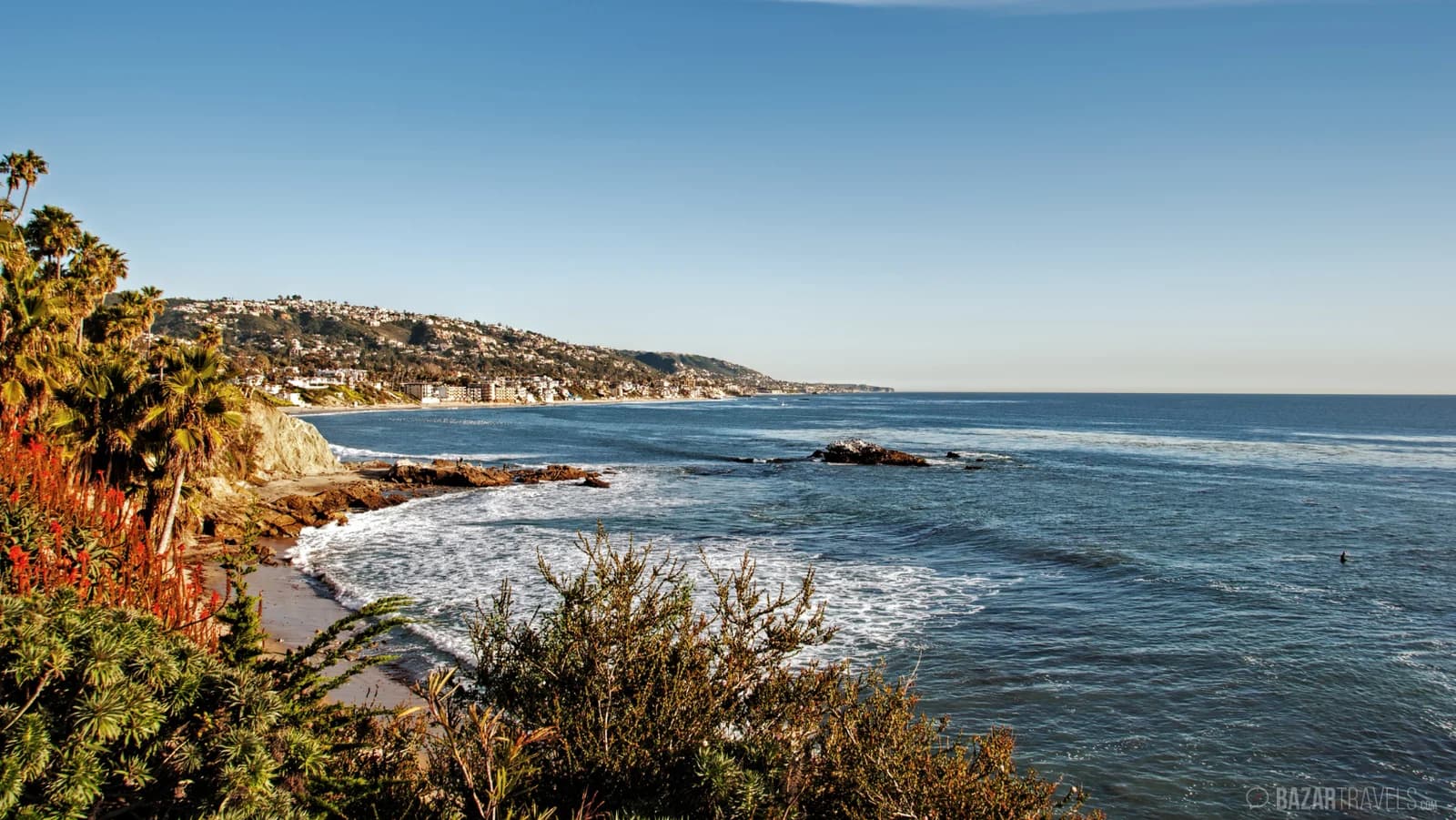
Spring in Southern California arrives quietly, without the fanfare of summer or the crowds of holiday weekends. It is a season of long golden afternoons, wildflower blooms, and cool ocean air that turns even a short weekend into a proper reset. This guide walks through what makes the region rewarding in the shoulder months and how to shape a trip that feels unhurried.
Why spring is a rewarding time to visit
Between March and early June, coastal temperatures hover in a gentle range that suits nearly every kind of traveler. The marine layer often burns off by late morning, leaving bright, comfortable afternoons that stretch until early evening.
Prices and crowds also settle into a more agreeable rhythm before the summer peak. Popular beach towns feel lived-in rather than overrun, and reservations at notable restaurants are easier to secure a day or two out.
Wildflowers add another quiet draw. Depending on winter rainfall, hillsides across San Diego, Orange County, and the Central Coast turn brilliant with California poppies, lupine, and coastal sage, often peaking in late March through April.
How to shape your itinerary
A well-paced Southern California trip usually mixes coast, canyon, and a small dose of city. Choosing one anchor town, then exploring outward in short drives, tends to work better than hopping between distant hubs each night.
For first-time visitors, focusing on a single stretch of coast makes the logistics simple. Travelers who prefer variety often split time between a beach base and a foothill or wine-country stay, giving a natural contrast of landscapes within a week.
Many travelers find that renting a private home along the coast offers more flexibility than a traditional hotel stay, particularly for families or small groups who want kitchen access, laundry, and a quiet spot to end the day. This approach also opens up neighborhoods that hotels rarely serve.
Standout coastal towns to consider
Encinitas and Cardiff blend surf culture with a walkable main street, and are ideal for travelers who want a slower pace with strong food and coffee options. Both towns sit close to bluff trails that catch dramatic spring sunsets.
Farther north, Laguna Beach layers hidden coves, art galleries, and tidepools that come alive during spring low tides. It rewards visitors who slow down, wander the coastal walk, and linger through the blue hour.
Santa Barbara and Carpinteria trade the busier southern beaches for a Mediterranean feel, complete with red-tile rooftops, palm-lined promenades, and a working harbor. Day trips into the Santa Ynez wine country add another layer without long transit times.
Outdoor experiences worth planning around
Whale migration continues into spring, and small-boat operators from San Diego up through Ventura run half-day trips with a good chance of gray whale sightings. Mornings tend to have calmer seas and better visibility.
Coastal hiking hits its peak in these months. Torrey Pines, Crystal Cove, Point Dume, and Gaviota all offer trails that combine bluff views with wildflower stretches, and none require serious mileage to reach a rewarding overlook.
Surf schools also welcome spring travelers, when the water begins to warm and the crowds thin. Beginners often find calmer conditions in the mornings before onshore winds pick up in the afternoon.
Practical tips for a smoother trip
Pack in layers. Coastal mornings and evenings can feel surprisingly cool, and inland stops such as canyons or vineyards may swing warmer by twenty degrees within a short drive.
Book accommodations and rental cars two to four weeks ahead when possible. Spring weekends, particularly around Easter, spring break, and Memorial Day, still fill up quickly even outside the summer window.
Give yourself margin in the schedule. Traffic patterns shift throughout the day, and the region rewards travelers who leave room for an unplanned stop at a farm stand, a tidepool, or a coastal viewpoint that turns out to be the highlight of the day.
Conclusion
Southern California in spring feels like a version of the region designed for actual travelers rather than crowds. With a light itinerary, a coastal base, and a willingness to slow down, the season delivers a mix of scenery, food, and quiet moments that stay with you long after the trip ends.