
Why Travel Makes You Look at Everyday Life Differently
By
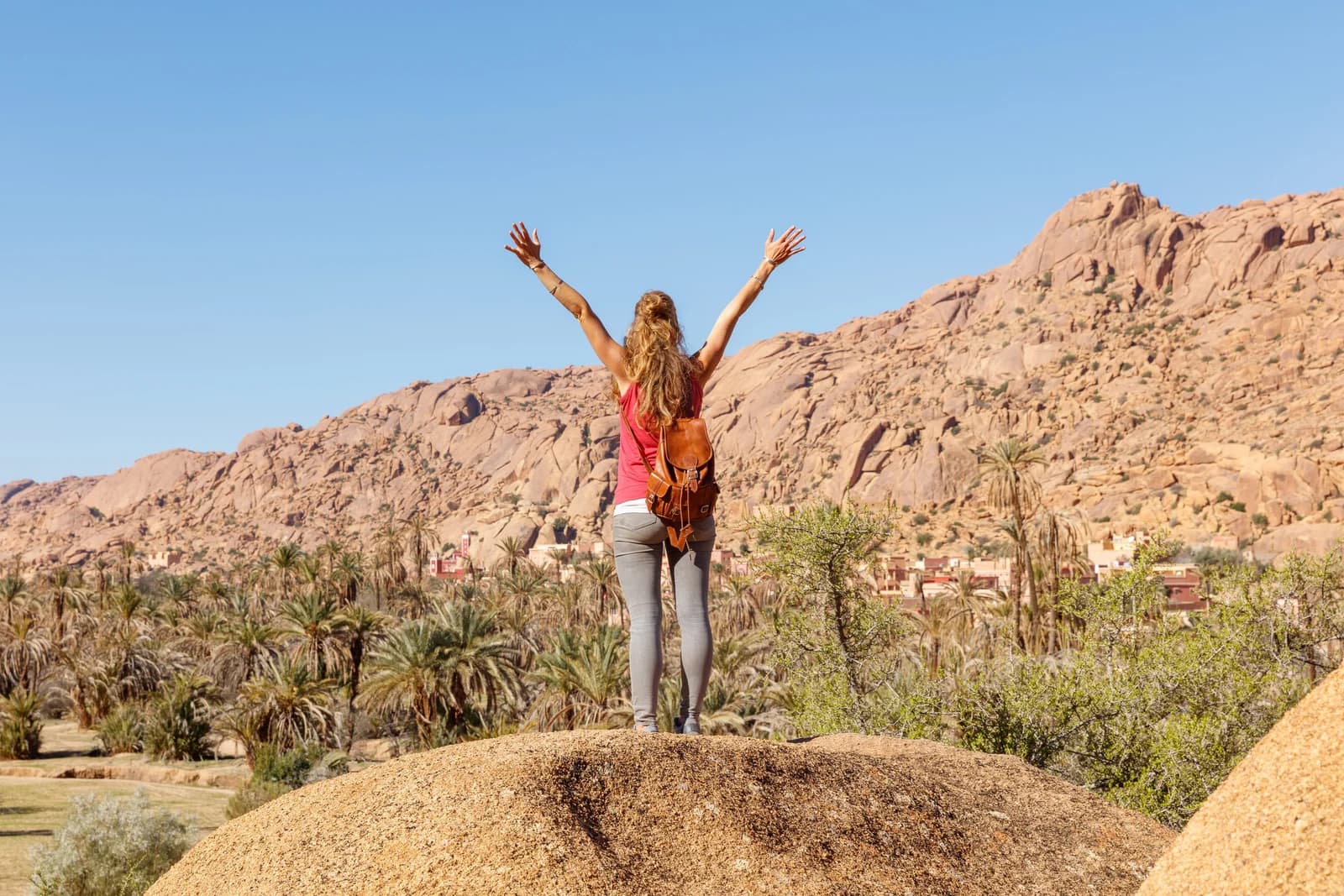
Most people start travelling because they want to see something new. They want to visit famous landmarks, try local food, walk through historic streets, or finally experience places they have seen in photographs for years. Yet after enough trips, many travellers discover that the most valuable thing they bring home is not a souvenir, a photograph, or even a memory of a particular destination.
It is a different perspective.
Travel has a way of quietly changing how we see ordinary life. The longer we spend outside our familiar routines, the more we begin to notice that many things we once considered normal are simply habits shaped by where we grew up. What feels obvious at home may seem unusual somewhere else. Over time, these discoveries can change the way we think about work, relationships, success, community, and even happiness itself.
You Start Questioning What You Thought Was Normal
One of the most fascinating things about travelling is realising how differently people organise everyday life.
A visitor from Northern Europe might be surprised to see restaurants in Spain filling up at 10 p.m. Families in Italy may spend hours together around a dinner table while people in other countries eat quickly between meetings. In some cities, public transport is the centre of daily life, while in others almost everyone depends on a car.
Work culture can feel equally different. Some countries place enormous emphasis on career achievement and long working hours. Others seem to prioritise leisure, family time, or community involvement. A person who has spent years believing that constant productivity is the only path to success may begin to question that assumption after spending time in places where people appear just as fulfilled while living at a slower pace.
Even attitudes toward money can vary dramatically. In some cultures, status is closely connected to possessions and professional achievement. In others, social relationships, free time, and personal wellbeing carry more importance than material wealth.
Travel exposes these differences not through statistics or articles but through direct observation. You see people living their lives in ways that challenge your assumptions, and that experience often leaves a deeper impression than any guidebook ever could.
Travel Teaches You That There Is No Single Right Way to Live
Many people grow up believing there is a standard life path that everyone should follow.
Study hard. Find a career. Buy a home. Build stability. Repeat.
Yet travel reveals countless alternative versions of success.
In one city, success may mean launching a business and building wealth. In another, it may mean having enough time to enjoy family meals every day. Some people choose fast-paced urban careers, while others prioritise flexibility, creativity, or a closer connection to nature.
This diversity becomes especially visible when spending time in destinations popular with expats, remote workers, and long-term travellers. Many have intentionally redesigned their lives around values that differ from those of their home countries. Some prioritise freedom over income. Others seek community instead of career advancement. Many simply want more control over how they spend their time.
The lesson is not that one approach is better than another. Rather, travel demonstrates that there are many legitimate ways to build a meaningful life. Once you see enough examples, it becomes harder to believe that your own culture's definition of success is the only valid one.
Small Details Become More Interesting
Another unexpected effect of travel is that your attention gradually shifts away from major attractions and toward ordinary moments.
When people first visit a new destination, they often focus on famous landmarks. Over time, however, many travellers become more interested in local markets, neighbourhood cafés, public parks, and daily routines.
Watching a city wake up in the morning can become more memorable than visiting a museum. Sitting in a small café and observing everyday life may reveal more about a culture than a guided tour ever could.
Travel teaches observation.
You start noticing how people interact with strangers. You notice whether public spaces encourage social connection. You pay attention to how families spend time together and how communities use their neighbourhoods. Small details that once seemed insignificant suddenly become fascinating because they offer clues about how people experience daily life.
These observations often stay with travellers long after the trip ends. They develop a deeper appreciation for the ordinary aspects of life that are easy to overlook when everything feels familiar.
You Return Home Seeing Things Differently
One of the most interesting parts of travel often happens after you return.
The streets you walk every day may suddenly feel different. Certain habits begin to seem unnecessary. Priorities that once felt obvious become open questions.
Perhaps you spent time in a country where people placed greater emphasis on community. You may start noticing how disconnected your own neighbourhood feels. Perhaps you experienced a culture that encouraged a healthier work-life balance and begin questioning your relationship with work. Maybe you realise that many purchases you once considered important no longer seem necessary.
Travel does not always produce dramatic transformations. More often, it creates subtle shifts in awareness that accumulate over time.
Many travellers discover that they become less interested in collecting possessions and more interested in collecting experiences. Others become more open-minded, more adaptable, or more curious about perspectives different from their own.
Publications such as The City Theory expat magazine explore how cities, travel, relocation, and cultural experiences influence the way people live and see the world. These conversations reflect a growing recognition that travel is not only about movement between places but also about personal perspective.
The destination eventually ends. The change in perspective often remains.
Travel Is Ultimately About People
Ask experienced travellers about their most memorable experiences and many will not immediately mention famous landmarks.
Instead, they often talk about people.
They remember conversations with strangers on trains. They remember invitations to family dinners. They remember local shop owners, fellow travellers, neighbours, guides, and unexpected friendships.
Human interactions create context. They transform a destination from a collection of attractions into a living place filled with stories.
This is especially true during longer journeys. The more time you spend somewhere, the more you begin to understand that a city is not defined by its monuments or tourist sites. It is defined by the people who live there and the culture they create together.
Travel encourages empathy because it repeatedly places us in unfamiliar situations. We become guests in environments shaped by different histories, values, and traditions. The experience often reminds us that people everywhere share many of the same hopes, worries, ambitions, and challenges, even when their daily lives look very different from our own.
In a world that often feels increasingly divided, that reminder may be one of travel's most valuable gifts.
Conclusion
People often travel to discover new places, but the most meaningful discoveries frequently happen within themselves.
The more cultures we encounter, the more we realise that many aspects of life we once considered fixed are actually flexible. Different societies organise work, family, community, and daily routines in remarkably different ways. Observing those differences encourages reflection on our own choices and assumptions.
Travel broadens perspective not because it provides answers but because it introduces new possibilities. It reminds us that there are countless ways to build a life, define success, and find meaning.
In the end, travel does not simply show us new places.
It changes the way we see familiar ones.