
Xinjiang in Autumn: The Best Places to Visit and What to Expect
ByPPandaPassport7 min read
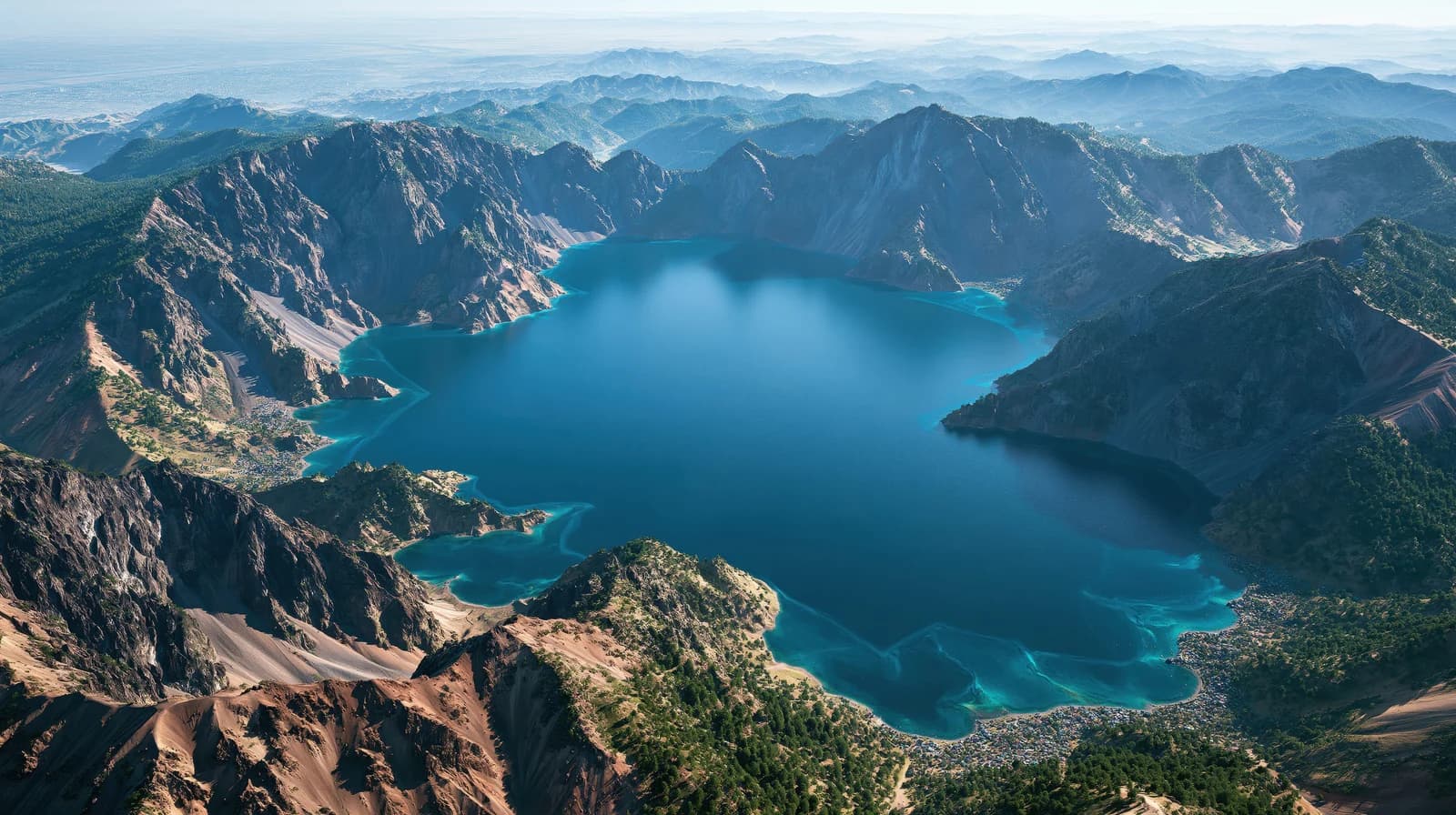
Xinjiang in Autumn: The Best Places to Visit and What to Expect
Autumn is the season most local guides in Xinjiang quietly recommend over any other. The summer crowds have thinned, the heat has broken, and the region's poplar forests, vineyards, and high-altitude lakes turn shades of gold and copper that photographs rarely do justice to. For travelers weighing when to visit this corner of northwest China, September through late October is worth serious consideration.
Xinjiang's climate swings hard between seasons. Summers in the Turpan Basin can push past 40°C, and winters in the north bring deep snow and closed mountain roads. Autumn sits in the gap between the two extremes. Daytime temperatures are mild across most of the region, the notorious summer haze clears, and the harvest season means fresh grapes, melons, and dried fruit are everywhere at a fraction of peak-season prices.
There's also a practical upside: domestic tourism in Xinjiang is heavily concentrated in July and August, when Chinese school holidays overlap with the best weather for the northern lakes. Once September arrives, hotel rates drop, popular sites are far less congested, and it becomes possible to actually stand at a viewpoint without fighting a crowd for space.
Kanas Lake and the Altay Region
Kanas, tucked into the far north near the borders with Russia, Kazakhstan, and Mongolia, is the destination most associated with Xinjiang's autumn color. The lake itself shifts between deep blue and jade green depending on the light, and the birch and larch forests around it turn a bright yellow by late September. The Kanas Lake Scenic Area includes several viewing platforms; Duck Bay and the Fish-Watching Pavilion are the two most worth the climb, and both are best reached early in the morning before the tour buses arrive.
The nearby Hemu Village, home to a Tuvan and Kazakh community, is one of the few places in the region where autumn tourism hasn't fully caught up with the scenery. Wooden cabins, grazing horses, and larch-covered hillsides make it a favorite for photographers, and it's noticeably quieter than Kanas itself. Travelers who want to combine Hemu and Kanas in one trip can also explore Northern Xinjiang tours designed around the region's major landscapes. Wooden cabins, grazing horses, and larch-covered hillsides make it a favorite for photographers, and it's noticeably quieter than Kanas itself. Note that Kanas sits at altitude and can see its first snow as early as mid-October, so late September tends to be the sweet spot for full color without winter conditions setting in.
Turpan and Its Vineyards
Turpan, one of the hottest and lowest-lying places in China during summer, becomes far more comfortable to explore once autumn sets in. This is grape harvest season, and the Grape Valley just outside the city fills with drying racks and market stalls selling raisins and fresh fruit straight from the vine. It's also a good base for visiting the ancient ruins of Jiaohe and Gaochang, both easier to explore on foot without the summer heat working against you.
The Karez irrigation system, an underground network of wells and channels that has watered this desert region for centuries, is worth an hour of anyone's itinerary here. It's a low-key stop compared to the ruins, but it explains how a city surrounded by desert has supported agriculture for over a thousand years.
Tianshan Tianchi (Heaven Lake)
A shorter trip from Urumqi, Tianchi is a glacial lake set beneath the snow-capped peaks of the Tianshan range. Autumn brings a mix of alpine meadow grasses turning brown and gold against the still-white peaks behind them, and the crowds that pack the boardwalks in summer are largely gone by late September. It's an easier day trip than Kanas for travelers with limited time, and a reasonable stop for anyone flying in and out of Urumqi.
Kashgar and the Old City
Kashgar operates on a different rhythm than the rest of the region, and autumn doesn't change the city as dramatically as it does the northern lakes. What it does offer is more comfortable walking weather through the Old City's narrow lanes, and the Sunday livestock market outside town remains one of the more genuine glimpses of daily life in the region, regardless of season. The Id Kah Mosque and the surrounding bazaars are worth a full day on their own, and the covered market streets near the mosque are a good place to see local craftwork, from copper teapots to hand-knotted rugs, still made and sold much as they have been for generations.
Autumn is also a reasonable time to base a few days in Kashgar for day trips out to Karakul Lake along the Karakoram Highway, though the route climbs to over 3,000 meters and the first snow can arrive on the high passes before it reaches the city itself. Anyone heading out that way in October should check road conditions the day before rather than assume the route is clear.
Getting Around in Autumn
Urumqi is the practical hub for most itineraries, with flights connecting to Kashgar, Altay, and other regional airports. Flying between the major stops is usually more efficient than driving, given how large Xinjiang is, though the train network has expanded significantly in recent years and now links Urumqi to Kashgar and several northern cities in reasonable comfort.
For the Kanas and Hemu area specifically, most visitors fly into Altay and arrange a car or minibus for the final stretch, since the scenic area itself is a fair distance from the airport. Road conditions in the north are generally good through September, but grow less predictable once the weather turns in October, and some routes reduce hours or close outright once the first heavy snow hits. Booking transport a few days in advance is worth it during the peak color window, when demand for cars and drivers in Altay picks up noticeably.
Autumn Food Worth Seeking Out
Food changes with the season here as much as the scenery does. Grape harvest in Turpan means fresh table grapes and raisins sold everywhere, often straight off drying racks, alongside melons that are noticeably sweeter than what's available earlier in the year. Markets across the region also start carrying more dried fruit and nuts as autumn progresses, a shift that lines up with the cooler weather and the start of the harvest season generally.
On the savory side, lamb dishes suit the cooler temperatures well. Dapanji, a spiced chicken and potato stew, and various lamb skewer and hand-pulled noodle combinations are common across the region year-round, but taste better with a bit of a chill in the air than they do in the middle of summer heat. Kashgar's night market food stalls are a reliable place to try a range of these dishes in one sitting without committing to a full sit-down meal.
Timing Your Trip Within Autumn
Early September: Still warm across most of the region, with color only beginning to turn in the far north. A reasonable window for Turpan, Tianchi, and Kashgar, but early for Kanas.
Mid to late September: The peak window for Kanas and Hemu, with birch and larch forests turning at their brightest. This is also the busiest stretch of autumn for northern guesthouses, so it's worth booking ahead.
October: Color holds in Turpan and Kashgar longer than in the north, where the first snow can arrive by mid-month. Good for travelers prioritizing the desert towns and Old City over the alpine lakes, or those comfortable with a chance of early snow at altitude.
What to Expect: Practical Notes
Weather: Days are generally mild, but temperature drops fast after sunset, especially in the north. Layers matter more than any single heavy jacket.
Timing the color: Peak foliage in Kanas and the Altay region typically falls in the last two weeks of September. Turpan and Kashgar don't have the same dramatic color shift, so timing matters less there.
Travel documents: Foreign visitors should check current visa and permit requirements well in advance, since some border-adjacent areas in the north have periodic access restrictions.
Distances: Xinjiang is enormous. Kanas to Kashgar alone covers well over a thousand kilometers. Most itineraries pick one region — northern lakes, central desert towns, or the far west — rather than attempting all three in a single trip.
For travelers who want more time to explore the northern landscapes without rushing between destinations, a 12-day Xinjiang itinerary can provide a more comfortable way to combine Kanas, Hemu, Sayram Lake and other highlights.
Booking ahead: While autumn is quieter than summer, popular guesthouses in Hemu and Kanas still fill up on weekends, particularly during the peak color window in late September.
Final Thoughts
Xinjiang doesn't get the same autumn attention as destinations further east, which is part of its appeal. The scenery holds up against anywhere in China during this window, and the lighter crowds make it easier to actually take it in. Anyone planning a trip should build in enough time to slow down between stops. If you're visiting Xinjiang for the first time, it's also worth reviewing a Xinjiang travel guide before booking, particularly for information about routes, travel times, seasonal conditions and planning different regions into one trip.