
How to Spend 3 Days in Varanasi Without Turning the City Into a Checklist
By
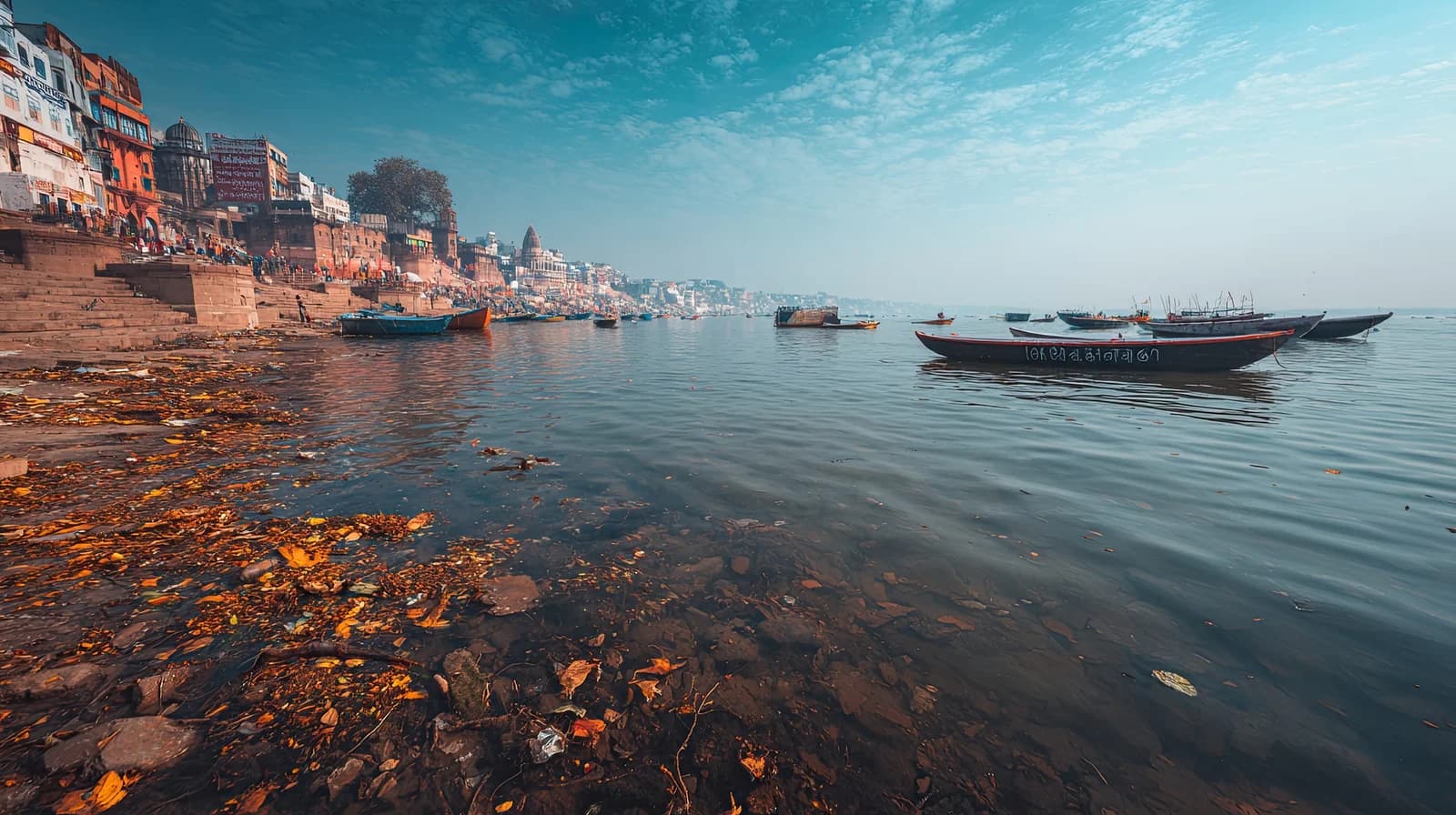
Varanasi is one of those cities that becomes less understandable when you try to see too much of it. On a map, the distances look manageable. In reality, the old city is pedestrian, the ghats reward slow observation, temple access can change, traffic controls reshape routes, and the Ganges has its own timetable.
Three days is a very good length for a first visit because it gives you the essential Varanasi experiences without forcing every hour into a sightseeing list. You can see the river at sunrise, walk the old city, experience the evening Ganga Aarti, spend time in Sarnath and still leave room for food, craft or simply sitting by the water.
Do not make your arrival day unnecessarily ambitious. Check in, take a short break and begin in the late afternoon when the city is moving toward its evening rhythm.
A good first walk runs through selected old-city and market lanes rather than trying to 'cover' every ghat. The northern bazaar area gives you glimpses of food streets, metalware shops, flowers, small shrines and the dense commercial life behind the riverfront. The lanes can be crowded, uneven and confusing, which is exactly why walking them with context is more rewarding than simply navigating from one photo stop to another.
End the first evening with the Ganga Aarti
Dashashwamedh Ghat is the best-known setting for the evening Ganga Aarti. Priests perform a coordinated ritual with lamps, incense and chants while the riverfront fills with pilgrims and visitors.
There is no single best way to watch it. Standing on the ghat gives you atmosphere but also the densest crowds. Reserved seating can be more comfortable. A boat perspective can be beautiful when river conditions allow, but it is not automatically the best choice for everyone. Pick the viewpoint according to mobility, crowd tolerance and the conditions on the day.
After the ceremony, keep dinner simple. Day two starts early.
Day 2: Sunrise on the Ganges, sacred Varanasi and Sarnath
For most first-time visitors, sunrise on the Ganges is the experience worth waking up for. The ghats are quieter, the light is softer and the river gives you a sense of the city's scale that is difficult to get from the lanes.
A private boat or carefully chosen shared boat can take you along a section of the riverfront while morning rituals unfold onshore. Boat operations are always subject to river and weather conditions, so treat the river as an experience to be confirmed rather than an unchangeable promise.
Walk a little after the boat
The best mornings combine water and walking. After the boat, continue through a short section of the ghats or old city while the streets are still comparatively calm. If Kashi Vishwanath Temple is important to you, plan it with realistic expectations: vehicle access stops well before the temple area and security or crowd procedures can change.
You do not need to visit every temple in Varanasi to understand the city. For many international travellers, one or two well-explained sacred sites are more meaningful than a rushed sequence of five.
Return for breakfast and a break
This pause matters. A sunrise start followed by continuous sightseeing until evening sounds efficient on paper and feels exhausting in practice. Go back to the hotel, eat breakfast, rest and start again later.
Spend the afternoon in Sarnath
Sarnath, just outside the dense centre of Varanasi, changes the mood completely. It is associated with the place where the Buddha delivered his first sermon after enlightenment. The archaeological area, Dhamek Stupa, monastic sites and museum context make it much more than a quick photo stop.
Allow enough time to understand why Sarnath matters. This is one of the places where a knowledgeable guide adds far more than a longer list of monuments.
Day 3: Choose depth over more sightseeing
By the third day you have already seen the city's two strongest visual experiences: the river at sunrise and the Aarti at night. Instead of adding another packed circuit, use the day to understand a part of Banaras that matches your interests.
Option 1: Banarasi silk and working craft
Varanasi's silk tradition is worth seeing when the visit is genuinely about weaving, design and the people behind the craft. Look for an experience where you can see a loom and understand how a textile is made rather than being taken directly into a compulsory shopping stop. Buying should remain optional.
Option 2: Food in small doses
Kachori-sabzi, tamatar chaat, lassi, sweets and Banarasi paan can easily become a whole itinerary, but they are better enjoyed in smaller portions. A short food walk linked with neighbourhood stories gives the dishes more meaning than simply chasing a list of famous shops.
Option 3: Southern ghats, music or a slower river hour
If you prefer atmosphere to shopping, spend time around the quieter southern side of the city, seek out a classical music experience, or simply return to the river without an agenda. Varanasi often makes its strongest impression when nothing in particular is scheduled for the next sixty minutes.
Practical planning matters more here than in many Indian cities
Varanasi is not difficult, but it rewards realistic logistics. Cars cannot take you into much of the old city. Temple areas involve walking and security. Traffic diversions can appear around major events. River operations may be suspended when conditions require it. During festivals, the city can become dramatically more crowded.
If you want current, locally checked information rather than a fixed itinerary copied from year to year, the Varanasi-based team at Tour Varanasi publishes practical guidance on river conditions, access, sightseeing pace and private planning. Even if you organise much of the trip independently, local operational information is useful in a city where the route that worked perfectly last season may need adjusting today.
Where to stay
Your hotel choice should reflect the kind of trip you want. A riverfront heritage hotel offers atmosphere and immediate access to the ghats, but some properties require boat or pedestrian access and are less convenient if you want frequent vehicle use. Hotels in the Cantonment or wider city areas are easier for road transfers and can work better for travellers who prioritise comfort, elevators and straightforward pick-ups.
There is no universally 'best' area. Decide whether you value river atmosphere or transport convenience more, then choose accordingly.
When to visit
The cooler months are generally the easiest for walking and early mornings, while warmer periods demand a slower pace and more breaks. Festival dates can be extraordinary but also transform crowd levels, hotel rates and access. If a major festival is the reason for your trip, book early and expect the city to work differently from an ordinary week.
What first-time visitors often get wrong
Trying to combine sunrise, temples, Sarnath, markets and the evening Aarti into one day.
Assuming a car can take you directly to every old-city landmark.
Treating the cremation ghats as a spectacle rather than active ritual spaces.
Booking a river experience without allowing for weather or official restrictions.
Choosing a hotel only by star rating and not by its actual access.
Filling every free hour instead of leaving time to absorb the city.
The best three-day Varanasi trip is not the busiest one
The city does not need help being intense. It already has bells, boats, pilgrims, smoke, markets, traffic, ceremonies, silk, tea, conversations and centuries of history competing for your attention.
Give it three days and resist the urge to turn those days into a race. Start with the river. Walk the old city. Watch the Aarti. Understand Sarnath. Then spend your final day following whichever part of Banaras has started to interest you most.
That is usually when Varanasi stops feeling like a list of famous sights and starts feeling like a place.
Optional image suggestions for the editor
Sunrise view from a boat on the Ganges.
Old-city lane or northern bazaar scene.
Evening Ganga Aarti from a respectful distance.
Dhamek Stupa or another Sarnath archaeological view.
A Banarasi loom, food stop or quieter southern ghat for Day 3.