
8 Essential Tips for Visiting the Colosseum
By
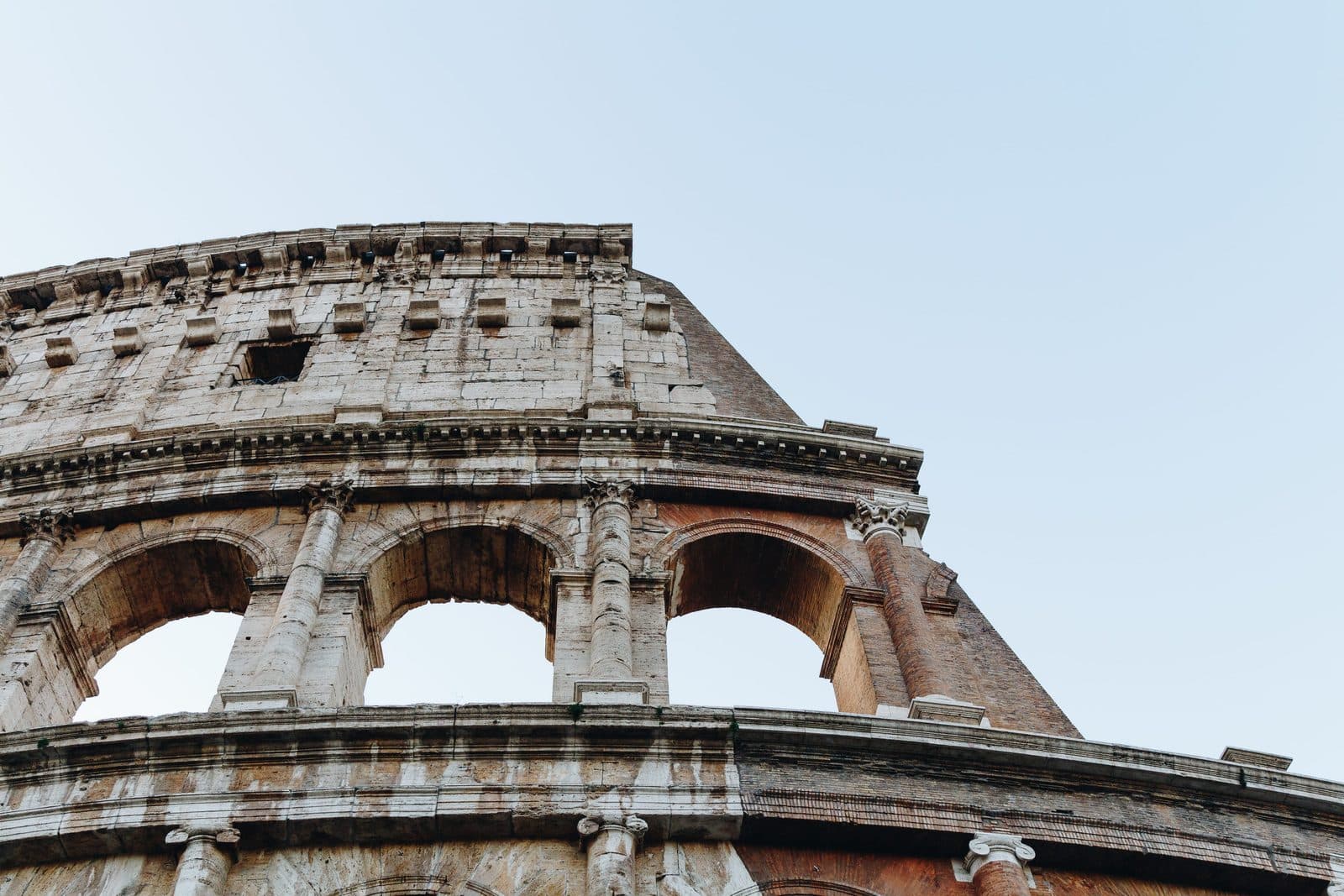
Roughly six million people pass through the Colosseum's arches every year, which makes it one of the most visited monuments on earth and, on a bad day, one of the most frustrating to deal with if you show up unprepared. Lines can stretch for more than an hour in peak summer months, and the layout inside isn't always intuitive if you're trying to see the arena floor, the upper tiers, and the underground chambers in one visit. A little planning ahead of time turns a stressful morning into one of the best parts of a Rome trip.
Book Tickets Online Before You Go
Walk-up ticket lines at the Colosseum can rival the lines for security at an airport, especially between May and September. Buying tickets in advance through the official Parco Archeologico del Colosseo website or an authorized reseller lets you skip the main ticket queue entirely. Tickets are timed-entry, so you'll select a specific window to arrive, which also helps you plan the rest of your day around the visit.
Keep in mind that tickets to the Colosseum automatically include access to the Roman Forum and Palatine Hill, and the combined ticket is valid for 24 hours from first entry. That means you can visit the Forum first thing in the morning, then head to the Colosseum later, or vice versa, without buying a second ticket.
Choose the Right Type of Ticket for What You Want to See
Standard tickets get you into the main level and the second tier, where most of the photo-worthy views of the arena are. If you want to stand on the arena floor itself or descend into the underground passages where gladiators and animals once waited before fights, you'll need a ticket that specifically includes those areas. These upgraded tickets cost more and sell out faster, sometimes weeks in advance during high season.
The underground section, known as the hypogeum, is genuinely worth the extra cost if the goal is understanding how the building actually functioned. Seeing the trap doors, pulley systems, and animal cages reconstructed below the arena gives a much clearer sense of the spectacle than the upper levels alone.
Go Early or Go Late
The Colosseum opens as early as 8:30am depending on the season, and the first entry slots of the day are consistently the least crowded. Arriving within the first hour means shorter lines even for ticket holders, cooler temperatures in summer, and better light for photos before the midday sun turns the stone a washed-out white.
If mornings aren't realistic, the last entry slots before closing tend to thin out too, since most tour groups and day-trippers have already moved on. Closing times shift throughout the year, sometimes as early as 4:30pm in winter and as late as 7:15pm in summer, so check the current schedule before planning around a late visit.
Consider Booking a Guided Experience
A lot of what makes the Colosseum fascinating isn't visible just by walking through it. Without context, it's a very large, very old stone structure. With a guide, it becomes the site of specific events: which emperor commissioned it, how the velarium shade system worked, what kinds of spectacles filled a typical day of games. Colosseum tours Rome operators offer range widely, from small group walks focused purely on the amphitheater to longer combination tours that include the Forum and Palatine Hill, so it's worth matching the tour length to how much ancient history actually interests you.
Guided tours often come with skip-the-line access bundled in, which can be worth the added cost on its own during busy months. Just confirm what's included before booking, since some tours cover only the exterior and ground level without the arena floor or underground access.
Dress for a Lot of Walking on Uneven Stone
The paths through the Colosseum, Forum, and Palatine Hill involve ancient stone, gravel, and steps with no handrails in many sections. Flat, closed-toe shoes make a real difference here, and sandals are a poor choice given how uneven the ground gets. There's minimal shade across the Forum and Palatine Hill grounds, so a hat and sunscreen matter more than people expect, particularly between June and August.
Pack Water and Snacks, But Know the Rules
Large bags, backpacks over a certain size, and bulky items aren't allowed inside and will need to be left at a small cloakroom near the entrance. A refillable water bottle is a good idea, since Rome has public drinking fountains called nasoni scattered around the city, including near the Colosseum, where you can top off for free. Food isn't permitted inside the monument itself, so plan to eat beforehand or save it for after.
Visit the Nearby Arch of Constantine and Palatine Hill in the Same Trip
Since the combined ticket already includes the Roman Forum and Palatine Hill, it makes sense to treat the whole area as one extended visit rather than three separate stops. The Arch of Constantine sits just outside the Colosseum's southwest side and takes only a few minutes to see, but it's an easy detail to miss if you're rushing straight to the next item on a list. Palatine Hill, meanwhile, offers some of the best panoramic views over the Forum and is far less crowded than the Colosseum itself, making it a good place to slow down after the busier stops.
The real payoff of visiting the Colosseum isn't just standing inside it, but understanding what you're looking at once you're there. Spend a little time before the trip deciding whether you want the full underground experience, a guide's explanation, or simply an uncrowded morning to take it in at your own pace, and build the ticket and schedule around that choice rather than the other way around.