
DestinationsVatican CityTravel Tips
8 Essential Tips for Visiting the Vatican
By
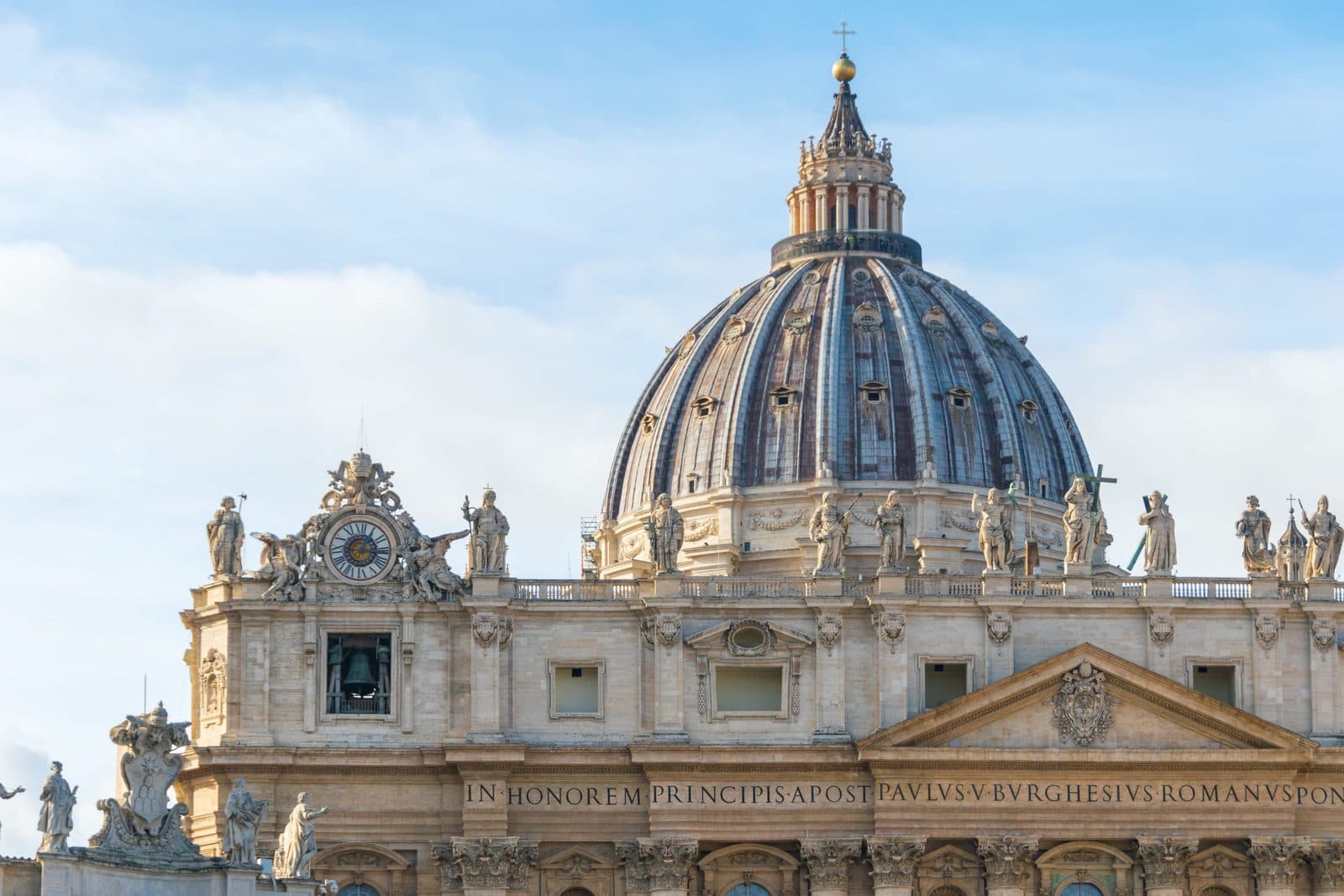
The Vatican packs more art, history, and raw crowd density into 110 acres than almost anywhere else on earth. Roughly 6 million people visit the Vatican Museums every year, and on a busy spring morning, the line outside can stretch for a quarter mile before the doors even open. Knowing what to expect ahead of time makes the difference between a frustrating slog and a genuinely memorable visit.
Book Your Tickets Online in Advance
Walking up to the Vatican Museums without a ticket is one of the most common mistakes visitors make. Lines at the entrance regularly take two to three hours during peak season, and tickets sometimes sell out entirely on busy days. The official Vatican Museums website sells timed-entry tickets that let you skip the general admission line and walk almost straight in.
Book at least a few weeks ahead if traveling between April and October, since that's when Rome sees the heaviest tourist traffic. Tickets for St. Peter's Basilica itself are free, but the separate dome climb and the Vatican Gardens require their own reservations. Keep a screenshot or printout of your confirmation, since Wi-Fi near the entrance can be unreliable.
Dress for a Religious Site, Not a Summer Vacation
The Vatican enforces a strict dress code, and security guards at St. Peter's Basilica turn away visitors daily for violating it. Shoulders and knees need to be covered for both men and women, which rules out tank tops, shorts above the knee, and short skirts. This applies regardless of the season, so a scorching July afternoon doesn't earn any exceptions.
Carrying a lightweight scarf or shawl is the simplest fix if you're wearing something sleeveless and don't want to overheat in a long-sleeved shirt all day. Hats should come off before entering the basilica as a sign of respect. The dress code applies to the Sistine Chapel and all the museum galleries too, not just St. Peter's.
Go Early or Go Late
The Vatican Museums open at 8am on most days, and arriving right at opening is the single best strategy for avoiding the worst crowds. By 10am, tour groups from across Europe start arriving in waves, and the Sistine Chapel can feel more like a packed subway car than a quiet space for reflection. If an early start isn't realistic, the last two hours before closing tend to thin out considerably as day-trippers head back to their buses.
Fridays and Saturdays during summer months are the busiest days of the week, so if your schedule is flexible, aim for a Tuesday or Wednesday instead. The museums are closed on Sundays except for the last Sunday of each month, when entry is free and the crowds are predictably enormous.
Consider a Guided Experience
Independent exploration works fine for some travelers, but the Vatican Museums contain roughly 70,000 works of art spread across 54 galleries, and it's easy to miss context that makes the collection meaningful. Guided Vatican tours typically include skip-the-line access, which alone can save hours, and a knowledgeable guide can explain what you're looking at in the Raphael Rooms or point out details in the Sistine Chapel ceiling that are easy to overlook on your own. Small-group and early-access tours, some starting before the museums officially open to the public, are worth the extra cost if minimizing crowds is a priority.
Pace Yourself Through the Sistine Chapel
The Sistine Chapel sits at the end of a long museum route, and by the time most visitors reach it, they've already walked past hundreds of other artworks. Resist the urge to rush through the earlier galleries just to get there faster. The Gallery of Maps, the Raphael Rooms, and the collection of modern religious art are worth genuine attention in their own right.
Once inside the chapel, photography is prohibited and guards actively enforce silence, so save conversations for afterward. Give yourself at least fifteen minutes to actually look up and take in Michelangelo's ceiling rather than snapping a quick glance and moving on.
Plan for Security Lines at St. Peter's Basilica
Even with a reservation, every visitor passes through an airport-style security checkpoint before entering St. Peter's Basilica. Backpacks, large bags, and pocketknives are not allowed inside, and there's no formal storage facility right at the entrance, so plan your bag situation before arriving at St. Peter's Square. Water bottles are generally fine, and you'll find them useful given how much walking the visit involves.
Entry to the basilica itself is free and doesn't require advance booking, but the line to pass through security can still take 30 to 45 minutes during peak hours. Visiting right after the museums close in the late afternoon sometimes means a shorter wait than the midday rush.
Eat and Rest Outside Vatican City
Restaurants directly around St. Peter's Square cater heavily to tourists and charge accordingly for mediocre food. Walking ten minutes into the surrounding Prati or Borgo neighborhoods turns up far better trattorias at more reasonable prices. Bar del Fico and the streets around Via Cola di Rienzo are solid bets for a real lunch rather than a reheated panini.
Budget real time for sitting down and resetting, since the combined visit to the museums and basilica can easily run five or six hours of walking on marble and stone floors. Comfortable shoes matter more here than almost any other stop on a Rome itinerary.
Visiting the Vatican rewards preparation far more than spontaneity. Book ahead, dress appropriately, and build in enough time to actually absorb what you're seeing instead of racing the clock, and the experience shifts from an endurance test into one of the more genuinely moving stops on any trip to Rome.