
What Surprises First-Time Visitors in South Korea
By
What Surprises First-Time Visitors in South Korea
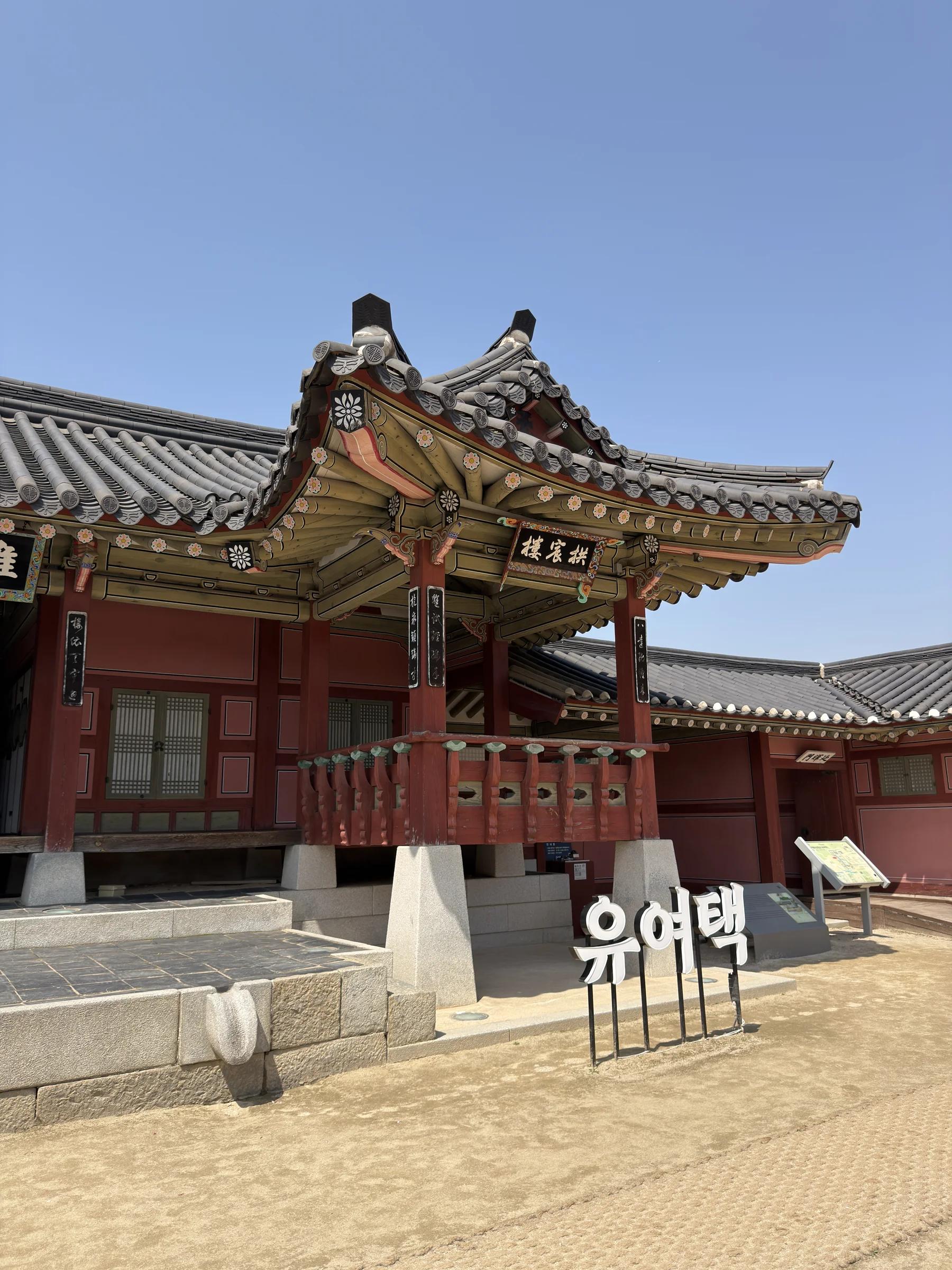
South Korea can feel surprisingly familiar at first. Seoul has skyscrapers, international brands, stylish cafés and a transport network that makes getting around relatively straightforward. Yet spend a little time exploring beyond the main tourist streets and the country begins to reveal habits, customs and everyday details that might catch first-time visitors off guard. From the way meals are shared to the speed of city life, some of the most memorable parts of a Korean holiday are the things nobody quite expects.
The Cities Keep Going Long After Dark
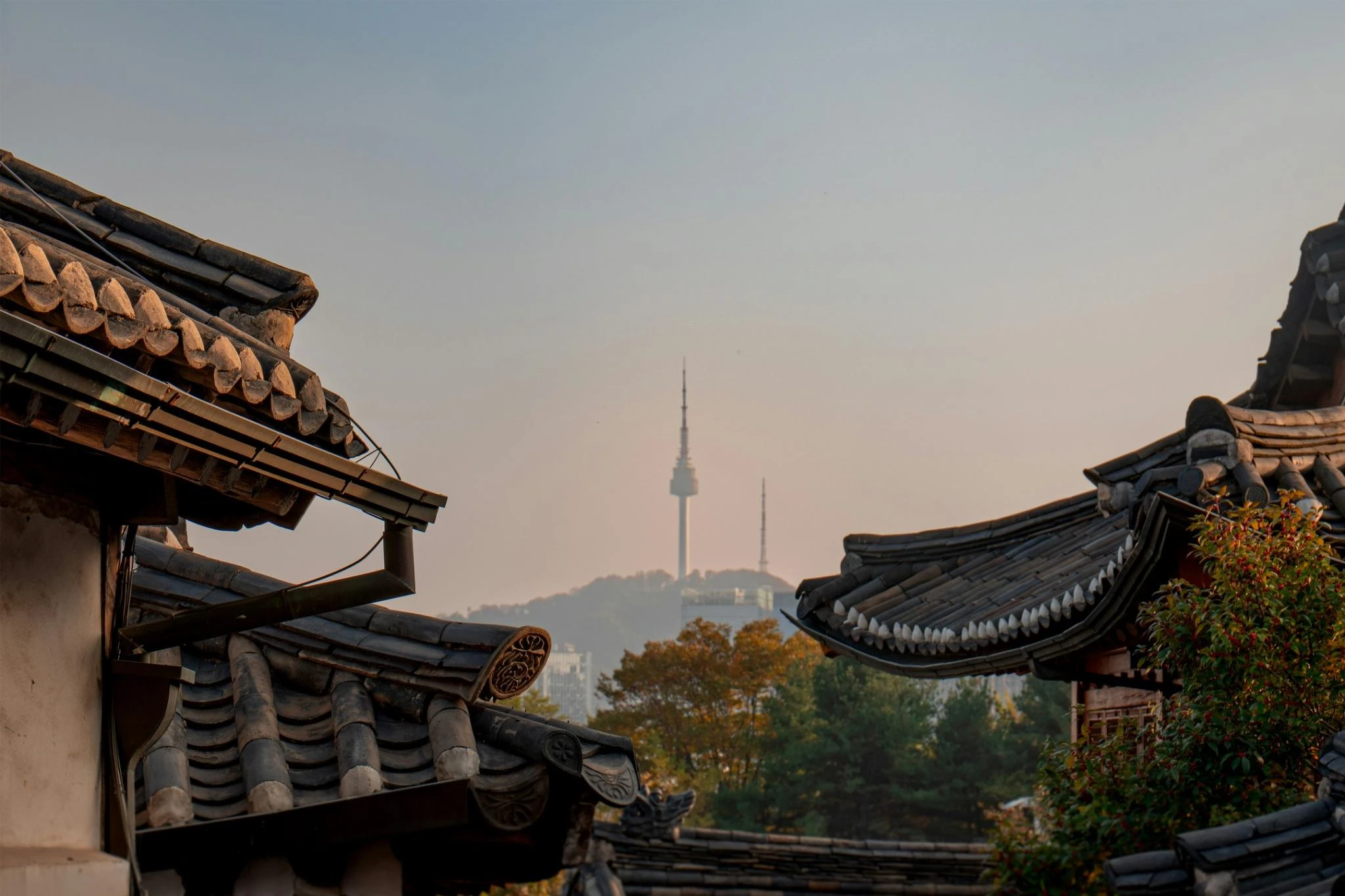
One of the first surprises is how much activity takes place in the evening. In Seoul, neighbourhoods such as Hongdae, Myeongdong and Gangnam remain busy well after dinner, with restaurants, cafés, shops and entertainment venues attracting crowds late into the night. It is perfectly normal to finish a meal at a barbecue restaurant and then head for dessert, karaoke or a late-night shopping session. Convenience stores are another part of this around-the-clock culture. They are far more than somewhere to buy a bottle of water. Many have microwaves, hot drinks, ready-made meals and seating areas where customers can enjoy a quick snack. You will soon notice how useful they are, particularly when returning to your hotel after a long day of sightseeing. Travelling between cities is just as straightforward. The KTX train in Korea is the fastest option for many popular routes, connecting Seoul with destinations such as Busan and Daegu.
Public Transport Is Better Than Many Expect
South Korea's public transport system is efficient, extensive and generally easy to use once you understand a few basics. Seoul's underground network reaches most areas visitors are likely to explore, while buses fill the gaps between stations. Stations usually have clear signage in English, and announcements often include translations. A T-money card makes travelling on local buses and subways much simpler. You can top it up and use it across much of the country's urban transport network, avoiding the need to buy a separate ticket for every journey. One detail that surprises some visitors is the quiet atmosphere on public transport. Loud conversations and phone calls are generally discouraged, and priority seats should be left for passengers who need them. For a slower journey, the Mugunghwa train in Korea provides a more traditional rail experience, stopping at more stations along the way. Taking the train is a convenient way to see more of the country without hiring a car, particularly if your itinerary includes several major cities.
Eating Out Is a Social Experience
Food is one of the highlights of visiting South Korea, but the dining experience can be quite different from what travellers are used to. Many restaurants serve dishes intended for sharing, with several small side dishes known as banchan arriving alongside the main meal. These might include kimchi, seasoned vegetables, pickled radish and other accompaniments, often replenished during the meal. Korean barbecue is particularly enjoyable for groups. Meat is cooked at the table, then wrapped in lettuce leaves with garlic, sauces and other ingredients. Rather than ordering an individual plate for everyone, diners often share several dishes and build their own mouthfuls. It is a relaxed, sociable way to eat, although the amount of food arriving at the table can be surprising. Another small adjustment concerns restaurant service. In some places, you may need to call a member of staff rather than wait for someone to approach. A polite jeogiyo (excuse me) is useful, and pressing a call button on the table is common in many restaurants. At the end of the meal, payment is often made at the counter rather than waiting for a bill to arrive. Tipping is not customary, so the price shown is generally the amount you pay.
Google Maps Is Not Always Your Best Friend
Visitors accustomed to relying on Google Maps may be surprised to find that it does not provide the same level of navigation in South Korea as it does in many other countries. Walking and driving directions can be limited, so it is worth downloading Naver Map or KakaoMap before arrival. Both apps are widely used locally and can help with public transport, walking routes and finding businesses. Some information may appear in Korean, but English-language settings and translated place names make them manageable for visitors. Papago is another useful download, especially for translating menus, signs and short conversations. A little preparation makes a noticeable difference. Save your hotel address in Korean, keep the name of your destination available on your phone and check your route before leaving. This is particularly helpful when visiting smaller neighbourhoods where English-language signs may be less common.
Cafés Are Almost an Attraction of Their Own
South Korea's café culture is another unexpected pleasure. Seoul in particular has an extraordinary variety of places, from minimalist coffee bars to elaborate themed cafés with carefully designed interiors. Some specialise in traditional Korean desserts, while others focus on elaborate cakes, pastries and seasonal drinks. Cafés are popular places to meet friends, study, work or simply spend time alone. It is not unusual to see people sitting with laptops for extended periods, and many venues put considerable effort into presentation. Areas such as Seongsu-dong have become known for their independent cafés, converted industrial spaces and fashion-conscious atmosphere. For visitors, this means a coffee stop can become part of the day's sightseeing rather than a quick break between attractions. It is worth leaving some space in your itinerary to explore a neighbourhood without rushing from one landmark to another.
Expect the Unexpected, and Enjoy It
South Korea is a rewarding destination precisely because it combines modern conveniences with traditions that remain part of everyday life. Some things will feel immediately familiar, while others may take a little getting used to. The dining customs, transport etiquette, café culture and lively evenings all contribute to a travel experience that feels distinctive. First-time visitors do not need to know every rule before arriving. A few useful apps, an open mind and a willingness to follow local cues are usually enough. Allow time to explore beyond Seoul, try unfamiliar dishes and enjoy the small discoveries along the way. Those unexpected moments often become the stories you remember long after returning home.