
Antarctica by Yacht: Inside the Trend Turning the World's Wildest Coastline Into a Bucket-List Trip
By
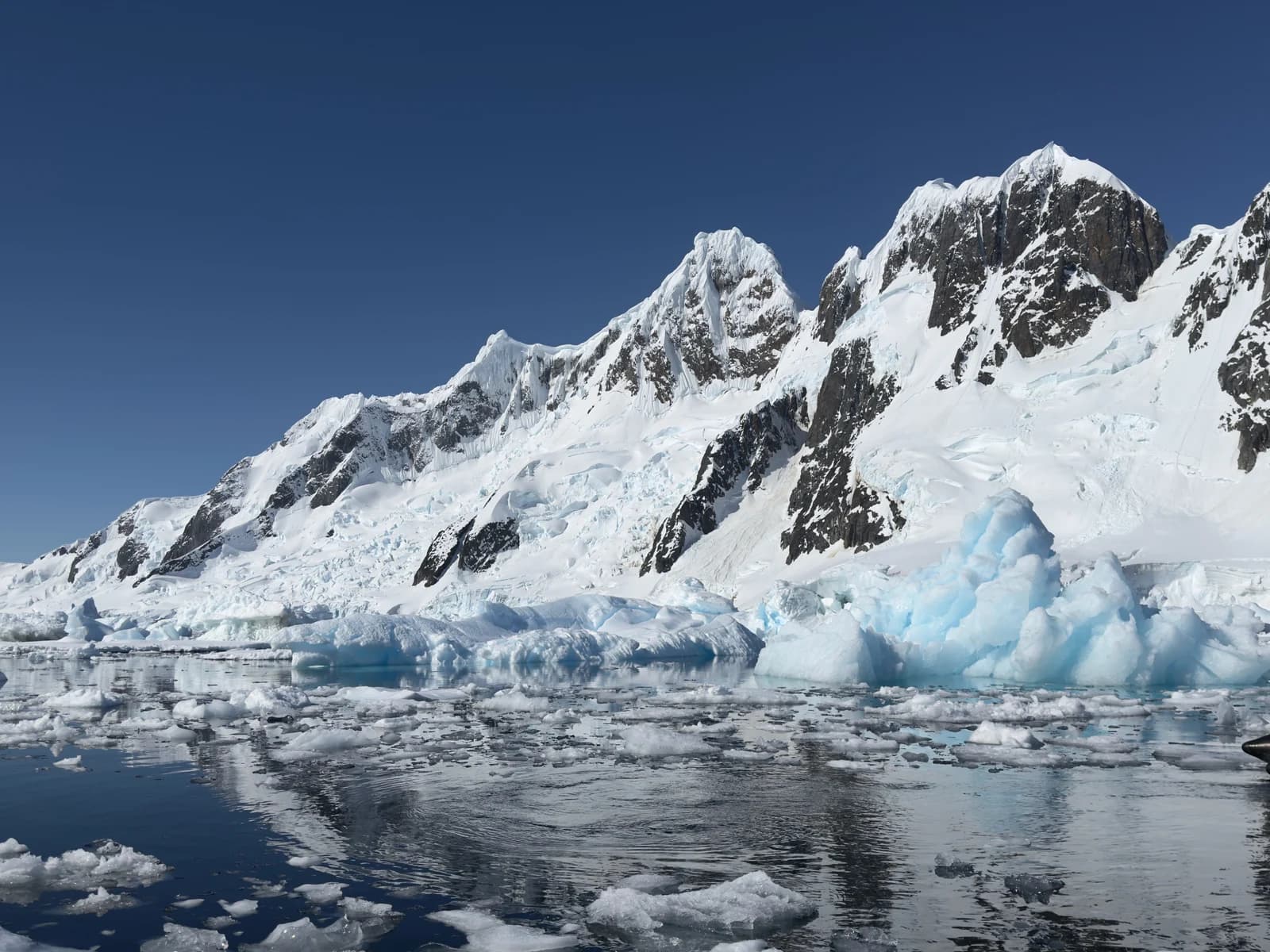
There's a new answer to "where are you going this year," and it isn't a beach. It's the bottom of the planet — and increasingly, travelers aren't getting there aboard a 3,000-passenger cruise ship. They're getting there under sail, on a small expedition yacht, crossing the Drake Passage the way polar explorers once did.
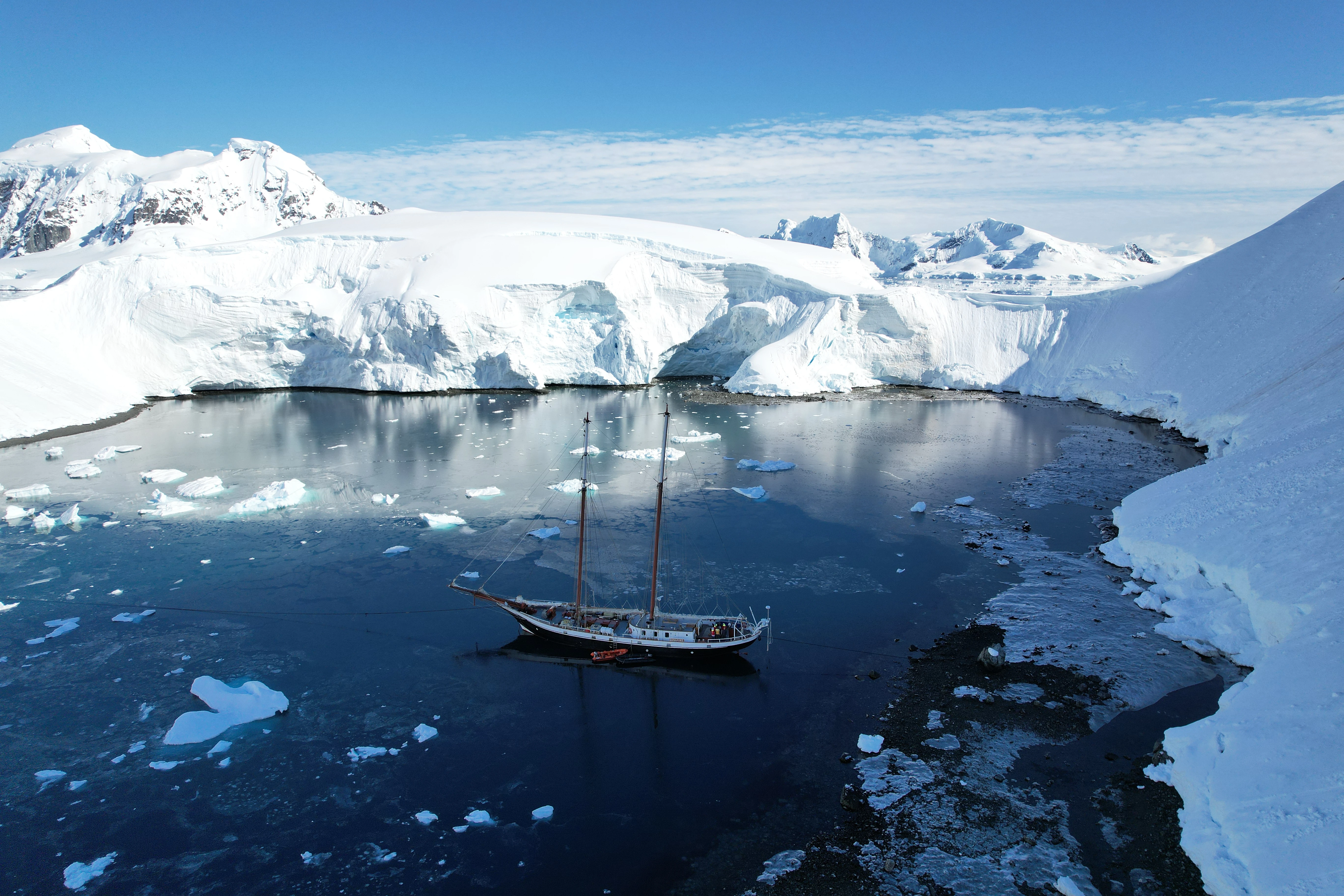
Antarctica sailing expeditions have quietly become one of the most talked-about ways to travel right now. Search interest is climbing, waitlists are forming, and a growing number of travelers are trading resorts and reef snorkeling for penguins, glaciers, and the kind of silence you only find at 64 degrees south. Antarctica is one of the last places on Earth that still feels genuinely untouched, and doing it by yacht — small groups, real sailing, direct immersion — has become the way serious travelers want to experience it.
Not Your Average Cruise
The mega-ship Antarctica cruise has been around for years, ferrying thousands of passengers past the ice at a distance. The shift now is toward small-yacht expeditions, where the ship itself becomes part of the experience rather than a floating hotel.
That difference is about access as much as atmosphere. A small yacht can tuck into bays and narrow channels a 300-meter cruise ship never will, and landings happen by Zodiac, directly onto the ice among the wildlife, rather than being watched from a top deck through binoculars.
One of the operators built specifically around that model is MoreTime Expeditions, a Cyprus-based outfit that has carved out a niche in small-group polar sailing, holding a five-star rating on both Google and Tripadvisor. It runs two main routes into the White Continent:
Across the Drake Passage — sailing both directions through the legendary strait between South America and Antarctica, from October through March.
Antarctica: Fly & Sail — for travelers who want the landings and the sailing without doing the full Drake crossing twice, flying over the passage both ways and joining the yacht already in the South Shetlands, running November 2026 through March 2027.
A Fleet Built for the Ice, Not for Show
Part of what distinguishes a serious polar operator from a repackaged pleasure cruise is the ships themselves. MoreTime's fleet spans from classic two-masted schooners — no jacuzzi, but a common room, a shower, and a lavatory in every cabin, built specifically for expedition sailing — to a more comfortable vessel with Italian design, built-in air conditioning, and a pool, for travelers who still want real sailing without giving up creature comforts.
What stays constant across the fleet is group size: as few as 10 to 18 guests per voyage, with a crew and expedition team of five or six. That's not a marketing detail so much as an operational one — it's what makes tight Zodiac landings and flexible routing through ice-choked channels possible in the first place.
The Route: Where the Ships Actually Go
A typical voyage threads through some of the most dramatic scenery on Earth, and the itinerary reads like a checklist of Antarctica's defining sights:
Bellingshausen Station on King George Island, a working Russian research base — home to the southernmost active Orthodox church on the planet.
Yankee Harbour and Cuverville Island, home to sprawling colonies of gentoo penguins, with Cuverville designated an Important Bird Area by BirdLife International.
Half Moon Island, where Weddell seals haul out on volcanic black sand beneath jagged peaks.
Deception Island, a still-active volcanic caldera where black volcanic sand meets white ice.
The Lemaire Channel, a narrow, glacier-lined passage regarded as one of the most beautiful stretches of coastline in the world, and prime whale-watching territory.
Port Lockroy, Antarctica's most-visited historic site, now a museum and the world's southernmost post office.
Along the way, the wreck of a century-old whaling ship sits half-submerged at Enterprise Island, and the Melchior Islands offer cliffs, glaciers, and regular whale sightings in the warmer months.
Science, Not Just Sightseeing
What separates MoreTime from a standard tour operator is its research angle. The company runs an Antarctic Science Camp, where travelers can join an active polar station and take part in real scientific work — monitoring pinnipeds, analyzing camera-trap data, and tracking changes in the Bellingshausen Glacier on King George Island. It's a detail that matters in a category where "expedition" is often used loosely: here, some of the passengers doing the sailing are also contributing, in a small way, to the science being done on the ice.
Why the Trend Is Taking Off
Part of the appeal is simple scarcity: Antarctica has strict visitor limits, a short sailing season, and no permanent population, which makes every voyage feel genuinely rare rather than another stop on a well-worn tourist trail. Add rising interest in adventure travel over standard beach-and-buffet vacations, and it's easy to see why expedition yachting to the seventh continent has become the trip a certain kind of traveler is chasing.
It also remains, notably, still an adventure in the truest sense. There's no pretending the Drake Passage is a gentle crossing, and no yacht turns Antarctica into a resort. That's part of why it resonates: people who've done the infinity pools are looking for something that feels earned rather than curated.
Within that niche, operators that combine small-group sailing, a fleet built for actual polar conditions, and a genuine research program — rather than simply chartering a boat and calling it an expedition — are the ones setting the standard for what an Antarctica yacht trip should look like.