
AntarcticaDestinationsTravel Packing Tips
Packing for Antarctica: The 2 Items First-Time Travelers Get Wrong
By
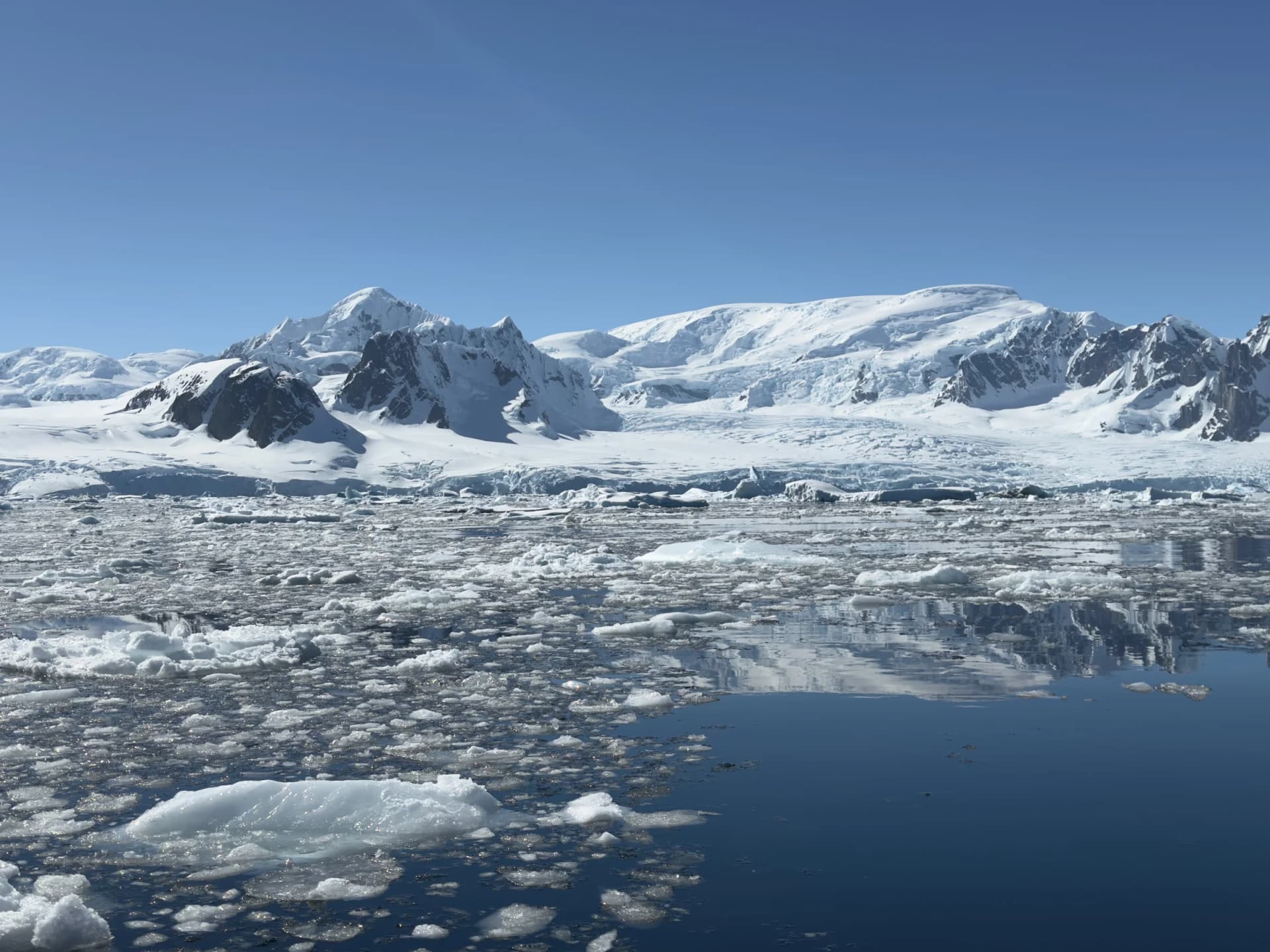
Ask anyone back from an Antarctica cruise what they wish they'd packed differently, and you'll rarely hear "a warmer coat." Many expedition ships hand out a parka, and most travelers bring a good one anyway. The regrets usually come from two places: wet legs and cold hands.
Both have the same cause. Antarctica isn't usually brutally cold in summer. On the Peninsula, temperatures often hover around freezing. But you're getting wet, sitting still, and handling cameras in the wind for hours at a stretch. Here's how to get these two items right.
Why Your Legs Get Wetter Than You Expect
Almost every landing in Antarctica is a "wet landing." Your Zodiac pulls up to a beach, and you swing your legs over the side into shallow, near-freezing water. On the ride in, waves often slap over the bow and soak whoever is sitting up front.
Jeans or hiking trousers will be soaked within minutes. Worse, most operators that provide parkas don't provide pants, so this is on you.
What to look for in waterproof pants:
Truly waterproof fabric with sealed seams. "Water-resistant" won't hold up to spray.
A relaxed fit that leaves room for a thermal layer underneath.
Long side zips, so you can pull them on over rubber boots in a cramped mudroom.
Length that goes over your boots, not tucked in. Otherwise water runs straight inside.
For specific models compared by warmth, weight, and price, this guide to the best waterproof pants for Antarctica is a helpful starting point.
Why Your Hands Get Colder Than the Rest of You
Gloves are a trade-off. Big insulated mittens keep your fingers warm but make it impossible to work a camera, zip a pocket, or hold a Zodiac grab line securely. Thin gloves let you take photos but go numb in ten minutes of wind.
The answer most experienced polar travelers use is a two-layer system:
Thin liner gloves, ideally touchscreen-compatible, that you never take off.
Waterproof insulated over-gloves or mitts that you pull on between photos and during Zodiac rides.
Bring a spare pair of liners. They get damp, and a dry pair after lunch makes the afternoon landing far more pleasant. This comparison of gloves for an Antarctica cruise breaks down which styles hold up to spray and wind.
Quick Comparison: What Works and What Doesn't
Item | Works well | Avoid |
|---|---|---|
Pants | Waterproof shell pants or insulated ski pants with side zips | Jeans, cotton trousers, "water-resistant" hiking pants |
Under the pants | Merino or synthetic leggings | Cotton long johns |
Hands | Liner + waterproof over-glove system | Single pair of fashion gloves, or bulky mitts only |
Spares | Extra liners and socks | Assuming things will dry overnight. Cabins can be humid. |
A Few More Things People Forget
Biosecurity checks. Before each landing, crews often check and vacuum outer gear to avoid carrying seeds and soil between sites. Velcro and deep pocket seams trap the most debris, so clean your gear before the trip.
Boots. Most ships loan knee-high rubber boots, so you usually don't need to pack them. Confirm with your operator.
Sunglasses and sunscreen. Glare off snow and ice is fierce, even on overcast days.
A dry bag. It keeps cameras and spare layers dry on Zodiac rides.
How This Fits Into Your Trip Planning
Antarctica gear lists can look overwhelming, but most of what you need is ordinary cold-weather clothing. The parka is often covered and the boots are usually loaned. The two places to spend real money and attention are your pants and your gloves.
Plan your packing the way you'd plan the itinerary: around what you'll actually be doing each day. In Antarctica that means two landings, two Zodiac rides, and a lot of standing still watching penguins. Dress for that and you'll be comfortable from the first landing to the last.