
Why the Best Mediterranean Yacht Trips Leave Empty Days in the Itinerary
By
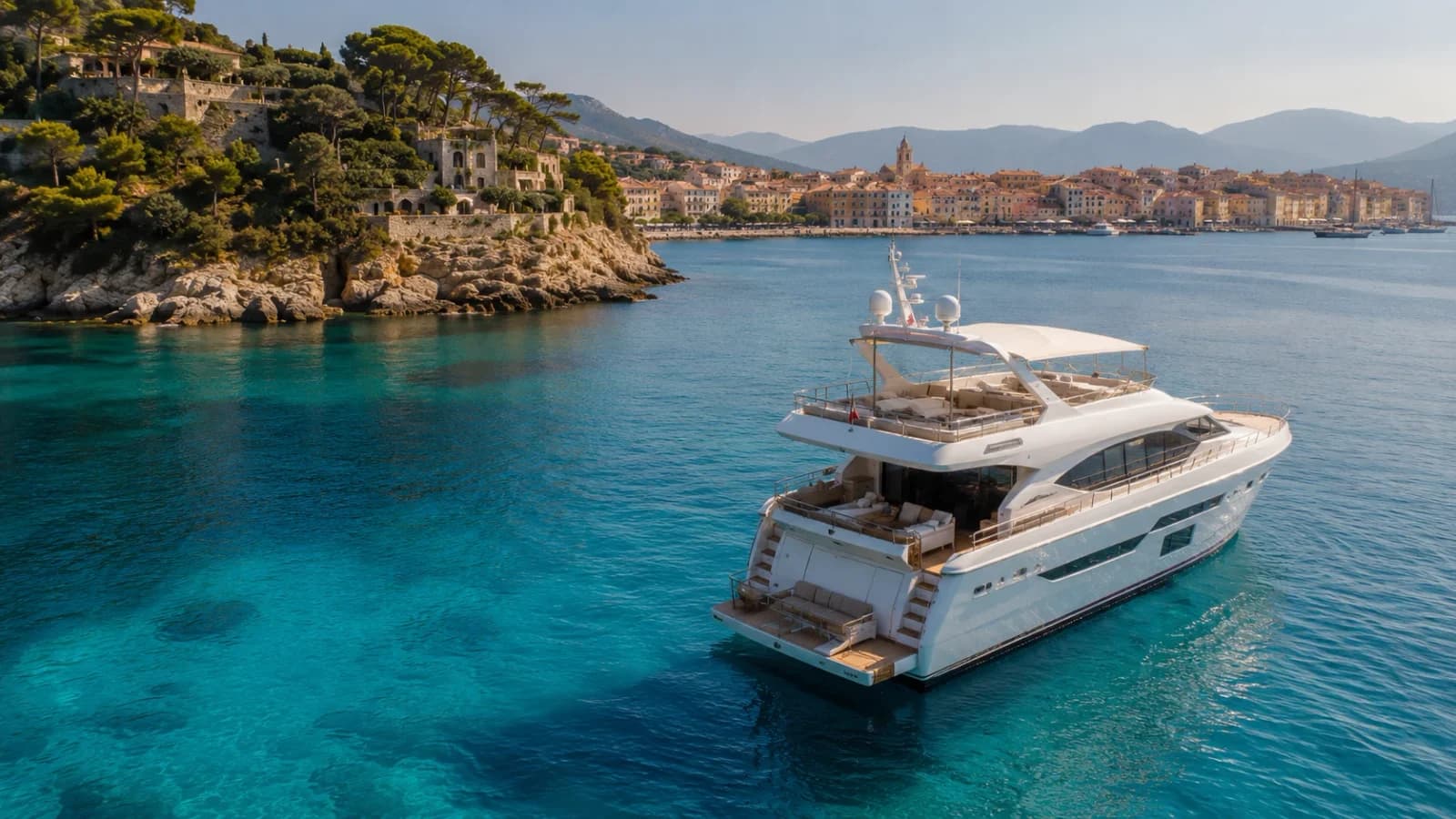
Planning a Mediterranean yacht trip can quickly turn into a competition with the map.
There is always another island to add, another harbour worth visiting and another coastal town that looks close enough to squeeze into the schedule. With so many appealing destinations within cruising distance, it is easy to assume that a good itinerary should include as many stops as possible.
In reality, some of the most memorable yacht trips work in exactly the opposite way.
They leave room.
Instead of changing destination every morning, a better itinerary allows time for an unexpected anchorage, a long lunch ashore, an extra swim or simply an afternoon when nobody feels the need to be anywhere else.
The ability to change plans is one of the greatest advantages of travelling by yacht. A packed itinerary can accidentally remove that advantage.
Yacht Travel Should Not Feel Like a Checklist
Traditional vacations often revolve around fixed schedules.
Flights have departure times. Hotels have check-in dates. Restaurant reservations, attraction tickets and transfers can make an itinerary increasingly rigid.
A yacht offers something different.
Your accommodation travels with you, and the journey between destinations is part of the experience rather than merely transportation between two places.
Yet it is surprisingly common to plan yacht trips like conventional city breaks:
Monday: Port A.
Tuesday: Island B.
Wednesday: Bay C.
Thursday: Marina D.
The schedule may look impressive before departure, but constantly moving can make a week at sea feel much shorter than expected.
A yacht itinerary works better when it gives each destination enough time to become an experience rather than just another location checked off the list.
Choose a Cruising Region Before Choosing Every Stop
The Mediterranean offers an enormous range of cruising environments.
Travellers can choose between the Greek Islands, Croatia's Adriatic coastline, southern Italy, the French Riviera, the Balearic Islands, Turkey and many smaller cruising areas in between.
Trying to combine too many of them into a single trip usually adds unnecessary travel time.
A better approach is to choose one region and explore it at a comfortable pace.
For travellers still deciding where to cruise, comparing some of the best yacht destinations in Europe can help narrow the possibilities before building a detailed route.
Once the cruising area has been chosen, the next question should not simply be, "How many places can we visit?"
Ask instead:
What kind of days do we want to have?
A couple may prefer quiet anchorages, waterfront restaurants and slower evenings.
Families may prioritize sheltered swimming areas, beaches and shorter cruising distances.
Groups of friends might want a mixture of daytime swimming, lively ports and restaurants or nightlife ashore.
The itinerary should reflect how the group wants to spend its time, not how many pins can fit on a digital map.
Weather Is Part of the Journey
Even the best-planned route is still travelling through a natural environment.
Wind, waves and changing conditions can influence which route is most comfortable on a particular day. Captains may recommend changing departure times, selecting a different anchorage or staying longer in one area.
With an overloaded itinerary, every adjustment can feel like losing part of the holiday.
A flexible itinerary changes the psychology completely.
If there is no pressure to reach six destinations in six days, avoiding an uncomfortable passage does not feel like a failure. The group can stay longer somewhere they already enjoy or choose an alternative location nearby.
This flexibility is not a weakness in the itinerary.
It is one of the reasons yacht travel is so appealing in the first place.
Sometimes the Best Anchorage Was Never on the Plan
Some places look spectacular online and feel underwhelming once you arrive.
Others barely appear on the original itinerary but become the highlight of the trip.
A small bay may have unusually clear water.
A harbour intended as a lunch stop may have a restaurant everyone wants to try for dinner.
A quiet village may be far more enjoyable than the larger marina originally planned for the evening.
When every day is tightly scheduled, these discoveries become inconvenient because something else is always waiting.
Leaving space in the itinerary gives the trip permission to improve itself.
That is particularly valuable in the Mediterranean, where short cruising distances can place dozens of anchorages, towns and islands within reach.
The original route should guide the journey without controlling every hour of it.
Give Yourself Enough Time Ashore
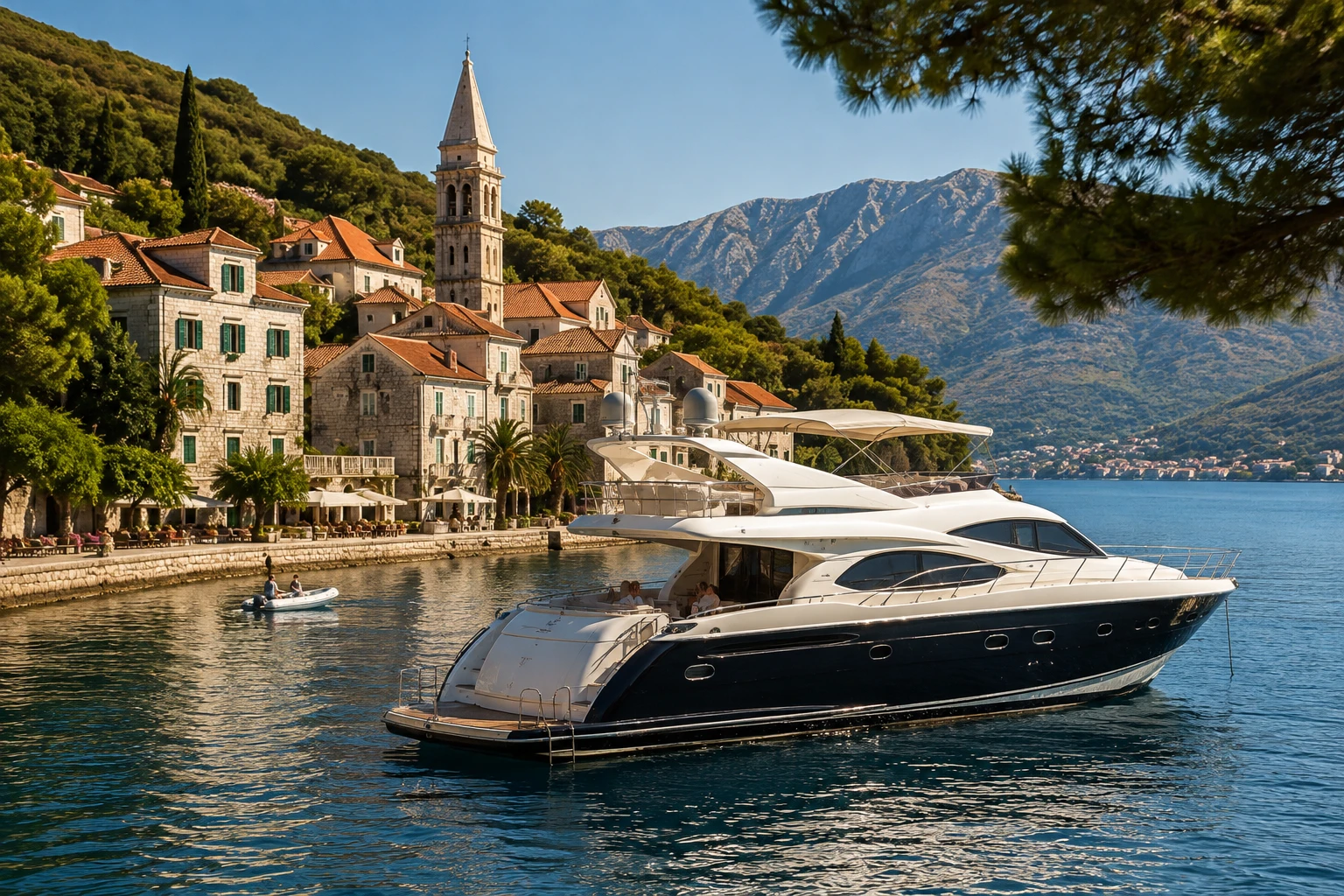
It is easy to think of a yacht vacation entirely in terms of life onboard.
But many great cruising days involve a combination of sea and land.
A morning might begin with swimming from the yacht before breakfast, followed by a short cruise to a harbour and an afternoon exploring a coastal town.
Dinner might be onboard one evening and at a family-run restaurant ashore the next.
Local markets, old harbour streets, cafés and small waterfront restaurants provide a contrast to life on the yacht. That contrast is an important part of Mediterranean travel.
If the yacht must depart again within two hours, however, even beautiful destinations start to feel rushed.
Slower itineraries allow shore visits to develop naturally.
A quick lunch can become a long afternoon. A walk through town can continue without constantly checking the departure time. If everyone is enjoying the destination, there is no reason the schedule should force the group to leave.
An Empty Afternoon Is Not Wasted Time
Modern travel planning often treats every unscheduled hour as something that needs to be filled.
Yacht travel is particularly good at proving otherwise.
An afternoon without a reservation might involve swimming, reading on deck, talking over lunch or taking the tender ashore simply to see what is there.
There may be no major attraction and no photograph that needs to be taken.
That can be exactly the point.
The difference between an ordinary vacation and a genuinely relaxing one is often not how many activities were included, but whether there was enough time to enjoy them.
Luxury does not always mean adding more.
Sometimes it means having the freedom to remove things from the schedule.
Slower Trips Also Help You Choose a Better Yacht
The more time you plan to spend onboard, the more important the yacht itself becomes.
On a fast itinerary, a yacht can start to feel like transportation between destinations.
Spend several long afternoons onboard and different details begin to matter.
Guests notice whether there is enough shaded outdoor space, how comfortable the seating areas are, how easy it is to get into the water and whether the layout gives different members of the group enough personal space.
Families may prioritize cabin arrangements and safety.
Couples may value privacy and quieter deck areas.
Larger groups often care about social areas and how easily everyone can eat or relax together.
These considerations are also why experienced travellers sometimes browse new yachts for sale even when they are not immediately planning to buy. Comparing different layouts, sizes and yacht styles can make it easier to understand which features actually contribute to a comfortable trip.
Specifications tell part of the story.
How people naturally use the space tells much more.
How to Build a Better Seven-Day Yacht Itinerary
A seven-day trip does not need seven major destinations.
Start with the essentials.
Choose the embarkation and disembarkation locations, then select two or three destinations that the group genuinely wants to experience.
After that, identify secondary stops that can remain optional.
Instead of planning every day as a fixed sequence, think in terms of possibilities:
one or two key towns or islands,
several possible swimming anchorages,
one flexible day,
shorter alternative routes if conditions change,
and enough time to stay longer when a place deserves it.
Discuss these preferences with the captain or charter team before departure.
Local knowledge can make a significant difference. A captain may know that a famous anchorage becomes crowded at a certain hour or that another nearby bay offers a better overnight stop.
The strongest itinerary combines advance planning with the willingness to change it.
Do Not Confuse Distance With Experience
It is easy to measure a yacht trip using numbers.
Five islands.
Seven ports.
Two hundred nautical miles.
Three countries.
Those numbers can sound impressive when describing the journey afterward, but they say very little about how enjoyable the trip actually was.
A slower journey may cover less distance while producing better memories.
Perhaps one afternoon was spent swimming in the same bay for hours.
Maybe lunch lasted until sunset.
Maybe the group stayed somewhere an extra night simply because nobody wanted to leave.
Those moments rarely appear in the itinerary before the trip begins.
They are often the moments people remember afterward.
Leave Something for Next Time
The Mediterranean is far too large and varied to experience in a single yacht vacation.
That is good news.
There is no need to treat every trip as though it may be the last opportunity to see the region.
Choose an area. Explore it well. Leave enough flexibility for weather, mood and unexpected discoveries to influence the journey.
And when a bay is beautiful, lunch is good and nobody wants to move?
Stay.
The next destination will still be there tomorrow.
Sometimes the best part of a yacht itinerary is the space you deliberately leave blank.