
Berlin for New Expats: 10 Things to Do and Where to Eat While You Explore
By
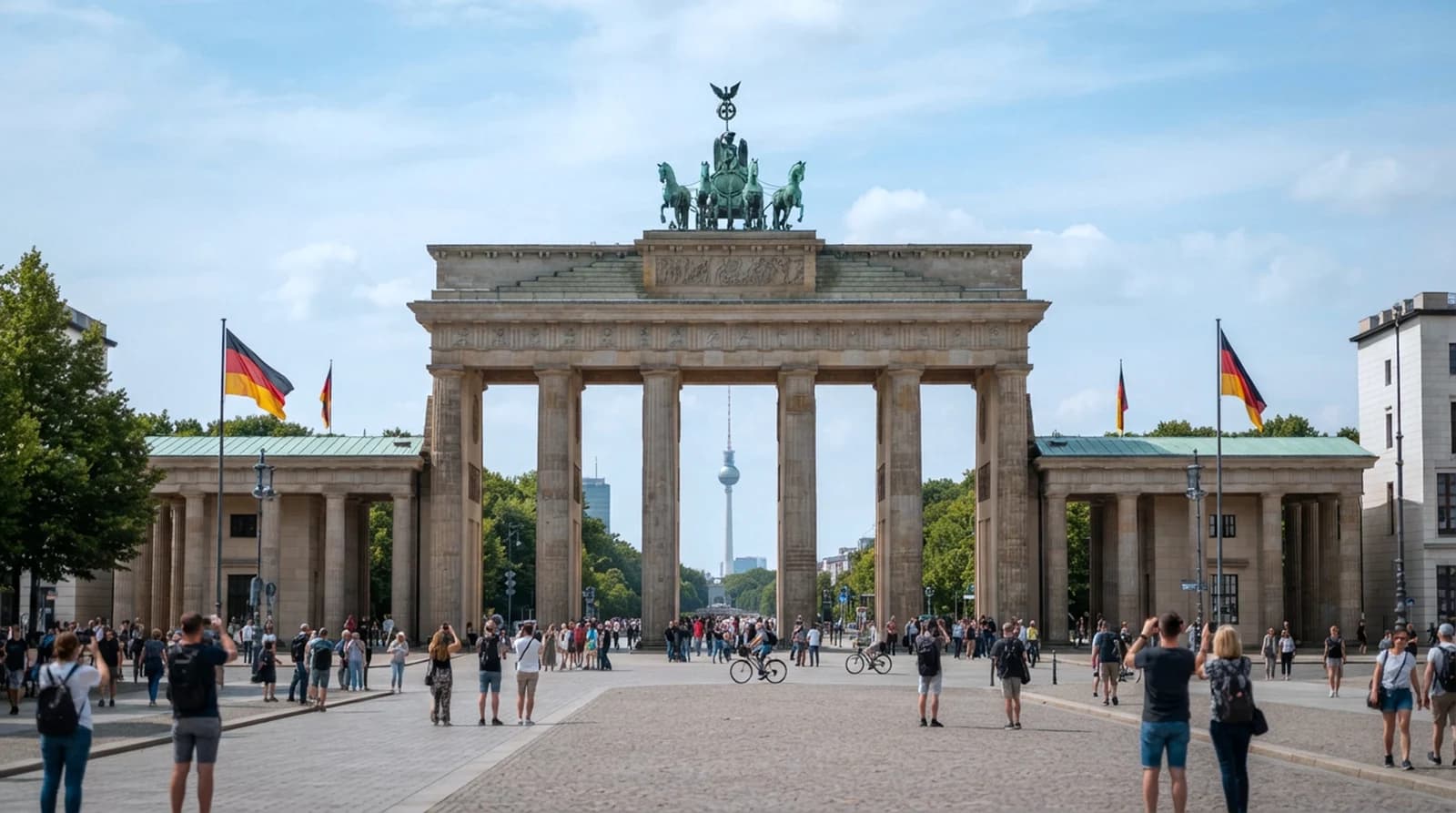
Moving to Berlin is one thing. Actually figuring out the city is another. The German capital is enormous, decentralised and full of neighbourhoods that each feel like a different place entirely. If you have just arrived, or you are about to, the good news is that Berlin rewards exploration in a way that few European cities do.
This guide covers ten things worth doing in your first months in Berlin, with a practical focus on eating well while you get your bearings. Whether you are settling into Prenzlauer Berg or still looking for a flat in Neukölln, these are the experiences that will help you feel less like a tourist and more like someone who actually lives here.
1. Walk the East Side Gallery Before the Crowds Arrive
The East Side Gallery is the longest remaining stretch of the Berlin Wall and genuinely worth seeing even if you have heard it described a hundred times. Go early on a weekday morning and you will have most of it to yourself. After your walk, the Friedrichshain neighbourhood just behind the gallery has a solid cluster of cafes and breakfast spots that open early and draw a mostly local crowd.
2. Find Your Neighbourhood Market
Every Berlin neighbourhood has a weekly market, and finding yours is one of the quickest ways to feel at home. The Winterfeldtmarkt in Schöneberg on Saturdays is excellent for fresh produce, bread, and cheese without the tourist numbers. Markets are also where you pick up the rhythm of the city.
3. Eat Your Way Through a Different Neighbourhood Each Weekend
Berlin's food scene is genuinely diverse, and the best way to understand it is to move through the city one area at a time. Kreuzberg has some of the best Turkish food outside Istanbul. The Vietnamese restaurants in Lichtenberg are worth the U-Bahn journey. Wedding is underrated for Middle Eastern food.
If you want to plan a dinner out rather than wander and hope, browsing restaurants in Berlin by neighbourhood and cuisine type is the most efficient way to find somewhere that suits what you are after and book before it fills up.
4. Get Comfortable with the Public Transport System
The BVG network covers the city better than you might expect for something so large. A monthly Deutschlandticket gives you unlimited travel across the whole country on regional transport and is genuinely good value if you are using public transport daily. Download the BVG app for journey planning rather than relying on Google Maps.
5. Visit the Museumsinsel on a Weekday
Museum Island holds five world-class museums within walking distance of each other. The Pergamon Museum is the most visited, but the Neues Museum with the bust of Nefertiti is equally impressive. Weekday mornings are noticeably quieter and a single day ticket covers entry to all five museums.
6. Learn Where to Eat After Midnight
One of the things that surprises new arrivals is how much of life happens late in Berlin. For actual hot food after midnight, Friedrichshain and Kreuzberg have the best concentration of options. Several Turkish and Middle Eastern restaurants in these areas serve until 3am or later, and the quality is often better than you would expect at that hour.
7. Connect with the Expat Community Early
Berlin has one of the largest English-speaking expat communities in Europe, and connecting with it early makes settling in considerably easier. The Germany section of the Dispatches archives is a useful starting point for everything from housing tips to cultural observations from people who have been through the same adjustment.
8. Get a Library Card
The Berlin public library system is free to join and gives you access to language learning platforms, digital newspapers, and study spaces. For new arrivals working on their German, the library resources are genuinely useful. The Amerika Gedenkbibliothek in Kreuzberg has a strong English-language section if you are not yet ready to read in German.
9. Take a Day Trip Before You Think You Need One
Berlin is well connected by train to several cities worth a visit. Potsdam is thirty minutes away and has the Sanssouci Palace gardens. Dresden is two hours by ICE and has one of the most striking old towns in Germany. Getting out of Berlin early gives you a useful perspective on what the city is and what it is not.
10. Accept That It Takes Time
Berlin is not a city that reveals itself quickly. Most long-term residents will tell you that it took at least six months before they felt genuinely at home. The bureaucracy is slow, the language barrier is real, and finding your people takes longer than in a smaller place. Dispatches has published a useful guide to settling into expat life in Europe that puts Berlin in the context of other major expat destinations.
Conclusion
Berlin rewards new expats who approach it with patience and curiosity. The restaurants in Berlin alone could keep you occupied for months, and that is before you factor in the markets, museums, and neighbourhoods that each deserve proper attention. Start with the areas closest to where you live, build your routines gradually, and resist the urge to see everything at once.