
Traveling the U.S. With Pork Rinds: Road Trips, Flights and Train Rides
By
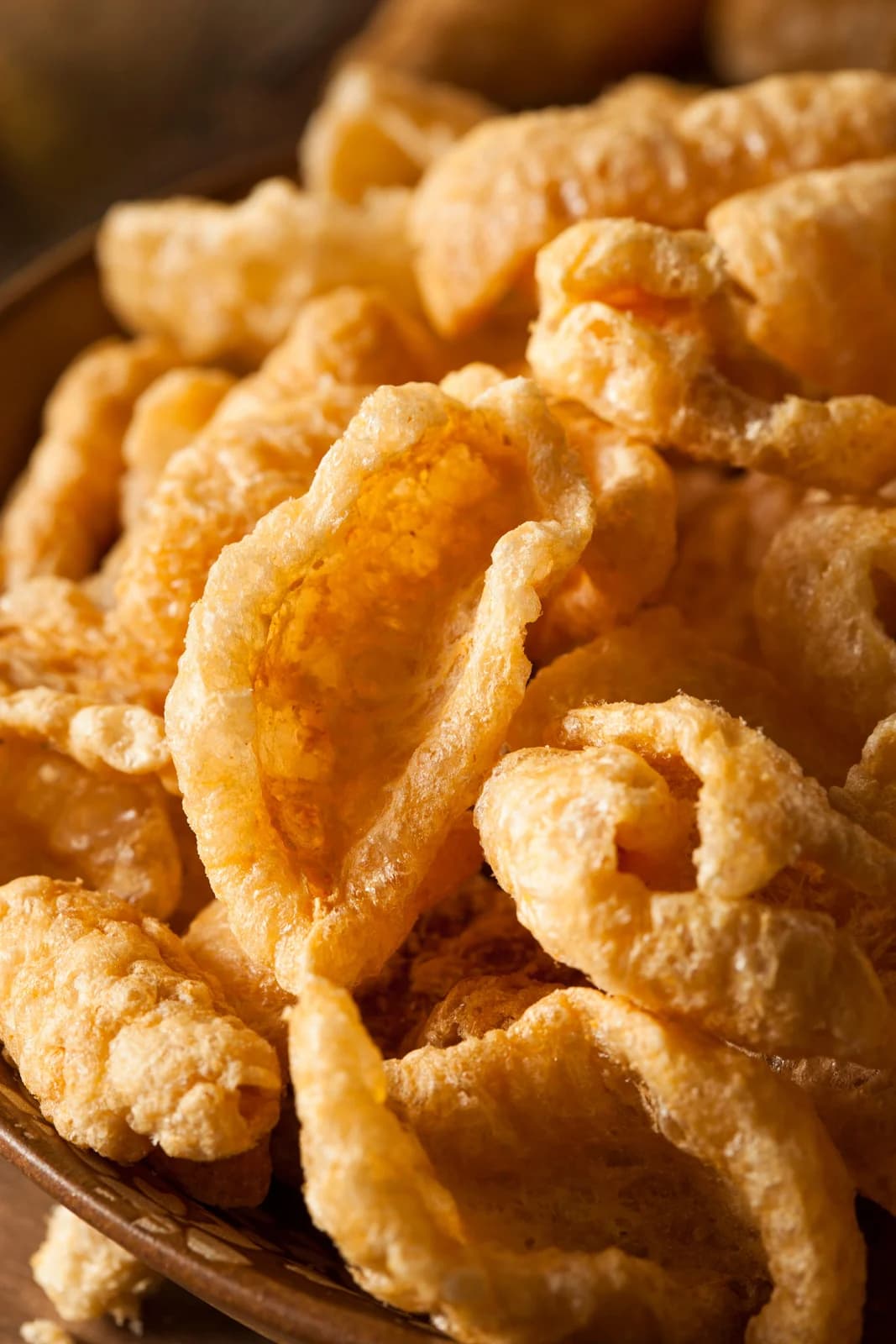
Pork rinds are one of the more practical things to toss in a travel bag. They're light, they come sealed, and nobody needs a fork. (Crumbs are another story.)
Moving around the U.S. with them gets a little more interesting, though. The bag from home isn't the only style out there, flying adds one small wrinkle, and one domestic route comes with a pork rule worth knowing before you pack.
What's in the Bag, and What's on the Sign
Bagged pork rinds generally start as pork skin that's cooked or rendered, dried, then fried until it puffs, though methods vary. Cracklins keep more fat attached to the skin, which gives them a heavier bite.
And then there are chicharrones. Pork rinds are sometimes called chicharrones, though preparation and terminology vary by region, so the name on a sign doesn't always tell you what's in the bag.
In the Southwest, read the label on anything shaped like a wheel. Chicharrones de harina, sometimes sold as duros, look a lot like pork rinds but are made from wheat flour. If you avoid pork, check how they're prepared, since some may be fried in lard.
Flying With Them Is Mostly Easy
At the airport, a bag of pork rinds is just solid food. TSA's guidance on solid foods says it can go in a carry-on or a checked bag, though officers may ask you to pull food out so the X-ray image is clearer, and the officer has the final say at the checkpoint.
The catch is whatever you like to dip them in. Salsa, queso and other dips generally fall under the liquids rule, so containers over 3.4 ounces belong in a checked bag, and the small ones share a single quart-size bag with your toiletries. A small cup under the limit is the easier move.
One Flight With a Pork Rule: Puerto Rico
Flights from Puerto Rico and the U.S. Virgin Islands to the mainland are domestic, but they come with an agricultural check. USDA's rules for travelers heading to the mainland say you have to present all food and other agricultural items to a USDA inspector at the airport before leaving.
Pork gets extra attention on those trips. Because African swine fever has been detected in the Caribbean, USDA prohibits or restricts certain pork products headed to the mainland, and prohibited items can be confiscated. Homemade dishes with pork are among the items officers may ask travelers to discard.
Store-bought products are a different case. USDA allows some commercially labeled, processed pork products that meet specific requirements, and its traveler guidance for Puerto Rico names commercially canned pork and packaged, shelf-stable baked goods that contain pork. Whether a bag of chicharrón qualifies is worth checking with USDA before you buy, and anything you do pack should stay in its original labeled packaging for the inspection.
Fresh fruit gets the same scrutiny, since most fresh fruits and vegetables can't go to the mainland.
If You're Taking the Train
Amtrak lets passengers bring their own food and drinks on board to eat at their seat or in a private sleeping car room, though food bought in the dining and lounge cars has to stay in those cars. Amtrak also notes that trains can sometimes be delayed and onboard food supplies can run low, which is a decent argument for a bag of something crunchy in your tote.
Stocking the Car Before You Leave
Snack stops on long stretches of highway can be hit or miss, so it's worth packing a supply before you go. Some U.S. specialty shops sell by style, and you'll find pork rinds, cracklins and variety packs in separate collections at https://porkrinds.com/, which helps when one person in the car wants airy rinds and another wants cracklins.
Smaller bags tend to work better than one big one. They're easier to pass around, and an open bag sliding across the back seat is how crumbs end up in the seat rails. If you're watching sodium, the Nutrition Facts panel is worth a glance before you buy a case, since pork rinds can be salty.
National Parks Have Their Own Snack Rules
If the road trip includes a national park in bear country, your snacks fall under the park's food storage rules. The National Park Service says bears can treat anything with a scent as food, including food scraps, wrappers and other items that may not seem like food. Storage requirements vary by park. Some parks allow food in a closed vehicle and out of sight under specific conditions, while others require food lockers or bear-resistant containers.
Clearing out wrappers and crumbs is part of the job, too, which is one more reason to keep the seasoning dust under control. Check the specific park's rules before you arrive.
A Few Packing Habits That Help
Rinds weigh almost nothing, which is great until something heavy lands on them.
Pack them on top. They break easily, so they do better above a duffel than under one.
Use a hard container for opened bags if the car is packed tight. A spare shoebox works.
Keep napkins within reach. Seasoning dust gets onto steering wheels, phones and anything else you touch.
Bring a trash bag. Empty snack bags add up fast on a long drive.