
A Traveler's Guide to Avocado Dishes Around the World
By
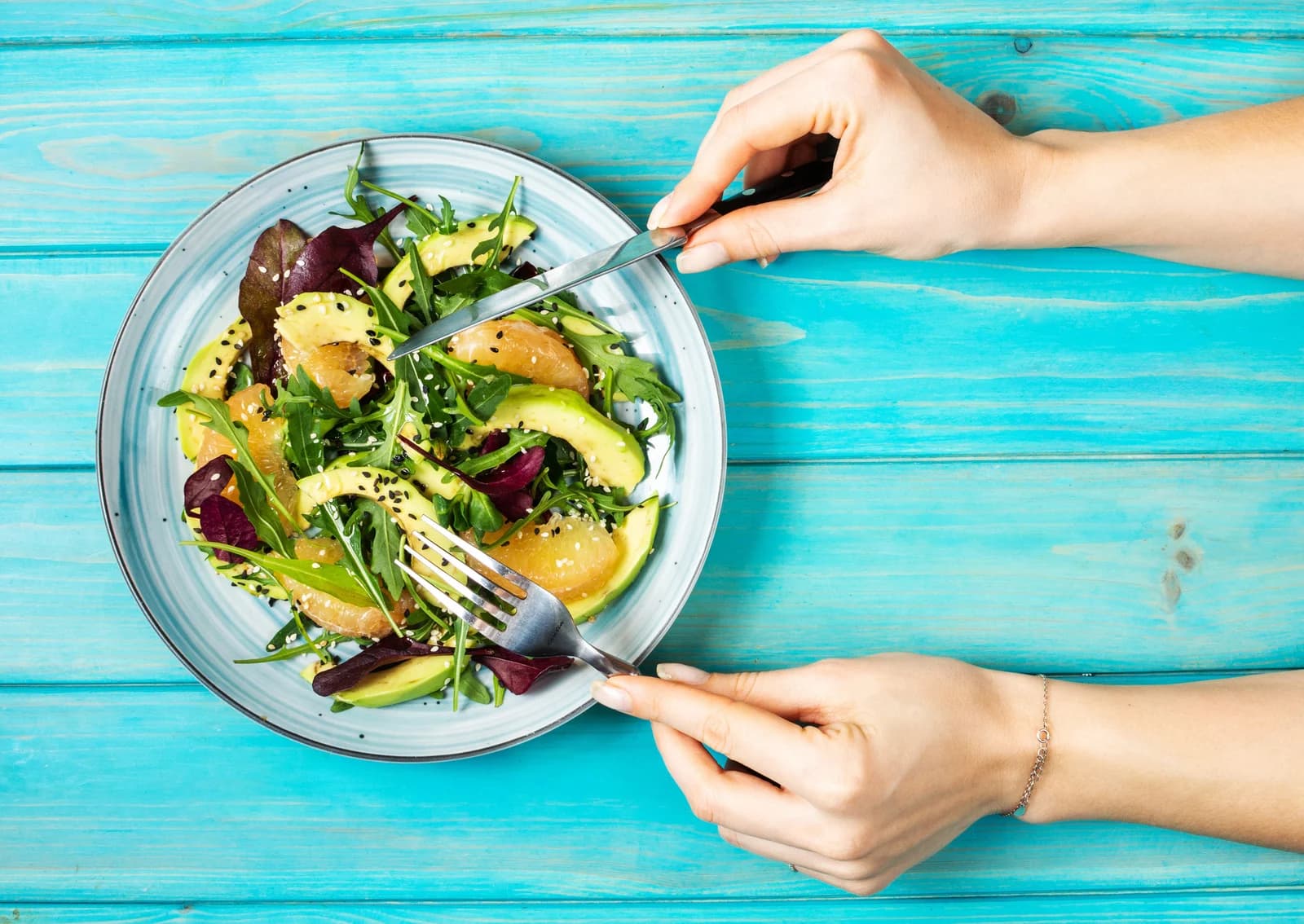
Order a hot dog in Santiago and it'll probably arrive buried under mashed avocado. Ask for a smoothie in Jakarta and there's a good chance it'll be avocado blended with ice and striped with chocolate syrup. In Bogotá, a bowl of chicken and potato soup comes with avocado slices on the side, and in Sydney a café breakfast without it can feel incomplete. Few ingredients have traveled as far, or changed shape as often, as this one fruit from the forests of Mesoamerica.
That makes the avocado a surprisingly useful lens for travel. Following it from country to country shows you how cuisines absorb a new ingredient, what each one decides it's for, and where the best versions are hiding. Some places treat it as a sauce, some as a side, and others as dessert. Here's where to find the dishes worth planning a meal around, and what each one says about the place that made it.
Where the Avocado's Story Starts
Long before anyone smashed one onto toast, avocados were feeding people in Central America. A 2025 study in the Proceedings of the National Academy of Sciences dated avocado remains from Honduras's El Gigante rockshelter and found that people there were eating wild avocados roughly 11,000 years ago. By about 7,500 years ago, they'd started favoring trees with bigger fruit and thicker skins, which means avocado cultivation was underway before maize reached the region. Smithsonian's reporting on the study also notes that about 90% of today's commercial avocado industry depends on the Hass, a variety grown mostly from clones.
That deep history explains why avocado shows up so differently from place to place. In its home range, it's a staple that cooks have had thousands of years to work into everyday meals. Everywhere else, it arrived fairly recently and got slotted into whatever role the local kitchen needed. Keep that in mind, and the variations below start to make a lot of sense.
Mexico: Guacamole, Tlayudas, and a Leaf Most Visitors Miss
Mexico leads the world in avocado production, and it eats a big share of its own harvest. The USDA's 2025 Mexico avocado annual report forecast national production at 2.75 million metric tons for 2025 and put per capita consumption at about 27 pounds a year. That's why avocado turns up on nearly every table, from street taco stands to fondas serving set lunches. Guacamole is the obvious starting point, and the best versions are pounded to order in a volcanic-stone molcajete with little more than onion, chile, cilantro, and salt.
Oaxaca rewards a little extra digging. Tlayudas, the oversized crisped tortillas layered with beans, quesillo, and grilled meat, usually come with sliced avocado, and Oaxaca's markets and woodfire tlayuda stalls are where they're cooked on comals every evening. Look closer at the stews and bean pots, too. Cooks across the state toast the leaves of native Mexican avocado trees, which carry a faint anise flavor, and use them to season black beans, barbacoa, and tamales. It's one of the few places where you'll taste the tree before you taste the fruit.
Peru and Chile: Where It's Called Palta
Cross into South America and the avocado changes names. In Peru and Chile it's palta, a word borrowed from Quechua, and it plays a supporting role in some of each country's most recognizable dishes. Peru's causa layers cold mashed potato seasoned with lime and ají amarillo around fillings like chicken, tuna, or avocado, and it's a standard starter in Lima. Palta rellena, a halved avocado stuffed with chicken or shrimp salad, is just as common at lunch counters and set-menu restaurants.
Lima is the easiest place to eat both well, since Lima's causa, ceviche, and Nikkei kitchens range from no-frills lunch spots to tasting-menu dining rooms. Order causa as a starter, then follow it with ceviche, which is best at lunch when the fish is freshest. The Nikkei restaurants, where Japanese technique meets Peruvian ingredients, often work avocado into maki and tiraditos in ways you won't see in Tokyo. If you're heading to Cusco next, it's worth building in an extra day here just to eat.
Chile takes a blunter approach. The completo italiano, a hot dog piled with diced tomato, mashed avocado, and mayonnaise, gets its name from the way those toppings mimic the colors of the Italian flag. It's sold at casual fuentes de soda across Santiago, and plenty of people switch to a knife and fork once the avocado layer gets out of hand. Chileans also spread palta on marraqueta rolls at breakfast, so don't be surprised to see it well before noon.
Colombia and Venezuela: Avocado as Sauce and Side
In Bogotá, avocado is a side dish with a specific job. Ajiaco santafereño, the city's signature chicken and potato soup flavored with an herb called guascas, arrives with capers, cream, and sliced avocado so diners can adjust each spoonful. The cool, rich avocado cuts through the starch and makes the whole bowl feel lighter. Restaurants around the country set a wedge of avocado beside bandeja paisa and other heavy plates for the same reason.
Venezuelan cooks turn avocado into guasacaca, a loose, tangy sauce blended with green pepper, onion, garlic, cilantro, vinegar, and oil. It's spooned over grilled meats at parrillas and tucked into arepas, and its sharper, thinner texture makes it a better match for charred beef and pork than a chunky guacamole. If you've tasted it on the road and want it again at home, a collection of dietitian-developed avocado recipes from breakfast to dessert includes a snapper with avocado guasacaca salsa, avocado-topped tostones, and a Brazilian seafood stew finished with avocado. Those versions are a practical way to recreate travel meals without hunting down a specialty restaurant.
Brazil and Southeast Asia: Where Avocado Turns Sweet
Travelers from North America are often caught off guard in Brazil, where avocado is usually treated as a dessert fruit. Vitamina de abacate, avocado blended with milk and sugar, is a standard order at juice bars in São Paulo and Rio de Janeiro. Creme de abacate, a chilled avocado cream brightened with lime, shows up as an after-dinner sweet in homes and casual restaurants. Savory preparations exist, but they're far less common than the sweet ones.
Southeast Asia took the sweet route, too. In Indonesia, es alpukat combines scooped avocado with shaved ice, condensed milk, and chocolate syrup, and jus alpukat, a thick avocado shake with chocolate drizzled inside the glass, is sold from street carts and warungs across Java and Bali. Vietnam's sinh tố bơ is a similar avocado smoothie made with condensed milk, and the highland city of Đà Lạt is known for kem bơ, mashed avocado topped with a scoop of coconut ice cream. The Philippines has its own avocado shakes and ice candy, usually sweetened with sugar and milk.
Australia and California: Brunch Plates and Sushi Rolls
Australia is where avocado became a breakfast staple for much of the English-speaking world. Smashed avocado on sourdough, usually finished with feta, lemon, chili flakes, or a poached egg, is often credited to Sydney cafés in the 1990s, and it's now a fixture on brunch menus in Sydney and Melbourne. Australian versions lean on texture, with roughly crushed avocado instead of a smooth spread. Expect local riffs with dukkah, pickled onion, or beetroot, depending on the café.
North America's contribution came through sushi. The California roll, an inside-out roll of crab, cucumber, and avocado, is generally traced to Japanese chefs working on the West Coast in the 1960s and 1970s, though Los Angeles and Vancouver both claim it. Avocado stood in for fatty tuna, which was hard to source and unfamiliar to many diners at the time. Today the roll appears on sushi menus from Lima to London, which makes it one of the most widely traveled avocado dishes of all.
How to Eat Your Way Through an Avocado Trip
Markets are the best place to start in any avocado-growing country. Vendors in Mexico and much of Latin America will often ask when you plan to eat the fruit, then pick one that'll be ripe that day or later in the week, so tell them it's for today if you're snacking on the go. Pack a lime and a small knife in your checked bag, and you've got an easy snack for bus rides and hikes. Smaller, oddly shaped local varieties are worth trying, too, since they can taste quite different from the Hass avocados sold back home.
Seasonality matters more than most travelers expect. Avocados are harvested at different times in different regions, so the same dish can taste richer or more watery depending on when you visit. Local cooks adjust for this, which is one more reason to order the regional specialty instead of a dish imported from somewhere else. Ask what's in season, and you'll usually get a better meal and a better conversation.
One Fruit, Many Kitchens
Following a single ingredient across borders is a cheap and surprisingly revealing way to travel. A guasacaca at a Venezuelan parrilla, a causa in Lima, and an es alpukat in Yogyakarta all start with the same fruit and end up somewhere completely different. Each one shows how a kitchen made the avocado its own, and each one is worth building a meal around. Bring an appetite and a willingness to try avocado in places you'd never think to put it.