
How AI agents are transforming travel planning and booking
By
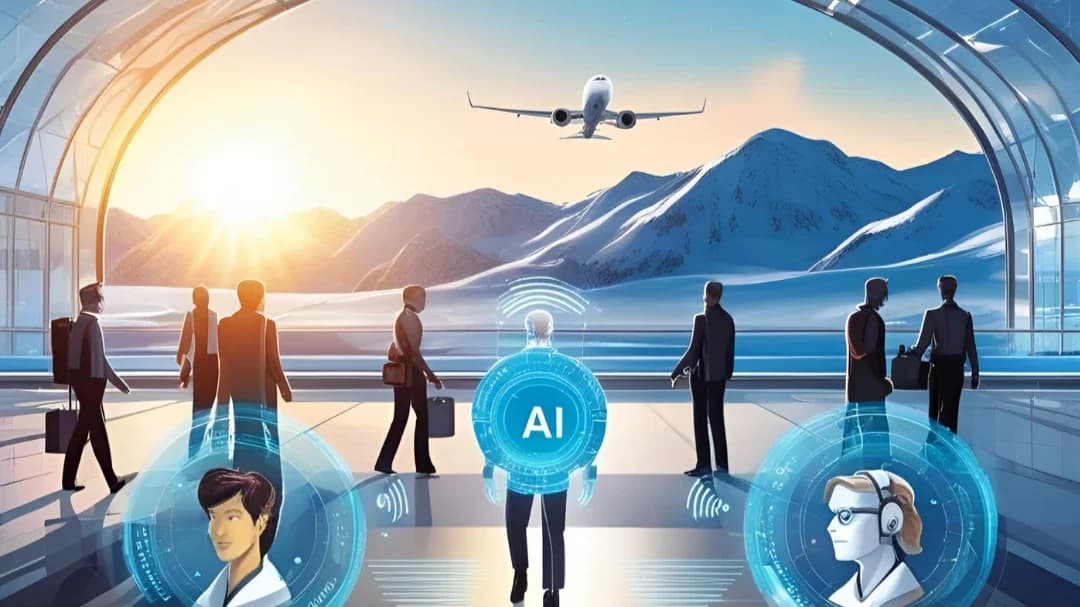
AI agents are changing how travelers research destinations, compare services, and organize their trips. Unlike traditional chatbots that mainly answer questions, AI agents can connect information from different sources and carry out multi-step tasks with appropriate permissions. For travel companies, this creates opportunities to deliver more personalized experiences, simplify booking processes, and improve customer service while keeping important decisions under human control.
1. How AI agents are changing travel planning
1.1. From general recommendations to personalized itineraries
Travelers have different budgets, schedules, interests, and expectations. Traditional booking platforms often require users to search across multiple pages before finding options that meet their needs. AI agents can simplify this process by interpreting requests expressed in natural language and turning them into structured travel plans.
For example, a traveler planning a five-day trip to Japan might specify a budget, preferred activities, dietary requirements, and accommodation preferences. An AI agent can use these details to suggest destinations, organize daily activities, and compare suitable hotels. As the traveler changes their preferences, the agent can revise the itinerary accordingly.
Personalization still depends on the quality of available information. Recommendations become more useful when the system can access reliable destination data, current prices, and the traveler's stated preferences rather than relying solely on general knowledge.
1.2. Comparing travel options across different sources
Planning a trip often involves comparing flights, hotels, transport options, and local activities. An AI agent connected to appropriate search tools and booking APIs can gather relevant information, evaluate alternatives, and present a shortlist based on the traveler's priorities.
Instead of focusing only on the lowest price, it can consider factors such as travel time, cancellation policies, location, and convenience. This helps travelers understand the trade-offs between available options without manually reviewing every result.
However, an AI-generated recommendation is not the same as a confirmed booking. Prices and availability can change quickly, so the system must verify important details against current supplier data before presenting them as reliable information.

2. Improving the travel booking experience
2.1. Simplifying booking and customer support
AI agents can support customers beyond the initial planning stage. When connected to booking systems, they may retrieve reservation details, explain relevant policies, prepare change requests, and guide travelers through the next steps.
For instance, if a customer needs to change a hotel reservation, an agent can check the applicable conditions, identify available alternatives, and explain any additional costs. Depending on its permissions and system integrations, it may also prepare the change for confirmation.
These capabilities can reduce repetitive work for customer service teams, particularly when businesses receive similar questions across multiple channels. Human staff can then focus on complex requests, complaints, and situations requiring judgment or negotiation.
2.2. Supporting travelers when plans change
Travel disruptions are difficult because a single change can affect several parts of an itinerary. A delayed flight may require adjustments to airport transfers, hotel check-in, or connecting activities.
An AI agent can help identify affected arrangements, search for alternatives through connected systems, and summarize the available options. It can also communicate relevant updates to travelers when authorized to do so.
Nevertheless, disruption management requires careful controls. The agent should distinguish verified information from estimates and obtain approval before making costly or irreversible changes. Reliable integrations and clear escalation rules are essential when time-sensitive decisions affect a customer's trip.
3. What travel companies need to consider before adopting AI agents
3.1. Data quality and system integration
An AI agent is only as useful as the information and tools available to it. Outdated prices, incomplete booking records, or inconsistent supplier policies can lead to incorrect recommendations and poor customer experiences.
Travel companies should assess whether their existing booking platforms, customer relationship management systems, and supplier databases can support the intended use case. Where possible, agents should retrieve current information from trusted sources instead of generating answers from model knowledge alone.
Businesses should also define access permissions, protect customer information, and maintain records of important actions. These measures help make AI-assisted processes more reliable and easier to monitor.
3.2. Starting with a focused use case
Implementing an AI agent across an entire travel operation can be costly and difficult to manage. A more practical approach is to begin with a specific process, such as responding to common inquiries, preparing itinerary drafts, or qualifying booking requests.
Companies can then evaluate performance using measurable indicators, including response time, booking conversion, error rates, and the amount of manual work required. Successful pilots can be expanded gradually as the technology and operational processes mature.
This approach also helps businesses determine where automation creates genuine value and where human involvement remains necessary.

4. Building AI solutions around real business needs
Developing AI agents for travel businesses requires more than choosing a language model. Companies need reliable data, system integration, security, and workflows that support real operational needs. PowerGate Software helps businesses turn these requirements into software products, connecting AI capabilities with existing systems and business processes.
For travel companies, practical applications include personalized itinerary generation, booking support, and coordination across reservation systems. The right approach depends on data availability, integration requirements, customer needs, and the level of human oversight required.
PowerGate Software, an AI-powered software product studio, can support travel businesses in developing AI-enabled solutions around clearly defined operational challenges. Starting with a focused use case helps companies validate feasibility, assess business value, and build toward more advanced AI capabilities over time.
The right solution will depend on each company's customers, available data, and business model. A travel agency may prioritize personalized itinerary creation, while a larger booking platform may focus on reservation support or coordinating services across multiple systems.
AI agents are transforming travel planning and booking by connecting personalized recommendations with practical assistance across the customer journey. Their value depends on reliable data, effective system integration, and appropriate human oversight. For travel companies, starting with a clearly defined problem is a sensible way to explore AI agents, improve service quality, and build a foundation for more capable travel solutions over time.