
Miami for First Time Cruisers and the Mistakes That Waste the First Day
By
 123RF / image 205190041
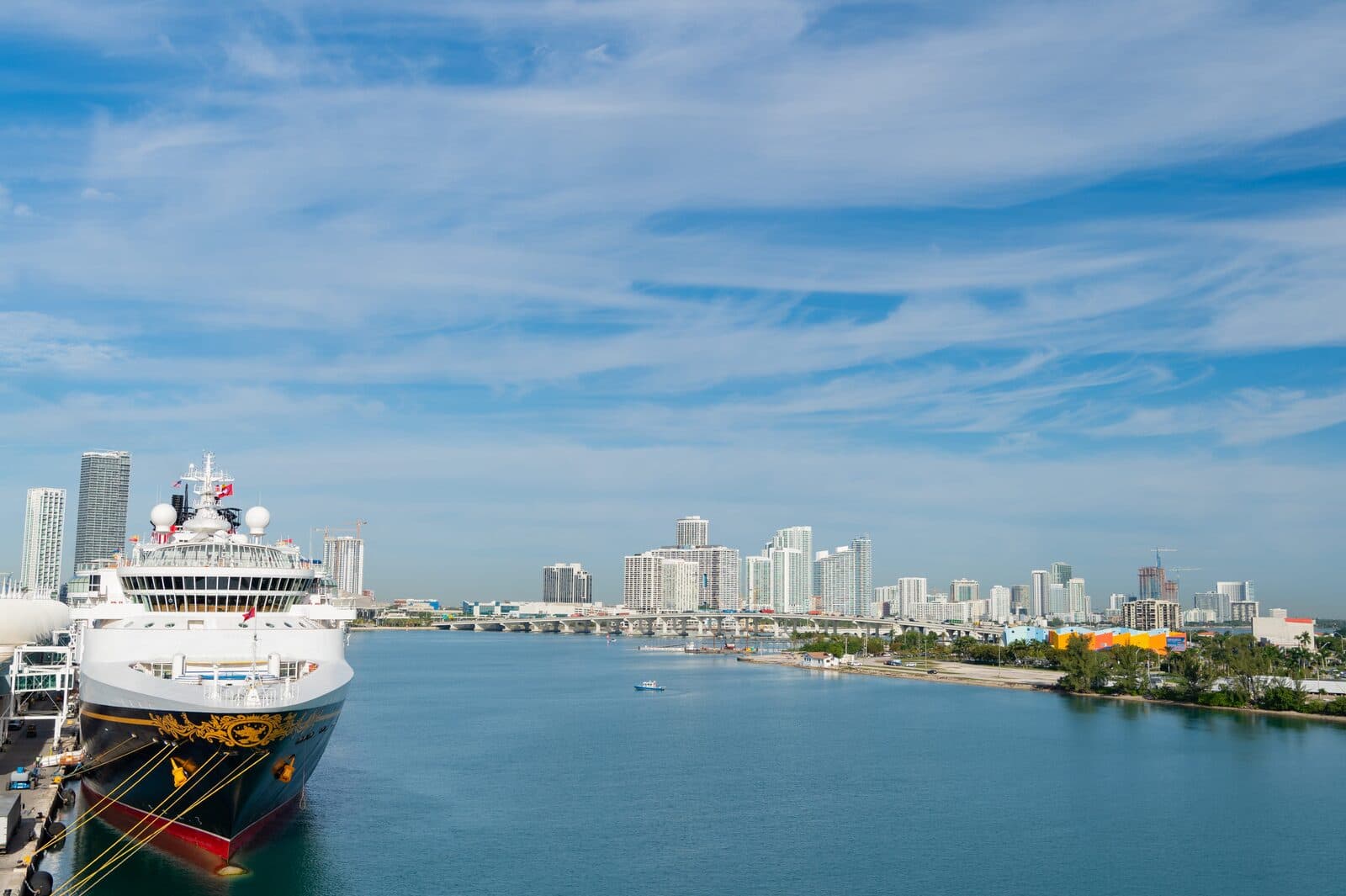
PortMiami sits on Dodge Island east of downtown Miami, and Miami International Airport lies about eight miles west across the city. On a clear run, that eight mile drive takes near 20 minutes, while a busy embarkation morning can stretch the same road to 40 to 60 minutes as several ships load at once. For a first time cruiser, that gap is the whole first day, because baggage claim and port traffic both sit in front of a boarding window that does not wait. Terminals at PortMiami carry letters, and those letters matter most on sailing day, since each terminal serves specific ships on a given date. Boarding documents name the terminal for your sailing, and assignments change with ship and date, so an older guide gives no guarantee for the next trip. High season mornings can bring seven to ten ships to the port at once, which is why a short drive can still turn into a long morning at the terminal entrances.

Flying In On Sailing Day
Delayed morning flights are the most common way a first cruise starts badly, because baggage claim and port traffic follow landing and leave little room before the boarding window closes. Booking private car service in Miami as one run keeps airport pickup and terminal drop inside a single booking, instead of arranging two separate rides on the same morning. Flight monitoring is standard practice for Miami airport runs, and SAL Limo Service is one local operator that adjusts pickup times when arrivals shift. Chauffeurs wait at Level 1 baggage claim at MIA, and texts with driver name and vehicle plate arrive before landing, while international arrivals meet outside the customs exit.
Landing after midday on sailing day leaves almost no margin, because a single delay at the gate or a slow bag claim can eat the buffer that a morning flight would have kept. Night before arrival changes sailing morning completely, since the day starts with a short hotel to port ride instead of a race from the airport. Flight cancellation on sailing day has no same-day fix when the boarding window is fixed, which is why experienced cruisers treat the night before as part of the cruise, not an extra expense.
Heading For The Wrong Terminal
Each terminal at PortMiami serves specific ships. Royal Caribbean ships commonly use Terminal A. Carnival ships commonly use Terminal F, and Norwegian ships commonly use Terminal B. MSC ships use Terminal AA, and Virgin Voyages ships use Terminal V. Cruise line apps carry the most current assignment, so checking the app the night before sailing beats trusting a guide printed months earlier.
Stopping at the check-in entrance for the named terminal, instead of at the port gate, is the usual Miami practice, SAL Limo Service included. Drivers confirm ship and terminal before departure, and cruisers driving themselves should put the terminal letter into navigation instead of entering only the port name.
Tunnel access serves Terminal A and Terminal B, while bridge access serves Terminal F, so the route into the port depends on the letter as much as on traffic. Checking boarding documents the night before sailing takes a few minutes and prevents a morning spent correcting a route that was wrong from the start.
Packing Documents In Checked Bags
Passports and boarding passes belong in hand luggage for the trip to the ship, because checked bags go to porters at the terminal and cannot be reached again until cabins open. A passport inside a checked bag blocks check-in at the exact moment when the queue behind is longest. Porters sort bags by the terminal printed on luggage tags, which is another reason the terminal letter deserves a check before bags leave your hands.
Medication needs original packaging in a bag that stays with the cruiser, since a week at sea starts with hours away from a pharmacy. Phone chargers belong in hand luggage as well, because boarding passes and terminal details live on phones. Copies of travel documents in a separate bag add a backup when originals go missing.

Sizing A Vehicle By Seats Instead Of Bags
Cruise luggage decides vehicle size before headcount does, because a week at sea means large cases plus carry-on bags for each traveller, and that load grows fast for a family. Sedans suit couples with light bags, while SUVs suit small families with several large cases. Strollers and extra sports equipment can push bag counts past sedan capacity in a single trip, which is why bag count should be settled before seats are counted.
Fleet size in Miami tells the same story, with operators such as SAL Limo Service running SUVs for six passengers and six bags alongside larger Sprinters and coaches for bigger parties. Three passengers with four large bags fit an Escalade or Suburban with six seats and six bag spaces, and a Mercedes Executive Sprinter seats fourteen. Mini Coach capacity runs from twenty three to thirty seven passengers, and a Premium Motor Coach carries fifty six, so counting bags before booking prevents a second vehicle at the kerb.
Squeezing Miami Into Cruise Morning
Morning on sailing day leaves no room for a first visit to Miami, because the boarding window sets the pace and every stop before the port eats into it. South Beach and Little Havana belong on a pre-cruise day, not on cruise morning, since both deserve unhurried time that a sailing schedule does not allow.
Night before arrival in Miami opens a full day for the city, with South Beach and Little Havana both easy to enjoy without a boarding clock running. Hotel to port travel on sailing morning is a standard leg in Miami, SAL Limo Service included among the local operators. Starting the day at the hotel, instead of hunting for transport at a port gate, keeps sailing morning to a single short ride.
Travelling As A Group Without A Single Plan
Groups split when members arrive on different flights and book separate rides, because separate rides reach different terminals at different times and reunion happens inside a crowded terminal. One plan with one meeting point and one terminal holds a group together from airport to ship, and members without the same terminal letter split at the port even when they travelled together. Sharing flight times and terminal details before departure prevents a missed pickup when one flight lands late, and a shared document saves a round of messages on sailing morning.
Single vehicle travel for a group is common in Miami, a setup SAL Limo Service shares with other local operators, with Sprinter vans for mid-size parties and coaches for large parties travelling together. Twelve people fit in one chauffeured van that keeps a larger cruise party together for a single pickup, instead of spreading members across cars that arrive at different doors.

First Day Checklist Before Leaving Home
Boarding documents get checked first for the terminal letter and the boarding window, and flights get booked for the day before sailing when schedules allow. Passports and medication stay in hand luggage. Bag counts decide vehicle choice before booking, and pickup times get confirmed for airport arrival and for hotel to port travel. Sightseeing fits the day before sailing, not cruise morning, and South Beach walks and Little Havana meals work better with no boarding clock running.
Readers planning group trips find practical points in a guide to group cruise vacation planning, which covers shared flights and transfer plans for a group sailing together. Round the clock airport and cruise port coverage in Miami, SAL Limo Service included, means a late flight change still leaves a pickup plan in place.