
 Posted by Brandon B.Admin
A Fado Show on Rua da Misericórdia: Lisbon's Soulful Night Out
If you're trying to understand what makes Lisbon feel different from every other European capital, a fado show is probably the closest you'll get to an answer. A Fado Show, located at Rua da Misericórdia 14 in the Chiado district, puts you directly inside that tradition. This is not a tourist trap with waiters in costume. It's a dedicated space where the music takes priority, and the audience is expected to sit quietly and actually listen.
Fado is hard to translate. The Portuguese word "saudade" gets used a lot around it, pointing at something like longing, loss, and beauty folded into one feeling. Hearing it performed live in a room built for exactly that purpose is a genuinely different experience from catching a clip online or stumbling into a restaurant where fado plays in the background between courses.
Why A Fado Show Matters
Lisbon has dozens of fado venues, ranging from intimate family-run tascas in Mouraria to larger productions in Alfama. What sets this spot apart is its location in Chiado, one of the more polished and accessible neighborhoods in the city, sitting just uphill from Cais do Sodré and a short walk from the Largo do Chiado square. The address on Rua da Misericórdia puts you close to the Museu do Chiado and the Igreja de São Roque, so an evening here fits naturally into a full day in that part of the city.
The show format itself is designed to be approachable for visitors who may have no prior knowledge of fado. You don't need to speak Portuguese to feel it.
Quick Facts
- Address: Rua da Misericórdia 14, Chiado, Lisbon
- Category: Live music and cultural performance
- Neighborhood: Chiado, close to the border with Bairro Alto
- Show type: Ticketed live fado performance
- Typical duration: Performances often run around 1 hour, though this can vary by session
- Language: Musical, no language required to enjoy it
- Nearest metro: Baixa-Chiado (Blue and Green lines), roughly 5 minutes on foot
Getting There
The Baixa-Chiado metro station is your easiest option. Take the Chiado exit and walk uphill along Rua do Carmo or cut through Largo do Chiado, then follow Rua da Misericórdia south. The street runs parallel to Rua do Alecrim and connects Chiado to the area around Cais do Sodré. On foot from Praça do Comércio, you're looking at about 15 minutes uphill. Tram 28 passes through nearby streets if you prefer not to climb.
Parking in this part of Lisbon is genuinely difficult. If you're coming from outside the center, the car parks near Amoreiras or Príncipe Real are worth considering, followed by a short walk or taxi.
The Experience
Fado performances in Lisbon typically feature a vocalist, a Portuguese guitarra player, and a viola baixo player providing the bass line. The guitarra is the instrument that defines the sound: a twelve-string instrument with a distinctly round body that produces those shimmering, trembling tones you'll recognize immediately once you hear it live. The interplay between the singer and the guitarists is where the real conversation happens.
A Fado Show is set up specifically as a performance venue rather than a dinner-with-entertainment format. That distinction matters. You're there to watch and listen, not to have the music compete with the sound of cutlery. The intimacy of a smaller venue means you're rarely more than a few rows from the performers, which changes how the music lands.
Expect an emotional range across a typical performance. Some fados are mournful and slow, built around loss or the sea. Others are more rhythmic and almost playful. A skilled vocalist moves between these registers, and the audience tends to respond with a stillness that can feel unusual if you're used to background-music culture. That silence is actually a form of respect here.
History and Background
Fado as a recognized musical form has roots in Lisbon going back to at least the early 19th century, though its exact origins are debated. Scholars point to influences from African rhythms brought through the port, older Portuguese folk traditions, and the urban working-class neighborhoods of Mouraria and Alfama. UNESCO added fado to its Intangible Cultural Heritage list in 2011, which formalized what Lisboetas had known for generations.
The Chiado neighborhood has its own long connection to Portuguese artistic life. The poet Fernando Pessoa spent considerable time in the cafés of this district, and the area has historically attracted writers, intellectuals, and musicians. Performing fado in Chiado carries that cultural weight, even if the neighborhood today is better known for its bookshops and espresso bars than its bohemian past.
Tickets and Entry
Tickets are typically purchased in advance, and booking ahead is strongly recommended especially if you're visiting between spring and autumn when demand from visitors is high. Walk-in availability on the night is unpredictable. The venue operates at a limited capacity to preserve the intimate atmosphere, so seats can sell out days in advance during peak periods.
Pricing sits in the mid-range tier for Lisbon entertainment. You're paying for a dedicated cultural performance rather than a dinner show, so the value calculation is straightforward if live music is important to you. Check the official booking page for current session times and availability.
Best Time to Visit
Evening performances are the standard format for fado. Arriving a few minutes early gives you time to settle in and get a feel for the room before the music starts. The venue tends to fill up, so late arrivals can be disruptive and venues typically ask audiences to be seated before the performance begins.
If you're in Lisbon outside the main tourist season, autumn and winter evenings are arguably the best time to experience fado. The shorter days and cooler weather match the mood of the music in a way that a bright June evening sometimes doesn't. That said, the music is worth hearing any time of year.
Combining with Nearby Attractions
Rua da Misericórdia sits between two of Lisbon's most walkable neighborhoods, making it easy to build a full evening around a fado performance. The Museu Nacional de Arte Antiga is a short taxi ride away if you want a cultural afternoon before the show. Closer by, the Largo do Chiado and the surrounding streets have good options for dinner before the performance, ranging from traditional Portuguese to more contemporary cooking.
The Miradouro de Santa Catarina, one of the city's more relaxed viewpoints, is about 10 minutes on foot from Rua da Misericórdia and worth the detour before or after. If you're heading toward Bairro Alto for a drink after the show, you're already in exactly the right part of the city.
Practical Tips
- Book your ticket at least a few days ahead, more if you're visiting in summer or around major holidays.
- Arrive 10 to 15 minutes before the listed start time. Fado venues typically close the doors once a performance begins.
- Keep your phone on silent and avoid using it during the performance. The audience culture here is genuinely attentive.
- Dress is casual to smart-casual. Chiado runs slightly more polished than Alfama, but there's no formal dress code.
- The area around Rua da Misericórdia is hilly and the streets are cobbled. Comfortable shoes are practical, especially if you're walking from the metro.
- If you want to compare fado styles, consider also visiting a more traditional tasca in Mouraria or Alfama, where the format is less formal but the music equally serious.
FAQ
Do I need to understand Portuguese to enjoy a fado show?
No. The emotional content of fado travels across language barriers more effectively than almost any other music. Many visitors report being moved by performances without understanding a single word. Some venues provide brief written notes on the themes of each song, which can deepen the experience if you want context.
Is A Fado Show appropriate for children?
The content is not inappropriate for children, but the format requires sitting quietly for an extended period. Whether that works depends entirely on the child. The music can be intense and slow-moving, which younger children may find difficult.
How does this compare to fado venues in Alfama?
Alfama and Mouraria are considered the historic heartland of fado, and the venues there often have a rawer, more informal feel. A Fado Show in Chiado is more structured and accessible, which suits first-time visitors well. Neither approach is more authentic than the other. They're simply different ways into the same tradition.
Can I take photos during the performance?
Most fado venues ask audiences not to photograph or film during performances. Check the specific guidelines when you book, but the general etiquette in serious fado spaces is to put the camera away and be present.
Reviews
Sign in and mark this place visited to leave a review.
No reviews yet.
Free Trip Planner
Plan your Lisbon trip with our free planner
Build a day-by-day itinerary with AI suggestions, hand-picked places, and friends. Free forever — no credit card.
Things to see near A Fado Show
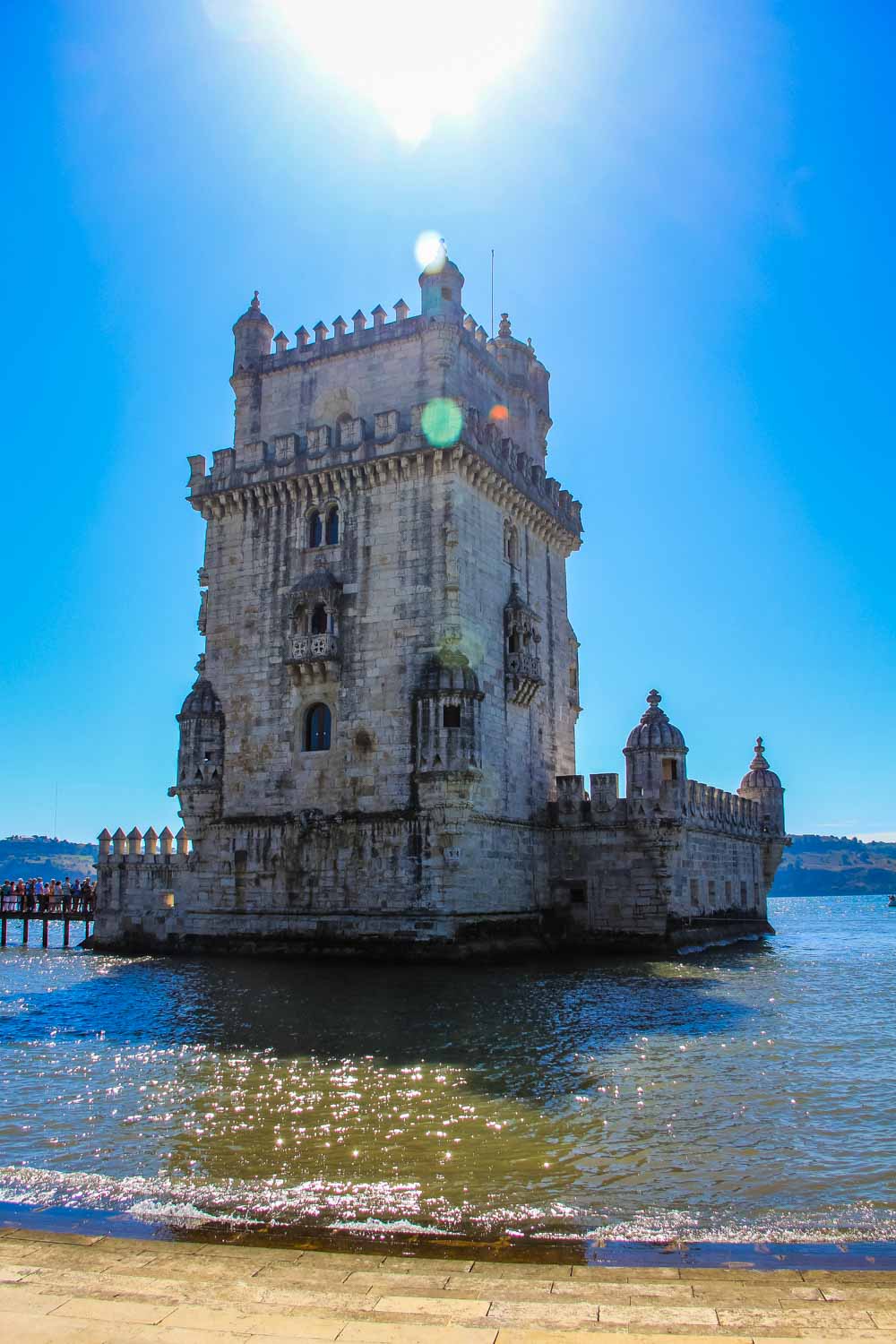
Belém Tower
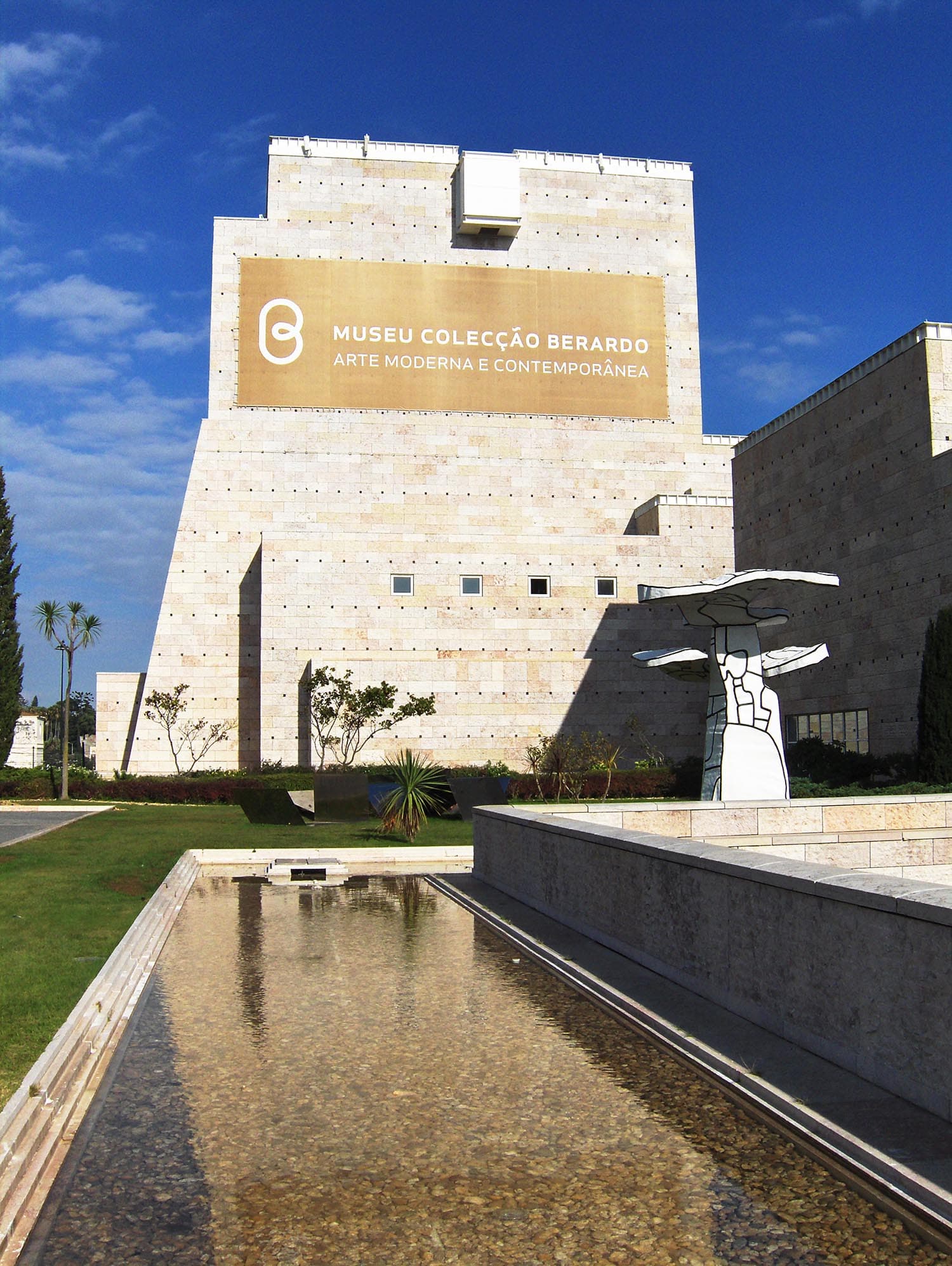
Berardo Collection Museum
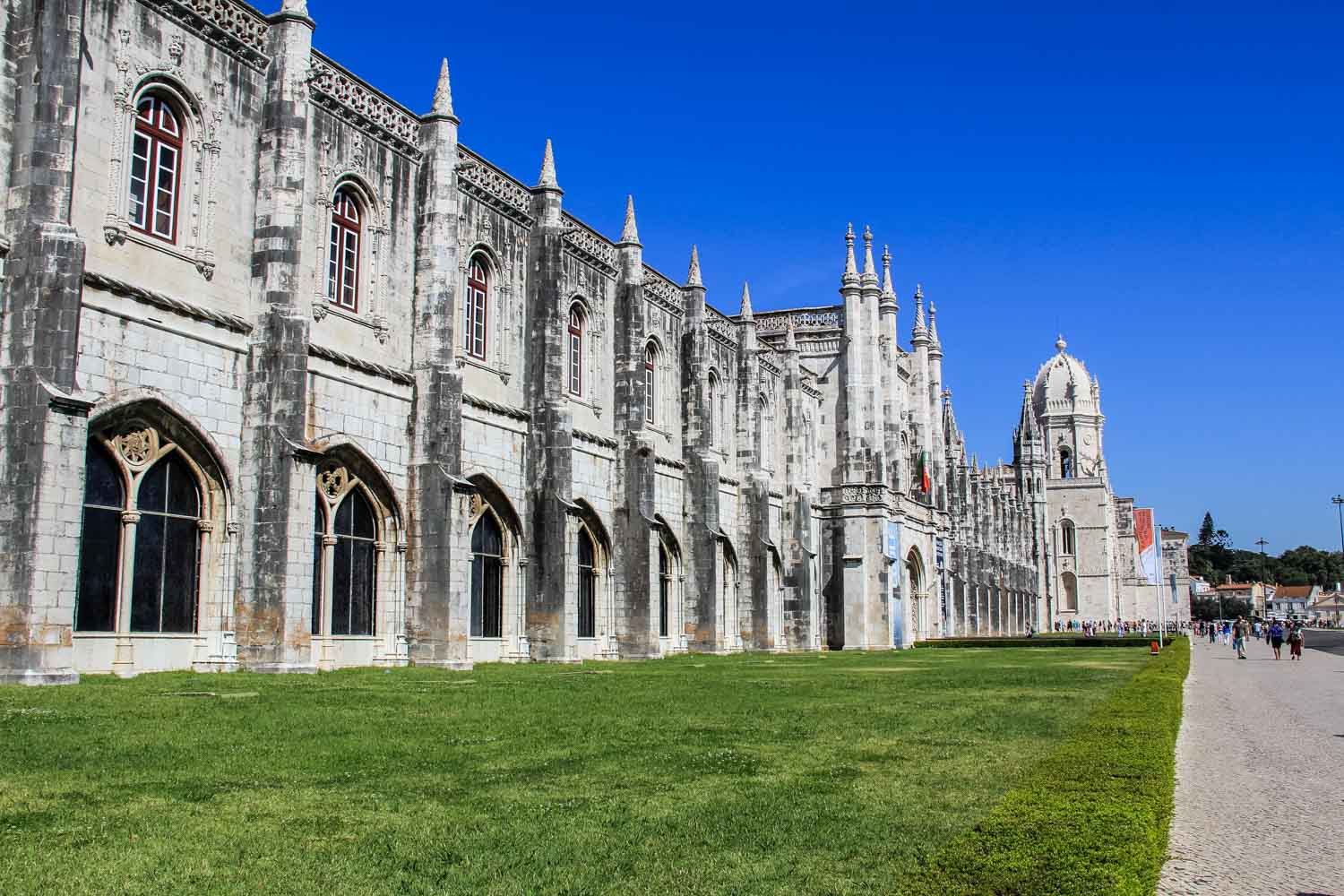
Mosteiro Dos Jerónimos
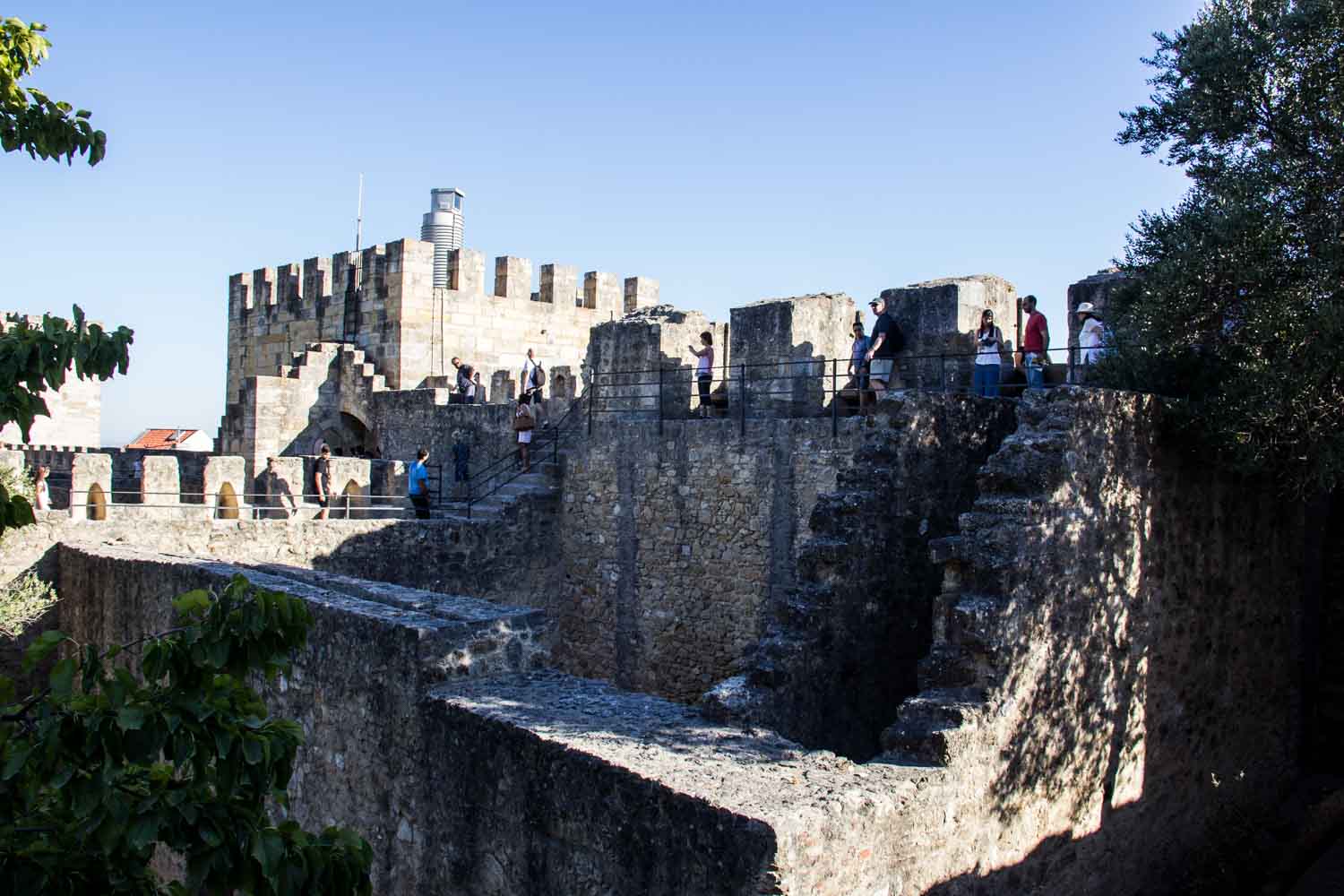
São Jorge Castle
Places to eat or drink near A Fado Show

Ponto Final

Pastéis de Belém

Time Out Market Lisboa

Coyo Taco Cais do S
More places in Lisbon

Croissant Gigante – Bar & Cocktail

Crepes D'Santa Clara

L'éclair
