
Berardo Collection Museum
Open now
Berardo Collection Museum
Museu Colecção Berardo, Centro Cultural de Belém, Lisbon, Lisbon 1400-126, Portugal Posted by Brandon B.Admin
Berardo Collection Museum
The Berardo Collection Museum sits inside the Centro Cultural de Belém, a sprawling cultural complex in Lisbon's waterfront neighborhood. This museum houses one of Europe's most significant private collections of modern and contemporary art, spanning from the early 1900s to the present day. If you're interested in seeing how art evolved across the twentieth century, or if you want to understand the contemporary art scene through a carefully curated lens, this is where to spend your afternoon.
Why this place matters
The museum's strength lies in its breadth. You'll find works by artists who shaped modernism, surrealism, and abstract art alongside pieces by contemporary figures. The collection reflects how art moved from Europe to America, how political upheaval influenced artistic expression, and how technology changed what artists could make.
What distinguishes the Berardo from many other art museums is its emphasis on context over prestige. The curators don't just hang famous names. They build thematic connections between pieces, showing you why one artwork responds to another across decades. This approach makes the collection feel alive rather than archival.
Quick facts
- Located in Centro Cultural de Belém in the Belém neighborhood of Lisbon
- Permanent collection spans from 1900 to the present day
- General admission is free for the permanent collection
- Temporary exhibitions sometimes carry a separate admission fee
- The museum occupies approximately 5,000 square meters of gallery space
- Open daily except Mondays
- Most visitors spend 2 to 3 hours here
Getting there
The museum is accessible by public transport. The 15E tram stops directly outside Centro Cultural de Belém. If you're coming from the city center, the tram journey takes roughly 15 minutes. The Alcântara Terra train station is a 10-minute walk away if you're arriving by rail.
Parking is available in the Centro Cultural de Belém complex, though the waterfront area fills up during peak hours. Most visitors find it easier to arrive by tram or train.
The entrance to the museum is well-marked from the main plaza of the cultural center. If you arrive after 5pm on weekdays, you'll find fewer crowds and can move through the galleries at a more leisurely pace.
The layout and experience
The museum occupies several floors within the cultural center. The permanent collection is arranged thematically rather than strictly chronologically, which means you might encounter Cubism and Pop Art in the same section if they're addressing similar ideas about representation.
The galleries are generous and well-lit. Ceilings are high enough that large-scale installations and paintings have room to breathe. The flow between galleries feels natural, and you're unlikely to feel herded or rushed.
One section focuses on the emergence of modernism in early twentieth-century Europe. Another explores how abstraction developed as artists rejected traditional representation. You'll find dedicated spaces for surrealism, constructivism, and the postwar movements that dominated the mid-century. Contemporary galleries on the upper floors bring you to recent decades.
The museum doesn't overwhelm you with density. Each gallery has enough breathing room that you can stand back from a piece or move close to examine details without feeling crowded.
Main highlights
The collection includes significant works by canonical figures like Picasso, Matisse, and Miró. You'll encounter important pieces by Portuguese artists who often don't receive international attention, giving you perspective on how Lisbon's artistic traditions fit into broader European movements.
The surrealism section is particularly strong. If you've seen surrealist works elsewhere, you'll recognize some names, but the Berardo tends to display less-familiar pieces that reveal new dimensions of the movement beyond its most famous representatives.
Contemporary galleries showcase how artists from the 1980s onward have grappled with mass media, identity, and technology. These sections feel current because the collection continues to acquire new work, and temporary exhibitions often highlight emerging artists.
The museum's collection of Portuguese modernism offers insight into how artists in Lisbon engaged with international movements while developing distinctive local responses. This context is valuable if you plan to visit other art institutions around the city.
History and background
The collection was assembled by Joe Berardo, a Portuguese-born businessman and art collector, over several decades. His approach emphasized acquiring works that illustrated major artistic movements and shifts in how artists approached their practice. Rather than collecting trophy pieces for their fame alone, Berardo focused on building a narrative arc through art history.
The collection found its permanent home in Centro Cultural de Belém in 2006. The cultural center itself opened in 1992, designed as a space for exhibitions, performances, and cultural programming. The Berardo Museum now anchors the visual arts programming for the entire complex.
Tickets and entry
General admission to the permanent collection is free. This is one of the museum's significant advantages if you're traveling on a budget or prefer not to commit to paid entry before deciding how long to stay.
Temporary exhibitions held in separate gallery spaces within the same building usually require a separate ticket. These exhibitions rotate throughout the year and often feature contemporary artists or thematic explorations of the permanent collection.
Guided tours are available and tend to be offered in Portuguese and English. If you want to deepen your understanding of the artworks or learn about the curatorial choices behind the displays, a tour can provide that context.
Best time to visit
Weekday mornings and early afternoons tend to be quieter than weekends. If you visit on a Wednesday or Thursday morning, you'll often have entire galleries to yourself. This quiet pace lets you sit with individual works longer and think without distraction.
The museum is closed Mondays, so plan accordingly. Tuesday through Sunday are all open, though hours tend to shift with the season. Late afternoon visits on weekdays offer another low-crowd window if morning hours don't suit your schedule.
Summer months can bring international tourists, making the galleries more populated. Winter and early spring tend to feel more local and less crowded.
Photography tips
Most galleries permit photography, but flash is prohibited. This is standard practice and helps preserve the artworks. You'll get the best results using natural light near windows or relying on the museum's ambient lighting if you have a camera that performs well in lower light.
The scale of some works is difficult to capture in a photograph, so consider taking a few shots to remember the context and layout, then spend time looking with your eyes rather than through a lens. Some of the most rewarding moments in the museum happen when you step back from a large painting and let it occupy your visual field.
Facilities and preparation
The museum has a café in the Centro Cultural de Belém complex where you can rest between galleries. The facility includes restrooms and water fountains. The building is wheelchair accessible, with elevators connecting all floors of the museum.
Bring comfortable shoes. You'll be on your feet for at least two hours if you move at a moderate pace through the collection. The galleries are spacious but require walking to explore fully.
The museum provides printed guides in multiple languages. These can help you navigate the thematic organization and understand the curatorial logic behind the displays.
Combining with nearby attractions
Centro Cultural de Belém hosts other cultural programming beyond the Berardo Museum. The complex includes spaces for theater, dance, and performance, so check what's scheduled during your visit. You might catch an evening performance to extend your cultural experience.
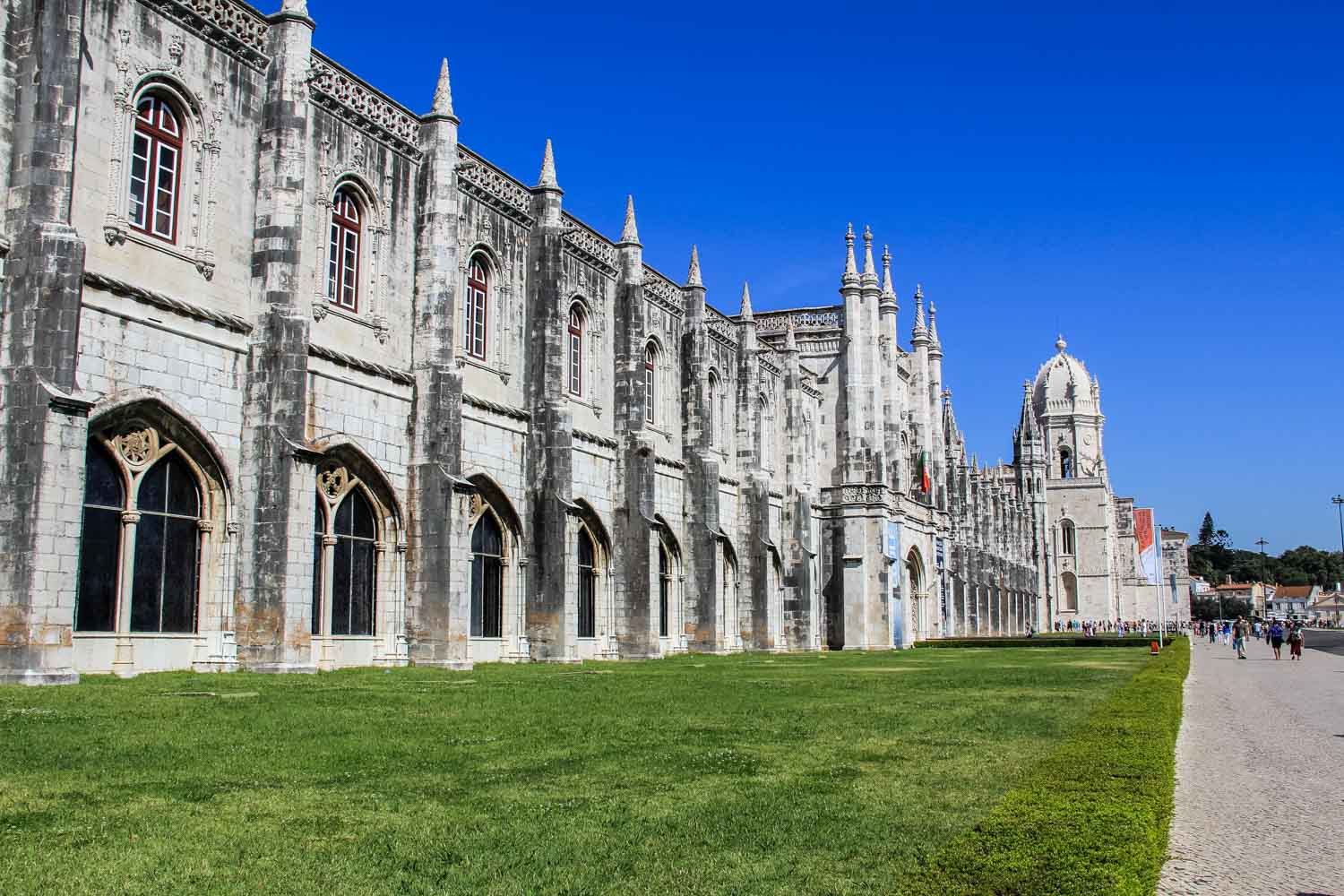
The Belém neighborhood is home to several other significant sites. The Jerónimos Monastery is a ten-minute walk away and represents a different era of artistic and architectural achievement. The Pastéis de Nata Museum, dedicated to Portugal's famous custard tart, is nearby if you want a lighter counterpoint to serious art viewing.
The waterfront promenade around Centro Cultural de Belém offers views across the Tagus River. After spending hours inside the museum, a walk along the water provides a natural transition before heading elsewhere in the city.
Sample visit plan
A typical visit might begin by entering the permanent collection and moving through the early modernism galleries. Spend 45 minutes here getting oriented to the thematic approach and the range of work on display. Move into the surrealism and abstraction sections, spending another 45 minutes to an hour exploring how artists approached representation differently.
Take a 15-minute break at the café. Then explore the postwar and contemporary galleries, spending your remaining time in sections that interest you most. If temporary exhibitions are running, you can allocate additional time, though these require separate admission.
Most people find three hours is a comfortable pace that allows you to see the collection without rushing or fatigue. You can certainly spend longer if you want to examine works closely or sit with particular pieces for extended periods.
Practical tips
- Wear comfortable walking shoes. The gallery spaces are extensive and require moving between levels
- Visit on a weekday morning for the quietest experience and most contemplative environment
- Check the museum's website before your visit to see if temporary exhibitions are running, as these may interest you
- The café inside the cultural center offers a good rest point without requiring you to leave the building
- Printed guides help you understand the thematic organization of the permanent collection
- Photography is permitted without flash, so bring a camera if you want to document pieces for later reflection
- The 15E tram stops directly outside the complex, making arrival and departure straightforward
- Plan to spend at least two to three hours to see the collection without rushing
FAQ
Is admission really free? Yes, general admission to the permanent collection is free. Temporary exhibitions sometimes charge admission, but the main galleries are always free to enter.
How long should I plan to spend here? Most visitors spend two to three hours. You could move through more quickly if you want a general overview, or spend four to five hours if you want to examine works closely and read all the contextual information.
Do I need to book ahead? The museum rarely reaches capacity, so advance booking is not necessary. You can arrive and enter without reservations on any open day.
What's the best way to get here from downtown Lisbon? Take the 15E tram from the city center toward Belém. The journey takes about 15 minutes and deposits you directly outside Centro Cultural de Belém.
Are there guided tours available? Yes, guided tours are offered and typically available in Portuguese and English. Check at the information desk upon arrival for current tour times.
Opening hours
Reviews
Sign in and mark this place visited to leave a review.
No reviews yet.
Free Trip Planner
Plan your Lisbon trip with our free planner
Build a day-by-day itinerary with AI suggestions, hand-picked places, and friends. Free forever — no credit card.
Things to see near Berardo Collection Museum
Places to eat or drink near Berardo Collection Museum

Ponto Final

Pastéis de Belém

Time Out Market Lisboa

Coyo Taco Cais do S
More places in Lisbon

Croissant Gigante – Bar & Cocktail

Crepes D'Santa Clara

L'éclair
