
Belém Tower
1400-038, Lisbon, Lisbon, Portugal Posted by Brandon B.Admin
Overview
Belém Tower stands on the Tagus River in Lisbon's Belém neighborhood, one of Portugal's most recognizable monuments. Built in the early 16th century as a fortress and customs house, it has watched over the river entrance for more than 500 years. The tower rises from a small island, its distinctive Manueline architecture instantly recognizable to anyone who has spent time in Lisbon. If you've seen postcards of the city, you've likely seen this structure.
The tower functioned as a defensive stronghold during the Age of Exploration, when Portuguese ships departed from the nearby riverbanks to discover new trade routes. Today it operates as a museum and UNESCO World Heritage Site, attracting thousands of visitors each year who climb its narrow staircases and peer out from its crenellated walls.
Why this place matters
Belém Tower represents a pivotal moment in European history. It was built during the reign of King Manuel I, whose patronage of exploration and maritime expansion shaped the entire Portuguese empire. The tower's architecture embodies the Manueline style, a distinctly Portuguese form that blends Gothic, Renaissance, and Islamic influences into something entirely unique.
The monument sits at the threshold between Lisbon's past and its modern identity. It marks the point where explorers once set sail, and where the river still carries the city's commercial traffic. Standing here, you're literally at the edge of where Portuguese history expanded outward to reshape the world.
Quick facts
- Built between 1514 and 1520 during the reign of King Manuel I
- Located on a small island in the Tagus River, accessible by a drawbridge from the riverbank
- Contains six stories above ground, with dungeons below water level
- Designated a UNESCO World Heritage Site as part of Jerónimos Monastery and the surrounding historic district
- The tower stands approximately 30 meters tall from the water's surface
- Open daily except Mondays and certain holidays
- Admission is mid-range; discounted rates available for children and EU citizens under 26
- Plan 45 minutes to an hour for a full visit, including the climb
Getting there
The tower sits in the Belém neighborhood, roughly 6 kilometers west of Lisbon's city center. The easiest approach is by tram: take tram 15 directly from Praça do Comércio in downtown Lisbon. The journey takes about 20 minutes, and you'll be dropped steps away from the monument. If you're staying near the Rossio or Baixa districts, this tram ride is straightforward and scenic, hugging the riverfront for much of the route.
You can also reach Belém by bus, or by walking if you have an hour and enjoy riverside paths. Driving is possible but parking near the tower tends to be tight during peak tourist hours. The neighborhood is flat and walkable once you arrive, with pedestrian areas leading directly to the tower's entrance.
The layout and experience
The tower is smaller than many visitors expect from photographs. You enter through a narrow doorway, then immediately face a spiral staircase that climbs through the structure's six levels. The stairs are steep, uneven, and tight. If you have mobility issues or are uncomfortable in confined spaces, be aware that there is no elevator and no alternative route to the upper levels.
Each floor opens onto a small chamber with narrow windows. The lowest levels contain cannons and defensive mechanisms that once guarded the river. Higher floors show living quarters, storage areas, and administrative spaces. The view improves as you climb. The roof and top terrace offer the best vantage point, where you can see the Tagus River spreading out in both directions, the 25 de Abril Bridge to the east, and the bulk of Jerónimos Monastery just across the water to the north.
The structure itself is the main attraction. There's minimal interior decoration or furnishing. The experience is about the architecture, the historical weight of the space, and the views from above.
Main highlights
The Manueline stonework is the first thing that strikes you. Look closely at the exterior walls: they're carved with ropes, armillary spheres, and nautical motifs. These weren't random decorative choices. The rope patterns and maritime symbols directly reference Portugal's naval dominance and exploratory ambitions. The armillary sphere, a navigation instrument, appears repeatedly. These details tell the story of the age in which the tower was built.
The corner turrets are among the most photographed elements. They rise from the main structure with a delicate, almost castle-like quality that seems improbable given the tower's military purpose. The contrast between the fortress function and the ornamental design is one of Belém Tower's most compelling features.
The dungeons below the waterline are accessible from the lower levels. They're damp, dark, and atmospheric. These cells once held prisoners and are now one of the most evocative spaces in the entire monument. The sound of water lapping against the stone creates an eerie, immersive feeling.
The roof terrace is the destination most visitors aim for. The 360-degree views encompass the river, the monastery, and the broader Belém neighborhood. On clear days, visibility extends several kilometers.
History and background
Construction began in 1514 under the direction of King Manuel I, though the tower wasn't completed until 1520. It was designed as a defensive fortress to protect Lisbon's harbor and the wealthy merchant ships entering the Tagus River. At that time, Portugal's maritime trade was the source of the kingdom's wealth and power.
The tower witnessed the departure of Vasco da Gama's fleet in 1497 and served as a checkpoint for ships sailing to the newly discovered routes around Africa to India. It functioned as a fortress, a customs checkpoint, and later as a prison. During the 1755 earthquake that devastated Lisbon, the tower survived largely intact, a testament to its solid construction.
By the 19th century, Belém Tower's military significance had faded. It was repurposed as a lighthouse and then as a prison again during certain periods. In 1983, it was recognized as a UNESCO World Heritage Site, acknowledging its architectural and historical importance. Today it operates as a museum and national monument, carefully maintained and open to the public year-round.
Tickets and entry
General admission tickets grant access to all levels of the tower, including the dungeons and roof terrace. Timed entry is sometimes required during peak season, so it's worth checking ahead if you're visiting in summer. Children under a certain age enter free, while students and EU citizens under 26 typically receive discounted rates. Family tickets are sometimes available.
Guided tours in English are offered on certain days. These tend to provide deeper context about the Manueline architecture and the historical period. Audio guides in multiple languages are also available for rent. If you're short on time or prefer self-directed exploration, general admission without a guide works fine for most visitors.
Best time to visit
Visit early morning if you dislike crowds. The tower opens early, and the first hour or two tend to be quieter. Mornings also offer better light for photography, with the sun typically illuminating the tower's eastern facade.
Summer (June through August) brings peak tourist traffic. The queues can be long, and the interior can feel crowded as people navigate the narrow staircases. If you visit during these months, arriving before 10 a.m. helps significantly.
Spring and fall offer a pleasant middle ground. The weather is mild, crowds are moderate, and the light is soft and flattering. Winter is quieter but can be damp and grey. The river winds can be strong on the exposed terrace regardless of season.
Photography tips
The tower photographs best from a distance. Walk back along the riverbank to get the entire structure in frame, particularly from the south and west. The late afternoon sun from the west creates warm, dimensional light on the exterior stonework.
The close-up architectural details are worth capturing: the carved ropes, the spheres, the turrets. These are best shot in overcast light, which eliminates harsh shadows on the carved stone.
From the roof terrace, shoot toward the Jerónimos Monastery to the north. The two monuments together tell the story of Portugal's Age of Exploration. Shoot early or late in the day when the light is low and warm. Midday sun creates washed-out colors and harsh shadows.
Facilities and preparation
The staircase is narrow and uneven. Wear comfortable shoes with good grip. If you have any difficulty with stairs, mobility issues, or claustrophobia, be honest with yourself before buying a ticket. There is no alternative route to the upper levels.
The interior can be cool and damp, particularly in the lower levels. A light jacket is useful even in summer. The upper levels and roof terrace are exposed to wind and sun, so bring sunscreen and consider a hat.
There is no café or shop inside the tower. Bring water if you plan to climb all six levels. The climb itself is only moderately strenuous, but it's steady. Most people complete it in 15 to 20 minutes.
The nearby Belém neighborhood has plenty of restaurants and cafés. Pastel de Nata (custard tarts) are a local specialty, and there are several famous bakeries within walking distance of the tower.
Combining with nearby attractions
Jerónimos Monastery is immediately adjacent to the tower, separated by a short walk of roughly 5 minutes. The two sites share the same UNESCO designation and represent consecutive chapters in Portugal's maritime history. Many visitors combine them into a single outing.
The Belém neighborhood itself rewards exploration. The riverside promenade extends for several kilometers, with open space, gardens, and views of the river. The Monument to the Discoveries is a 20-minute walk west. Several museums and cultural institutions are concentrated in this area.
If you're staying in central Lisbon, you can easily combine Belém Tower with a visit to the Museu de Arte, Arquitetura e Tecnologia (MAAT), which is across the river and accessible by the 25 de Abril Bridge or by ferry.
Sample visit plan
Arrive at the tower by 9 a.m. to minimize crowds. Plan 45 minutes to an hour for the tower itself. Climb to the roof, spend time on the terrace, and explore the dungeons on the way down.
Walk to Jerónimos Monastery (5 minutes). Tour the monastery, which will take 1 to 1.5 hours depending on your pace and interest in architectural detail.
Break for lunch or a snack in the Belém neighborhood. Several restaurants overlook the river.
Spend the late afternoon exploring the Belém waterfront or visiting the Monument to the Discoveries (20 minutes west of the tower).
Practical tips
- Buy tickets in advance online during peak season to skip the ticket queue, though you may still need to wait for your timed entry slot
- The staircase moves only one direction. People ascending and descending share the same tight space, so be prepared for backups and slow progress
- The roof terrace is exposed. On windy days, hold onto the crenellations and watch your footing near the edges
- Bring a reusable water bottle. You can refill it at the nearby Jerónimos Monastery or neighborhood cafés
- If you're sensitive to echoes or confined spaces, the interior may feel oppressive. The climb is brief, but it's relentless
- The tower closes at sunset and is dark inside. Visit during daylight hours for the best experience
- Photography from the roof terrace is excellent. Arrive prepared with a good camera or smartphone and take your time composing shots
- The neighborhood is safe and well-traveled. You're unlikely to encounter any issues during normal visiting hours
FAQ
How long does it take to visit Belém Tower? Most people spend 45 minutes to an hour inside the tower, including the climb to the roof and a visit to the dungeons. If you're moving slowly or taking many photographs, budget 90 minutes.
Is Belém Tower wheelchair accessible? No. There is no elevator, and the staircase is narrow and steep. The tower is not suitable for wheelchair users or anyone with significant mobility limitations.
Can I visit Belém Tower and Jerónimos Monastery on the same day? Yes. They're adjacent to each other, separated by a 5-minute walk. A combined visit to both sites typically takes 2.5 to 3 hours, depending on your pace.
What's the best time of day to visit? Early morning (before 10 a.m.) offers the fewest crowds and the best light for photography. Avoid midday if you prefer a quieter experience.
Are there restaurants inside or near Belém Tower? There's no café inside the tower. However, the Belém neighborhood has numerous restaurants, cafés, and bakeries within a short walk, particularly along the waterfront.
Reviews
Sign in and mark this place visited to leave a review.
No reviews yet.
Free Trip Planner
Plan your Lisbon trip with our free planner
Build a day-by-day itinerary with AI suggestions, hand-picked places, and friends. Free forever — no credit card.
Things to see near Belém Tower
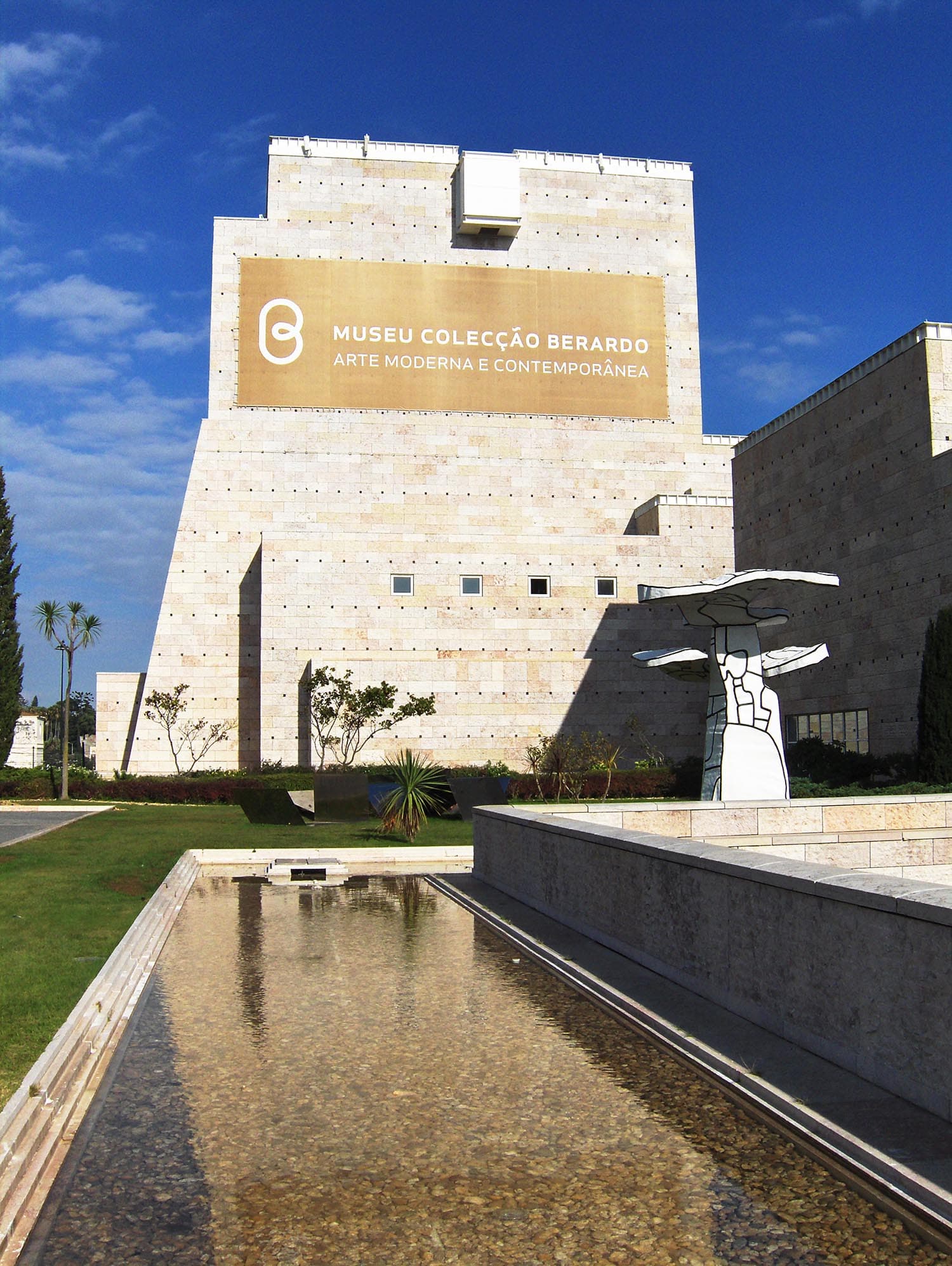
Berardo Collection Museum
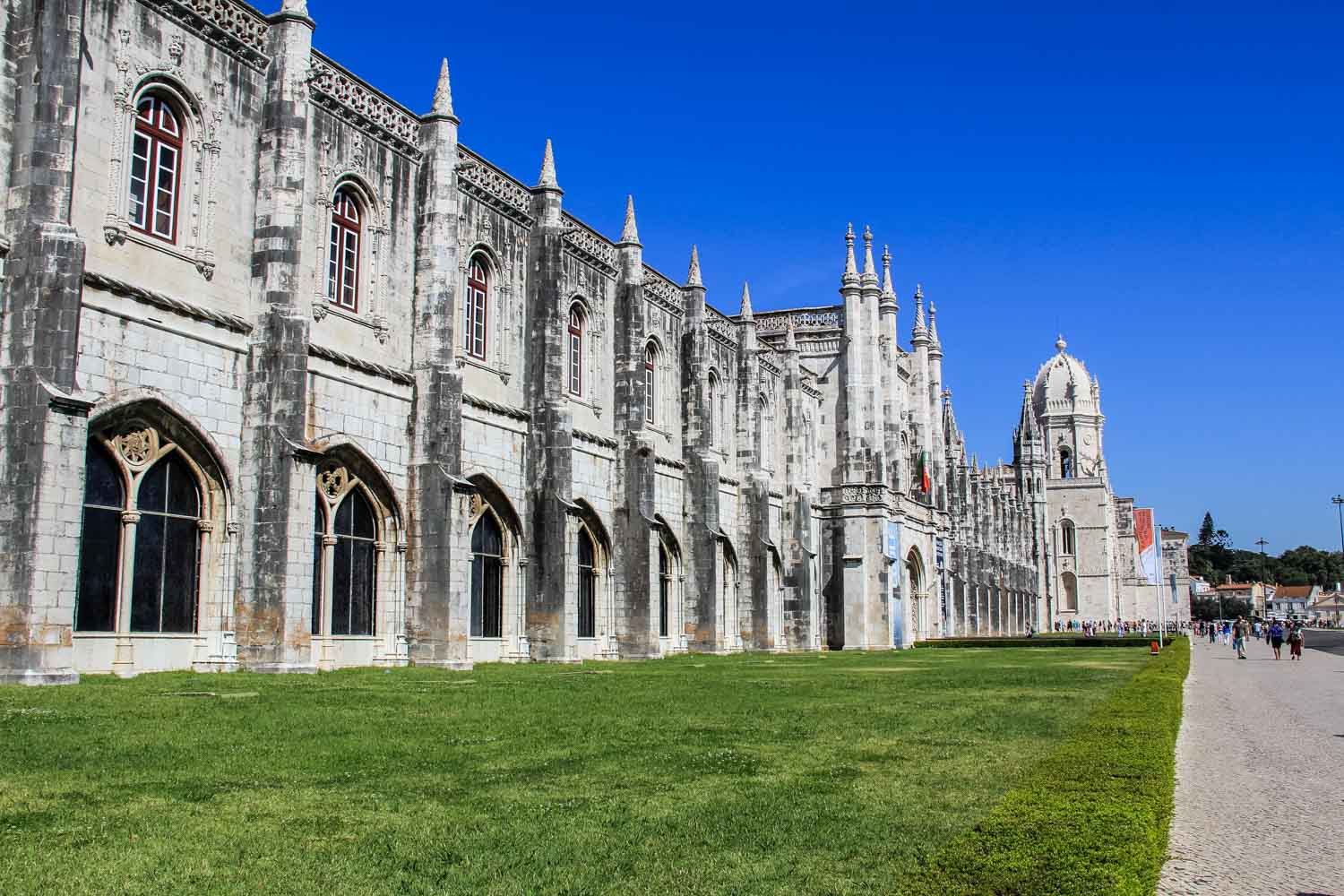
Mosteiro Dos Jerónimos
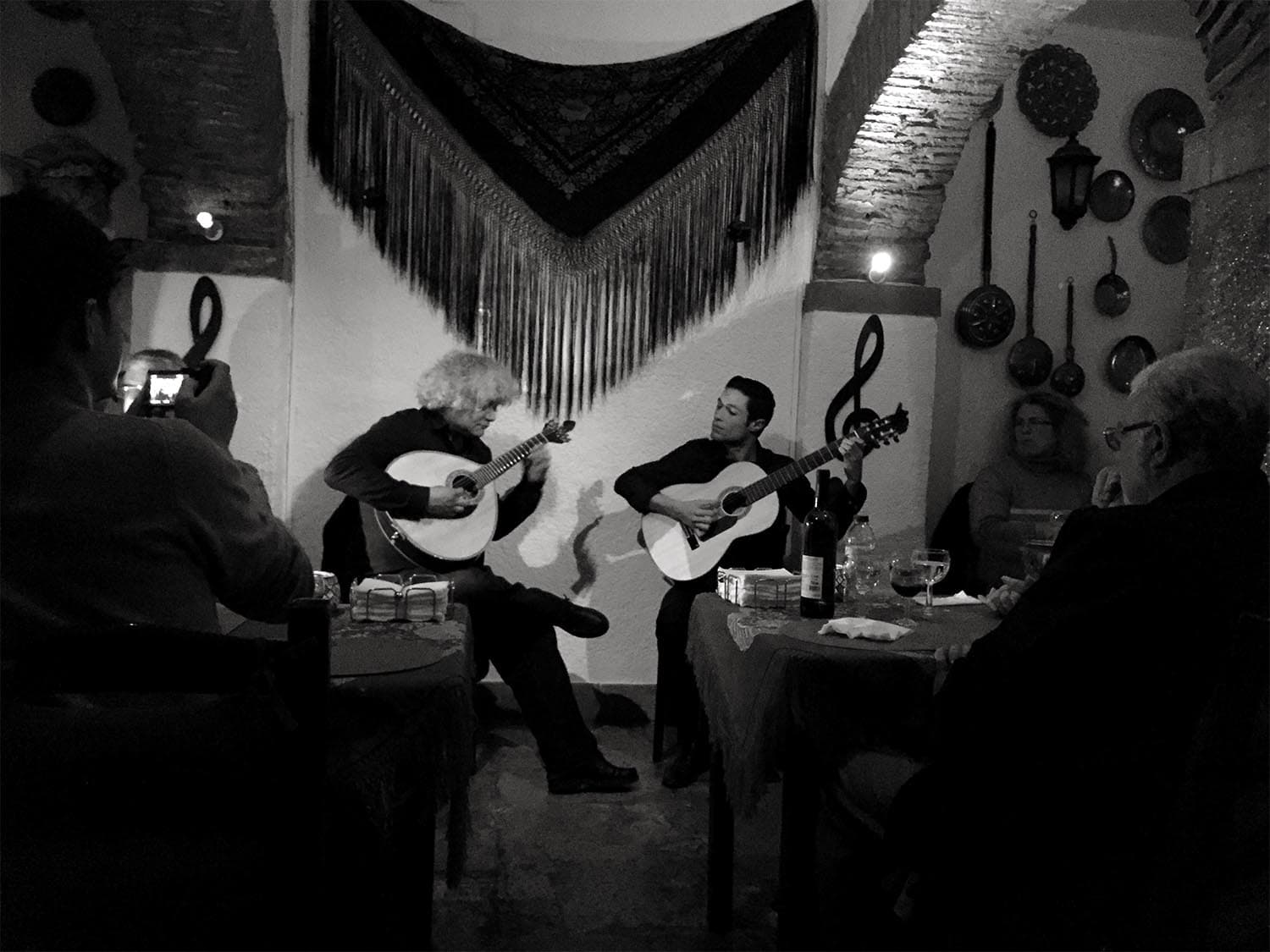
A Fado Show
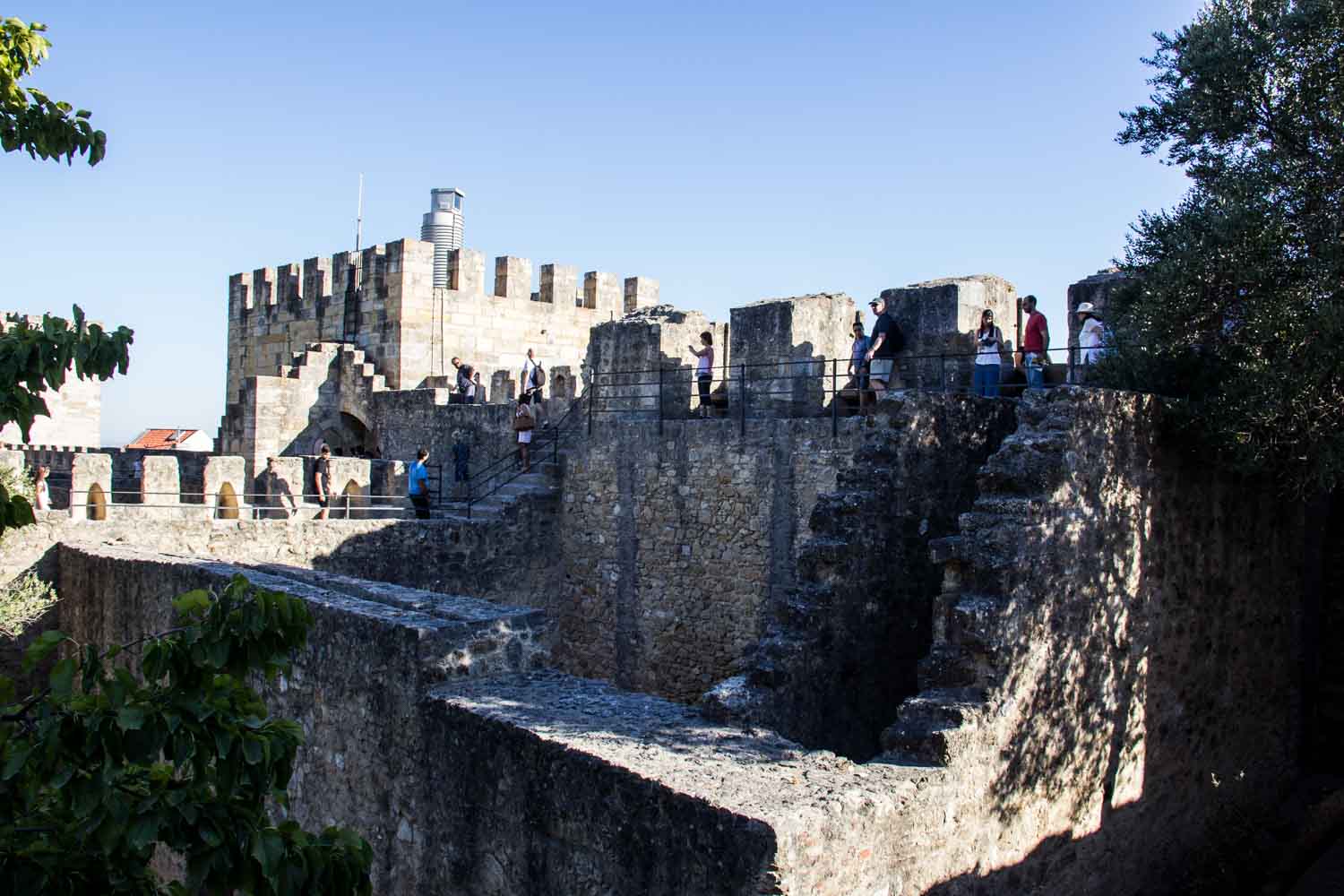
São Jorge Castle
Places to eat or drink near Belém Tower

Ponto Final

Pastéis de Belém

Time Out Market Lisboa

Coyo Taco Cais do S
More places in Lisbon

Clube de Fado

Croissant Gigante – Bar & Cocktail

Crepes D'Santa Clara
