Baconao National Park
Baconao National Park, Santiago de Cuba, Cuba Posted by VivaLaCuba
Overview of Baconao Park
Baconao Park is a captivating natural and cultural site located in southeastern Cuba, positioned between Santiago de Cuba and Guantanamo. This park is celebrated for its varied ecosystems, which include mountain forests, coastal areas, and cave networks, making it a sanctuary for biodiversity. In 1987, UNESCO recognized it as a World Heritage Biosphere Reserve.
Origin of the Name “Baconao”
The name “”Baconao”” is derived from a local legend about a young indigenous boy who resided in the region. The tale recounts that the boy could create music using snails beneath a magical tree known as “bacona.” After he departed from the village, the area was named in his honor.
Getting to Baconao Park
Travelers typically arrive at Santiago de Cuba’s Antonio Maceo Airport and then take a taxi or bus to reach Baconao Park, which is approximately 60 kilometers away.
Main Attractions
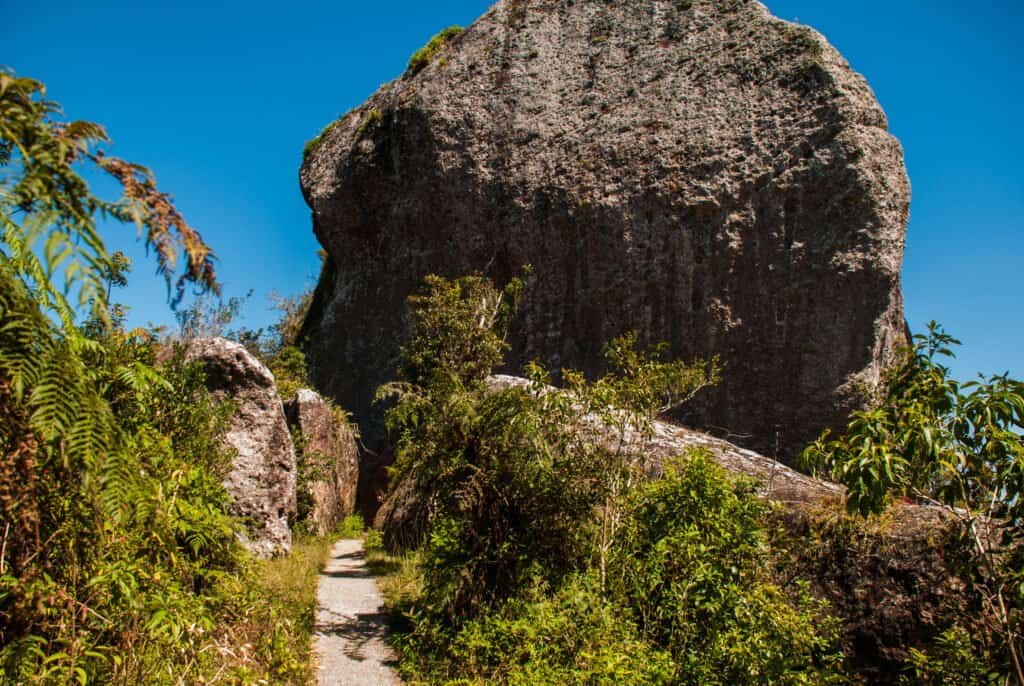
- Great Rock (Gran Piedra): A colossal volcanic rock providing breathtaking views from its peak.
- Prehistoric Valley: An open-air museum with life-size dinosaur sculptures set amidst lush greenery.
- Granjita Siboney Farm: A historic site where Fidel Castro’s forces once stayed.
- Botanical Garden: Known for its diverse plant species and vibrant displays.
- Museum of History of Terrestrial Transport: Featuring a collection of model cars and the history of transportation.
- Aquarium: Showcasing marine life and a submarine tunnel.
- Baconao Lagoon: A tranquil location for boating and birdwatching.
Entry Fees
Ticket prices vary depending on the specific attractions within the park. Generally, visitors can expect to pay between 10 to 20 CUC (Cuban Convertible Pesos) per person for entry to individual sites.
Tips for Visiting Baconao Park
- Plan your itinerary to ensure ample time for exploring the diverse attractions.
- Wear comfortable shoes suitable for hiking and climbing.
- Bring sunscreen and insect repellent due to the tropical climate.
- Sample local cuisine at the park’s restaurants.
- Respect the natural environment and cultural sites.
Opening hours
Reviews
Sign in and mark this place visited to leave a review.
No reviews yet.
Free Trip Planner
Plan your Cuba trip with our free planner
Build a day-by-day itinerary with AI suggestions, hand-picked places, and friends. Free forever — no credit card.