The Banff Gondola lifts you from the valley floor at the base of Sulphur Mountain to a summit ridge nearly 700 metres higher, and it does it in under ten minutes flat. It's one of the most-visited attractions in Banff National Park, and once you're standing on the boardwalk at the top looking out over six mountain ranges, the crowds at the base station make a lot more sense. This is a short trip with an outsized payoff, and it works for almost anyone who can get themselves to the base terminal, whether that's a family with young kids or someone squeezing in a quick detour between hikes.
What sets the Banff Gondola apart from a lot of similar lift rides in the Rockies is how long it's been operating. Some version of this gondola has carried passengers up Sulphur Mountain since 1959, which makes it one of the older continuously running mountain experiences in the region. The cars have been replaced, the base terminal rebuilt, and the whole operation modernized more than once since then, but the basic idea hasn't changed: get people to a 2,281-metre summit quickly, without requiring a three-hour hike to earn the view.
Why the Banff Gondola Matters
Banff National Park is full of viewpoints that require real effort to reach. The Banff Gondola is one of the few that doesn't, and that accessibility is exactly why it draws the numbers it does. It opens up alpine terrain to visitors who can't or don't want to hike, and it does so without diminishing what's up there. The summit ridge sits above the treeline, in terrain that would otherwise be reserved for people willing to put in two or three hours of climbing on the Sulphur Mountain trail.
There's also a layer of scientific history up there that most people riding the gondola don't expect. The Cosmic Ray Station near the far end of the summit boardwalk was built in 1956 for genuine atmospheric physics research and was designated a National Historic Site of Canada in 1981. It's easy to miss if you only walk partway along the ridge, but it's one of the more unusual things you'll find at the top of any gondola in North America.
Quick Facts
- Location: 100 Mountain Ave, Banff, AB, at the base of Sulphur Mountain
- Operating since: 1959
- Summit elevation: approximately 2,281 metres above sea level
- Ride duration: roughly 8 minutes each way
- Gondola cabins: enclosed, climate-controlled, glass walls on all sides
- Open year-round, with seasonal variation in hours
- Tickets: general admission, tiered by adult, youth, and child pricing
- On-site parking available, though it fills quickly in summer
Getting There
The gondola base station is about a 10-minute walk from downtown Banff along Mountain Avenue. From Banff Avenue, head south past the Upper Hot Springs and follow the signage uphill. The road curves up to a dedicated parking lot, but that lot can fill by mid-morning in July and August, sometimes earlier on long weekends.
The Roam Transit bus system connects the town centre to the gondola base, and during peak season it's genuinely the less stressful option. If you're staying in Canmore, the drive over takes about 25 minutes. The gondola is also a short detour off the Trans-Canada Highway if you're already passing through the park on a longer road trip.
The Layout and Experience
You board at the valley floor and climb steeply through subalpine forest before the trees thin out and give way to exposed rock near the top. The cabins are enclosed and climate-controlled, with glass on all sides, so you get an unobstructed view of the terrain shifting beneath you as you gain altitude. The ride up takes roughly 8 minutes, and the change in landscape in that short window is more dramatic than you'd expect.
The upper terminal isn't a bare platform. It's a proper facility with a restaurant, a café, and interpretive exhibits covering the mountain's ecology and geology. From there, a boardwalk runs about one kilometre along the summit ridge, connecting the terminal to the historic weather observatory at the far end. Walking the full length takes 20 to 30 minutes at an easy pace, and the views change meaningfully as you move along it. Expect wind up there no matter what the weather looks like down in town. It's a different climate entirely, and the boardwalk's elevated sections exist partly because the alpine ground underfoot doesn't tolerate foot traffic well.
Main Highlights
The Summit Ridge Boardwalk
The boardwalk feels a little formal for a mountain setting at first, elevated and railed in sections, but it makes sense once you look at what it's protecting. Alpine terrain this fragile doesn't recover quickly once it's trampled. Interpretive panels along the route explain the local ecology without turning the walk into a lecture, and the path itself is paved and relatively accessible, though some grades may be tough for certain mobility needs.
The Cosmic Ray Station
This is the part of the visit most people underestimate or skip entirely. Built in 1956 as part of an ongoing cosmic ray research program, the station became a National Historic Site in 1981. The building itself is modest, nothing dramatic to look at, but the reasoning behind why scientists picked this particular summit for the work adds real context to the visit. If you have any interest in the scientific history layered under Banff's tourist-friendly surface, it's worth the extra few minutes of walking to reach it.
The Views
From the summit you get the Bow Valley, the town of Banff directly below, and mountain ranges stretching in every direction. Mount Rundle dominates the skyline to the east. On a clear day, visibility extends well past the park boundary, and six separate mountain ranges are visible from the ridge. Sunrise visits in particular are worth the early alarm, especially outside peak summer when there's less haze in the air to flatten the light.
Tickets and Entry
Tickets can be bought online in advance or at the base station, and booking ahead is strongly recommended in summer. The gondola runs on timed entry windows during busy periods, and walk-up availability can disappear by late morning. Pricing is tiered by age, and there are combination packages that bundle the gondola with other Banff attractions nearby.
One thing that catches first-time visitors off guard: a gondola ticket doesn't cover park entry. You still need a valid Parks Canada day pass or annual pass to be inside Banff National Park at all, and you'll want to have it sorted before you reach the parking lot.
Best Time to Visit
Summer, roughly late June through early September, is by far the busiest stretch. Days are long and the mountain is fully accessible, but lines and parking can test your patience if you show up mid-morning. Departures before 9am tend to move noticeably faster.
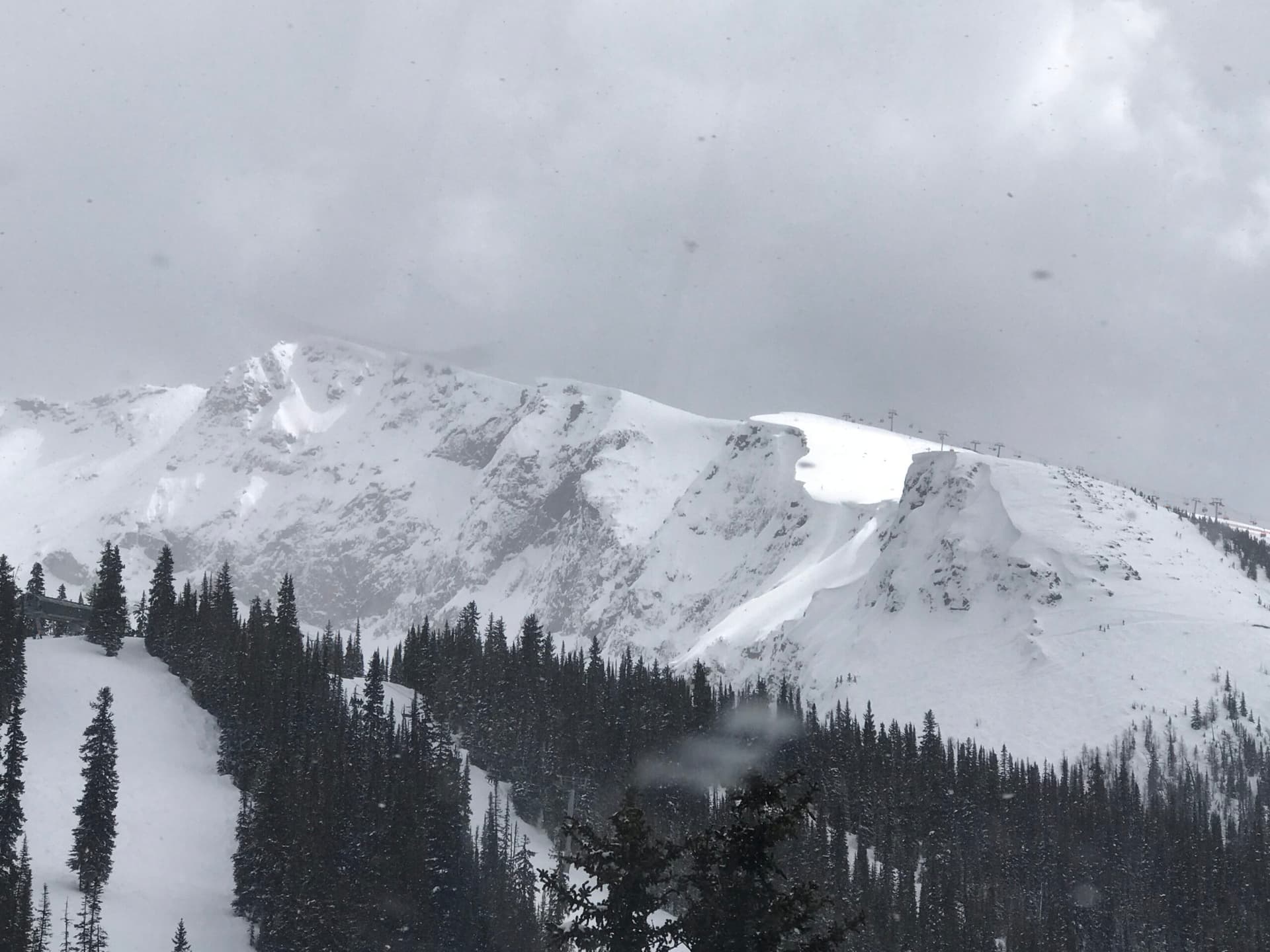
Late September and October offer a quieter alternative. Crowds thin, the larches down in the valley turn gold, and the air at altitude feels sharper and clearer. Winter is worth considering too, even if it sounds counterintuitive for a mountain lift. Snow transforms the summit ridge completely, and it's not unusual for the Bow Valley to sit under a layer of cloud while the summit stays clear and sunlit above it.
Spring, roughly April and May, is the least predictable season. The gondola may run on reduced hours, and conditions at the summit can shift fast, sometimes within the same afternoon.
Photography Tips
The glass-walled cabins are great for visibility but tricky for photos, since reflections show up easily. Turn off your flash and get your lens close to the glass to cut down on glare. The ascent itself offers decent shots of the rock face and forest falling away below.
At the summit, early morning and the hour before sunset give you the most flattering light. Midday sun flattens the texture on the mountains and can wash out the valley floor in photos. A polarizing filter helps if you're shooting down into the Bow Valley through any haze. The far end of the boardwalk, near the weather observatory, gives a different angle on the valley than the main viewing decks by the terminal, and it's usually less crowded if you're trying to get a clean shot.
Combining With Nearby Attractions
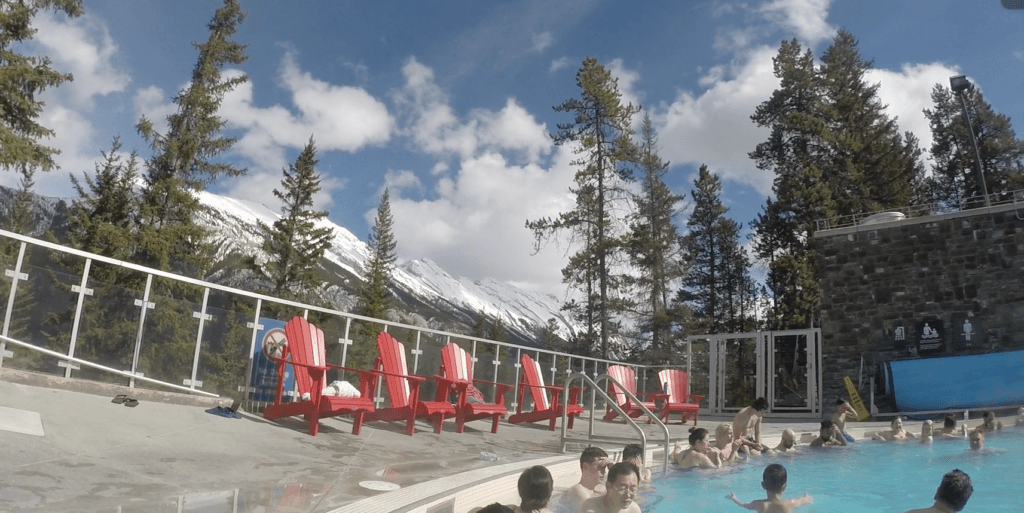
The Banff Upper Hot Springs are a five-minute drive from the gondola base, and pairing the two works well for an afternoon. The hot springs sit at around 1,585 metres, so you get a completely different vantage point on the mountain than you do from the summit above.
Cave and Basin National Historic Site is about 15 minutes away by car. It's the founding site of Banff National Park, established in 1885, and if you're giving the area a full day, a morning gondola ride followed by an afternoon at Cave and Basin covers a lot of ground without feeling rushed.
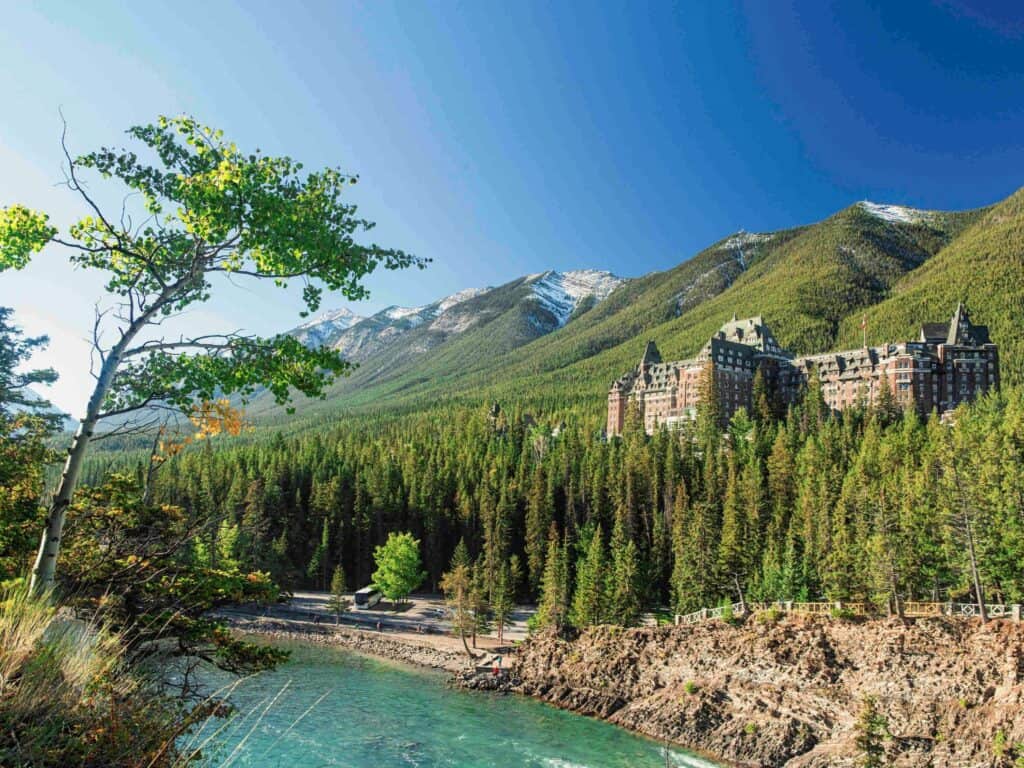
The Fairmont Banff Springs Hotel, visible from the summit, is worth a short walk-through even if you're not booked there. It was built in 1888, and the lobby and public spaces alone justify the detour.
Practical Tips
- Dress in layers regardless of season. Summit temperatures often run 10 degrees cooler than town, and wind chill adds to that.
- Book tickets online before you arrive, especially between late June and early September.
- Bring your Parks Canada pass. You need it before you even reach the gondola parking lot.
- The summit restaurant and café are mid-range and reasonably solid for an attraction this size. Packing your own snacks works fine too.
- The boardwalk is paved and mostly accessible, though some grades may challenge certain mobility needs.
- If fog rolls into the summit, staff will usually flag it at the base before you board. It happens most often in spring and fall.
- Sunrise visits in summer offer the best mix of good light and thinner crowds.
FAQ
Is the Banff Gondola open in winter?
Yes, it runs year-round, though hours shorten during winter months. The summit experience changes completely in snow, and clear winter days can produce some of the sharpest views of the year. Check hours before you go, since they shift with the season.
Do I need to book in advance?
In summer, yes. Timed entry windows fill up and walk-up tickets can be gone by late morning. Outside peak season there's more flexibility, but booking ahead is still a good habit to have.
How cold is it at the summit?
Noticeably colder than town, given the jump to 2,281 metres. Even on a warm summer day, bring a jacket and something to cut the wind. In winter, proper cold-weather layers aren't optional.
Can I hike up instead of taking the gondola?
Yes. The Sulphur Mountain trail climbs to the same summit and usually takes two to three hours depending on pace. Plenty of people hike up and ride the gondola down, or the reverse, and pay only for a one-way ticket.
Is the Cosmic Ray Station worth seeing?
If you have any interest in scientific history or the fuller story of Banff National Park, yes. It's a short walk to the far end of the boardwalk, and it adds a layer to the Banff Gondola experience that most visitors never notice.
Reviews
Sign in and mark this place visited to leave a review.
No reviews yet.
Free Trip Planner
Plan your Banff National Park trip with our free planner
Build a day-by-day itinerary with AI suggestions, hand-picked places, and friends. Free forever — no credit card.