Sunshine Meadows sits in the high alpine zone of Banff National Park, straddling the border between British Columbia and Alberta at an elevation where the air thins and the views open up in every direction. This stretch of subalpine meadow gives hikers access to some of the most reachable high-elevation terrain in the Canadian Rockies, with trails that range from easy meadow walks to ridge routes that demand more care. The meadows bloom with wildflowers through summer and turn into a snowbound winter landscape once the resort switches over to skiing, which makes Sunshine Meadows a place worth returning to across seasons, provided you're willing to gain the elevation to get there.
Why Sunshine Meadows matters
Sunshine Meadows occupies a rare ecological niche within Banff National Park. At roughly 2,100 meters, the meadows sit above most of the park's more crowded attractions, yet they remain accessible to hikers of moderate ability thanks to the gondola at Sunshine Village. The landscape feels genuinely remote even though the lift and base facilities make it easy to reach. Once you're standing in the meadows, you're in true alpine habitat, where vegetation clings to rocky slopes and weather can shift inside an hour.
The meadows also concentrate several distinct ecosystems into a small area. You can move from subalpine forest into true alpine tundra in a single afternoon, which is the kind of ecological transition that usually requires traveling hundreds of kilometers north. That compression is part of what makes the hike feel disproportionately rewarding for the effort involved.
Quick facts
- Elevation: approximately 2,100 meters at the meadows proper
- Access: primarily via the Sunshine Village gondola lift in summer and early fall
- Season: typically accessible July through early October for day hiking
- Distance from Banff townsite: about 15 kilometers west
- Main trailhead parking: at the base of Sunshine Village ski resort
- No services or facilities within the meadows themselves, aside from a cafe at the gondola's top station
Getting there
Sunshine Meadows sits roughly 15 kilometers northwest of Banff townsite, reached via the Sunshine Village Road off the Trans-Canada Highway. The drive from downtown Banff takes about 20 to 25 minutes. The road climbs through forest before arriving at the Sunshine Village ski resort base, where you'll find the parking lots and the gondola station.
In summer and early fall, the gondola is the main way up. It eliminates roughly 600 meters of elevation gain, depositing you at the top station where the meadow trails begin. The lift typically runs from late June through early October, though the exact window shifts year to year depending on snowmelt and weather. If you skip the gondola, you're facing a steep climb from the base, which most casual hikers don't attempt.
Parking fills quickly on weekends and clear summer days. Arriving before 9am noticeably improves your odds of finding a spot close to the gondola station rather than hiking in from an overflow lot.
The layout and experience
Stepping off the gondola at the top station drops you into a landscape of open meadow, rocky ridgeline, and sparse alpine vegetation. The terrain itself is gentler than a lot of lower-elevation Banff trails, but the exposure up here means weather and visibility matter more than grade or distance.
The meadows spread across several interconnected valleys. The area closest to the top station is the most developed, with clear trail junctions and a handful of destination options branching off. From there, routes lead toward Rock Isle Lake, Simpson Pass, and various ridge viewpoints. Trail conditions shift with the season, softer and muddier early in summer, firmer and dustier by September.
This is fragile ground. Alpine vegetation grows slowly, sometimes only a few centimeters a year, and off-trail wandering does real damage. Staying on the marked paths protects the meadow and also keeps your boots out of the boggy sections that tend to swallow shoes near snowmelt.
Main highlights
Rock Isle Lake is one of the signature destinations, about 2.4 kilometers from the gondola's top station. The lake sits inside a rocky cirque with minimal vegetation around its edges, which gives it a sharp, reflective quality on calm days. Most hikers cover the walk in 45 minutes to an hour at an easy pace.
Simpson Pass is the other major draw. It marks the boundary between British Columbia and Alberta, with views stretching north toward the Mount Robson area on a clear day. The hike covers roughly 5 kilometers from the top station and takes most people 90 minutes to two hours. Because the gondola has already done the heavy lifting, the remaining elevation gain is modest, which puts the pass within reach of a wider range of hikers than the distance alone might suggest.
The meadows themselves are arguably the real highlight. Walking through open alpine terrain with 360-degree visibility creates a sense of scale that lower trails in the park simply don't offer. On a good day you can pick out Mount Assiniboine along with a long run of surrounding peaks.
For hikers wanting more, Standish Ridge and Citadel Peak offer ridge-walking routes with some scrambling and real exposure. Neither is a technical climb, but both demand comfort with loose rock and steep drop-offs, and they're best left to hikers who are already confident on uneven alpine terrain.
History and background
Sunshine Meadows has been part of Banff National Park since the park's expansion in 1902. For decades afterward, it stayed difficult to reach, the kind of place that required a long approach on foot or horseback. That changed in the 1980s, when the Sunshine Village ski resort built out lift infrastructure that was originally meant to serve winter skiing. The gondola turned the meadows from a backcountry destination into somewhere a day hiker could reach genuine high alpine terrain without mountaineering skills or an overnight camp.
Before any of that infrastructure existed, the area was used seasonally by Indigenous peoples traveling through the mountain passes, following routes that connected the interior of British Columbia to the prairies on the Alberta side. European explorers and mountaineers started documenting the region in the late 1800s, but the meadows themselves stayed largely unknown to casual visitors until recent decades, when the gondola made the elevation gain trivial for anyone reasonably fit.
Best time to visit
Summer and early fall make up the main window. The gondola generally runs from late June through early October, though the start and end dates move with snowmelt. July and August bring the most reliable weather and the longest daylight, along with the biggest crowds, especially on weekends.
September often strikes the best balance. Crowds thin out, weather tends to hold steady, and wildflowers can still be hanging on in sheltered pockets. Early September usually sees noticeably fewer visitors than peak summer while trail conditions stay good.
June is a gamble. Snow patches linger in the shaded areas and trails can be muddy or hard to follow in spots. Late October can be stunning on a clear day, but conditions get unpredictable fast, with snow possible at any point.
Whatever month you go, expect the weather to change quickly. Clear mornings often cloud over by afternoon, and wind picks up on the ridges almost daily. Temperatures at 2,100 meters run roughly 10 to 15 degrees Celsius cooler than Banff townsite, even on a warm day in the valley.
Tickets and entry
You need a Banff National Park pass to enter the area, available at the park gate or online ahead of time. The gondola charges a separate round-trip fee on top of that.
The lift runs first-come, first-served through peak season, with no reservations typically available, though this can vary from year to year. On busy days it can reach capacity and stop selling tickets temporarily, so arriving early matters as much for the gondola line as for parking.
If you'd rather hike up instead of riding, you still need the park pass but skip the lift fee. It's a legitimate option for experienced hikers, but it adds significant time and effort to the day.
Photography tips
The wide-open meadows and distant peaks make for strong wide-angle shots. Early morning light tends to hit the surrounding mountains while the meadow floor stays in softer shadow, which gives you a nice contrast between the two.
Wildflowers peak in July and early August if alpine flora is what you're after. Overcast skies actually help here, often giving cleaner, more even light for close-up flower shots than harsh midday sun.
Clouds tend to roll in by midday, which can erase the distant peaks from your frame. If clear sightlines matter to you, get up early and shoot the wide landscapes before visibility drops off. Ridge routes like Standish Ridge offer good backlit opportunities when the sun sits low, though you'll be shooting into wind and glare. A circular polarizer helps cut reflection off rock and water, and it's worth bringing extra lens protection since dust and wind at altitude are constant.
Facilities and preparation
The gondola's top station has a small lodge with a seasonal cafe and basic restrooms. That's the only food and water source inside the meadows. Prices there run upscale, which tracks with most mountain-top concessions in the Rockies.
Beyond that lodge, there's nothing. No water fountains, no emergency shelter, no facilities along any of the trails. Carry enough water for your full hike, since alpine streams are limited and their quality isn't reliable.
Bring layers no matter what the forecast says. The temperature swings at this elevation are real, and a windproof outer shell matters more than extra insulation. Sun protection is non-negotiable too, since UV exposure climbs sharply at altitude, even under cloud cover, so sunscreen, a hat, and sunglasses all belong in your pack.
Footwear matters more than people expect. The ground is rocky and uneven, with patches that turn to mud after rain or snowmelt. Hiking boots give you better grip and ankle support than trail runners or sneakers. Trails are well marked, but it's worth having a map or offline GPS app on hand in case fog or low cloud rolls in.
How Sunshine Meadows compares to similar places
What sets Sunshine Meadows apart from most other Banff hikes is how easily it delivers you into genuine high alpine terrain. Lake Louise and Moraine Lake are stunning but sit at lower elevation and draw heavier crowds. Plain of Six Glaciers has real alpine character but takes more effort to reach on foot.
Against true backcountry destinations like Sentinel Pass or Larch Valley, Sunshine Meadows feels more open and less forested, with a sense of exposure and scale that those tree-lined trails don't give you. The gondola is the deciding factor. It lets hikers who couldn't otherwise handle the elevation gain reach alpine terrain in a single day, which makes the meadows more accessible than true backcountry while still holding onto a genuine wilderness feel.
Combining with nearby attractions
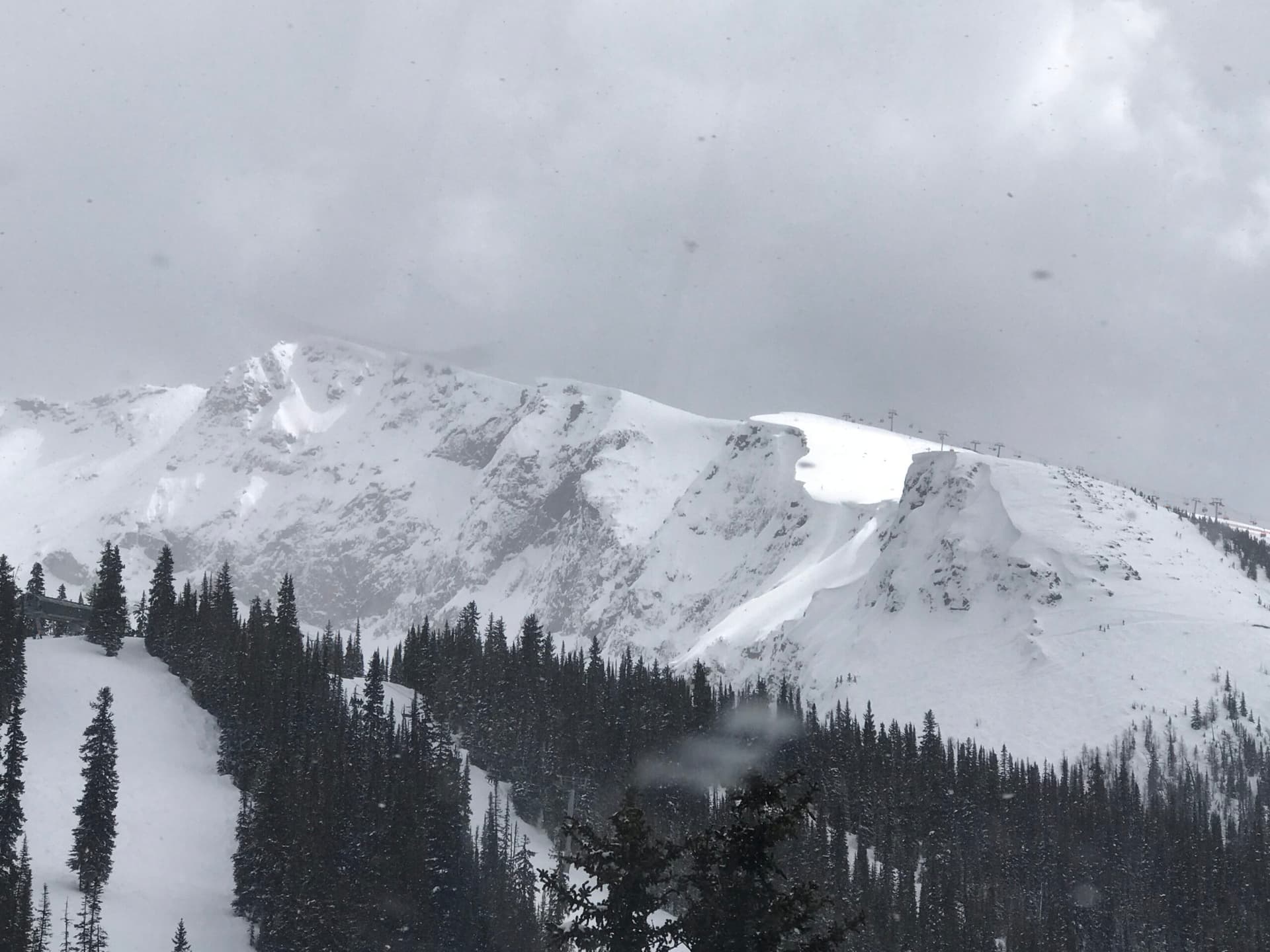
Sunshine Village runs as a ski resort through winter, and even in summer, the base area stays a hub for mountain activity. Some visitors pair a meadow hike with a meal or a rest stop at the base facilities before heading back down.
The drive out to Sunshine Meadows passes through some of the most scenic stretches of Banff National Park, and Lake Louise sits roughly 30 kilometers south along the Trans-Canada Highway. Plenty of visitors fold a Sunshine Meadows hike into a day that also covers Lake Louise or Moraine Lake. Castle Mountain rises along the scenic corridor between Sunshine Meadows and Banff townsite, worth a stop on the drive back if you still have daylight and energy.
Sample visit plan
A typical day starts early. Leave Banff townsite by 7:30 or 8am to reach the gondola base by 8:30. Ride up and spend the next four to five hours on trail. The Rock Isle Lake route makes a solid three to four hour round trip, with room left over for a break and photos. Aim to be back at the gondola base by early afternoon, which leaves time to drive back into Banff before dinner.
For a longer outing, take the gondola up and walk to Simpson Pass instead, a round trip of roughly four to five hours including a break at the pass itself. This suits hikers comfortable at altitude who want more distance under their boots.
If you'd rather take it slow, ride the gondola up, walk one of the shorter loops near the top station, and spend time at the cafe taking in the views without pushing toward a far destination. It's a good option if you want the alpine experience without committing to a full day of hiking.
Practical tips
- Arrive at the gondola base before 9am on summer weekends to secure parking
- Carry at least two liters of water, more if you're planning an extended hike
- Download offline maps or bring a paper map before heading into the meadows
- Check the forecast the night before and be ready to change plans if conditions look rough
- Wear sunscreen even under cloud cover, since UV exposure rises sharply at altitude
- Don't rely on the top station cafe for meals, as it's seasonal and limited
- Stay on marked trails to protect alpine vegetation and avoid getting disoriented
- Bring a headlamp or plan to finish well before sunset
FAQ
Can you hike Sunshine Meadows without taking the gondola?
Yes, but it means climbing roughly 600 meters of elevation from the base. Most day hikers ride the gondola to skip the steep ascent, though experienced hikers do make the climb on foot. It takes considerably longer and sees far fewer hikers.
What's the best time of year to see wildflowers?
July and early August usually bring the heaviest blooms, though exact timing depends on that year's snowmelt. Sheltered pockets can still have flowers into September.
Is Sunshine Meadows suitable for families with young children?
It depends on how confident your kids are on a hiking trail. The gondola removes most of the elevation challenge, but the altitude and exposure still call for kids who are comfortable hikers. The Rock Isle Lake walk works for older children, roughly 8 to 10 and up, who already have some trail experience.
What should I do if weather turns while I'm up there?
Head back to the gondola station right away. There's no shelter on the exposed alpine terrain, and thunderstorms can build fast at this elevation. If you're more than an hour out, turn around at the first sign of trouble rather than pushing ahead.
Can you camp at Sunshine Meadows?
No, backcountry camping isn't permitted in the meadows themselves because the alpine environment is too fragile. Backcountry camping exists elsewhere in Banff National Park, but Sunshine Meadows is strictly a day-use area.
Reviews
Sign in and mark this place visited to leave a review.
No reviews yet.
Free Trip Planner
Plan your Banff National Park trip with our free planner
Build a day-by-day itinerary with AI suggestions, hand-picked places, and friends. Free forever — no credit card.
Things to see near Sunshine Meadows
Sunshine Village

Banff Gondola
Banff Upper Hot Springs