
Blidinje Nature Park
Herzegovina-Neretva, Bosnia and Herzegovina Posted by Brandon B.Admin
Blidinje Nature Park: Bosnia's Overlooked Highland World
Blidinje Nature Park sits at roughly 1,200 metres above sea level in the Dinaric Alps of western Herzegovina, and most people who visit describe it as the Bosnia they didn't know existed. The park covers around 358 square kilometres of karst plateaus, beech forests, and alpine meadows spread between the massifs of Čvrsnica and Vran. If you've only seen Mostar or the Neretva canyon, this place will genuinely reframe your sense of what Herzegovina looks like.
The landscape here is defined by Lake Blidinje itself, a shallow glacial lake that shifts colour with the light and the season. Around it, the plateau opens wide, and on a clear day the scale of Čvrsnica's northern face is hard to absorb from a single viewpoint.
Why Blidinje Nature Park Matters
Bosnia has national parks that get more press, but Blidinje holds a particular distinction. It was established in 1995, during the final months of the Bosnian War, which makes its founding one of the more remarkable acts of institutional continuity from that period. The park exists partly to protect one of the largest populations of endemic flora in the Dinaric region, including plant species found almost nowhere else in Europe.
The Čvrsnica massif, which reaches above 2,000 metres, provides habitat for chamois, brown bears, wolves, and the Dalmatian ringlet butterfly. These aren't zoo encounters. You're moving through a working ecosystem.
The area is also culturally significant. Scattered across the plateau are medieval stećci, monumental tombstones carved by Bosnian Christians between roughly the 12th and 16th centuries. Several stećci sites near the village of Dugo Polje are part of a UNESCO World Heritage listing that covers stećci across the region. You can walk right up to them.
Quick Facts
- Location: Herzegovina-Neretva Canton, western Bosnia and Herzegovina
- Size: approximately 358 square kilometres
- Established: 1995
- Altitude: plateau sits around 1,200 metres; Čvrsnica peaks exceed 2,000 metres
- Main access points: Posušje from the west, Jablanica from the east, Tomislavgrad from the north
- Entry: no gate fee to enter the park itself; ski resort and guided activities have separate costs
- Languages spoken locally: Bosnian/Croatian
Getting There
Blidinje doesn't have a train station and isn't on any major bus route. You need your own vehicle, and that's essentially non-negotiable unless you're joining an organised tour from Mostar or Sarajevo, which some outfitters do offer during summer and winter seasons.
From Mostar, the drive takes roughly 90 minutes via the road through Jablanica and up the Doljani valley. The mountain road from Jablanica is narrow in sections and climbs steeply, so take it slow if you're in an unfamiliar car. From Sarajevo, allow around two and a half hours. The road through Posušje from the west is generally better surfaced and more straightforward.
Winter conditions can close or significantly complicate mountain access roads, sometimes through April. Check locally before setting out between November and late spring.
The Layout and Experience
The park doesn't have a single visitor hub in the conventional sense. The settlement of Blidinje, near the lake, has a small hotel, a mountain lodge, and the ski area infrastructure. Most trails and points of interest radiate outward from here.
Lake Blidinje sits at the centre of the plateau and is visible from the road that loops around it. In summer, the meadows around the lake are used for grazing, and it's common to share the path with cattle. That's not a complaint. It adds to the texture of the place.
The ski resort operates on the slopes of Risovac, adjacent to the main settlement. It's modest by Alpine standards but draws visitors from across Herzegovina and neighbouring Croatia during a good snow season. The infrastructure built for skiing, mainly the access road and the lodge area, is what makes the plateau accessible in winter at all.
Main Highlights
Čvrsnica and Čabulja Peaks
The northern face of Čvrsnica is one of the most dramatic cliff faces in the western Balkans. Hiking routes to the upper plateau are strenuous and require proper footwear and navigation skills. The views from the ridge stretch south toward the Neretva delta on a clear day. Allow a full day for any serious ascent.
Lake Blidinje
The lake is shallow and its surface level changes noticeably between seasons. In late spring after snowmelt it's at its fullest. By late summer it can look almost marshy in places. Neither state is disappointing. Walking the perimeter takes about an hour at a relaxed pace.
Stećci at Dugo Polje
These medieval tombstones are spread across a hillside a short drive from the lake. Some are carved with hunting scenes, spirals, and human figures. They are largely unenclosed and unguarded, which means you can examine them closely. Treat them with care. There's no interpretive centre on site, so reading up before you visit pays off.
Ski Resort Risovac
The resort is small, making it well-suited to families and beginners. Lift infrastructure and rental equipment are available, though facilities are simpler than what you'd find at larger Balkan resorts like Jahorina or Kopaonik. The appeal is partly the quietness. On a weekday in January, you may have slopes largely to yourself.
Best Time to Visit
June through September is when the plateau is most accessible and the hiking conditions are reliable. The wildflower display in June tends to be extraordinary on the upper meadows. July and August bring the most visitors, though "crowded" here means something different than at a coastal resort.
Winter visits from December through February suit skiers and anyone who wants to see the lake frozen and the plateau under snow. The landscape transforms completely. Just confirm road conditions before you go.
Spring and autumn are beautiful but unpredictable. Snow can fall at any point above 1,000 metres from October onward, and the mountain roads deserve respect in wet or icy conditions.
Photography Tips
The best light on the Čvrsnica cliffs comes in the morning, when the sun hits the north face from an angle. The lake reflects sky well in early morning before any wind picks up. The stećci at Dugo Polje photograph particularly well in low afternoon light, when the carved reliefs cast visible shadows.
In winter, the combination of snow-covered plateau and the ski lodge buildings against the mountain backdrop makes for striking wide shots. Bring a polarising filter if you have one. The sky at this altitude tends to be intense.
Facilities and Preparation
Facilities in the park are genuinely limited. There's a small number of accommodation options near the lake, including a hotel and mountain hut that caters to hikers and skiers. Restaurants and cafes exist in and around the settlement but don't expect variety. Stock up in Posušje, Jablanica, or Tomislavgrad before heading up.
Mobile signal is patchy across much of the plateau. Download offline maps before leaving the valley. A paper map of the hiking trails is worth finding if you plan to go above the treeline.
- Bring more water than you think you need, especially for summer hikes
- Weather changes fast above 1,500 metres, pack a waterproof layer regardless of forecast
- Hiking boots are necessary for anything beyond the lake perimeter walk
- Fuel up your car before ascending, there are no petrol stations in the park
- The mountain hut accommodation can fill up on weekends, especially in ski season, book ahead
Combining with Nearby Attractions
Mostar is the most logical base if you're visiting Blidinje as a day trip or overnight excursion. The old city and Stari Most bridge are roughly 90 minutes away and well worth the combination. Some visitors also pair Blidinje with the Kravice waterfalls, which are about an hour from Mostar in a different direction, though that makes for a full day of driving.
Jablanica, at the base of the mountain road, has a compelling outdoor war museum centred on the Battle of the Neretva from 1943, including the ruins of the bridge that was destroyed during the operation. It's a worthwhile 30-minute stop on your way up or down.
Practical Tips
- There is no formal visitor centre at the park entrance, local knowledge comes from accommodation staff
- Guided hikes can be arranged through operators in Mostar or Sarajevo if you'd prefer not to navigate solo
- The plateau road is not reliably lit at night, plan to be back at your accommodation before dark if unfamiliar with the area
- Respect livestock and close any gates you open on farm tracks
- The stećci sites are protected monuments, do not climb on or remove anything
- Cash is advisable, card payment is not universally available in smaller establishments
FAQ
Do I need a permit to hike in Blidinje Nature Park?
For general hiking on marked trails, no permit is required. Specific activities like organised climbing or camping may have different requirements. Check with the park administration or your accommodation for current rules.
Is Blidinje suitable for children?
The lake perimeter walk is easy and suitable for most ages. The ski area is family-friendly. Higher mountain hikes are for older children and adults with appropriate gear and experience.
Can I visit Blidinje without a car?
It's difficult. Some tour operators from Mostar run day trips in summer and winter, which is the most practical option if you don't have a vehicle. Independent public transport to the plateau doesn't effectively exist.
Is there accommodation inside the park?
Yes, there's a small hotel and at least one mountain hut near the lake. Options are limited, so booking ahead is wise, particularly during ski season and summer weekends.
Are the stećci easy to find?
The Dugo Polje site is the most accessible and is reachable by car. Signage in the park is inconsistent, so having coordinates or a local recommendation before you go will save time.
Opening hours
Reviews
Sign in and mark this place visited to leave a review.
No reviews yet.
Free Trip Planner
Plan your Bosnia And Herzegovina trip with our free planner
Build a day-by-day itinerary with AI suggestions, hand-picked places, and friends. Free forever — no credit card.
Things to see near Blidinje Nature Park

Radimlja Necropolis

Historic Počitelj
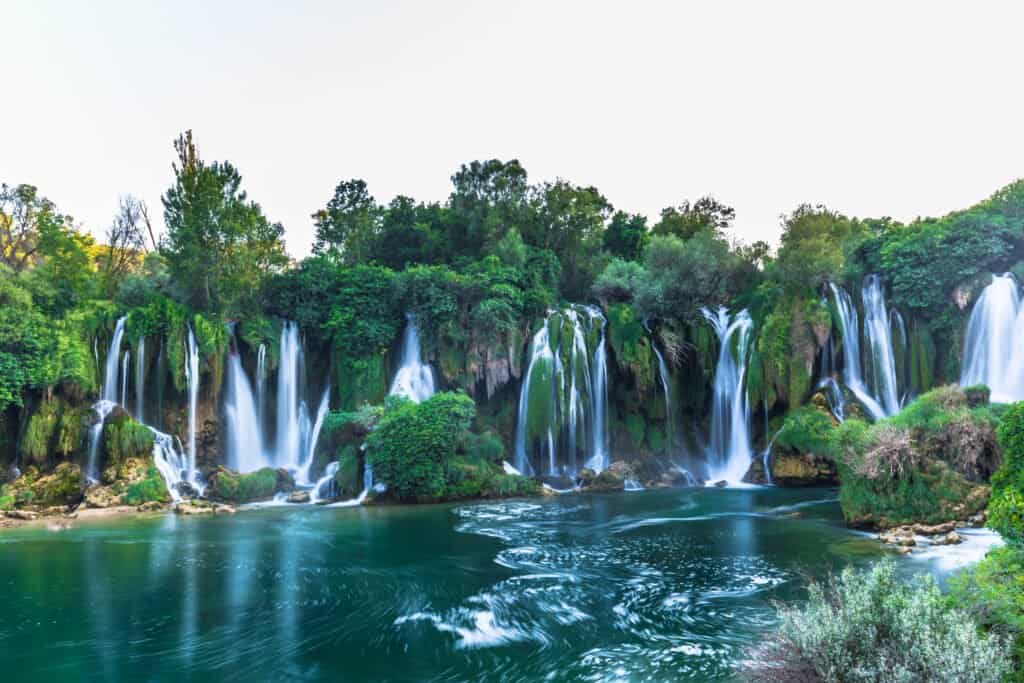
Kravica Waterfall


