Posted by Brandon B.Admin
Casa Vicens: Gaudí's First Masterpiece in Barcelona's Gràcia
Long before the Sagrada Família became one of the most visited buildings on earth, Antoni Gaudí was working out his ideas on a narrow street in the Gràcia neighborhood. Casa Vicens, completed in 1885, was his first major commission, and if you walk past without looking up, you'll immediately regret it. The facade is an explosion of ceramic tile, Moorish brickwork, and cast-iron grilles shaped like palm fronds. Nothing else on Carrer de les Carolines prepares you for it.
It took over a century for the house to open fully to the public. Today it operates as a museum dedicated to the building itself, Gaudí's creative process, and the life of the Vicens family who originally commissioned it. For anyone serious about Gaudí, or about the history of modern architecture, this is essential.
Why Casa Vicens Matters
Most people know Gaudí through his later, more overtly organic work. Casa Vicens shows you where that language came from. The building draws heavily from Moorish and Orientalist architecture, a style that was fashionable in Catalonia in the 1880s, but Gaudí pushed it somewhere entirely personal. The yellow and green checkerboard tiles covering the exterior were designed specifically for the project. At the time, the site was surrounded by marigold fields, and Gaudí incorporated the flower directly into the tile pattern.
UNESCO recognized the building as a World Heritage Site in 2005, grouping it with six other Gaudí works in Barcelona. That designation came well before the building opened to the public, which says something about how long the architectural world had been waiting for better access.
Quick Facts
- Built between 1883 and 1885 for Manuel Vicens Montaner
- Located at Carrer de les Carolines, 20-26, in the Gràcia district
- Opened as a public museum in 2017
- UNESCO World Heritage Site since 2005
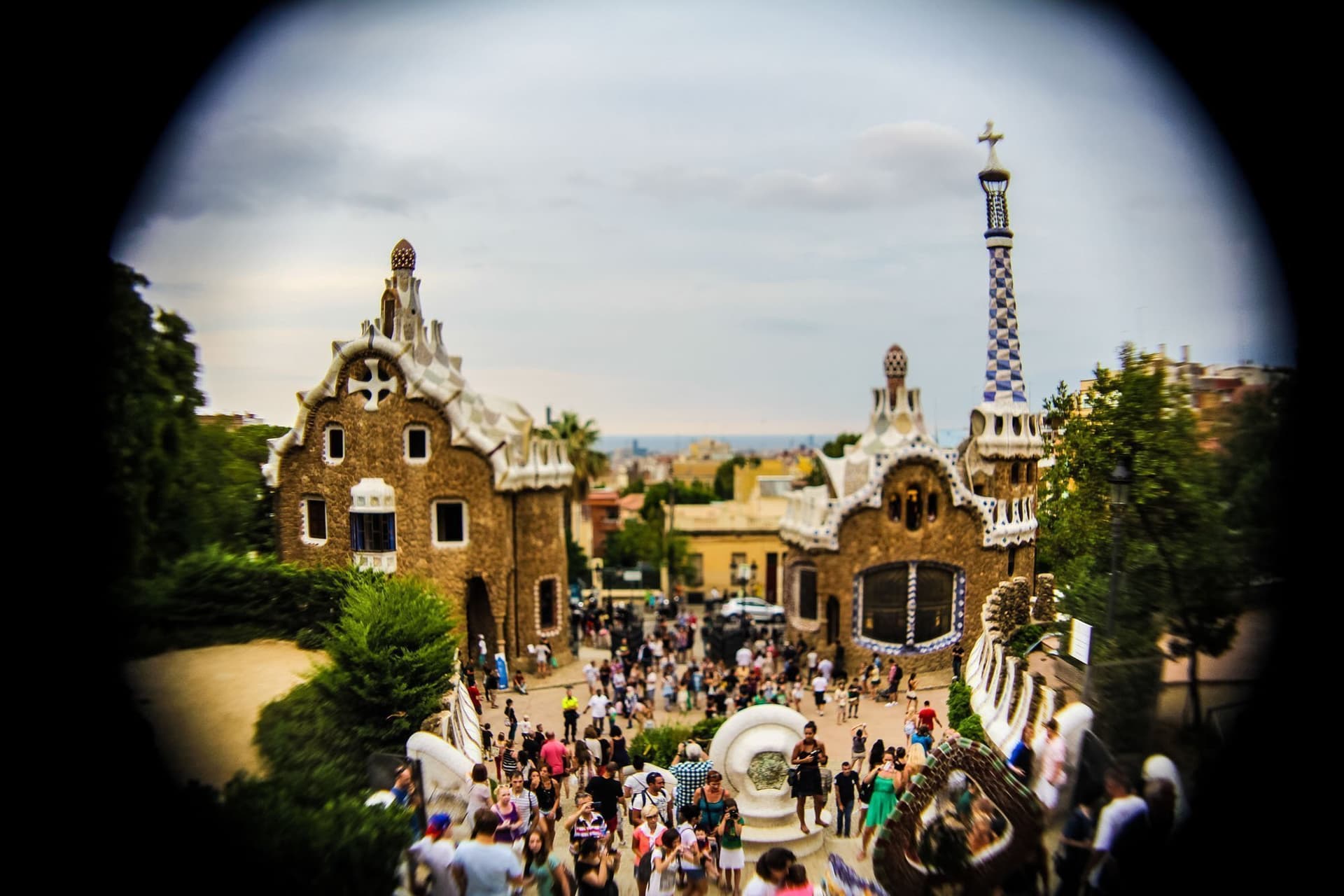
- Roughly a 10-minute walk from Park Güell's main entrance
- General admission is mid-range; guided tours and evening visits are available at higher tiers
- The building covers approximately 1,300 square meters across multiple floors
Getting There
Gràcia sits just above the Eixample district, and Casa Vicens is near the upper edge of the neighborhood. The closest metro stop is Fontana on the L3 (green) line, which puts you about a 5-minute walk away. From Fontana, head uphill along Carrer de l'Astúries and turn onto Carrer de les Carolines. You'll see the building before you reach the address.
If you're coming from Park Güell, the walk downhill takes around 10 to 15 minutes depending on which exit you use. That route makes for a natural pairing, especially in the morning before both sites get busy. Taxis and rideshares can drop you directly in front. There is no dedicated parking nearby, and driving into Gràcia during the day tends to be more trouble than it's worth.
The Layout and Experience
The museum occupies the original house plus an extension added in the early 20th century, and the visit is organized across several floors. You move through rooms that have been partially restored to reflect how the Vicens family would have used them, alongside interpretive displays about Gaudí's design choices and the broader architectural context of 1880s Barcelona.
The smoking room on the upper floor is one of the highlights. The ceiling is covered in a dense, muqarnas-inspired pattern made from papier-mâché, painted in warm golds and reds. It's a small room, and photographs rarely do it justice. Standing underneath it, you get a sense of how tactile and obsessive Gaudí's approach already was at this early stage.
The rooftop terrace gives you a view across the Gràcia rooftops toward the Eixample grid, and on clear days you can see further toward the sea. It's also one of the best places to study the tower and the cast-iron work up close. Plan at least 90 minutes for the visit if you want to read the panels and move at a comfortable pace.
History and Background
Manuel Vicens Montaner was a tile and brick manufacturer, which partly explains why the building looks the way it does. He gave Gaudí a relatively free hand, and Gaudí used the commission to experiment with everything that interested him at the time: Islamic geometry, Japanese motifs, naturalist ornament, and the structural possibilities of ceramic cladding. The building was technically a summer house for the Vicens family, intended as a seasonal retreat when Gràcia was still a separate municipality from Barcelona.
The family sold the property in the early 20th century, and it passed through several owners before being purchased by the Caixa de Pensions savings bank, which funded the restoration and eventual conversion into a museum. The restoration team worked with historical photographs and surviving original materials to bring back details that had been altered or damaged over the decades.
Tickets and Entry
Timed-entry tickets are strongly recommended and can be booked online in advance through the official Casa Vicens website. Walk-up entry is sometimes available, but during peak season (roughly April through October) the morning slots fill quickly. General admission covers the full building and the permanent collection. There are also guided tour options in several languages, and occasional evening visits with different lighting that change the look of the tiled facade considerably.
Reduced admission is available for students, seniors, and Barcelona residents with appropriate identification. Children under a certain age enter free; check the official site for the current age threshold as it has changed in the past.
Best Time to Visit
Weekday mornings, particularly Tuesday through Thursday, are noticeably quieter than weekends. The building faces roughly west, so afternoon light catches the facade tiles in a way that morning light doesn't, but the interior rooms are more comfortable to explore before midday crowds arrive. If you want both, book an early slot and linger near the entrance on your way out.
Summer brings the longest queues and the most visitors. Spring and early autumn offer better conditions for the rooftop terrace. In winter, the building is still open and attendance drops significantly, though the garden area is less lush than it is in warmer months.
Photography Tips
The exterior is best photographed from directly across the street, but Carrer de les Carolines is narrow and parked cars often block the lower third of the facade. Early morning on a weekday gives you the best chance of a clear shot. The light is softer before 9am and the street is less crowded.
Inside, the smoking room ceiling rewards a wide-angle lens if you have one. The rooftop works well in late afternoon when shadows define the texture of the tiles and ironwork. Photography is generally permitted throughout the building, though tripods may require prior arrangement.
Combining with Nearby Attractions
Casa Vicens sits comfortably within a half-day route through Gràcia. Park Güell is a 10-minute walk uphill and covers a very different phase of Gaudí's career. If you want to bookend the day with food, the Mercat de l'Abaceria on Travessera de Gràcia is a covered market worth a detour, and the squares around Plaça del Sol and Plaça de la Vila de Gràcia have plenty of cafe terraces for a break between sites.
For those building a full Gaudí day, the route from Casa Vicens to Park Güell to Casa Milà (La Pedrera) on Passeig de Gràcia is walkable, though La Pedrera is about 30 minutes on foot or two metro stops from Fontana. That's a full day comfortably, not a rushed one.
Practical Tips
- Book tickets online in advance, especially for weekend visits between April and October
- The building has elevator access to most floors, making it reasonably accessible for visitors with mobility needs
- Audio guides are available in multiple languages if you prefer to go at your own pace
- The gift shop carries architecture books and ceramic reproductions of the original tile designs
- Bag storage is available near the entrance if you're carrying luggage between accommodations
- The building is usually closed on Mondays; verify the current schedule before you go
- Wear comfortable shoes; the floors and staircases are original and uneven in places
FAQ
How long does a visit to Casa Vicens take?
Most visitors spend between 60 and 90 minutes inside. If you add the rooftop and take time with the interpretive panels, 2 hours is a comfortable estimate.
Is Casa Vicens worth visiting if I've already been to Sagrada Família and Park Güell?
Yes, and arguably more so. This is where Gaudí's ideas began, and the building is less crowded than either of those sites. The smoking room ceiling alone is worth the entry fee.
Can I visit without a guided tour?
General admission includes access to the full building with informational panels and audio guide options. A guided tour adds context but isn't necessary for a satisfying visit.
Is there a cafe or restaurant at Casa Vicens?
The museum does not have a full restaurant, but there is typically a small cafe or refreshment option on site. For a full meal, the surrounding streets in Gràcia have plenty of choices within a short walk.
Opening hours
Reviews
Sign in and mark this place visited to leave a review.
No reviews yet.
Free Trip Planner
Plan your Barcelona trip with our free planner
Build a day-by-day itinerary with AI suggestions, hand-picked places, and friends. Free forever — no credit card.
Related reading



Things to see near Casa Vicens

Colonia Guell Gaudi Crypt
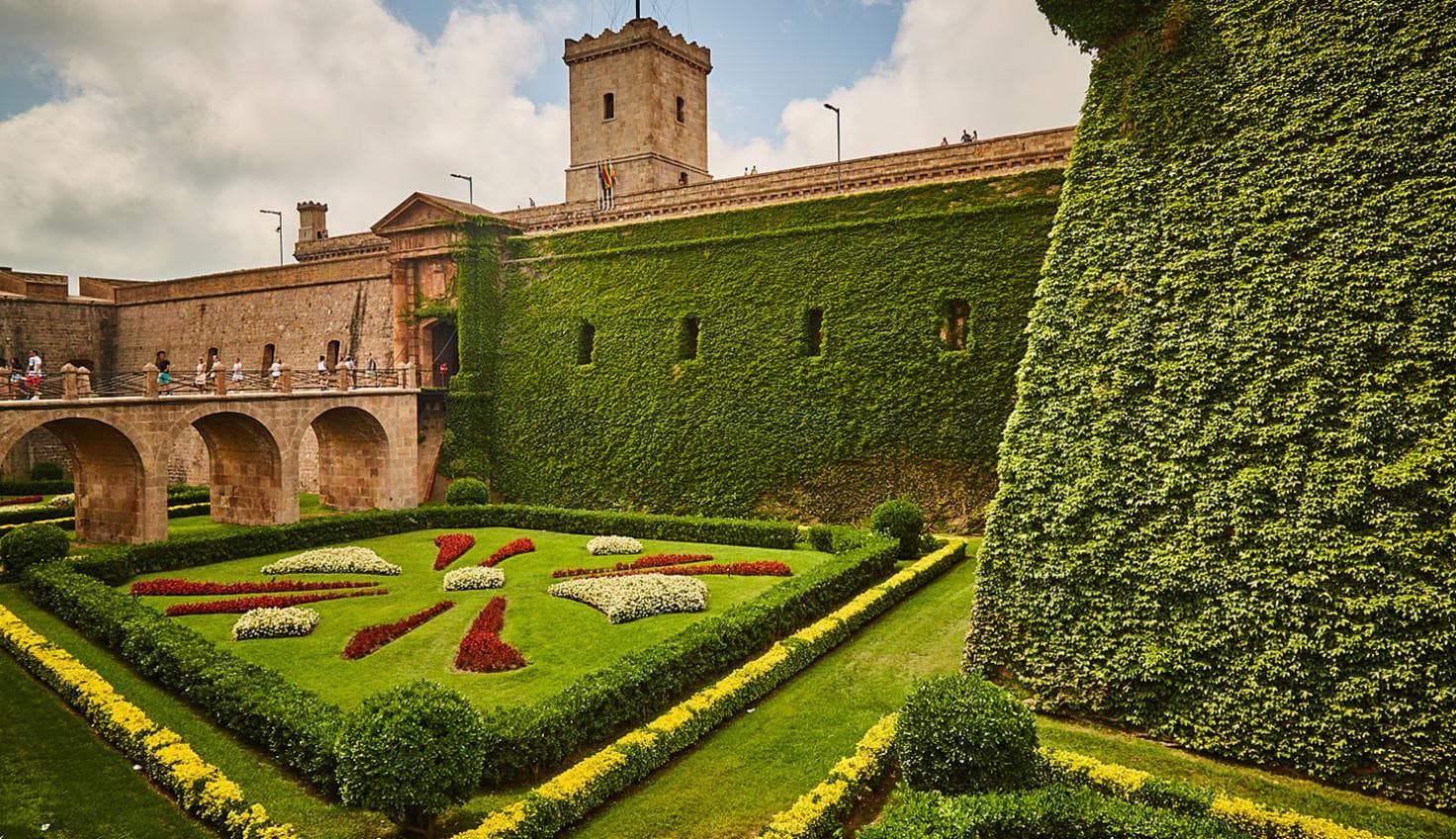
Montjuïc Castle
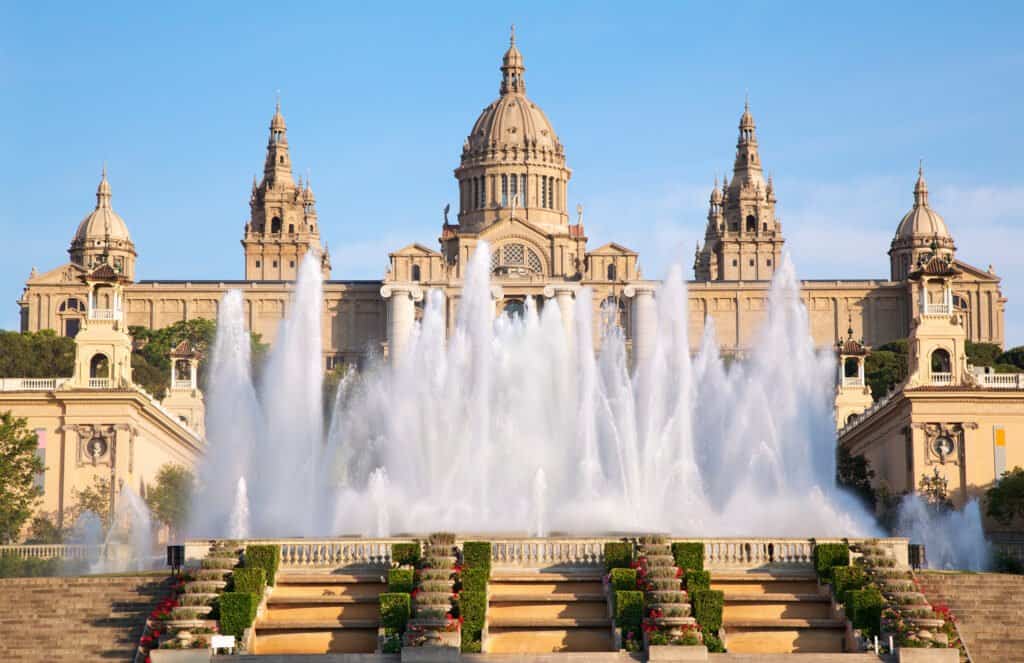
Magic Fountain of Montjuïc