
Cerro Santa Lucia
Santiago, Santiago Metropolitan Region, Chile Posted by Brandon B.Admin
Cerro Santa Lucía: Santiago's Most Surprising Urban Escape
Right in the middle of downtown Santiago, Cerro Santa Lucía rises about 70 meters above the surrounding streets and offers something the city's busier plazas rarely do: actual quiet. The hill sits along Avenida Libertador Bernardo O'Higgins, better known as the Alameda, and it takes most visitors less than 10 minutes to walk from the nearest Metro station. For a capital city of nearly seven million people, the fact that this place exists at all feels like a minor miracle.
It is not a natural park in the wilderness sense. Think terraced stone stairways, Baroque-style fountains, wrought-iron railings, and viewpoints that look out over a grid of rooftops toward the Andes on a clear day. The hill is essentially a sculpted garden built into a rocky outcrop, and the layers of history packed into its roughly 6 hectares make it far more interesting than a casual glance suggests.
Why Cerro Santa Lucía Matters
This is where Santiago was officially founded. On February 12, 1541, the Spanish conquistador Pedro de Valdivia stood on this hill and declared the establishment of the city that would become Chile's capital. The hill was known by the Mapuche people as Huelén long before Valdivia arrived and renamed it. That layered naming history alone tells you something about what the place carries.
Beyond the founding story, the hill was transformed into a public park in the 1870s under the direction of Benjamín Vicuña Mackenna, who served as the intendant of Santiago at the time. He oversaw a dramatic landscaping project that turned what had been a largely barren and somewhat neglected outcrop into a tiered ornamental garden. That renovation is why the architecture feels so deliberately European in style. Vicuña Mackenna essentially imported an aesthetic and grafted it onto a Chilean hillside.
The result has been a beloved public space for well over a century. School groups, couples, office workers eating lunch, and tourists hunting for Andes views all share the terraces on any given weekday afternoon.
Quick Facts
- Location: Avenida Libertador Bernardo O'Higgins (the Alameda), between Calle Santa Lucía and Calle Subercaseaux, Santiago Centro
- Nearest Metro: Santa Lucía station on Line 1, roughly a 5-minute walk to the main entrance
- Height: approximately 70 meters above street level
- Area: around 6 hectares of terraced gardens and walkways
- Entry: free and open to the public
- Hours: the park typically opens in the morning and closes in the evening, though exact hours can vary by season and are worth confirming before you go
- Founded: the city of Santiago officially established here in 1541
- Landscaping project: completed in the 1870s under Vicuña Mackenna
Getting There
The Santa Lucía Metro station on Line 1 (the red line) drops you within a short walk of the hill's main western entrance on the Alameda. If you are coming from Plaza de Armas or the historic center, it is an easy 15-minute walk east along the Alameda. Coming from Barrio Lastarria, the eastern side of the hill is even closer, and that approach takes you through one of Santiago's more pleasant café-lined streets before you arrive.
Buses along the Alameda stop nearby as well. If you are already in Barrio Italia or Providencia, a taxi or rideshare typically takes under 15 minutes depending on traffic.
The Layout and Experience
The hill has multiple entrances and a network of paths that wind upward through different levels. There is no single route. Most people enter from the Alameda side and work their way up through a series of terraces, passing stone staircases, a small chapel called the Ermita, and a large cannon that sits on one of the lower platforms. The Terraza Caupolicán near the top is where most people stop for the view.
On a clear day, the Andes are dramatic from up here. The snow-capped peaks sit to the east and feel genuinely close, especially in winter when the snowline drops. Santiago's air quality varies considerably by season, and on smoggy days in autumn the mountains can disappear entirely behind a grey haze. Early mornings tend to offer the clearest skies.
There is also the Castillo Hidalgo, a small fort-like structure near the summit that dates from the early 19th century. It has been used for various purposes over the years and the exterior is worth seeing even if the interior is not accessible.
Walking the full hill at a relaxed pace, stopping for views and reading the plaques, takes roughly 45 minutes to an hour. You could move faster, but there is little reason to.
History and Background
Long before it became a park, the hill had strategic importance. Its height made it a natural lookout point, and it was used for defense purposes during the colonial period. The Mapuche name Huelén, which some historians translate as pain or grief, suggests the hill held significance for the people who lived in the region before the Spanish arrived.
Vicuña Mackenna's 1870s transformation was part of a broader effort to modernize Santiago and bring it in line with European capital cities of the era. He brought in landscape architects, ordered construction of the terraced walls, fountains, and the various structures you see today, and opened the space to the public. The project took several years and the results became a point of civic pride.
A bronze plaque and monument near the summit marks the spot associated with the city's founding. It is not especially large or grand by monument standards, but it draws a steady stream of visitors who want to stand on the place where Santiago technically began.
Best Time to Visit
Spring (September through November) is probably the most pleasant time. The weather is mild, the jacaranda and other flowering trees around the base are often in bloom, and the Andes visibility tends to be better before summer smog builds up. Winter mornings, if you can handle the cold, often offer the sharpest mountain views.
Midweek mornings are the quietest. Weekends bring families and groups, which gives the hill a livelier atmosphere but also means the narrow staircases can get congested. If you want a contemplative experience, aim for a Tuesday or Wednesday before noon.
Avoid the hottest part of summer afternoons. The hill has limited shade in spots and the stone surfaces absorb heat. Bring water regardless of season.
Photography Tips
The best Andes shots come from the Terraza Caupolicán and the upper terraces. Face east and shoot in the morning when the light hits the mountains from the side rather than washing them out. The Alameda below makes for an interesting foreground element, especially if you catch a moment when the street traffic thins.
The ornamental details on the lower terraces, the ironwork railings, the stone carvings above doorways, the fountain basins, are worth slowing down for. They photograph well in the soft light of late afternoon. The Ermita chapel is small but photogenic from the right angle, particularly when framed against the stone walls behind it.
Combining with Nearby Attractions
Barrio Lastarria is immediately to the east of the hill and is one of Santiago's more walkable neighborhoods. It has independent bookshops, wine bars, and the Museo de Arte Contemporáneo nearby. Plaza Mulato Gil de Castro, a small plaza tucked into the barrio, is worth finding.
The Museo Nacional de Bellas Artes and the Parque Forestal are a 10-minute walk north from the base of the hill, along a tree-lined boulevard that follows a dry riverbed channel. If you are spending a full day in the area, the hill pairs naturally with a loop through Lastarria and then north to the Bellas Artes neighborhood.
Plaza de Armas and the historic center are about 20 minutes on foot heading west along the Alameda, or one Metro stop away.
Practical Tips
- Wear shoes with grip. The stone staircases can be slippery, particularly after rain or morning dew.
- Bring water. There are limited vendors on the hill itself, especially on weekday mornings.
- Check air quality before you go if mountain views are your main goal. Apps and local weather sites report Santiago's air quality index daily.
- The hill is generally safe during opening hours but use standard city awareness, especially near the entrances, which can attract petty theft in busy periods.
- There is no fee to enter, but some organized guided tours of the historic center include the hill as a stop.
- Photography of the monuments is unrestricted. No permits needed for personal or casual travel photography.
FAQ
Is Cerro Santa Lucía free to visit?
Yes. Entry to the hill and its gardens is free for everyone. There are no ticket booths or timed entry requirements.
How long does a visit typically take?
Most people spend between 45 minutes and an hour and a half. If you are combining it with a walk through Barrio Lastarria afterward, budget at least half a day for the area.
Can you see the Andes from the top?
On a clear day, absolutely. The view is one of the main reasons to go. Visibility depends heavily on season and Santiago's notorious air quality, so mornings and winter days tend to offer the best chances.
Is it accessible for people with mobility limitations?
The hill is primarily accessed via stone staircases, which makes it difficult for wheelchairs or strollers. Some lower terraces are more accessible than others, but reaching the summit viewpoints requires navigating uneven steps.
Is it worth visiting if I have only one day in Santiago?
Yes, especially if you are already spending time in the historic center or Lastarria. The hill takes less than an hour, it is free, and the combination of history and city views gives you a solid orientation to Santiago that a street-level walk simply cannot.
Reviews
Sign in and mark this place visited to leave a review.
No reviews yet.
Free Trip Planner
Plan your Chile trip with our free planner
Build a day-by-day itinerary with AI suggestions, hand-picked places, and friends. Free forever — no credit card.
Things to see near Cerro Santa Lucia
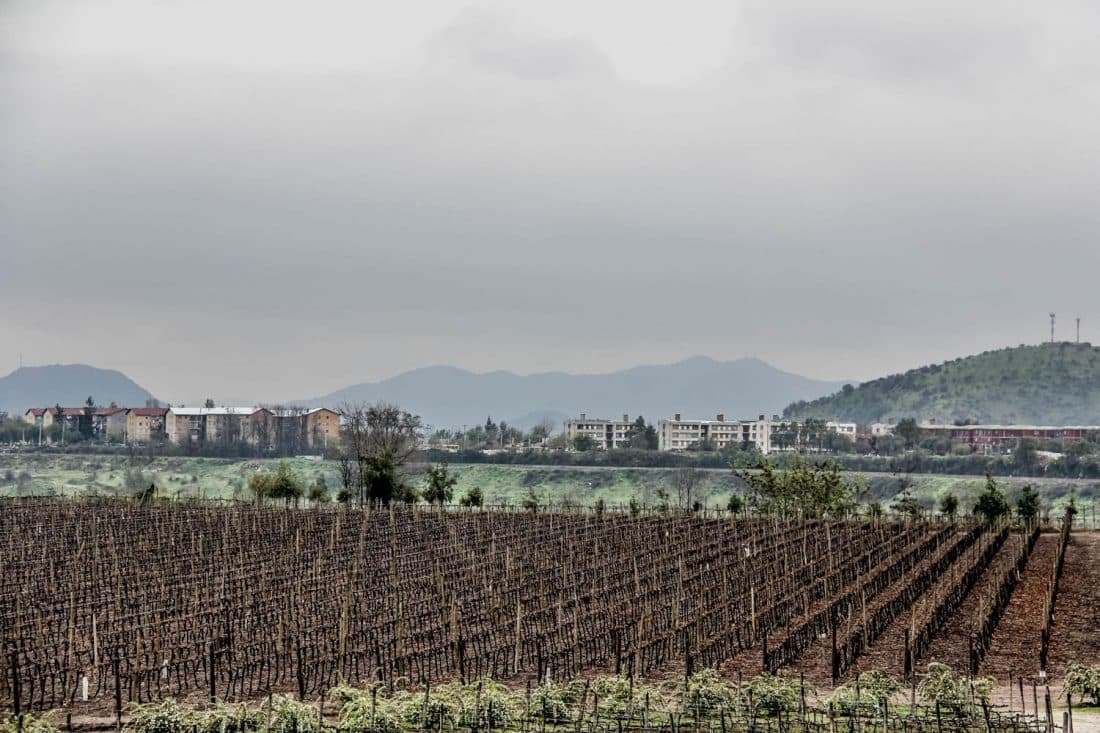
Concha y Toro
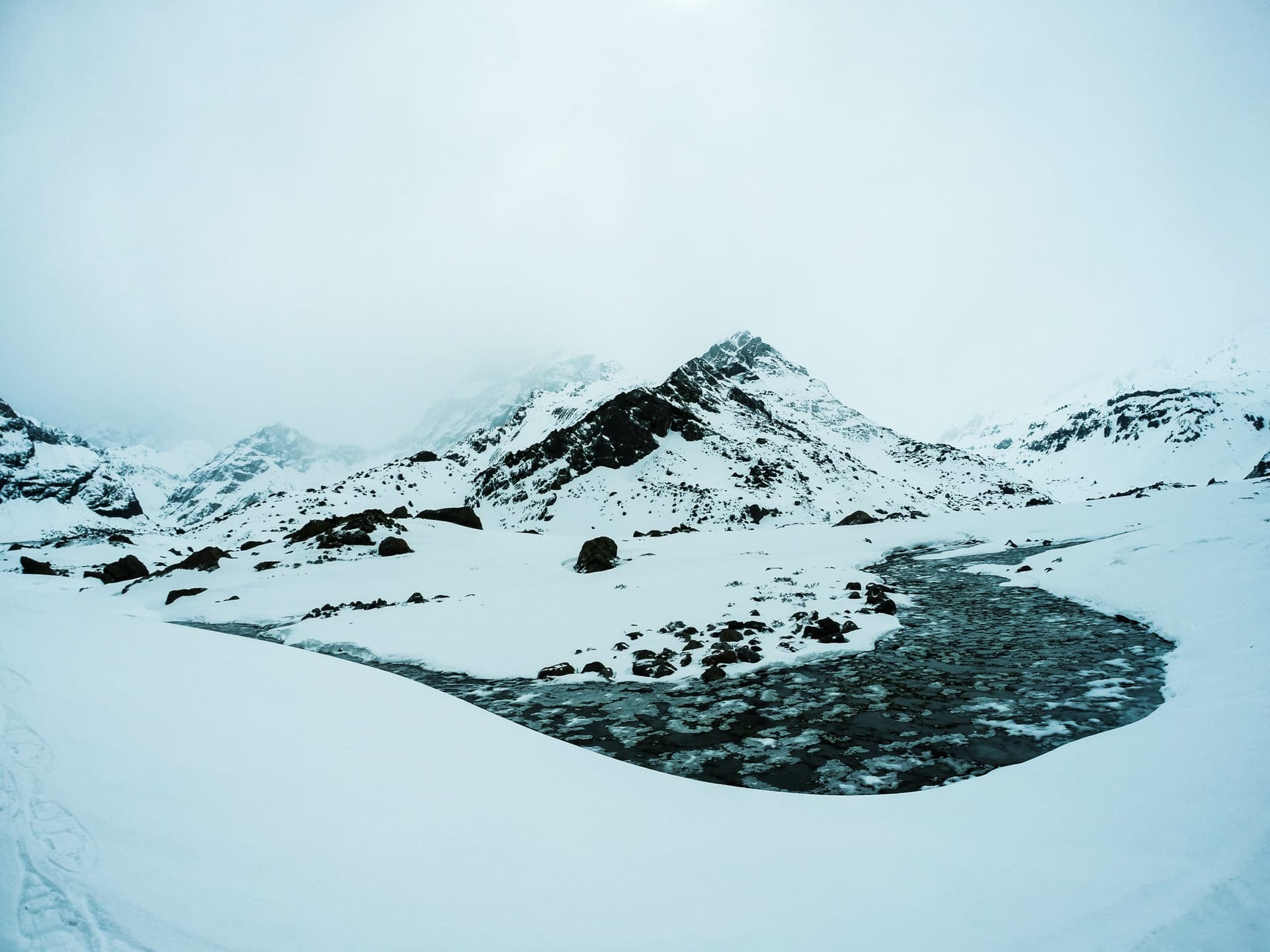
Hike Or Ski Around Cajon Del Maipo
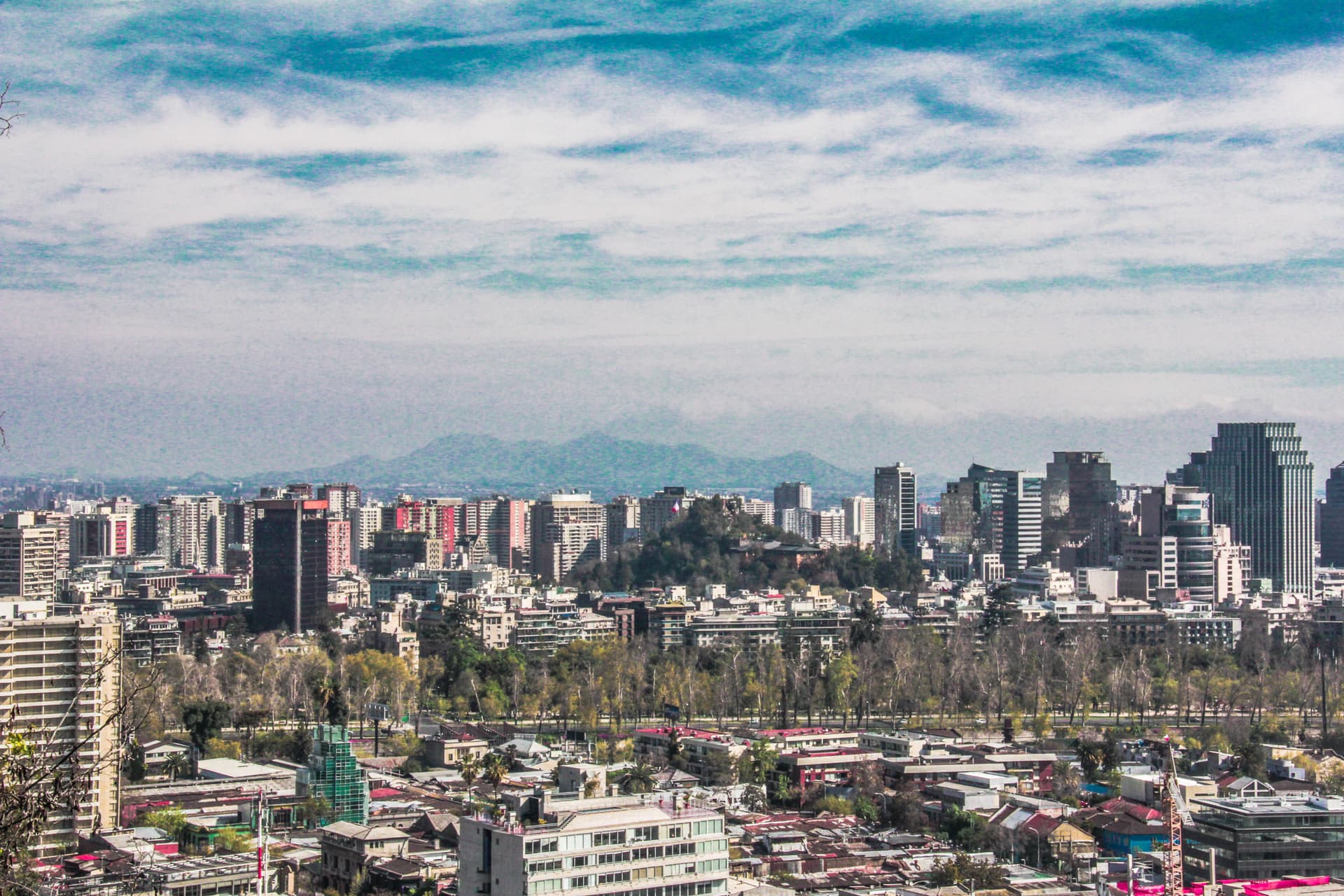
Explore Santiago

Parque Metropolitano
Places to eat or drink near Cerro Santa Lucia

La Picada De Jaime

Antigua Fuente

Liguria

Restaurante Giratório
More places in Santiago
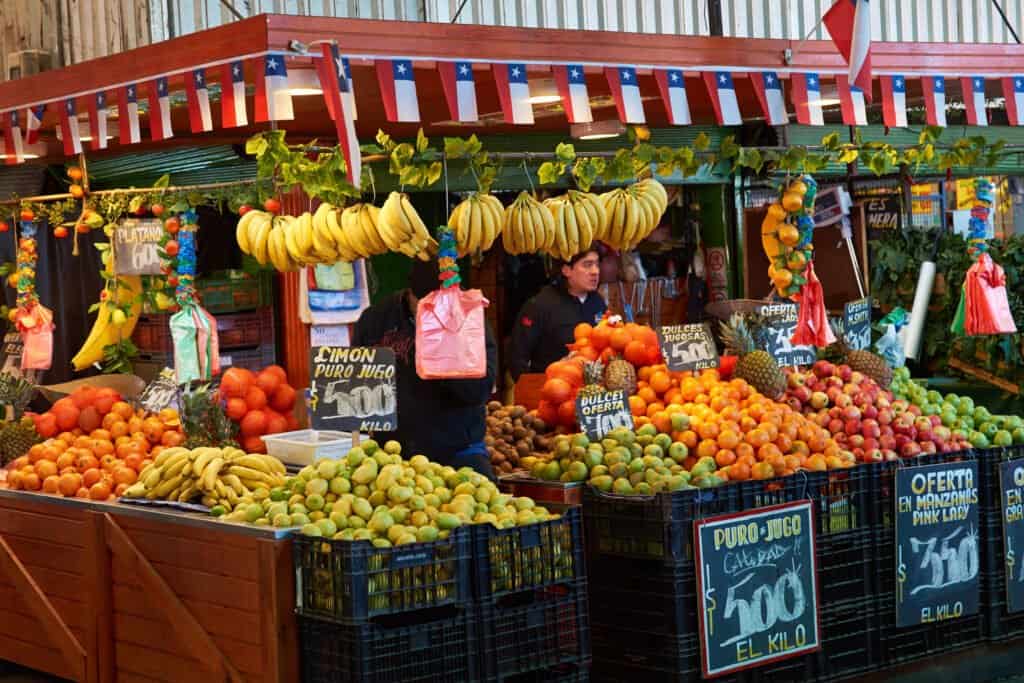
La Vega Market

Chilean Museum of Pre-Columbian Art
Barrio Yungay
