
Parque Quinta Norma
Santiago, Santiago Metropolitan Region, Chile Posted by Brandon B.Admin
A Quiet Corner of Santiago Worth Slowing Down For
Parque Quinta Norma sits in the Quinta Normal neighborhood of Santiago, roughly 10 to 15 minutes by Metro from the city center, and it remains one of the most genuinely pleasant ways to spend an afternoon in the Chilean capital. The park is not a spectacle. It does not compete with the noise and traffic of downtown. What it offers instead is shade, open lawns, a small lake, and a cluster of museums that make it surprisingly useful for anyone curious about Chile's natural and scientific history.
Most visitors to Santiago skip it entirely in favor of Cerro San Cristóbal or the Plaza de Armas. That is their loss.
Why Parque Quinta Norma Matters
The park was established in the 19th century and has long served as a kind of civic anchor for the Quinta Normal district. It is one of Santiago's oldest public green spaces, and the fact that it still functions as a neighborhood gathering place, a weekend picnic spot, and a museum campus all at once says something about how well it has aged. On a Saturday you will find families renting paddle boats on the lake, kids running across the grass, and older residents moving slowly along the tree-lined paths. The pace is different here than in most of the city.
The park also houses several institutions that are genuinely worth your time, including the Museo Nacional de Historia Natural, the Museo de Ciencia y Tecnología, and the Museo Ferroviario, which sits at the southern edge of the grounds and protects a collection of historic locomotives. The combination of green space and cultural content makes Quinta Norma more layered than it first appears.
Quick Facts
- Location: Quinta Normal neighborhood, Santiago, accessible via Metro Línea 5 (Estación Quinta Normal)
- Size: approximately 36 hectares of parkland
- Entry to the park itself is free
- Individual museums within the park charge separate admission fees, which tend to be modest
- The park is open daily, though hours can vary by season
- Paddle boat rentals are available at the central lake on weekends and holidays
- The Museo Ferroviario charges a small entrance fee and keeps its own schedule
Getting There
The easiest way to arrive is by Metro. Línea 5 (the green line) stops directly at Estación Quinta Normal, which lets you out within a short walk of the park's main entrance on Avenida Matucana. From the Baquedano or Santa Ana stations in central Santiago, the ride takes roughly 10 to 15 minutes. If you are coming from Providencia or Las Condes, you will likely transfer at Baquedano.
Avenida Matucana is itself worth noting. The street runs along the eastern edge of the park and has developed into a small cultural corridor over the past couple of decades, with the Centro Cultural Matucana 100 sitting just opposite the park entrance. If you are planning a full day in this part of the city, it is easy to combine both.
The Layout and Experience
The park is laid out around a central lake, with wide paths radiating outward through mature trees. The tree canopy is one of Quinta Norma's best features, especially in summer when Santiago can be punishingly hot. Even on a warm afternoon, the park stays noticeably cooler than the surrounding streets.
The museums are clustered toward the eastern side of the grounds, near the Matucana entrance. The Museo Nacional de Historia Natural anchors this cluster with a neoclassical facade that has become one of the park's most photographed landmarks. It was founded in 1830, making it one of the oldest natural history museums in South America, and its collection spans paleontology, zoology, botany, and anthropology. The building itself is worth stepping into even if you spend only an hour inside.
The Museo Ferroviario, tucked away near the park's southern boundary, tends to get less foot traffic than the natural history museum, which is part of its appeal. The collection of steam locomotives and railway cars is displayed largely in the open air, which gives it a relaxed, exploratory quality. Children tend to love it. Adults who did not expect to care about trains often find themselves lingering longer than planned.
Best Time to Visit
Spring and autumn are the most comfortable seasons, roughly September through November and March through May. The summer months, December through February, can be very warm in Santiago, but the park's tree cover helps considerably. Arrive before noon in summer if you want to avoid the peak heat.
Weekday mornings are the quietest time overall. On weekends, especially Sunday afternoons, the park fills up with families and becomes more festive and noisy, which is its own kind of charm depending on what you are after. If you want the lake and the paths mostly to yourself, a Tuesday or Wednesday morning is hard to beat.
The museums inside the park tend to be closed on Mondays, so plan accordingly if that is a primary reason for your visit.
Photography Tips
The facade of the Museo Nacional de Historia Natural photographs well in the morning, when the light comes from the east and the neoclassical columns catch the sun directly. The lake is most photogenic on calm days when the surface reflects the surrounding trees. The Museo Ferroviario's locomotives offer strong industrial detail shots, particularly the older steam engines whose metalwork and scale are hard to capture in a single frame.
The park's tree-lined main path, especially in autumn when the leaves turn, is one of the more underrated photo walks in Santiago. It does not look like the city at all.
Combining with Nearby Attractions
Centro Cultural Matucana 100 is directly across Avenida Matucana from the park's main entrance and regularly hosts contemporary art exhibitions, theater, and music. It is worth checking their program before you visit, since a morning at Quinta Norma followed by an afternoon show at Matucana 100 makes for a very full and satisfying day in this part of the city.
The Barrio Yungay, which borders the park to the north and east, is one of Santiago's oldest and most architecturally intact neighborhoods. A walk through its streets after leaving the park gives you a sense of what Santiago looked like before the mid-century wave of demolition and construction changed so much of the city center. Look for the traditional casas patronales and the street-level commerce that feels genuinely local rather than tourist-facing.
Practical Tips
- Bring water and sunscreen, particularly in summer. There is limited shade outside the tree-covered paths.
- Most museums within the park are closed on Mondays. Check individual museum schedules before visiting.
- The park is free to enter. Budget a small amount for museum admissions and paddle boats if you plan to use them.
- Vendors inside the park sell snacks and drinks on weekends. On quieter weekdays, options are limited, so eat before you arrive or bring your own food.
- The Metro is strongly preferred over driving. Parking in the Quinta Normal neighborhood is limited and the streets around the park can be congested on weekends.
- Comfortable walking shoes are all you need. The park paths are paved or well-maintained gravel, and the terrain is flat throughout.
FAQ
Is Parque Quinta Norma free to enter?
The park itself is free. The museums on the grounds, including the Museo Nacional de Historia Natural and the Museo Ferroviario, charge their own admission fees, which are generally low.
How long should I plan to spend here?
The park alone warrants an hour or two if you enjoy walking and sitting outdoors. Add another hour or more per museum if you plan to visit them. A half-day is a reasonable minimum if you want to see the park and at least one museum properly.
Is it suitable for children?
Very much so. The open lawns, the lake paddle boats, and especially the Museo Ferroviario tend to work well with younger visitors. The natural history museum also has exhibits that hold children's attention.
Is the neighborhood around the park safe?
Quinta Normal is a working-class residential neighborhood with a lived-in, functional character. Like most parts of Santiago, normal urban awareness applies. The park itself and the immediate area around the Matucana entrance are well-trafficked during the day.
Reviews
Sign in and mark this place visited to leave a review.
No reviews yet.
Free Trip Planner
Plan your Chile trip with our free planner
Build a day-by-day itinerary with AI suggestions, hand-picked places, and friends. Free forever — no credit card.
Things to see near Parque Quinta Norma
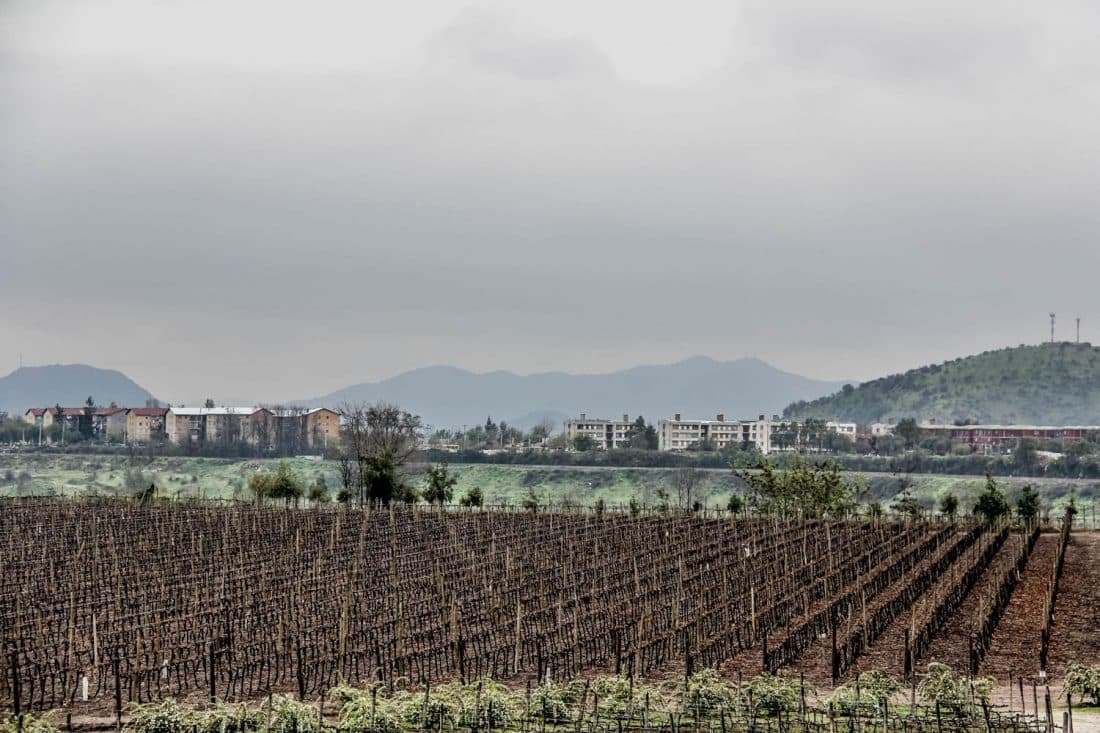
Concha y Toro
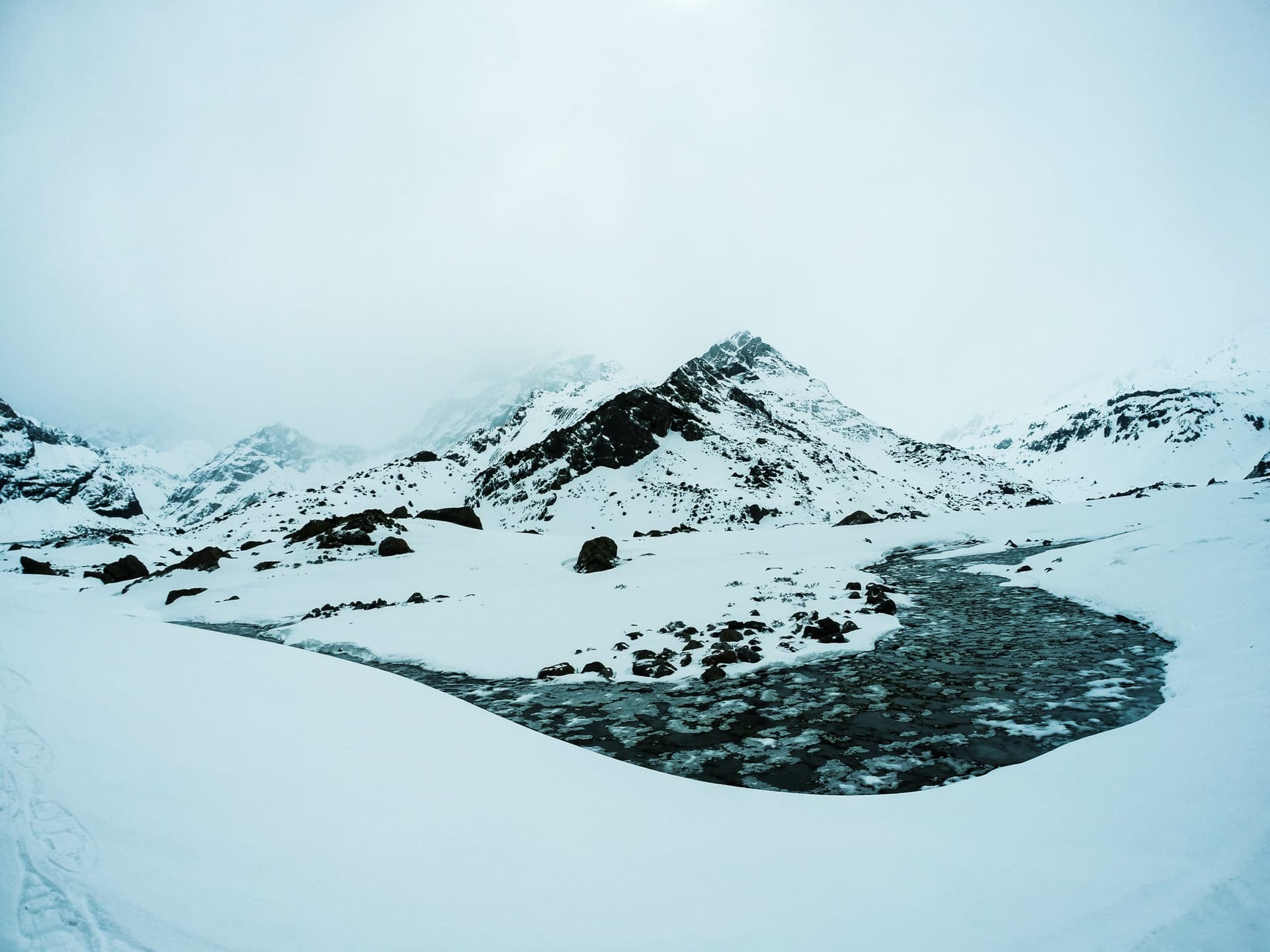
Hike Or Ski Around Cajon Del Maipo
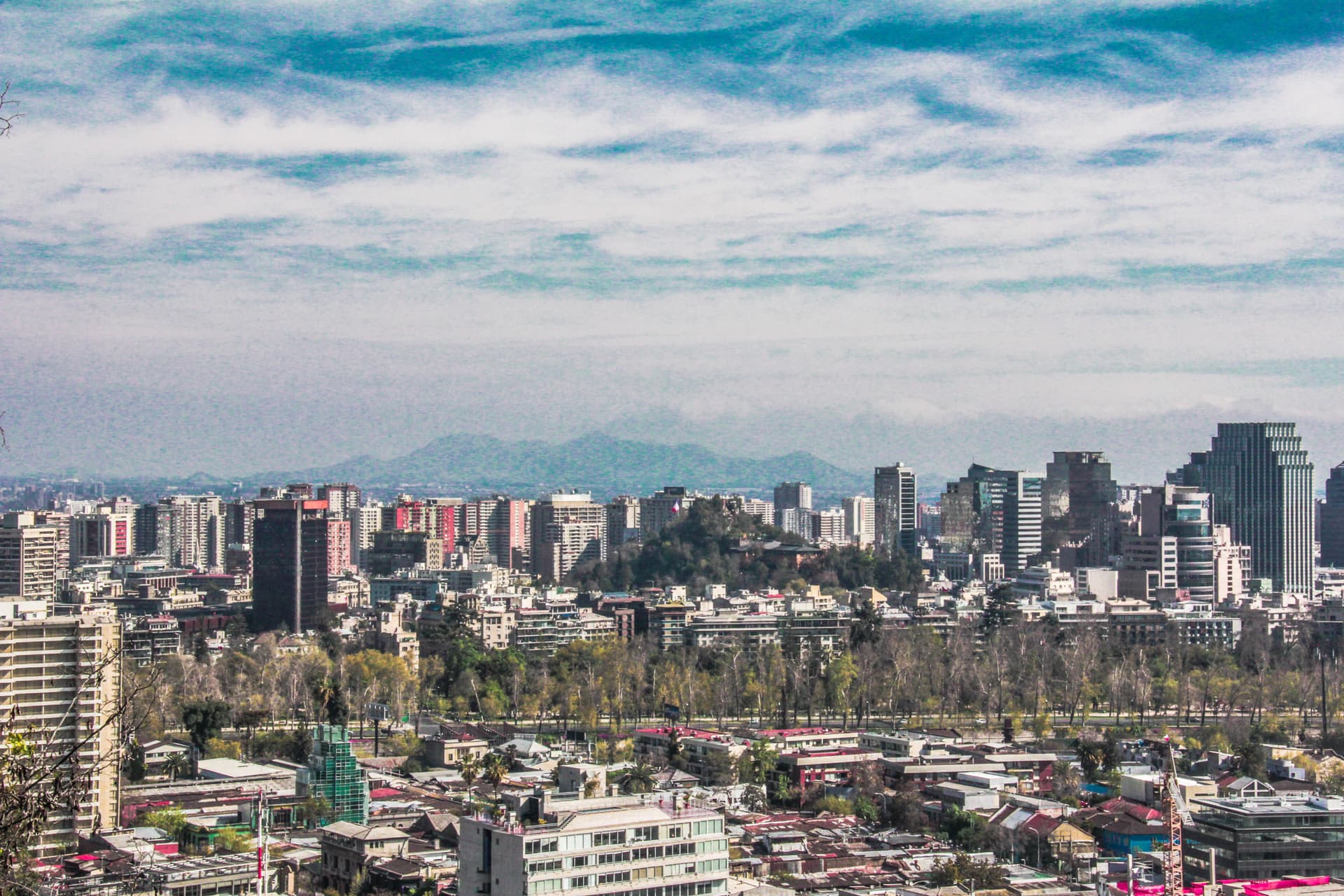
Explore Santiago

Parque Metropolitano
Places to eat or drink near Parque Quinta Norma

La Picada De Jaime

Antigua Fuente

Liguria

Restaurante Giratório
More places in Santiago

Chile National Museum of Fine Arts

La Calma by Fredes

Sky Costanera
