
Charles Dickens Museum
48-49 Doughty St, London WC1N 2LX, UK Posted by Brandon B.Admin
Charles Dickens Museum
The Charles Dickens Museum occupies 48-49 Doughty Street in the Bloomsbury district of London, a Georgian townhouse where the novelist lived from 1837 to 1839. During these two years, Dickens wrote Oliver Twist and Nicholas Nickleby while raising his growing family in this narrow London street. The museum preserves the rooms where he worked and lived, offering visitors a chance to see how the author actually inhabited his creative space. Walking through the house feels less like stepping into a period display and more like entering a place that still holds the weight of his presence.
Why this place matters
Dickens shaped modern literature and social consciousness through novels that exposed the conditions of Victorian poor and working people. His time at Doughty Street marks a crucial turning point in his career, when he moved from successful serialist to major novelist. The house itself is the only surviving London residence where he lived, making it irreplaceable for anyone interested in his life and work. Beyond Dickens scholarship, the museum matters because it anchors a real writer to a real place. You can stand in the rooms where he sat at his desk, see his furniture and personal objects, and understand something about how literature actually gets made.
Quick facts
- Dickens lived here from 1837 to 1839
- Oliver Twist and Nicholas Nickleby were written during his residence
- The building is a Grade I listed Georgian townhouse
- Located in Bloomsbury, walking distance from the British Museum
- The museum has four floors of exhibits
Getting there
Doughty Street sits between two major London neighborhoods. The closest Underground station is Russell Square on the Piccadilly Line, about a five-minute walk away. You can also reach the museum from King's Cross St Pancras station, which is roughly ten minutes on foot. Coming from the British Museum, head north along Museum Street and turn onto Montague Street. The street itself is quiet and residential, lined with other Georgian terraces that give you a sense of how Bloomsbury looked in Dickens's era.
If you arrive by bus, several routes serve the area including services on Gower Street and Guilford Street nearby. Street parking on Doughty Street itself is metered and tends to be competitive during weekday hours.
The layout and experience
The museum uses both the ground floor and basement of number 48, plus the upper floors of number 49. The entrance is on Doughty Street itself, relatively modest and easy to miss if you're not paying attention. You'll be given a map and can move through the rooms at your own pace, though the layout does guide you through a loose chronological and thematic progression.
The ground floor typically features displays about Dickens's life and work during the Doughty Street period. The drawing room shows how the family received guests, while the dining room contains furniture and objects associated with the household. Moving upstairs, you reach the bedroom and study areas. The study is the most evocative room for many visitors because this is where Dickens actually worked. Seeing the desk, the chair, the dimensions of the space, makes the abstract act of writing feel concrete.
The basement houses a library and research area, plus additional exhibition space that often rotates its focus. Exhibitions here might explore specific novels, Dickens's illustrators, or themes from his work. The entire experience is self-guided, so you move at your own pace and spend as long as you wish in each room. Most visitors take between 60 and 90 minutes to see everything thoroughly.
Main highlights
The study where Dickens wrote is the heart of the museum. The room is small and focused, lit by a window looking onto the street. You can see his writing desk and personal items, which makes this space feel less like a museum artifact and more like a place someone actually inhabited. The furniture in the drawing room gives you a sense of how the Dickens family lived, and the dining room provides context for the social rituals of the period.
The museum's collection includes first editions of novels written during the Doughty Street years, original illustrations by George Cruikshank and other artists who worked on Dickens's serialized stories, and personal items including letters and manuscripts. The collection is not enormous, but it's focused and well-presented. Rather than overwhelming you with objects, the museum lets you linger on a relatively small number of meaningful items.
Temporary exhibitions rotate through the basement gallery and bring contemporary perspectives to Dickens's life and work. These might focus on adaptations of his novels, the social history of Victorian London, or the influence of Dickens on later writers.
History and background
Dickens rented the house at 48 Doughty Street in March 1837, shortly after his marriage to Catherine Hogarth. He was 25 years old and already had a reputation as a promising writer through his Sketches by Boz. The house itself dates to the 1790s and was already about 40 years old when Dickens arrived. He lived here during an extraordinarily productive period, publishing Oliver Twist in serial form while also writing Nicholas Nickleby. He also witnessed the birth of two of his children at this address and experienced personal tragedy when his sister-in-law Mary Hogarth died in the house in 1837.
Dickens moved to a larger house in Devonshire Terrace in 1839 as his family and reputation continued to grow. The Doughty Street house passed through various hands over the following decades. By the early 20th century, the building had been subdivided into flats and was in poor condition. In 1925, a group of Dickens enthusiasts formed the Dickens Fellowship and purchased the house. They restored it and opened it as a museum in 1925, making it one of the oldest literary house museums in London.
The museum has been carefully maintained and periodically updated since then. The restoration work aims to show the house roughly as it would have appeared during Dickens's occupancy, though some compromises are necessary for modern museum operations. The curators balance historical accuracy with visitor access and safety.
Tickets and entry
General admission is charged, and there are discounted rates for children, students, and seniors. Family tickets covering two adults and children are available. The museum is closed on Mondays and on certain public holidays. Hours on other days typically run from late morning through late afternoon, though you should check ahead before visiting as hours can shift seasonally.
Guided tours are offered on selected days and provide deeper context about Dickens's life and the house's history. These tours are led by volunteers and staff who are often knowledgeable enthusiasts. Booking ahead is recommended, especially during peak tourist season.
Best time to visit
Spring and early summer tend to be busier, as are school holidays and weekends. If you prefer a quieter experience, weekday visits in autumn or winter offer more space to contemplate the rooms. The house has no climate control in the traditional sense, so it can feel quite cold in winter and quite warm in summer. The rooms are lit by natural light and period-appropriate fixtures, which means they can feel darker on overcast days.
The museum is small enough that even on busy days it rarely feels crowded. Each room has limited capacity, so visitors naturally spread out. Coming mid-morning on a weekday tends to offer the most peaceful experience.
Photography tips
Photography is allowed in most areas of the museum, though flash is typically prohibited to protect the collection. The rooms are lit naturally and with period-appropriate fixtures, so available light photography works best. The study window offers interesting light, especially on clear mornings when the window faces the street. The drawing room with its period furnishings provides good compositional opportunities.
The exterior of the building, with its red-brick Georgian facade and the blue plaque marking Dickens's residence, photographs well from across the street. Doughty Street itself is relatively quiet, so you can usually get a clear shot without waiting for pedestrians to move.
Facilities and preparation
The museum is located in a historic building, which means the layout reflects the original architecture. There are stairs between floors, and some doorways are narrow. The museum staff can provide assistance if mobility is a concern, and they can describe rooms you're unable to access fully. A ground-floor room with accessible facilities is available.
The museum has a small shop selling books about Dickens, postcards, and related items. There is no cafe on-site, though Bloomsbury has numerous coffee shops and restaurants within a five-minute walk. The British Museum is nearby, as is the British Library, so you could combine a visit here with other cultural attractions in the area.
Combining with nearby attractions
The British Museum is a 10-minute walk south, making it easy to spend a morning or afternoon at each location. The British Library, home to manuscripts and rare books including some Dickens materials, is about a 15-minute walk away on Euston Road. The Wellcome Collection, a free museum of medical history and curiosities, is nearby on Euston Road. Coram's Fields, a children's charity with a park and gardens, is a short walk west and provides a different kind of historical perspective on Victorian London and childhood.
Bloomsbury itself is worth exploring. The area has connections to the Bloomsbury Group of writers and artists, and walking streets like Great Ormond Street and Taviton Street gives you a sense of the neighborhood's literary heritage. Several pubs in the area have existed since the Victorian period, though they've been updated over time.
Sample visit plan
Arrive at the museum shortly after it opens to avoid mid-morning crowds. Spend 15 to 20 minutes in the ground-floor rooms getting oriented to Dickens's life and the household. Move to the study upstairs and allow yourself 20 to 30 minutes there. The study benefits from unhurried viewing. Continue through the remaining upstairs rooms, which typically take another 20 to 30 minutes. If a temporary exhibition is on, allocate additional time in the basement. Total time on-site should be between 75 and 120 minutes depending on how thoroughly you engage with the materials.
After leaving, walk north on Doughty Street to Gray's Inn, a historic legal precinct with gardens open to the public. Alternatively, head south toward the British Museum or east toward Coram's Fields. Stop for lunch or coffee at one of the nearby restaurants or cafes in Bloomsbury.
Practical tips
- Allow at least 90 minutes for a thorough visit
- Weekday visits are quieter than weekends
- The house has no elevator, so be prepared for stairs
- Bring a small notebook if you're interested in taking notes about Dickens's life
- The study and drawing room are the most significant rooms for most visitors
- Street parking is limited and metered; use the nearby car parks or public transport
- Combine with the British Museum or British Library for a full day of literary and cultural exploration
FAQ
How long does a typical visit take? Most visitors spend 60 to 90 minutes at the museum. If you're a Dickens enthusiast or want to engage deeply with the temporary exhibition, you might spend two hours or more.
Is the museum accessible for people with mobility challenges? The building is historic and features stairs between floors. Ground-floor areas are accessible, and staff can describe upper-floor rooms. Contact the museum ahead of your visit to discuss specific access needs.
Can I take photographs? Yes, photography is allowed in most areas without flash. Check with staff about any restricted rooms.
Is there parking nearby? Street parking on Doughty Street is metered and often full. Several car parks operate in the surrounding area. Public transport via Russell Square or King's Cross stations is usually more convenient.
What's the best way to combine this with other London attractions? The museum is within walking distance of the British Museum, British Library, and several other cultural venues in Bloomsbury. A morning at the Dickens Museum followed by an afternoon at the British Museum makes a full day.
Opening hours
Reviews
Sign in and mark this place visited to leave a review.
No reviews yet.
Free Trip Planner
Plan your United Kingdom trip with our free planner
Build a day-by-day itinerary with AI suggestions, hand-picked places, and friends. Free forever — no credit card.
Things to see near Charles Dickens Museum

Fulham Palace

Treetop Walkway Richmond
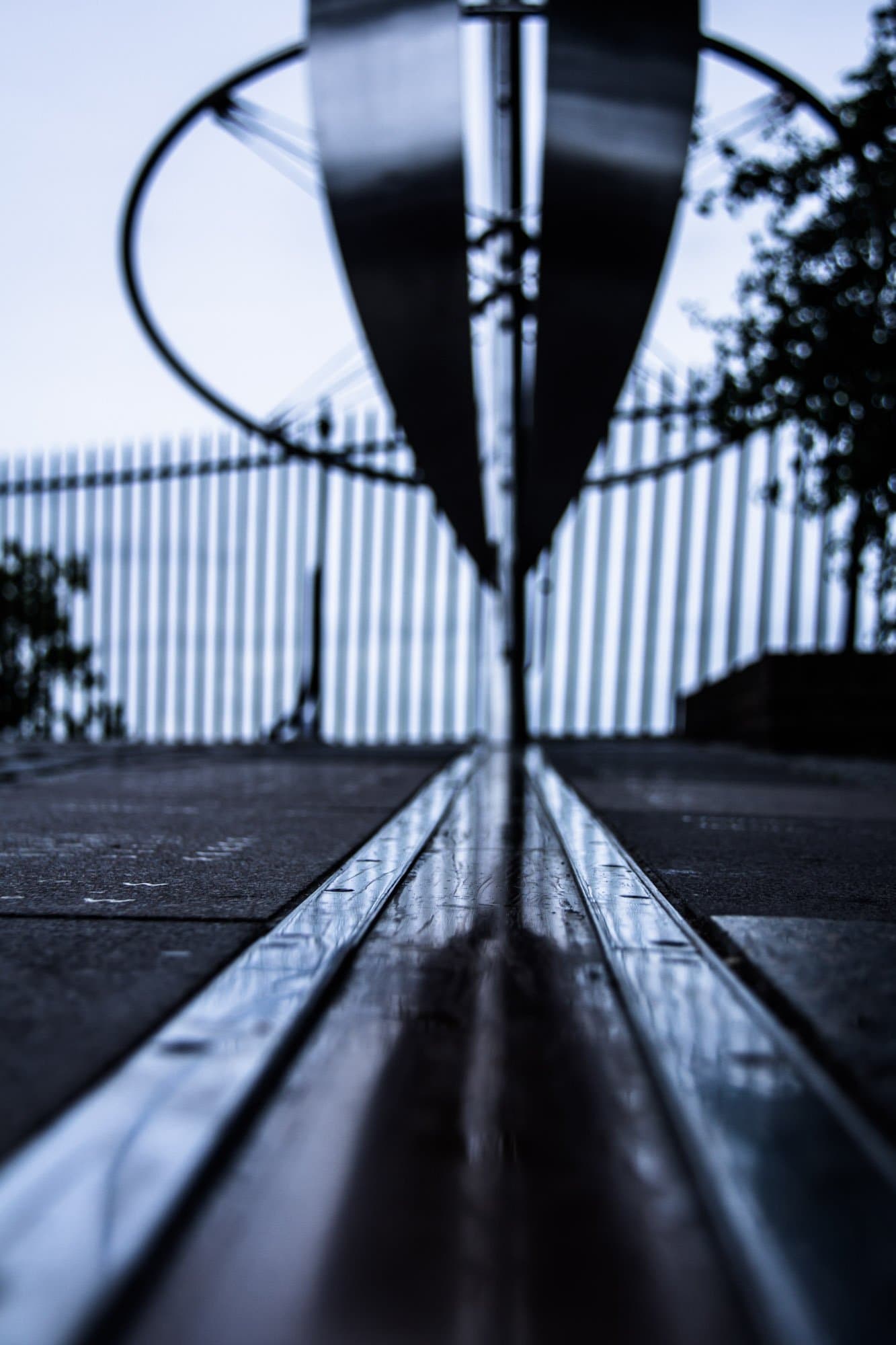
Stand On The Prime Meridian


