

Santiago on the map
22 places from this guide. Tap a pin to open the listing.
Overview
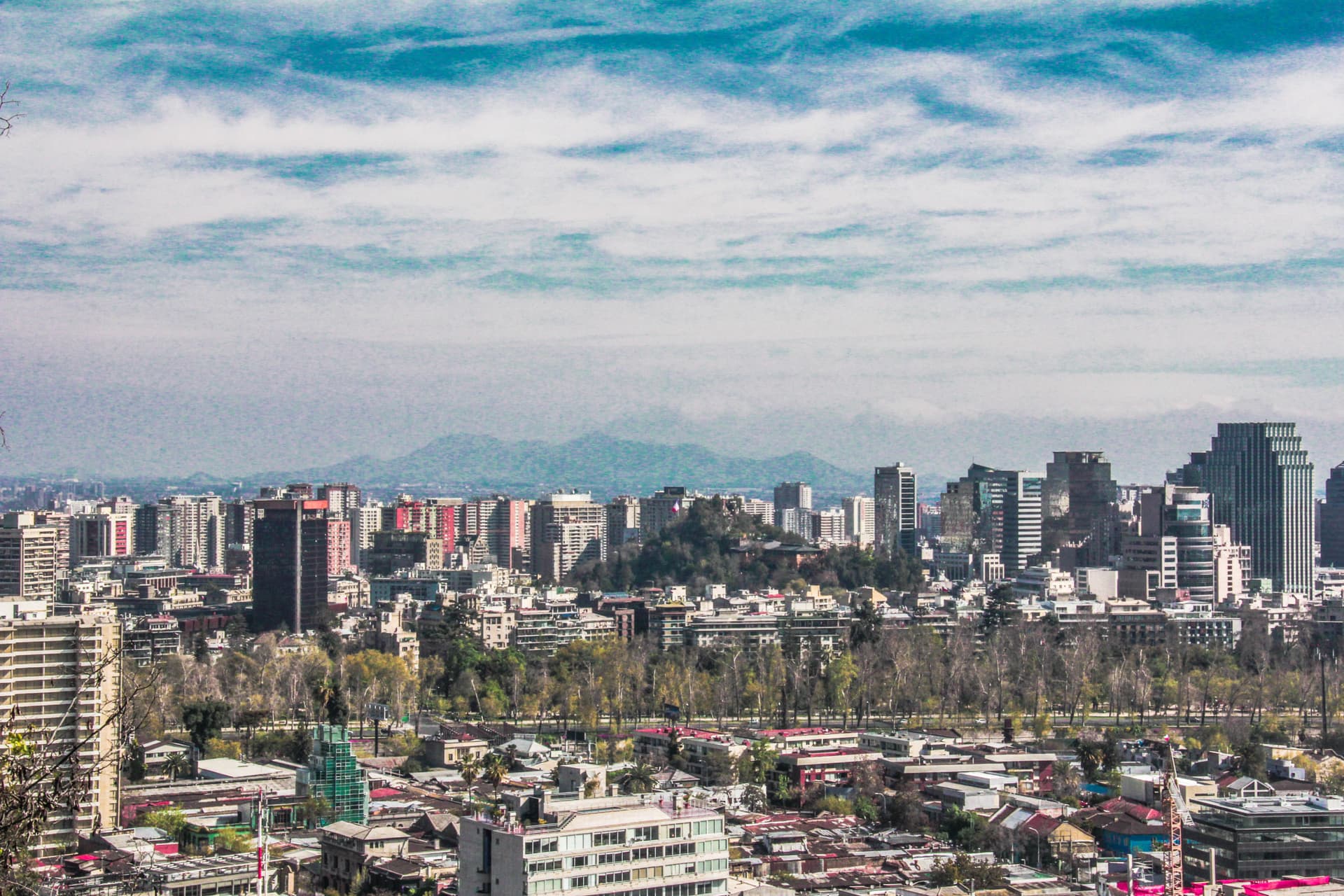
Santiago sits in a long valley between the Andes and the Chilean Coastal Range, and on a clear winter morning you can see snow on the peaks from almost any rooftop bar downtown. It's the capital of Chile and home to roughly a third of the country's entire population, which means everything from government to finance to the best restaurants in the country tends to cluster here first. This Santiago travel guide covers the practical stuff, how to get around, where to eat, what a day actually costs, plus the sights that are worth your limited time.
The city works on a grid that follows the Mapocho River, and the metro makes most of it genuinely easy to cover without a car. You can ride up San Cristóbal Hill one afternoon, spend the next morning at the Museum of Memory & Human Rights, and still have time for a pisco sour in Barrio Lastarria before dinner. Santiago isn't a city that demands weeks, but it rewards the traveler who slows down a little, especially around meal times.
When to Visit
Chile sits in the Southern Hemisphere, so the calendar runs backward from what visitors from Europe or North America expect. Summer runs December through February, when the city gets hot and dry and locals head to the coast, so hotel prices in central Santiago can actually dip even as the beach towns fill up. Spring (September to November) and autumn (March to May) are the sweet spots for sightseeing, with mild days, clearer air, and the vineyards around the city either blooming or being harvested.
Winter, roughly June through August, brings cooler, often smoggy days in the city itself, but it's also ski season. Valle Nevado, Farellones, and El Colorado sit less than two hours from downtown, and locals treat a day on the slopes the way other capitals treat a day at the beach. September 18th, Chile's independence day (Fiestas Patrias), is worth knowing about too: much of the country shuts down for a few days of asado and cueca dancing, which is either a great reason to visit or a reason to plan around closures depending on what you're after.
Where to stay
Providencia is the default pick for first-timers: leafy, safe, well connected by metro, with a good mix of mid-range hotels and apartments. Las Condes, further east toward the mountains, skews more corporate and upscale, with the city's newer towers and malls.
Bellavista and Barrio Lastarria sit at the foot of Cerro Santa Lucía and draw a younger, artsier crowd. This is where you'll find Patio Bellavista for a night out and easy walking access to both Cerro Santa Lucia itself and the funicular up San Cristóbal Hill. Barrio Brasil and Barrio Yungay, just west of the center, have a different feel entirely: 19th-century mansions, art schools, and some of the best value guesthouses in the city, plus a genuinely local, slightly bohemian atmosphere that's less polished than Providencia but arguably more interesting to walk around.
If you want to be in the historic core itself, a hotel near Plaza de Armas de Santiago puts the cathedral, the main post office, and Palacio La Moneda within walking distance, though this part of downtown quiets down fast after office hours.
How to reach the destination
Most international visitors fly into Comodoro Arturo Merino Benítez International Airport, which has direct connections to major hubs across the Americas and a growing number from Europe. From the airport you can take a taxi into the city center for roughly 19,000 CLP (around $27 USD, though confirm current rates), or save money on one of the airport bus services, TurBus or Centropuerto, which run regularly into downtown and Providencia.
Overland travel is common too. Santiago connects by long-distance bus to cities across Chile and to neighboring countries, and budget travelers crossing South America often arrive this way. Rome2Rio is a decent starting point for checking current routes and fares before you commit to a carrier. Driving into Santiago is possible from anywhere on the continent, though realistically it's a long haul from most countries and makes more sense as a one-way leg of a bigger road trip than a dedicated way to arrive.
Getting around the destination
The Santiago Metro is the backbone of getting around and it's genuinely good, clean, frequent, and cheap by international standards. Most of the sights worth seeing, Sky Costanera, the museums near Parque Quinta Norma, the historic center around Plaza de Armas de Santiago, sit within a short walk of a station. A single bus fare runs around 480 CLP, and the same BIP card works across both buses and metro, so it's worth picking one up on day one rather than buying individual tickets.
Uber and taxis both operate widely and are inexpensive compared to equivalent rides in North America or Europe, though stick to licensed taxis with a visible meter running rather than flagging down unmarked cars. If you'd rather not plan your own itinerary, a local outfit like Explore Santiago runs guided walks and day trips that cover the city's layout faster than figuring it out solo, which can be worth it on a short visit. A car makes sense mainly if you're heading out to the vineyards or the ski resorts on your own schedule, since parking and traffic downtown aren't worth the hassle otherwise.
Top destination travel tips
- Skip the haggling. Prices in shops and markets are generally fixed, and trying to negotiate is more likely to get you a polite shrug than a discount. If something feels overpriced, just walk to the next stall.
- Check that taxi meters are running. Most drivers are honest, but as a visible tourist it's worth confirming the meter is on and that the driver is licensed before you set off.
- Learn a few Spanish phrases. English shows up at hotels and tourist-facing restaurants, but it thins out fast at markets like La Vega Market or in smaller neighborhood spots, so a translation app and basic greetings go a long way.
- Watch your bag on public transport, especially during rush hour on the metro's Línea 1, which gets genuinely packed.
- Pack layers regardless of season. The valley setting means temperatures can swing a lot between morning and afternoon, and smog can make winter days feel colder than the thermometer suggests.
- Budget a half-day for Cerro San Cristóbal. Between the funicular queue, the summit views, and the botanical garden at the base, it eats more time than it looks like on a map.
- If skiing, book lift passes ahead where you can. Valle Nevado is the biggest of the nearby resorts, with lift passes running around 34,000 CLP, alongside Farellones and El Colorado as smaller, often cheaper alternatives.
Typical costs in the destination
Chile's currency is the Chilean peso (CLP), and Santiago is reasonably affordable for a capital city, particularly when it comes to transport. Hostel beds can run from around 6,000 CLP a night, with budget hotels climbing toward 25,000 CLP and up. For something nicer, boutique options like The Aubrey Hotel, close to Cerro San Cristóbal and Patio Bellavista, sit in the mid-to-upscale range, and at the top end the city even has a Ritz-Carlton where rates can land a little over $200 USD a night, which is unusually accessible for that brand.
A solid sit-down meal runs around 7,500 CLP at a good mid-range restaurant, less at a casual lunch spot or a market stall. A bus fare is around 480 CLP, and taxis and Uber, while pricier than public transport, are still inexpensive by international standards. Wine tasting and day trips to vineyards like Concha y Toro will add to a day's budget but are generally good value given the quality on offer.
Must try food and drinks
- Pastel de choclo, a baked corn and ground beef casserole with a sweet, slightly caramelized corn topping, is the dish most Chileans call comfort food.
- Empanadas de pino, filled with beef, onion, olive, and hard-boiled egg, are sold everywhere but worth seeking out at a proper bakery or market stall over a tourist cafe.
- A completo, Chile's take on the hot dog, piled with avocado, tomato, and mayonnaise, is street food worth trying at least once, even if it's messier than it looks.
- Seafood is a strength here given the coastline nearby, and dishes built around congrio (a local eel-like fish) or razor clams (machas) show up on menus across the city.
- Pisco sours are the standard aperitif, made with Chilean pisco, lime, and egg white, and worth comparing from one bar to the next since the balance varies a lot.
- For a tasting-menu approach to Chilean ingredients, Boragó has built a serious reputation around foraged and native produce, while Liguria offers a more old-school, lively bar-and-bistro experience with Chilean classics done well.
- La Picada De Jaime and Antigua Fuente both lean into traditional, unfussy Chilean cooking, good places to try a completo or a plate of pastel de choclo without the fine-dining price tag.
- Ambrosia Bistro and Restaurante Giratório round out the mid-to-upscale end, the latter known for its slowly revolving dining room and city views.
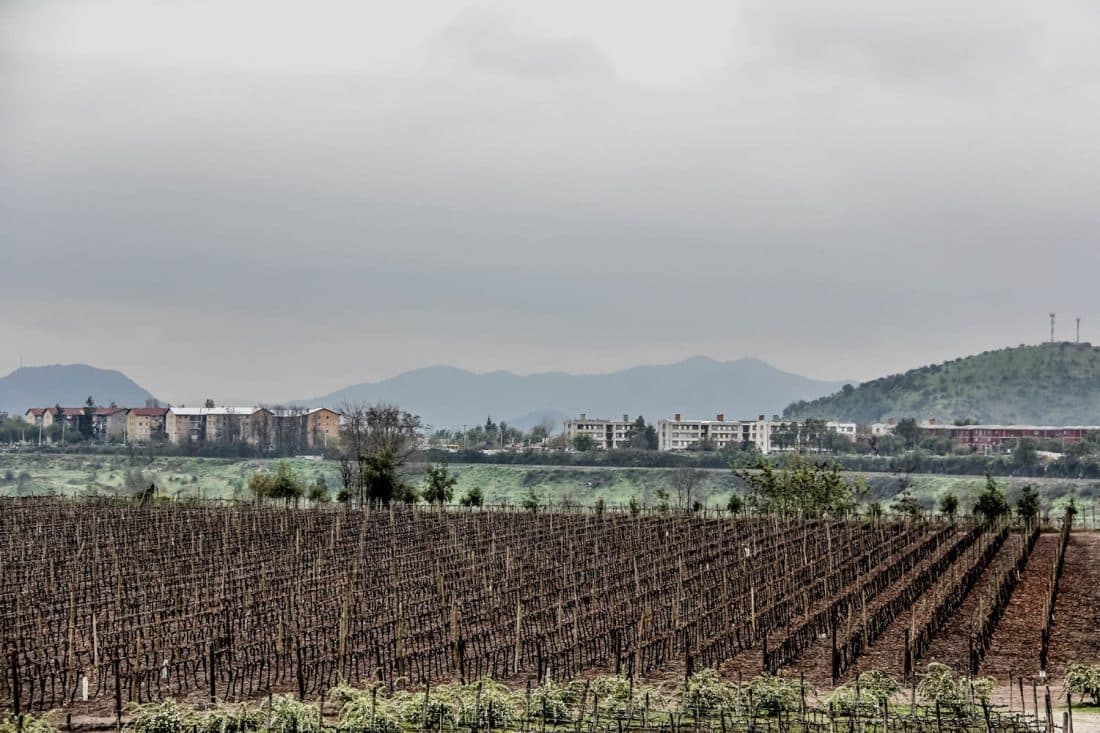
- Wine is non-negotiable here. Chile's Central Valley, within easy day-trip range of Santiago, produces excellent Carménère and Cabernet Sauvignon, and a visit to a winery like Concha y Toro is one of the better half-day trips from the city.
FAQ
How many days do you need in Santiago?
Two to three days is enough to cover the main sights, and four lets you add a day trip. Sky Costanera, San Cristóbal Hill, Cerro Santa Lucía, and the museum cluster near Parque Quinta Normal are all reachable by metro, so you can move fast if needed. Add extra time if you want wine tasting or skiing.
Is Santiago expensive?
Santiago is generally affordable for a capital city, especially getting around. Buses, Uber, and taxis are cheap, and lodging ranges from hostels to budget hotels to luxury options like a Ritz-Carlton. Prices shift over time, so confirm current rates before you book anything.
Is Santiago safe for tourists?
Santiago is generally safe for tourists who take normal big-city precautions, like watching your belongings in crowds and on the metro. Taxis are a safe way to get around, but check that the driver is licensed and the meter is running to avoid overcharging. Check current government travel advisories before your trip.
Do you need a car in Santiago?
No, you don't need a car in Santiago. Public transport is efficient and far cheaper than taxis, and most attractions are reachable by metro, bus, or on foot. A car only really pays off if you're driving yourself to ski areas or wine country on your own schedule.
When is the best time to visit Santiago?
It depends on what you're after: winter, roughly June to September, suits skiing at nearby resorts like Valle Nevado, Farellones, and El Colorado, while the milder shoulder seasons suit sightseeing and wine trips. Remember Chile's seasons run opposite to the Northern Hemisphere. Check current snow conditions before booking a ski trip.
Do people speak English in Santiago?
Some people do, mainly in hotels and tourist-facing businesses, but Spanish is the everyday language across the city. Basic Spanish phrases help a lot in taxis, markets, and local restaurants. Keep a translation app handy and don't expect English at smaller spots or markets like La Vega.
Is it worth taking a day trip from Santiago?
Yes, day trips are one of the best reasons to base yourself in the city, especially for skiing or wine. Resorts like Valle Nevado and vineyards like Concha y Toro are both within a couple of hours. Check transport options, tour availability, and seasonal conditions in advance, since schedules and prices change. Any good Santiago travel guide will point you toward these trips as the natural extension of a few days in the city itself.
Top Places to Visit in Santiago
View all See & DoModerate · $$
 See & Do
Chilean Museum of Pre-Columbian Art
 See & Do
Chile National Museum of Fine Arts
 See & Do
 See & Do
Museum of Memory & Human Rights
 See & Do
 See & Do
 See & Do
Top Places to Eat in Santiago
View all Eat & Drink
Restaurante Giratório
 Eat & DrinkExpensive · $$$
La Calma by Fredes
 Eat & DrinkBudget · $
La Picada De Jaime
 Eat & DrinkModerate · $$
Liguria
 Eat & DrinkLuxury · $$$$
Boragó
 Eat & DrinkLuxury · $$$$
Ambrosia Bistro
 Eat & DrinkModerate · $$