
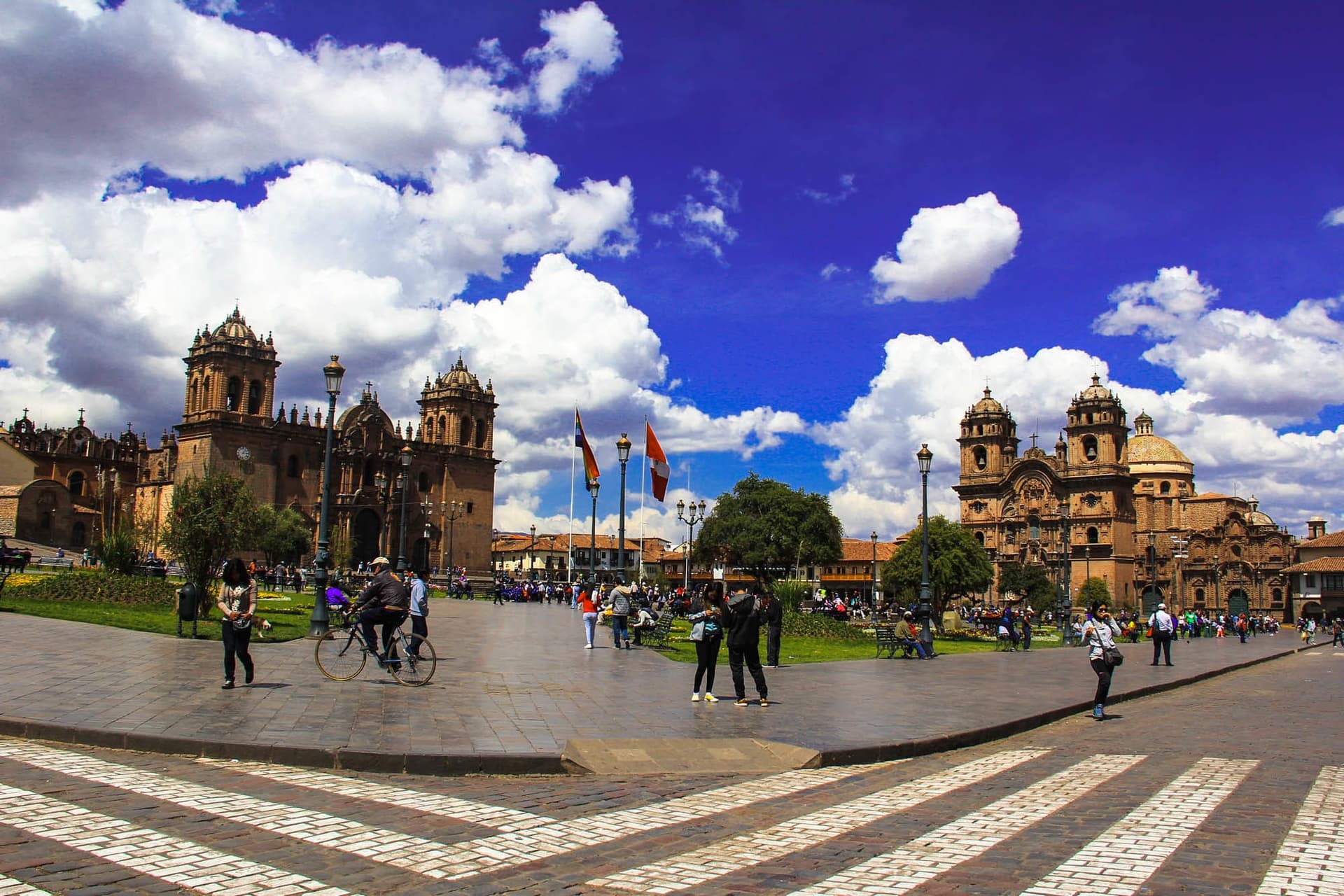
Cusco Travel Guide Overview
Most travelers only find out about Cusco as a starting point for the trip to the famous Machu Picchu. It’s also a great stop to get acclimated to the elevation. However, the city has much more to offer apart from being a convenient stop on your way. Wandering the streets of Cusco you can explore the charming cobbled alleyways and attractive historic buildings. Cusco is full of museums, galleries and other interesting places to visit. There is a reason the city itself is a UNESCO World Heritage Site.
How to Reach Cusco
By bus – The main bus terminal, Terminal Terrestre, is about 1.5 miles (2.4km) SW of the city center. Buses are plentiful to and from other Peruvian and Bolivian cities but are quite long and slow, although many times offer scenic views. By train – Cuzco is connected to Machu Picchu and Puno by rail. The train service is operated by Peru Rail. By plane – The international airport of Alejandro Velasco Astete (CUZ) is located at the edge of the city. There are daily internal flights to and from Lima, Arequipa and smaller jungle airports in the Amazon basin.Where to Stay in Cusco
Aside from Central Cusco, where most establishments are, San Blas is also a popular area, especially for visitors. It’s several minutes and uphill from Lima, but it offers many choices in terms of types of accommodations and price ranges.Cusco Travel Tips
Try Cuy (guinea pig) – Taste the traditional holiday food of the region. You can buy a whole cooked cuy in many of the Eat and Drinks around Plaza de Armas. There are also many dedicated ‘cuyerias’ around town where you can find much cheaper cuy. If you purchase around the Plaza de Armas be prepared to pay close to that of a decent steak. Take a Salsa class – With a number of enthusiastic teachers and a number of styles taught in the city, this is the perfect place to learn some new dance moves. Try alpaca steak – A taboo in other parts of the world but here, it is considered a delicacy. Do not be reckless – Although Cusco is a relatively safe city, as in any urban area, muggings and petty thefts do occur. Be careful where you walk at night and take care of your belongings. Do not underestimate the altitude– The altitude isno joke. Many people experience some for of altitude sickness when arriving to Cusco as it is around 11, 000 feet (3399m) high. Just be sure to drink plenty of water and use cocoa leaves in a tea or simply chewing them. If you are doing hikes such as the Incan Trail it is a good idea to acclimate here for a day or two before heading out on a hike.Typical Costs in Cusco
Price Range for Hotels There are many sleeping options in Cusco to suit all budgets. Most won’t need to be booked beforehand. You can find a hostel or a local bed and breakfast for as low as $13 per night, you can find a luxurious hotel for a few hundred USD per night and you can find all the options in between. Cost of meal There is an endless string of Eat and Drinks and bars in Cusco’s streets that offer food and drinks at reasonable prices. Price per dinner in an average Eat and Drink can be lower than $5 per person. If you are looking for a more expensive option, there is no shortage of those also. Transportation costs Taxis are a relatively cheap way to move around the city as a 3 km ride will cost you around $1. The taxi from the airport to the city center costs around $3.5. Busses are an even cheaper way to move around the city, though they might get really crowded and hectic.Where and What to Eat in Cusco
Where to Eat Cicciolina (dishes start at $12) is one of the most recommended Eat and Drinks in Cusco and is known for its selection of international dishes. Marcelo Batata is for those looking to try classic Peruvian favorites ($15-$25), while La Bodega 138 offers up brunch menu and craft beer, with meals starting at $8. Unique Dishes to Eat Cusco has some very unique dishes that are must tries. First off try cuy (guinea pig). It’s sounds very odd but it’s actually pretty good and as you would suspect, it takes like chicken. Another unique thing to try is alpaca meat. Alpaca steaks are delicious and tastes a big like something between lamb and beef. Chicharrón is another typical local dish which is basically fried pork. For the Beer Enthusiast We checked out the QosQo Beer House by the square which had an excellent beer selection with plenty of local craft beers. QosQo even had pretty good food. Cholos Craft Beers and Nuevo Mundo Draft Beer also come highly recommended.Photographs
FAQ
How many days do you need in Cusco?
Plan on at least two to three days in Cusco. The guide recommends acclimating for a day or two before hikes like the Inca Trail, and the city itself has museums, galleries, and cobbled streets worth exploring. Add more time if you want to do a multi-day trek such as Salkantay, Lares, or Ausangate afterward.
Is Cusco walkable?
Yes, the historic center is best explored on foot. Its cobbled alleyways and historic buildings are packed into the center. Expect some uphill walking, for example toward San Blas, and take it slowly because of the altitude. For longer hops, taxis are cheap, and the guide notes short rides cost very little.
Do you need a car in Cusco?
No, you don't need a car in Cusco. Taxis and buses are cheap for getting around the city, and Peru Rail trains connect Cusco with Machu Picchu and Puno. Long-distance buses run to other Peruvian and Bolivian cities, though they are slow. The airport sits at the edge of the city, so a taxi into the center is simple.
When is the best time to visit Cusco?
The dry season, roughly May to September, is the most popular time to visit Cusco, with clearer skies for trekking. The rainy season, roughly November to March, brings muddier trails and more cloud. Dry months also draw bigger crowds, so check trek and train availability early and confirm current conditions before you travel.
Is Cusco worth visiting beyond Machu Picchu?
Yes, Cusco is worth more than a quick stop on the way to Machu Picchu. The whole city is a UNESCO World Heritage Site, with cobbled alleys, historic buildings, museums, and galleries. Add regional food such as cuy and alpaca, craft beer bars, and salsa classes, and you have plenty to fill a few days.
Do people speak English in Cusco?
English is usually spoken in tourist-facing places like hotels, tour agencies, and restaurants around the Plaza de Armas, but not everywhere. Spanish is the main language, and Quechua is also widely spoken in the region. Learning a few basic Spanish phrases helps with taxis, buses, and local markets, and it is appreciated.
Cusco on the map
24 places from this guide. Tap a pin to open the listing.
Top Places to Visit in Cusco
View all See & Do
Paisaje Arqueológico de Waqrapukara
 See & Do
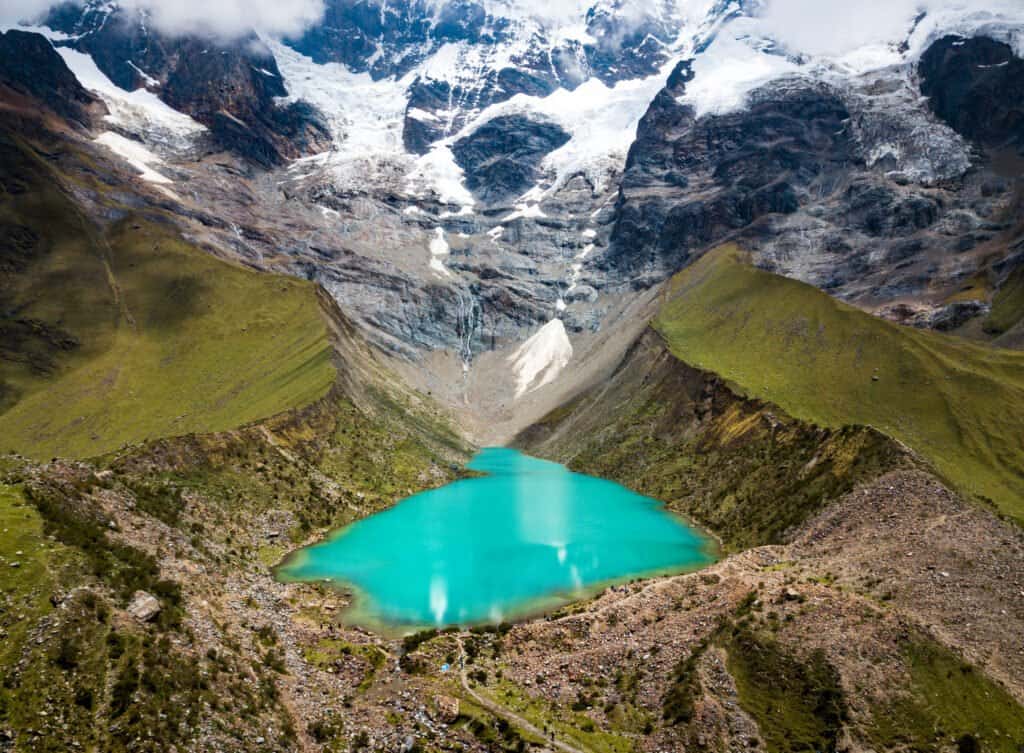 See & Do
 See & Do
Choquequirao Archaeological Park
 See & Do
Salkantay Trek
 See & Do
 See & Do
Ausangate Trek
 See & Do
Vinicunca Rainbow Mountain
Top Places to Eat in Cusco
View all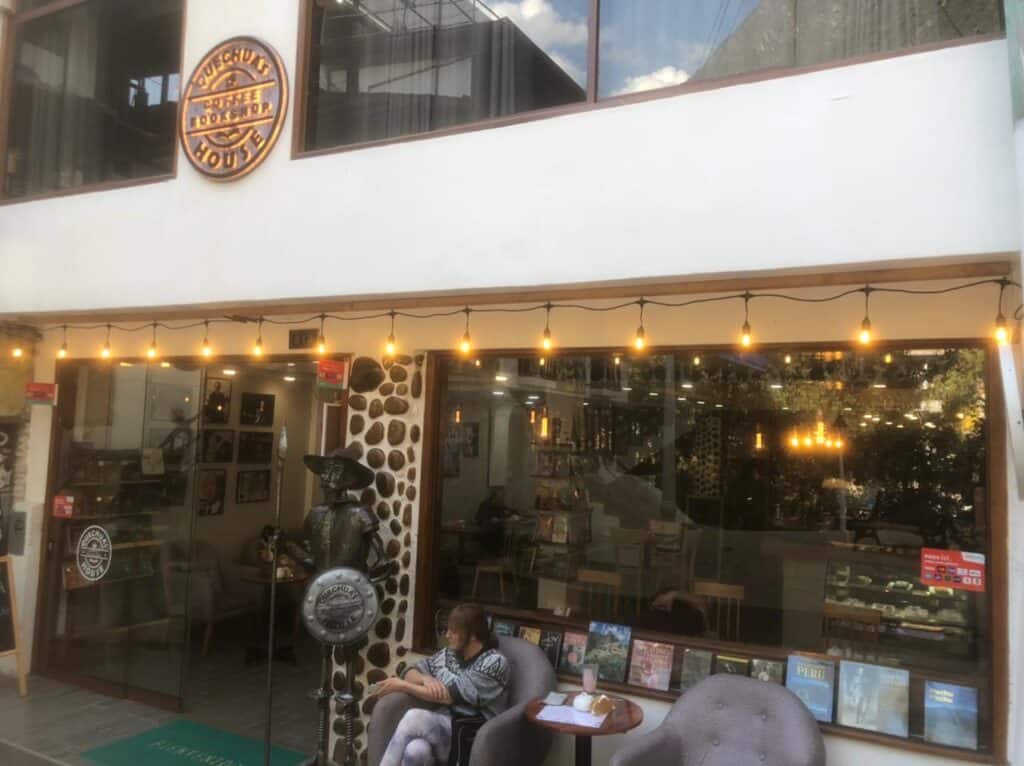 Eat & DrinkModerate · $$