
Danube River
Budapest Hungary Posted by Brandon B.Admin
Overview
The Danube River flows through the heart of Budapest, dividing the city into two distinct halves and serving as the physical and cultural spine that defines the Hungarian capital. At roughly 2,857 kilometers long, it is Europe's second-longest river, and the 28-kilometer stretch that passes through Budapest is arguably its most architecturally dramatic. The river separates Buda, with its castle and thermal baths nestled into hillsides, from Pest, where grand boulevards and civic buildings rise from the flat eastern bank. For most visitors, the Danube is not a single destination but rather the stage upon which Budapest's story unfolds.
You will encounter the Danube constantly during a visit to Budapest. It appears from street corners, frames your views from bridges, and defines which neighborhoods feel accessible on foot. Understanding the river's role in the city's geography and history will deepen how you experience everything from Parliament to thermal bathing culture.
Why this place matters
The Danube has been central to Budapest's development since Roman times. The river provided trade routes, defense, and access to natural resources that allowed settlements to flourish on both banks. When Buda and Pest merged in 1873, the river became the organizing principle of the new unified city. The bridges spanning it are not mere infrastructure but monuments in their own right, each representing different eras of engineering and ambition.
For travelers, the Danube matters because it makes Budapest legible. The river creates a clear mental map. Once you grasp that the Castle District and Thermal Baths sit on the western (Buda) bank, and the Parliament Building and Jewish Quarter occupy the eastern (Pest) bank, navigating the city becomes intuitive. The river also offers practical advantages: scenic walks, boat tours, and viewpoints that would not exist without it.
Quick facts
- Total length: 2,857 kilometers across Europe
- Length through Budapest: Approximately 28 kilometers
- Number of bridges in Budapest: 8 major bridges span the river within the city
- Year of the 1873 merger that united Buda, Pest, and Óbuda: Created modern Budapest
- Riverside promenades: Both banks offer public walkways with varying lengths and amenities
Getting there
If you are already in Budapest, you are already near the Danube. Every major neighborhood has at least one access point to the river or a bridge that crosses it. The easiest approach depends on where you are staying and what you want to do.
From the Pest side, the most direct access is along the promenade near the Parliament Building (Parlament ter district). You can walk from the city center in under ten minutes. From Buda, the Castle District overlooks the river directly, and the embankment below offers riverside paths. The Chain Bridge (Szechenyi Lanchid), completed in 1849, connects the two banks and is the most iconic crossing. Walking it takes about five minutes and offers views that justify the pace.
Public transport gets you to the river quickly. The Danube Bank tram line (Tram 2) runs along the Pest embankment and stops near Parliament and other riverside sites. From Buda, local buses serve the western bank, though walking remains the most rewarding way to explore the immediate riverside areas.
The layout and experience
The Danube divides Budapest into distinct zones, and understanding which bank you are on matters. Buda, on the west, is hiller and more residential at its edges, with the Castle District rising dramatically above the water. Pest, on the east, is flatter and denser, packed with the city's commercial and cultural institutions. Both banks have been developed for public access, though differently.
The Pest embankment (Duna-part) extends for several kilometers and includes the stretch known as the Danube Promenade, where you will find Parliament, museums, and cafes. This area is bustling, especially in warmer months, and attracts both locals and tourists. Walking northward, the character shifts. The promenade becomes quieter and more residential as you move away from the city center.
The Buda side feels less uniform. The embankment below the Castle District is dramatic and compact. Paths wind beneath castle walls, and small terraces offer views across to Pest. Moving north or south from the Castle, the riverside becomes more industrial or residential depending on which direction you go. The southern districts have newer developments and public spaces added in recent decades.
One of the defining experiences is crossing a bridge on foot. The Chain Bridge is the most famous, but the Margaret Bridge (Margit hid), Elizabeth Bridge (Erzsabet hid), and Liberty Bridge (Szabadsag hid) each offer distinct perspectives and architectural character. Bridges are not just transit but observation points where the scale of the city becomes apparent.
Main highlights
Parliament Building is the dominant feature on the Pest bank, and its Gothic Revival spires are visible from almost any riverside vantage point. You do not need to enter to appreciate its impact on the river's visual drama. The building was completed in 1896 and remains one of Europe's largest legislative buildings.
Margaret Island (Margit-sziget) sits in the middle of the Danube and is technically part of the river rather than either bank. This 2.5-square-kilometer island is almost entirely public parkland with thermal springs, gardens, and walking paths. You can reach it via the Margaret Bridge or by ferry. It serves as a refuge from the city's intensity and is especially popular on weekends.
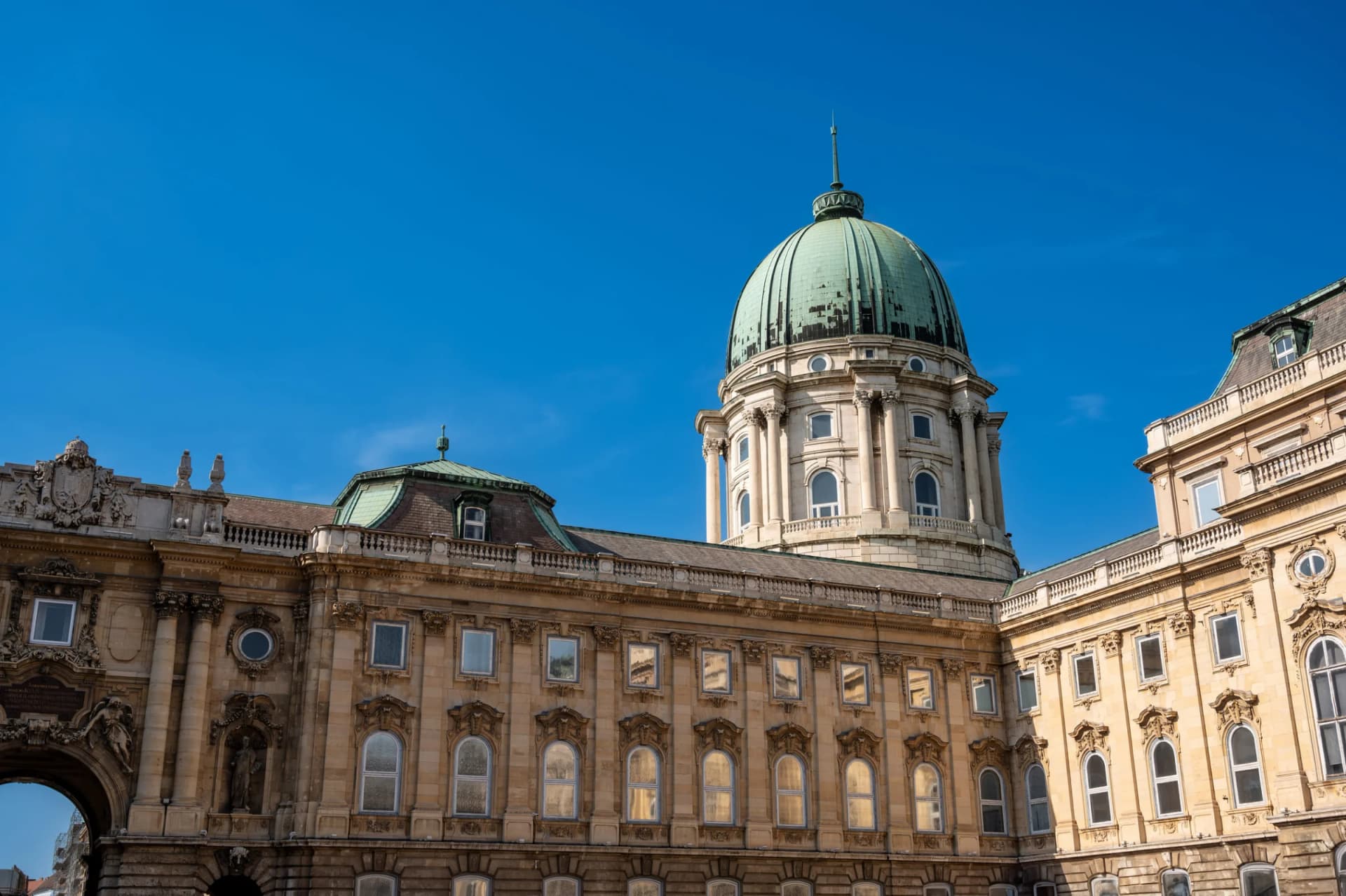
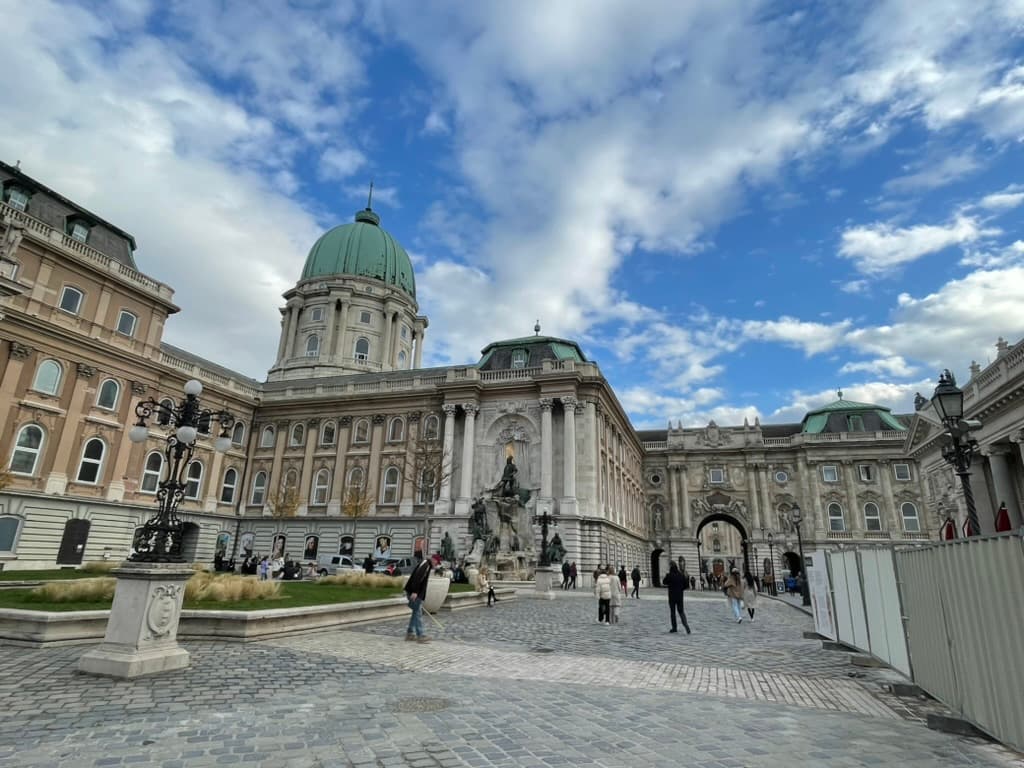
The Castle District on the Buda side includes Buda Castle itself, the Fishermen's Bastion, and the Matthias Church. These sites are best approached from above, but viewing them from the Danube below offers a different perspective and emphasizes their prominence. The view from the Pest embankment looking toward the castle and bastion across the water is one of the city's most photographed vistas.
The bridges themselves are highlights. The Chain Bridge, opened in 1849, is the oldest and most historically significant. The Liberty Bridge features distinctive green ironwork. Each bridge has distinct engineering and aesthetic value, and crossing them on foot reveals details you would miss from a car.
The thermal baths accessible from the Danube's western bank are world-renowned. The Szechenyi Thermal Bath and Gellert Baths both sit near the river, though they are distinct from the Danube itself. Their presence along the embankment reflects Budapest's deep connection to geothermal resources.
History and background
The Danube has shaped Budapest's history for two millennia. The Romans established the military camp of Aquincum on the Buda bank around the 1st century AD, recognizing the river's strategic and commercial importance. Medieval settlements grew on both banks, but they remained separate cities until the 19th century.
The 1849 opening of the Chain Bridge was a turning point. It was Europe's first permanent bridge to cross the Danube and symbolized the region's modernization. The bridge's construction demonstrated new engineering capability and encouraged investment on both sides of the river. Within decades, the two cities grew dramatically.
The 1873 merger of Buda, Pest, and Óbuda created a modern metropolis. This administrative act coincided with rapid urban development, especially the building of grand civic structures in Pest. The Parliament Building, completed in 1896, epitomized this ambition and its riverside location made it the defining monument of the newly unified city.
The Danube was heavily damaged during World War II. The bridges were destroyed and rebuilt afterward, most in their original styles. The river's role in the city's recovery and Cold War history is less visible but no less important. The river itself was periodically used as a border, a dividing line between zones of occupation.
Best time to visit
The Danube is worth experiencing in different seasons, though each has distinct character. Late spring through early fall offers the most comfortable weather for riverside walks and boat tours. Summer brings crowds, especially near Parliament and the major bridges. The embankments fill with tourists and locals, street performers set up, and cafes extend their seating outdoors.
Autumn, particularly September and early October, offers clarity without summer's intensity. The light shifts, casting long shadows across the water in late afternoon. Winter transforms the scene entirely. The river rarely freezes completely in modern times, but it becomes steely gray and the embankments are quieter. Snow on the Castle District, reflected in the water, creates a distinct mood.
Avoid the Danube embankments during major holidays if you prefer solitude. New Year's Eve and Christmas bring enormous crowds to the Parliament and bridge areas. Spring flooding occasionally restricts access to low-lying embankment sections, so check local conditions if visiting during heavy rain periods.
Photography tips
The Danube is one of Europe's most photographed rivers, and for good reason. The Parliament Building reflected in the water at dusk is a classic shot, but timing matters. Golden hour, roughly one to two hours before sunset, provides the best light. The view from the Chain Bridge looking toward the castle and Fishermen's Bastion is equally iconic.
Vary your vantage points. Most visitors photograph from the Pest embankment looking west. Cross to the Buda side and shoot back toward Parliament for a different composition. Margaret Island offers elevated views of both banks. The Liberty Bridge's green iron framework creates strong geometric lines if you shoot from below or during blue hour.
Boat tours offer photo opportunities you cannot get from land, though expect crowds on popular departures. Early morning walks along quieter embankment sections yield less typical images of the river and city.
Facilities and preparation
The main embankments have public restrooms, cafes, and benches. The Pest side near Parliament is well-serviced with restaurants, ice cream vendors, and souvenir shops. Water fountains are available but not ubiquitous, so carry water, especially in summer.
Footwear matters. The embankment surfaces are paved but uneven in places, particularly on the Buda side where older pathways have settled. Comfortable walking shoes are essential if you plan to cover several kilometers. In winter, embankments can be slippery, so appropriate grip is important.
The sun reflects intensely off the water, especially in summer. Sunscreen and sunglasses are practical considerations. If you plan to take a boat tour, bring a light layer even on warm days, as the wind on the water cools the air significantly.
Combining with nearby attractions
The Danube's location makes it a natural organizing point for exploring Budapest. From the Parliament Building on the Pest side, you can walk to the Jewish Quarter and the Great Synagogue in under twenty minutes. The Pest embankment itself connects to the city center and major cultural institutions.
From Buda, the Castle District sits directly above the embankment. The Fishermen's Bastion and Matthias Church are accessible via short walks uphill. The thermal baths are a few minutes' walk from the river's edge.
Margaret Island can be reached directly from the embankment and offers a half-day's worth of walking and relaxation without leaving the immediate Danube environment. Boat tours from the Parliament area extend the experience, sometimes traveling north to the Danube Bend, a scenic stretch of the river outside Budapest proper.
Sample visit plan
A half-day focused on the Danube might begin with a morning walk along the Pest embankment from Parliament northward. Stop for coffee at one of the riverside cafes and observe the morning light on the water. Cross the Margaret Bridge to Margaret Island and walk its perimeter or central paths for thirty to forty minutes. Return to the embankment and walk south, crossing the Liberty Bridge for views of the Parliament Building from the Buda side.
A full-day plan would include this morning itinerary plus a bridge walk or two. In the afternoon, explore the Castle District from above, then descend to the riverside path beneath the castle. End with a boat tour in late afternoon, timing it to catch the light shift as you move along the water. Dinner at a riverside restaurant on the Pest side provides a final view of the lit bridges and Parliament at night.
Practical tips
- The embankments are crowded in summer afternoons and all day on weekends. Visit early morning or early evening for quieter experiences.
- Tram 2 runs along the Pest embankment and stops at major riverside points. Buy a travel card rather than single tickets if you plan multiple trips.
- Boat tours operate year-round but with reduced schedules in winter. Book in advance during peak summer season.
- Margaret Island is largely car-free and best explored on foot or by renting a bicycle.
- The Chain Bridge's pedestrian walkway can be congested, particularly in mid-afternoon. Cross early or late for a less crowded experience.
- Street vendors near major attractions often charge inflated prices. Walk a few blocks inland for better value on food and drinks.
FAQ
Can you swim in the Danube? Swimming in the main river channel is not permitted in Budapest due to traffic and water quality concerns. The thermal baths that draw water from geothermal sources are the safe way to experience water near the river.
How long does it take to walk the entire embankment? The main developed embankments span roughly 10 kilometers. A full walk of both banks would take four to five hours at a leisurely pace, depending on stops.
Are the bridges safe to walk at night? Yes, the major bridges are well-lit and frequently used. The Chain Bridge and Liberty Bridge remain busy even in evening hours. Quieter embankment sections are safer during daylight.
What is the best bridge for photography? The Chain Bridge and Liberty Bridge both offer strong compositions. The Liberty Bridge's distinctive green color is striking in certain light. For the Parliament Building and castle, shoot from the embankments rather than the bridges themselves.
Is there an admission fee to access the Danube embankments? No. The public embankments are free to access and walk. Boat tours, thermal baths, and attractions near the river charge separately.
Reviews
Sign in and mark this place visited to leave a review.
No reviews yet.
Free Trip Planner
Plan your Budapest trip with our free planner
Build a day-by-day itinerary with AI suggestions, hand-picked places, and friends. Free forever — no credit card.
Things to see near Danube River


Places to eat or drink near Danube River

Rutin

Zazie Bistro

VIRTU Restaurant


