Deutsches Historisches Museum
Unter den Linden 2, 10117 Berlin, GermanyBerlin's Most Complete History Museum — The Deutsches Historisches Museum
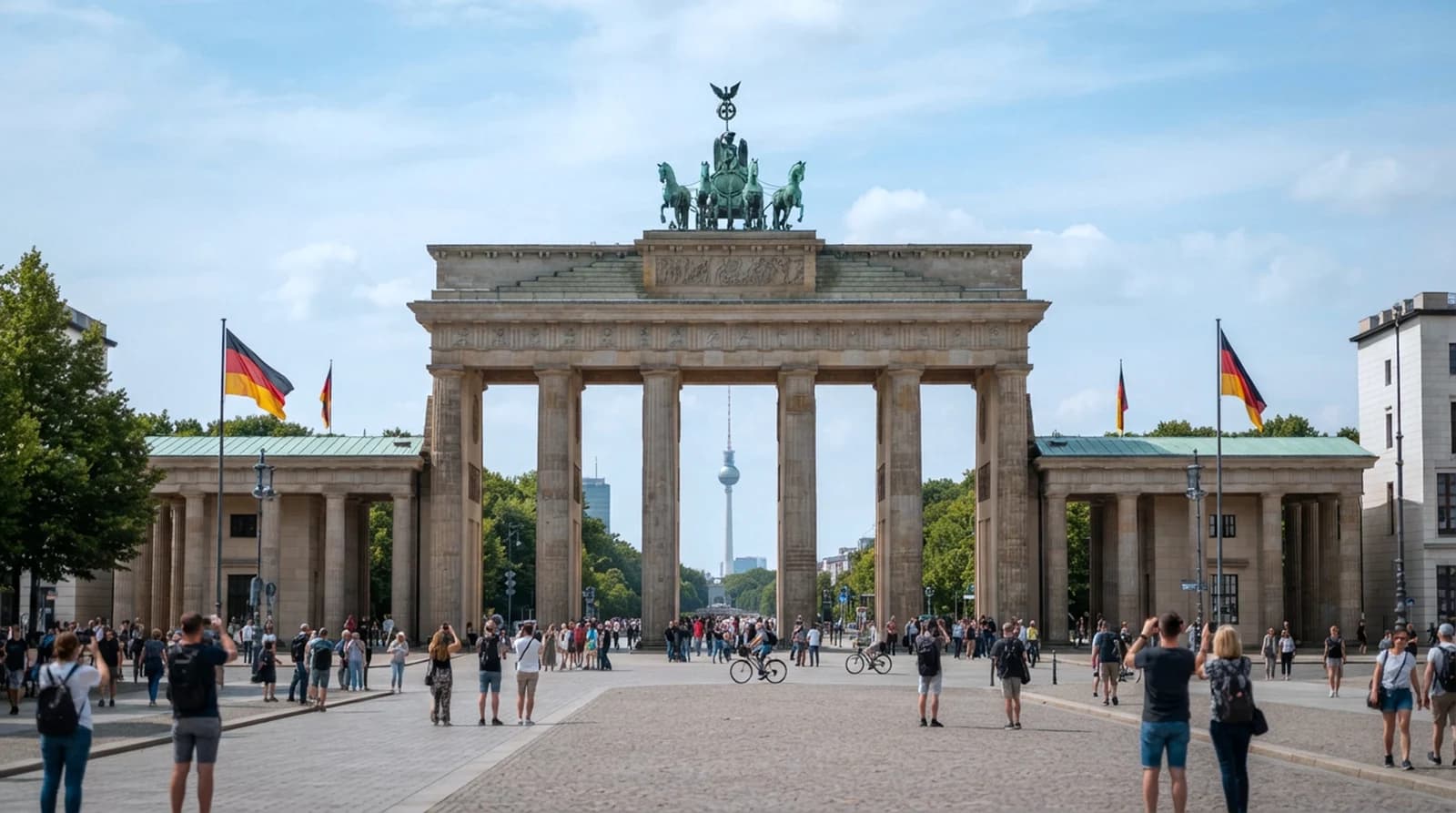
If you want to understand Germany in a single afternoon, the Deutsches Historisches Museum on Unter den Linden is probably your best shot. Spread across one of Berlin's oldest surviving baroque buildings and a striking modern extension designed by I.M. Pei, this is the country's national history museum — a place that takes on two millennia of German and European history without flinching. The collection is enormous, the building itself is worth your time, and the location, steps from the Brandenburg Gate and the Humboldt Forum, puts it at the center of one of the most historically loaded streets in Europe.
This is not a museum that sugarcoats. The permanent exhibition moves from the early Middle Ages all the way through to reunification in 1990, and it gives roughly equal weight to the difficult chapters as it does to the celebrated ones. The Third Reich section, in particular, is handled with a seriousness that many comparable institutions still struggle to match.
Why the Deutsches Historisches Museum Matters
Germany has been unusually deliberate about how it teaches its own history, and this museum is a large part of that effort. It was founded in 1987 and opened its permanent exhibition in the reunified German capital after 1990 — the timing matters, because the institution had to reckon almost immediately with how to represent both East and West German histories inside the same walls. That tension is still visible if you know to look for it, and it makes the museum more interesting, not less.
The building it occupies, the Zeughaus, dates to 1706 and was originally an armory for the Prussian military. It is the oldest building on Unter den Linden. The contrast between that baroque shell and the glass spiral staircase I.M. Pei added in 2003 is one of the more quietly dramatic architectural moments in central Berlin.
Quick Facts
- Address: Unter den Linden 2, 10117 Berlin, directly on the main boulevard near the Schlossbrücke bridge
- The Zeughaus building dates to 1706, making it over 300 years old
- The I.M. Pei glass annex opened in 2003 and hosts temporary exhibitions
- The permanent exhibition covers roughly 2,000 years of history across two floors
- Admission is charged for adults; reduced rates apply for students, and children under 18 enter free
- The museum is closed on Mondays, like most Berlin state museums
- Audio guides are available in German and English
Getting There
The museum sits on Unter den Linden, which is one of the easier addresses in Berlin to reach. The U-Bahn and S-Bahn station Friedrichstraße is about a 10-minute walk west along the boulevard. The station Hausvogteiplatz on the U2 line is a similar distance to the south. Tram lines running along Unter den Linden stop even closer — the stop directly in front of or near the museum is usually the most convenient option if you're coming from Alexanderplatz or the Museumsinsel direction.
If you're already walking the central tourist corridor between the Brandenburg Gate and the Berlin Cathedral, you'll pass the museum naturally. It's on the south side of Unter den Linden, identifiable by the ornate Zeughaus facade.
The Layout and Experience
The permanent exhibition occupies the Zeughaus, the original baroque building. It runs across two floors and is organized chronologically, starting upstairs with the early medieval period and working downward through the centuries to 1994. The sheer density of objects — weapons, uniforms, paintings, propaganda posters, everyday items, documents — can feel overwhelming in the best way. Budget at least two to three hours here if you want to move through it properly.
The I.M. Pei annex next door handles temporary exhibitions and is connected to the main building via an underground passage. The annex is worth entering for the architecture alone: a cylindrical glass tower with a spiraling ramp that wraps around the interior, flooding the space with natural light. It tends to host focused, high-production-value temporary shows that complement whatever is happening in the permanent galleries.
The courtyard of the Zeughaus is also notable. Look up at the keystones above the windows — they are carved with expressive warrior faces, and they are surprisingly easy to miss if you walk straight inside.
Main Highlights
The 20th Century Galleries
For most visitors, the sections covering the Weimar Republic, the Third Reich, World War II, and the divided postwar Germany are the most affecting. The museum does not dramatize. It uses original objects, photographs, and primary documents in a way that lets the material speak. The section on the Holocaust is extensive and treated with care. If you have limited time, this part of the exhibition is where it tends to be spent.
The Early Modern Collection
The galleries covering the Reformation, the Thirty Years' War, and the rise of Prussian power are less visited but genuinely impressive. There are original portraits, armor, and printed pamphlets from the 16th and 17th centuries that you would not find concentrated like this anywhere else. Martin Luther features prominently, as you would expect from a German history museum.
The I.M. Pei Building
Even if the temporary show running during your visit doesn't interest you, the annex itself is worth a look. Pei designed it in his late career, and the interior is one of the cleaner examples of how a contemporary addition can coexist with a historic neighbor without competing with it. The ramp and the light are the whole point.
Best Time to Visit
Weekday mornings are reliably quieter than weekends, especially Saturday afternoons when school groups and tourists from nearby Museumsinsel tend to spill over. The museum opens at 10am most days. Arriving close to opening gives you the 20th century galleries with considerably less foot traffic, which matters in rooms where you want to stand still and read.
Summer brings the highest overall visitor numbers to Unter den Linden, but the museum itself is large enough that it rarely feels truly crowded inside. Winter visits have a different quality — shorter days, fewer tourists, and a slower pace that suits the subject matter.
Photography Tips
Photography is generally permitted in the permanent exhibition without flash, though individual display cases and special loan objects may have restrictions. The I.M. Pei atrium is one of the more photogenic interior spaces in Berlin — shoot upward from the ground floor to capture the spiral ramp against the glass ceiling. The Zeughaus courtyard, accessible from inside, photographs well in the late morning when the light comes in at a low angle.
Combining with Nearby Attractions
The museum's location makes it almost impossible to visit in isolation. The Museumsinsel — the island cluster that includes the Pergamon Museum, the Neues Museum, and the Alte Nationalgalerie — is a 10-minute walk east. The Brandenburg Gate is about the same distance west. The Humboldt Forum, which opened across the Schlossbrücke in 2021 and houses ethnological collections, is essentially next door.
A logical full-day route would combine the Deutsches Historisches Museum in the morning with either the Neues Museum (Egyptian and prehistoric collections) or the Humboldt Forum in the afternoon. Both are close enough to reach on foot without needing to think about transport.
Practical Tips
- The museum is closed on Mondays — plan accordingly, as this catches a lot of visitors off guard
- Pick up an audio guide at the entrance if you read German slowly; the exhibition labels are thorough but dense
- The cloakroom is available for large bags, and you'll want to use it — the galleries are tight in places
- The museum shop near the exit stocks serious history books, including titles not easily found elsewhere in English
- Allow extra time if a major temporary show is running in the Pei annex; queues form separately for that space
- The on-site cafe is a reasonable place for a break mid-visit rather than leaving and trying to return
- If you hold a Berlin Museum Pass, it covers entry here — check current pass inclusions before buying separately
FAQ
How long does a visit to the Deutsches Historisches Museum take?
Most visitors spend between two and four hours. If you want to move through the full permanent exhibition and a temporary show, three hours is a realistic minimum. You can do a focused highlights visit in under two hours if you skip sections.
Is the museum suitable for children?
Older children, roughly 12 and up, tend to engage well with the exhibits. The 20th century galleries contain graphic content related to war and the Holocaust, so it's worth previewing that for younger kids. Entry is free for children under 18, which makes it low-risk to try.
Are the exhibitions in English?
Most labels in the permanent exhibition are in both German and English. Temporary exhibitions in the Pei annex vary — some are bilingual throughout, others less consistently so. The audio guide fills in most gaps.
Is there a difference between the permanent and temporary exhibitions in terms of tickets?
Typically yes. The permanent exhibition and the temporary shows in the annex may require separate tickets or a combined ticket. Check at the entrance which option covers what you want to see.
Reviews
Sign in and mark this place visited to leave a review.
No reviews yet.
Free Trip Planner
Plan your Berlin trip with our free planner
Build a day-by-day itinerary with AI suggestions, hand-picked places, and friends. Free forever — no credit card.