Fort Worth Botanic Garden
3220 Botanic Garden Blvd, Fort Worth, TX 76107-3420 Posted by Brandon B.Admin
Fort Worth Botanic Garden: Texas's Oldest Garden Worth an Afternoon
The Fort Worth Botanic Garden sits just west of downtown Fort Worth along the Trinity River, and it has been drawing visitors since 1934, making it the oldest botanic garden in Texas. The grounds stretch across more than 100 acres and hold somewhere around 2,500 plant species, from native Texas prairie plants to rare tropical specimens tucked inside climate-controlled conservatories. Whether you spend an hour walking the rose garden or half a day working through every themed section, the place rewards slow, unhurried attention.
It is one of those spots that Fort Worth locals tend to take for granted, which means you can often have stretches of the garden nearly to yourself on a weekday morning.
Why Fort Worth Botanic Garden Matters
Most botanical gardens in the United States came together in the second half of the twentieth century. This one opened during the Great Depression, built partly through federal work programs, and has been in continuous operation ever since. That longevity shows in the scale of the trees, the depth of the plant collections, and the way the different garden areas feel genuinely established rather than recently planted. The Japanese Garden, which opened in 1973 and was designed with traditional Japanese landscape principles in mind, is widely considered one of the finest of its kind in the American South.
For a city better known for stockyards and steakhouses, the garden offers a quietly surprising counterpoint.
Quick Facts
- Address: 3220 Botanic Garden Blvd, Fort Worth, TX 76107
- Established: 1934
- Size: More than 100 acres
- Plant species: Approximately 2,500
- Japanese Garden opened: 1973
- Location: Near the Cultural District, about 10 minutes from downtown Fort Worth by car
- General garden grounds: Free to enter most days
- Japanese Garden and Conservatory: Ticketed separately
- Parking: On-site lot available
Getting There
The garden sits along Botanic Garden Boulevard in Fort Worth's Cultural District, close to the Kimbell Art Museum and the Modern Art Museum of Fort Worth. From downtown, the drive takes about 10 minutes heading west on I-30 or along Camp Bowie Boulevard. If you are arriving from the Cultural District museums, the garden is walkable depending on where you park, though the Texas heat in summer makes a short drive worth considering.
Street parking along University Drive and Botanic Garden Boulevard is available, and the garden has its own surface lot. On weekends during peak bloom season, the lot can fill up by mid-morning, so arriving before 9am gives you an easier time of it.
The Layout and Experience
The garden is divided into distinct themed areas, and the overall layout is loose enough that you can wander without a strict plan. A central axis runs through the formal Rose Garden, which contains thousands of rose plants across dozens of varieties and is at its most spectacular in late April and early May. Surrounding that core are specialty areas: a fragrance garden designed with visually impaired visitors in mind, a water garden, a perennial garden, and a trial garden where new cultivars are tested before they reach the commercial market.
The Japanese Garden occupies its own enclosed section with a separate entrance. Inside, you'll find koi-filled ponds, stone lanterns, a traditional tea garden structure, and plantings that shift in character with each season. Spring brings cherry blossoms; autumn brings color from Japanese maples. It feels genuinely removed from the rest of the grounds, which is partly the point.
The Tropical Conservatory houses plants that would not survive a Fort Worth winter outdoors. Orchids, palms, and other humidity-loving species fill the glass structure, and the contrast between stepping inside and standing in the dry Texas air outside is noticeable. It is a short visit on its own but a good complement to the outdoor areas.
Main Highlights
The Rose Garden
This is the original centerpiece of the garden, and it remains the most photographed section. The formal beds are arranged in a geometric layout with labeled varieties, so you can actually learn what you are looking at. Peak bloom typically runs late April through May and again in October, though some varieties keep flowers into November.
Japanese Garden
Designed with input from Japanese landscape designers and opened in 1973, this section is considered one of the more authentic examples of Japanese garden design in the southern United States. The paths wind past water features, carefully pruned trees, and stone elements that have weathered to a convincing patina over the decades. Budget at least 30 to 45 minutes here.
Fuller Garden Center and Conservatory
The glass conservatory near the main entrance houses tropical and subtropical plants year-round. It is particularly worth visiting in winter, when the outdoor gardens are quieter and the warmth inside feels like a bonus.
Fragrance Garden
A smaller, often overlooked section planted specifically for scent and texture. The labels here are in both standard print and Braille, and the plantings lean toward herbs, scented geraniums, and fragrant flowering shrubs. It tends to be less crowded than the rose garden, even during peak season.
Best Time to Visit
Spring is the obvious answer, and it is right. Late April through early May brings peak rose bloom and mild temperatures, and the Japanese Garden's cherry trees often flower in late March. Fall is underrated: October brings a second rose bloom, the Japanese maples in the Japanese Garden turn, and the crowds thin out compared to spring weekends.
Summer in Fort Worth is genuinely hot, and midday visits in July and August can feel punishing on the exposed pathways. If you go in summer, arrive early or wait until late afternoon. The conservatory and Japanese Garden provide shade, which helps.
Winter is quiet, occasionally beautiful after a frost, and the conservatory becomes the main draw. The garden never really closes for the season, which is one of the advantages of a Texas climate.
Tickets and Entry
The general garden grounds are free to enter, which is unusual for a garden of this size and quality. The Japanese Garden and the Conservatory each require a separate paid admission. Tickets are available at the gate. Pricing is tiered by age, with discounts for children and seniors. The Japanese Garden has its own hours that differ slightly from the main grounds, so it is worth checking the current schedule before you go, particularly if visiting on a Monday or outside peak season.
Photography Tips
The Rose Garden is best in the morning, when the light comes in low from the east and the blooms are still fresh before the heat sets in. The Japanese Garden photographs well in any direction, but the main pond with the wooden bridge in the background is the classic composition. Overcast days are actually ideal there because the even light brings out the greens without harsh shadows.
The conservatory is dim inside, so if you are shooting without a tripod, bump your ISO rather than using flash, which tends to flatten the texture of tropical foliage. Early weekday mornings in the Rose Garden mean fewer visitors in the frame, which makes a real difference if you are trying for clean shots.
Combining with Nearby Attractions
The Cultural District location makes the garden an easy pairing with the Kimbell Art Museum, which sits roughly 5 minutes away by car and is one of the finest small art museums in the country. The Modern Art Museum of Fort Worth and the Amon Carter Museum of American Art are both within a 10-minute drive as well. A half-day pattern that works well: arrive at the garden when it opens, spend two to three hours, then walk or drive to the Kimbell for the afternoon.
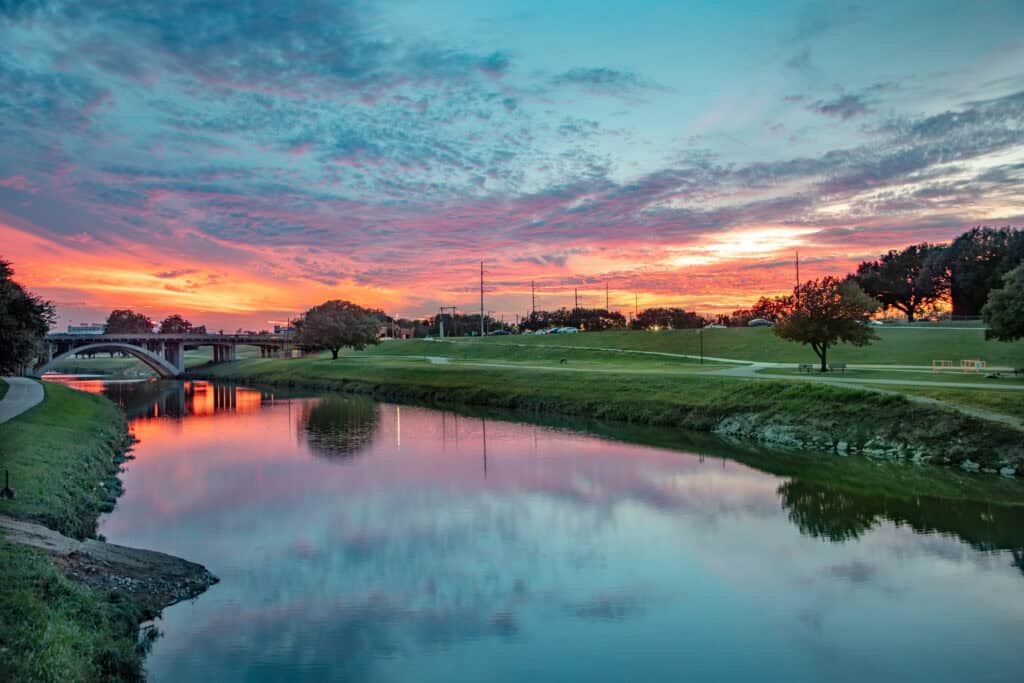
Trinity Park, which borders the garden to the east, has trails along the Trinity River if you want to extend the outdoor time after your garden visit.
Practical Tips
- Wear comfortable shoes. The paths are paved in most areas, but the Japanese Garden has uneven stone sections.
- Bring water, especially from May through September. There are fountains on site, but carrying your own is smarter in summer.
- The Japanese Garden has its own opening hours and days, which sometimes differ from the main grounds. Check ahead.
- Dogs are allowed in the general garden on a leash, but not inside the Japanese Garden or Conservatory.
- The garden hosts seasonal events including a winter lights display and spring plant sales. These draw larger crowds and often require advance tickets.
- A small gift shop near the main entrance carries plants, seeds, and garden-related items.
- Photography for personal use is welcome throughout. Commercial photography requires prior permission.
FAQ
Is the Fort Worth Botanic Garden free?
The main garden grounds are free to enter. The Japanese Garden and the Conservatory each have a separate admission fee, with discounts available for children and seniors.
How long should I plan for a visit?
A thorough visit covering the main grounds, Japanese Garden, and Conservatory typically takes two to three hours. If you are mainly interested in the Rose Garden and a quick walk, an hour is enough.
Is the garden accessible for wheelchairs and strollers?
Most of the main garden paths are paved and accessible. Some sections of the Japanese Garden have stone paths that can be uneven, though the main routes through it are manageable for most mobility aids.
When do the roses bloom?
Peak bloom in the Rose Garden typically falls in late April through May, with a second bloom in October. The exact timing shifts by a week or two depending on the year's weather.
Is there food available on site?
There is no full restaurant on the grounds, though the garden has hosted seasonal food vendors and a café depending on the time of year. Bringing a picnic to enjoy in the shaded areas is a common approach, and there are several restaurants along Camp Bowie Boulevard a short drive away.
Reviews
Sign in and mark this place visited to leave a review.
No reviews yet.
Free Trip Planner
Plan your Fort Worth trip with our free planner
Build a day-by-day itinerary with AI suggestions, hand-picked places, and friends. Free forever — no credit card.
Related reading
Things to see near Fort Worth Botanic Garden


Places to eat or drink near Fort Worth Botanic Garden

The Porch Pour
Goldee's Barbecue
Kunafa Factory