Fort Worth Sleeping Panther Statue
100 E Weatherford St, Fort Worth, TX 76102, USAThe Fort Worth Sleeping Panther Statue: A Bronze Symbol of the City's Grit
Standing outside the Tarrant County Courthouse on East Weatherford Street, the Fort Worth Sleeping Panther Statue is one of those civic landmarks that locals walk past daily without thinking twice, and visitors stop cold in front of. It's a bronze panther, curled and resting, positioned at the base of the courthouse steps. Modest in scale. Loaded in meaning.
This is not the kind of attraction you need a whole afternoon for. But if you care about understanding Fort Worth at all, the panther is worth a pause.
Why the Sleeping Panther Matters
The statue draws directly from one of Fort Worth's most beloved origin stories. In the 1870s, a Dallas newspaper reporter mocked the city by calling it a place so quiet and lifeless that a panther had been spotted sleeping undisturbed in the streets. The insult was meant to sting. Fort Worth was struggling, and the snub landed.
But the city flipped it. Rather than bristling at the joke, Fort Worth adopted the panther as a badge of defiance. The nickname "Panther City" stuck. It showed up on storefronts, in civic pride, on sports teams. The city essentially took a taunt and turned it into an identity, which tells you something about the character of the place.
The sleeping panther became a recurring symbol in Fort Worth art and design long before this particular statue arrived. When the bronze version was installed near the courthouse, it gave the myth a permanent, physical home.
Quick Facts
- Location: 100 E Weatherford St, at the base of the Tarrant County Courthouse
- Admission: Free, no ticket required
- Accessible: Sidewalk-level, no steps needed to approach the statue
- Neighborhood: Downtown Fort Worth, about a 5-minute walk from Sundance Square
- Parking: Metered street parking on Weatherford St and nearby surface lots
- Hours: Accessible any time, outdoors and on public grounds
Getting There
The statue sits right on East Weatherford Street in downtown Fort Worth, directly in front of the Tarrant County Courthouse, which is hard to miss. If you're coming from Sundance Square, walk north on Main Street for about 5 minutes and you'll run straight into the courthouse plaza. From the Fort Worth Central Station, it's roughly a 10-minute walk heading west.
Street parking along Weatherford tends to turn over fairly quickly during weekday business hours. On weekends, it's generally easier to find a spot nearby. The Trinity Metro buses also stop within a block or two if you're using public transit.
The Statue Itself
The panther is cast in bronze and depicts the animal in a resting pose, head down, body relaxed. It's not dramatic or ferocious. That's intentional. The whole point is the sleeping cat, the one that supposedly made Dallas reporters laugh. Up close, the casting has good detail in the fur texture and the weight of the limbs. It photographs well from almost any angle.
The courthouse behind it, built in 1895 in a Romanesque Revival style, provides a genuinely striking backdrop. The red granite exterior and arched windows frame the panther in a way that makes the whole scene feel deliberately composed, even though the two elements came from different eras entirely.
People do touch it, and the wear shows in certain spots. Kids tend to try to climb on it. That's probably fine with the panther.
History and Background
The "Panther City" nickname traces back to a period when Fort Worth was fighting for its economic survival. The Texas and Pacific Railway was supposed to pass through the city, and when construction stalled in 1873, the city's growth froze with it. That's the context in which the Dallas jab landed. Fort Worth looked, to outside eyes, like a town going nowhere.
What followed was a remarkable civic turnaround. Residents and boosters pushed hard to get the railroad back on track, and by 1876 the Texas and Pacific had reached Fort Worth. The cattle drives followed. The stockyards boomed. The city that was once mocked for its stillness became one of the most active livestock markets in the American West.
The panther, then, represents not just the taunt but the recovery. That's why the symbol endured. Fort Worth didn't forget the insult. It built something out of it.
Photography Tips
Morning light hits the front of the courthouse facade well, which means the statue is nicely lit from roughly 8am to noon depending on the season. Afternoon tends to throw the courthouse into shade, which can work if you want a moodier shot of the bronze.
The best compositions usually include some of the courthouse stonework in the background. A low angle, shooting up slightly at the panther with the arched entry behind it, tends to give the statue more presence than its modest size would otherwise suggest. Wide shots from across Weatherford Street capture the full context of courthouse plus panther together.
Weekday mornings often have pedestrian traffic from courthouse visitors and county employees, which can add life to street-level photos if you're patient. On weekend mornings, the area is quieter and you'll have more time to set up a shot without foot traffic cutting through.
Combining with Nearby Attractions
The courthouse plaza puts you within easy walking distance of several other downtown Fort Worth landmarks. Sundance Square, the pedestrian-friendly entertainment district, is about 5 minutes south on foot. The Fort Worth Convention Center and the Bass Performance Hall are both within a 10-minute walk. If you want to extend your morning into a proper downtown loop, you can hit the panther, walk through Sundance Square, and then head west toward the Cultural District, though that's a longer stretch and you'd probably want a rideshare for the second half.
The Tarrant County Courthouse itself is worth a look from the outside even if you have no business inside. The building dates to 1895 and the exterior stonework is some of the more impressive civic architecture in North Texas.
Sample Visit Plan
If you're downtown for a morning, start at the panther around 9am when the light is good and the area is relatively quiet. Spend 15 to 20 minutes here, take your photos, read the historical context. Then walk south toward Sundance Square for coffee or breakfast. From there you can decide whether you want to continue into the Cultural District, which holds the Kimbell Art Museum, the Modern Art Museum of Fort Worth, and the Amon Carter Museum of American Art, all clustered together about 2 miles west of downtown.
Practical Tips
- This is a free, outdoor attraction. No planning required beyond showing up.
- The statue is on a public sidewalk adjacent to a working courthouse, so be aware of foot traffic on weekdays.
- If you're visiting in summer, downtown Fort Worth gets genuinely hot by midday. Morning visits are more comfortable.
- There's no interpretive signage immediately at the statue, so reading the backstory before you arrive helps.
- Pair with a walk through Sundance Square for a fuller sense of downtown Fort Worth's character.
- The area is generally safe during daytime hours. Like any downtown, use standard awareness at night.
FAQ
Is there a fee to see the Fort Worth Sleeping Panther Statue?
No. The statue is on public grounds outside the courthouse and is free to visit at any time.
Why is Fort Worth called Panther City?
The nickname comes from an 1870s newspaper taunt suggesting Fort Worth was so sleepy that a panther could nap in the street undisturbed. The city adopted the insult as a point of pride, and the panther became a lasting civic symbol.
How long should I plan to spend here?
Most people spend 15 to 30 minutes at the statue itself. It's a stop on a downtown walk rather than a destination that requires a dedicated trip, though it fits well into any broader tour of the area.
Is the statue accessible for visitors with mobility limitations?
Yes. The statue is at sidewalk level on a flat, paved surface with no steps required to reach it. The surrounding area has standard curb cuts and accessible pedestrian infrastructure.
Is there parking nearby?
Metered street parking is available on East Weatherford Street and on adjacent streets. Several surface parking lots operate within a few blocks. Weekends tend to offer easier parking than weekday business hours.
Reviews
Sign in and mark this place visited to leave a review.
No reviews yet.
Free Trip Planner
Plan your Fort Worth trip with our free planner
Build a day-by-day itinerary with AI suggestions, hand-picked places, and friends. Free forever — no credit card.
Things to see near Fort Worth Sleeping Panther Statue


Places to eat or drink near Fort Worth Sleeping Panther Statue

The Porch Pour
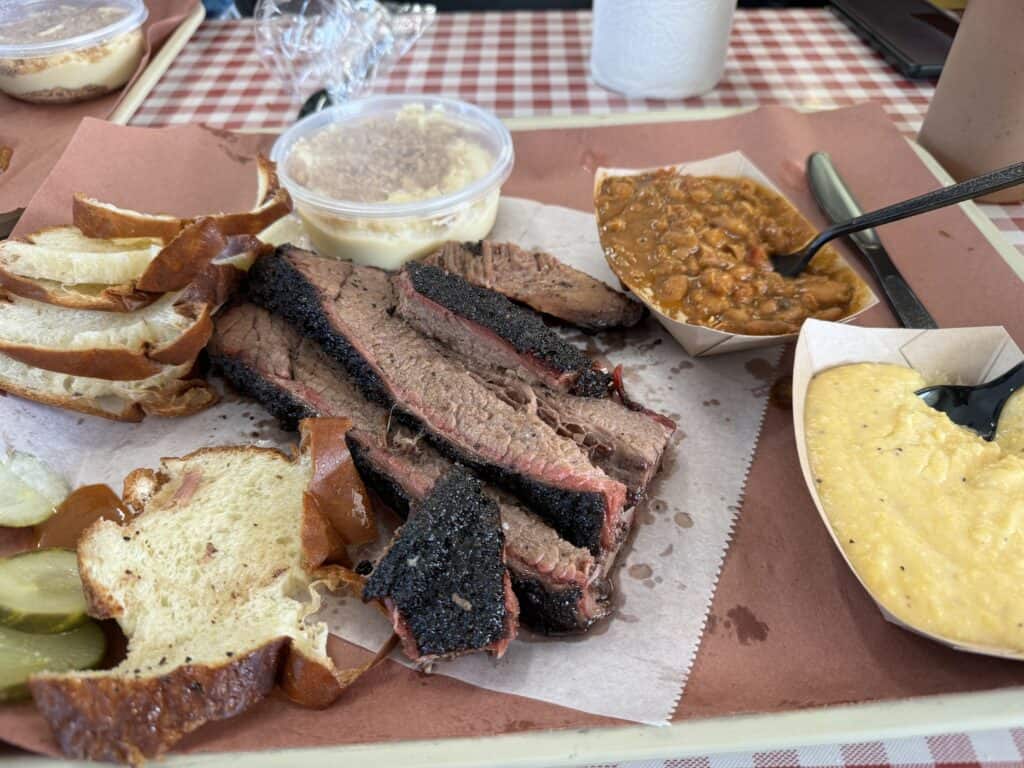
Goldee's Barbecue
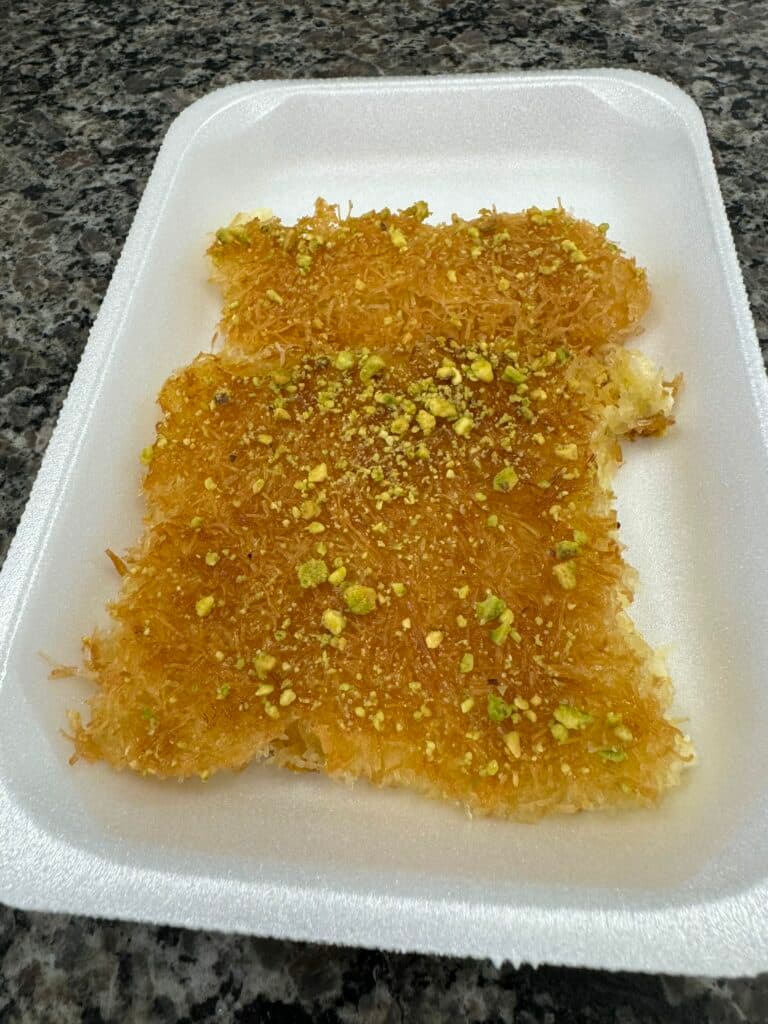
Kunafa Factory

Smoke'N Ash BBQ
More places in Fort Worth

Wild Acre Restaurant & Beer Garden

Guanajuato Bakery

Fort Worth Nature Center & Refuge