
Fort Worth Stockyards Station
140 E Exchange Ave, Fort Worth, TX 76164, USAThe Fort Worth Stockyards Station sits along E Exchange Ave in the Stockyards National Historic District, a stretch of Fort Worth that still smells faintly of leather and mesquite smoke most afternoons. It's a working reminder of the city's old identity as "Cowtown," the place where cattle drives from Texas ranches ended their run north before the animals were shipped out by rail. Today the district functions as part open-air museum, part entertainment strip, and part shopping block, built around brick walkways and wooden corrals that have been restored rather than replicated.
You'll find it about three miles north of downtown Fort Worth, close enough for a half-day trip but distinct enough in character that it feels like a different town entirely. Where downtown leans glass towers and office crowds, the Stockyards leans boots, Stetsons, and a honky-tonk soundtrack that starts up well before sunset.
Why Fort Worth Stockyards Station is worth visiting
This is one of the few places in the country where the Old West isn't just reenacted, it's still functionally present. The Fort Worth Herd, a small group of Texas Longhorns, gets driven down Exchange Ave twice a day, every day, at 11:30 a.m. and 4 p.m. It's billed as the only twice-daily cattle drive in the world, and watching several thousand pounds of horn and muscle move past storefronts at walking pace is a genuinely strange, memorable sight, especially if you've never seen longhorns up close.
The district also holds some real architectural history. Cowtown Coliseum, built in 1908, is recognized as the oldest indoor rodeo arena still in operation. On nights without a scheduled event, you can often walk through for a self-guided look at the arena, which has hosted everything from early rodeo circuits to touring musical acts over the past century.
Then there's Billy Bob's Texas, which calls itself the world's largest honky-tonk. It's less a bar than a small entertainment complex: multiple stages, a dance floor built for two-stepping, mechanical bulls, and a rotating lineup of country acts. Even if live music isn't your thing, it's worth a walk-through just to see the scale of the place.
Getting there
From downtown Dallas, the easiest route without a car is the Trinity Railway Express (TRE) to Fort Worth Central Station, followed by Trinity Metro bus route 12 or 15 heading north to the Stockyards. The same bus routes work if you're already in Fort Worth and starting from Central Station.
If you're driving from Dallas, take I-30 west, then exit onto US-287 North toward Denton/Downtown/I-35W North. Continue onto 6th Street, turn right onto Commerce Street, then right onto Main Street. A left onto E. Exchange Ave puts you right in the district, which runs as its main thoroughfare.
Parking is mostly surface lots and street spots along Exchange Ave and the side streets, and they fill up fast on weekends and around rodeo nights.
What to expect
Plan to walk. The district is compact but dense, and most of what makes it worth visiting, the cattle drive, Mule Alley, the coliseum, Billy Bob's, is within a few blocks of each other along Exchange Ave and the connecting streets.
Mule Alley is the newer, more polished corner of the district, a stretch of cobblestone lined with restored mule barns now holding boutiques, restaurants, and a few bars. It photographs well, which is partly the point, but it also gives you a sense of how much of the original 1911-era infrastructure has survived the district's various restorations.
For lodging right in the thick of it, Hotel Drover, part of Marriott's Autograph Collection, sits at the edge of Mule Alley with a large communal fireplace and a backyard space built for lounging rather than just passing through. It's a notch above the rest of the district in polish and price.
On the entertainment side, Cowtown Coliseum runs the Stockyards Championship Rodeo, with events like tie-down roping, breakaway roping, team roping, and barrel racing. Ultimate Bull Fighters events bring a faster, more adrenaline-driven format focused on the bullfighters themselves rather than riders. Ticket prices for both sit in the budget to mid-range tier depending on seating and the night, and it's worth checking the schedule ahead since not every night has a show.
The cattle drive itself is free to watch, as is wandering Billy Bob's floor (though you'll likely end up buying food or a drink once you're inside).
Best time to visit
Weekday mornings are noticeably calmer, which matters if you want unobstructed views of the 11:30 a.m. cattle drive or a quieter walk through Mule Alley. Weekends bring bigger crowds, more live music, and a better shot at catching a rodeo or bullfighting event, but also longer waits for parking and tables.
Texas summers get brutally hot by midday, so if you're visiting between June and August, mornings or early evenings are more comfortable than the stretch between noon and 4 p.m. Fall and spring tend to offer the most pleasant conditions for walking the district at length.
Practical tips
- Check the event calendar before you go, since rodeo nights and concerts change the crowd size and parking situation significantly.
- Arrive early, especially on weekends, to get decent parking and a spot along Exchange Ave for the cattle drive.
- Wear shoes built for walking on brick and cobblestone, not sandals.
- Bring sunscreen and water if you're visiting in warmer months. There's not much shade along the main drag.
- Budget time for food. The district has a mix of Tex-Mex spots and cowboy-style steakhouses worth lingering over rather than rushing through.
- If you want photos with the longhorns, get there before the 11:30 a.m. drive starts rather than trying to chase the herd afterward.
Nearby places to combine
The Stockyards sits close enough to downtown Fort Worth that you can pair a morning here with an afternoon at the Fort Worth Water Gardens or the Sundance Square entertainment district, both a short drive south. Fort Worth's Cultural District, home to the Kimbell Art Museum and the Amon Carter Museum of American Art, is also reachable within about 15 minutes by car and offers a sharp contrast to the Stockyards' Old West atmosphere.
FAQ
Is the Fort Worth Stockyards Station free to visit?
Walking the district, watching the cattle drive, and browsing Mule Alley cost nothing. You'll only pay for specific attractions like rodeo events, tours, or anything you buy at the restaurants and bars.
How long does the cattle drive take?
The drive itself moves at a slow walking pace down Exchange Ave and generally lasts a short stretch of time, so it's easy to work into a larger visit without building your whole day around it.
Is Fort Worth Stockyards Station good for kids?
Yes. The cattle drive, the open-air layout, and the general low-key pace make it manageable for families, though Billy Bob's at night skews more toward an adult crowd.
Do I need a car to get there from Dallas?
No. The Trinity Railway Express connects to Fort Worth Central Station, where Trinity Metro buses 12 or 15 run north to the Stockyards.
Reviews
Sign in and mark this place visited to leave a review.
No reviews yet.
Free Trip Planner
Plan your Fort Worth trip with our free planner
Build a day-by-day itinerary with AI suggestions, hand-picked places, and friends. Free forever — no credit card.
Related reading
Things to see near Fort Worth Stockyards Station


Places to eat or drink near Fort Worth Stockyards Station

The Porch Pour
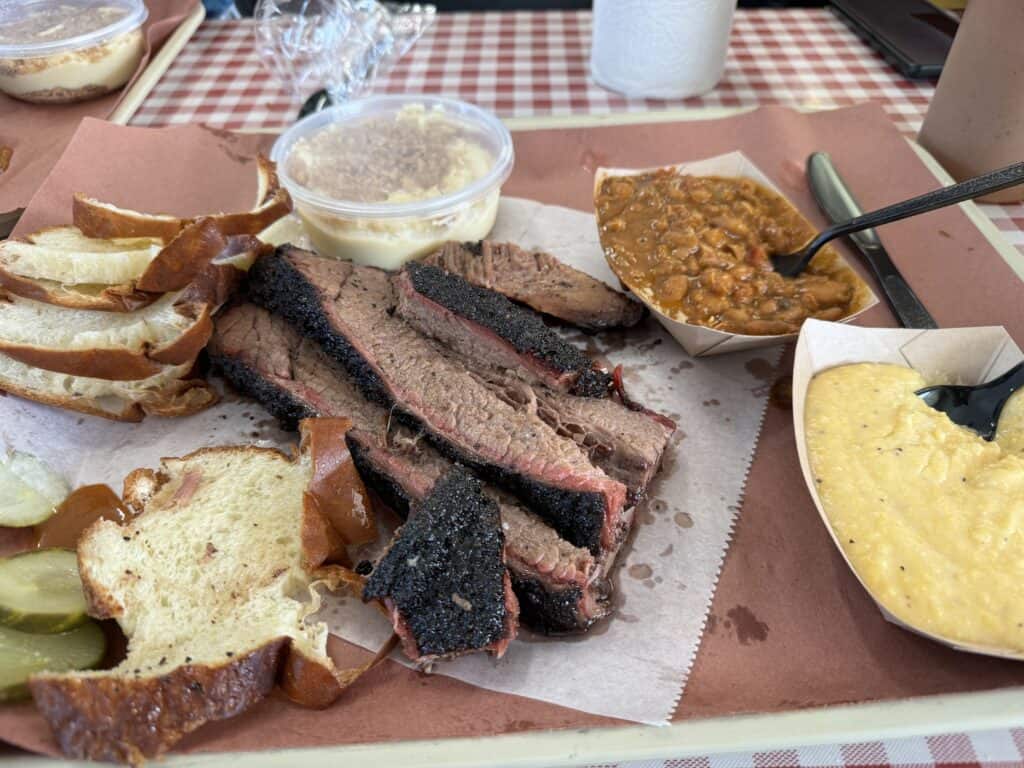
Goldee's Barbecue
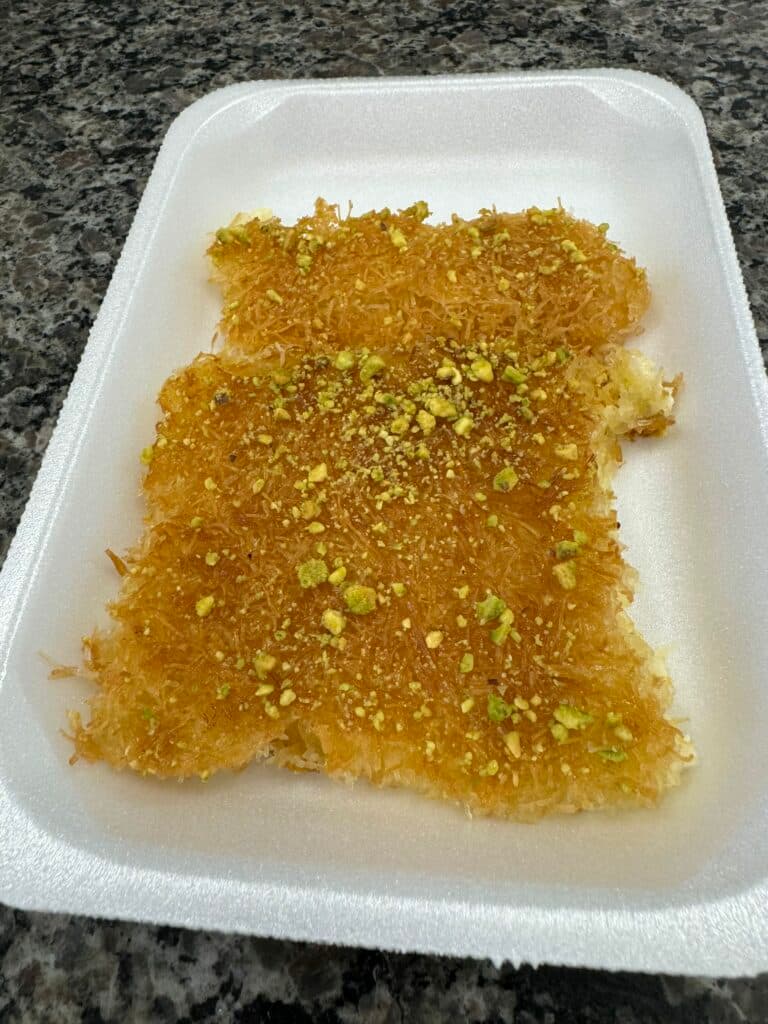
Kunafa Factory

Smoke'N Ash BBQ
More places in Fort Worth

Guanajuato Bakery

Fort Worth Nature Center & Refuge
Taste Community Restaurant
