
Fortaleza real felipe
Plaza Independencia, Callao 07021, PeruInside Fortaleza Real Felipe, Callao's Most Formidable Colonial Fort
Fortaleza Real Felipe stands at the edge of Callao's harbor as one of the best-preserved Spanish colonial military fortifications in all of South America. Built in the 18th century on the Peruvian coast, the fort has witnessed sieges, massacres, and the final dramatic chapter of Spanish rule on the continent. If you're spending any time in Callao, this is not a site you pass on.
Most visitors come out from Lima, roughly 15 minutes by car from the historic center depending on traffic, and find the fort sitting on Plaza Independencia with a weight that photographs don't fully prepare you for. The sheer scale of the stone walls, the depth of the moat, and the cannons still aimed at the Pacific all land differently in person.
Why Fortaleza Real Felipe Matters
Spain built this fort following the catastrophic earthquake and tsunami of 1746, which destroyed the previous harbor defenses and leveled much of Callao. Construction began in 1747, and the result was the most sophisticated military installation on the Pacific coast of South America at the time. The design follows a classic star-shaped bastioned plan, a style that dominated European military architecture for roughly two centuries and was specifically engineered to eliminate blind spots and deflect cannon fire.
The fort's darkest hour came in 1821, when royalist troops loyal to Spain held it as their last stronghold after Peru declared independence. A brutal period followed inside the walls. Disease and starvation killed thousands of soldiers and civilians who had taken refuge there, and the episode is remembered as one of the most harrowing final acts of the independence wars on the continent.
What makes Real Felipe genuinely unusual is that it didn't just survive as a ruin. It continued to serve military purposes well into the 20th century and remains under the jurisdiction of the Peruvian Army today, which is part of why it has been maintained with more care than comparable sites across the region.
Quick Facts
- Location: Plaza Independencia, Callao, approximately 15 minutes by car from Lima's historic center
- Construction began: 1747, following the 1746 earthquake and tsunami
- Architectural style: Star-shaped bastioned fort, based on European defensive engineering of the period
- Administered by: The Peruvian Army
- Entry: Ticketed, with guided tours available on-site
- Language: Most guides speak Spanish; English-speaking guides are sometimes available but not guaranteed
Getting There
From central Lima, the most straightforward route is a taxi or rideshare directly to Plaza Independencia in Callao. The drive takes around 15 to 20 minutes outside rush hour, but Callao's roads can slow considerably in the mornings and late afternoons. The Metropolitan bus system connects Lima and Callao, and local combis run the route as well, though first-time visitors often find the taxi option simpler for navigating to the plaza.
If you're arriving from Miraflores or Barranco, factor in extra time. The fort sits near the working port, so the surrounding streets have heavy freight traffic at various hours. Parking is available in the area around the plaza.
The Layout and Experience
The fort's star-shaped plan means you move through it in a way that feels more like exploring a small walled city than walking through a single building. There are multiple bastions, a central plaza de armas, powder magazines, dungeons, and a chapel, all connected by thick stone passageways and open courtyards.
Guided tours are the standard way to visit, and they make a real difference here. The fort's history is layered enough that wandering on your own leaves most of the context behind. Guides walk you through the bastions, explain the engineering logic of the star design, point out the original cannons still in position, and take you into the underground areas including the dungeons where prisoners were held during the independence-era siege.
The Torre de la Merced, one of the fort's towers, houses a military history museum with artifacts, weapons, and documents spanning the colonial and republican periods. It's a relatively compact collection but the pieces are well-chosen, and the building itself is part of the appeal.
History and Background
Before the 1746 disaster, Callao had a different set of harbor fortifications, but the earthquake generated a tsunami that erased most of the port town and killed a large portion of its population. The Spanish Crown responded by commissioning a new, permanent defensive structure that could anchor the entire Pacific coast strategy. Real Felipe was that response.
The fort took decades to complete fully, and its construction involved significant resources and engineering expertise brought from Spain. It was designed to protect the port from pirate attacks and rival European naval powers, both of which were genuine concerns throughout the 17th and 18th centuries on the Pacific coast.
During the War of South American Independence, the fort was held by royalist forces under siege conditions from 1821 onward. By the time it finally fell in 1826, the garrison had been reduced to a handful of survivors. That date, 1826, marks the end of Spanish military presence not just in Peru but on the entire South American continent. Real Felipe was the last place Spain held on the mainland.
Tickets and Entry
Entry to Fortaleza Real Felipe requires a general admission ticket, which is budget-priced and well within reach for most travelers. Guided tours are typically included with or offered alongside admission. It's worth confirming at the entrance whether an English-speaking guide is available that day if you need one, since availability tends to vary.
The fort is managed by the Peruvian Army, so the visit has a slightly more formal feel than a typical heritage site. Photography is generally permitted in most areas, though you may be asked not to photograph certain sections near active military facilities adjacent to the fort. When in doubt, ask your guide first.
Best Time to Visit
Callao sits under Lima's coastal cloud cover for much of the year, particularly between June and October when garúa, the fine Pacific mist, keeps skies grey and temperatures cool. The upside is that the fort's stone surfaces and moat look atmospheric in that low light, and the crowds are thinner. Between December and April, clearer skies make for better photographs of the exterior walls and harbor views from the bastions.
Mornings tend to be quieter. If you arrive when the fort opens, you'll likely have the courtyards and passageways largely to yourself before tour groups from Lima begin arriving mid-morning.
Photography Tips
The exterior star shape is best appreciated from above, but ground-level shots of the main gate with the drawbridge area give you a strong sense of scale. The cannons along the bastions photograph well against the harbor backdrop, especially on clearer days when you can see the Pacific behind them.
Inside, the stone archways and narrow passageways catch available light in interesting ways. Wide-angle lenses help in the tighter corridors. The plaza de armas inside the walls offers a good mid-ground shot with the chapel and surrounding battlements framing the space.
Combining with Nearby Attractions
The Museo Naval del Perú is located close by in Callao and covers Peruvian naval history from a different angle than Real Felipe, making the two a natural pairing for a full day in the area. The Real Felipe visit typically runs 60 to 90 minutes with a guided tour, so there's enough time to do both without rushing.
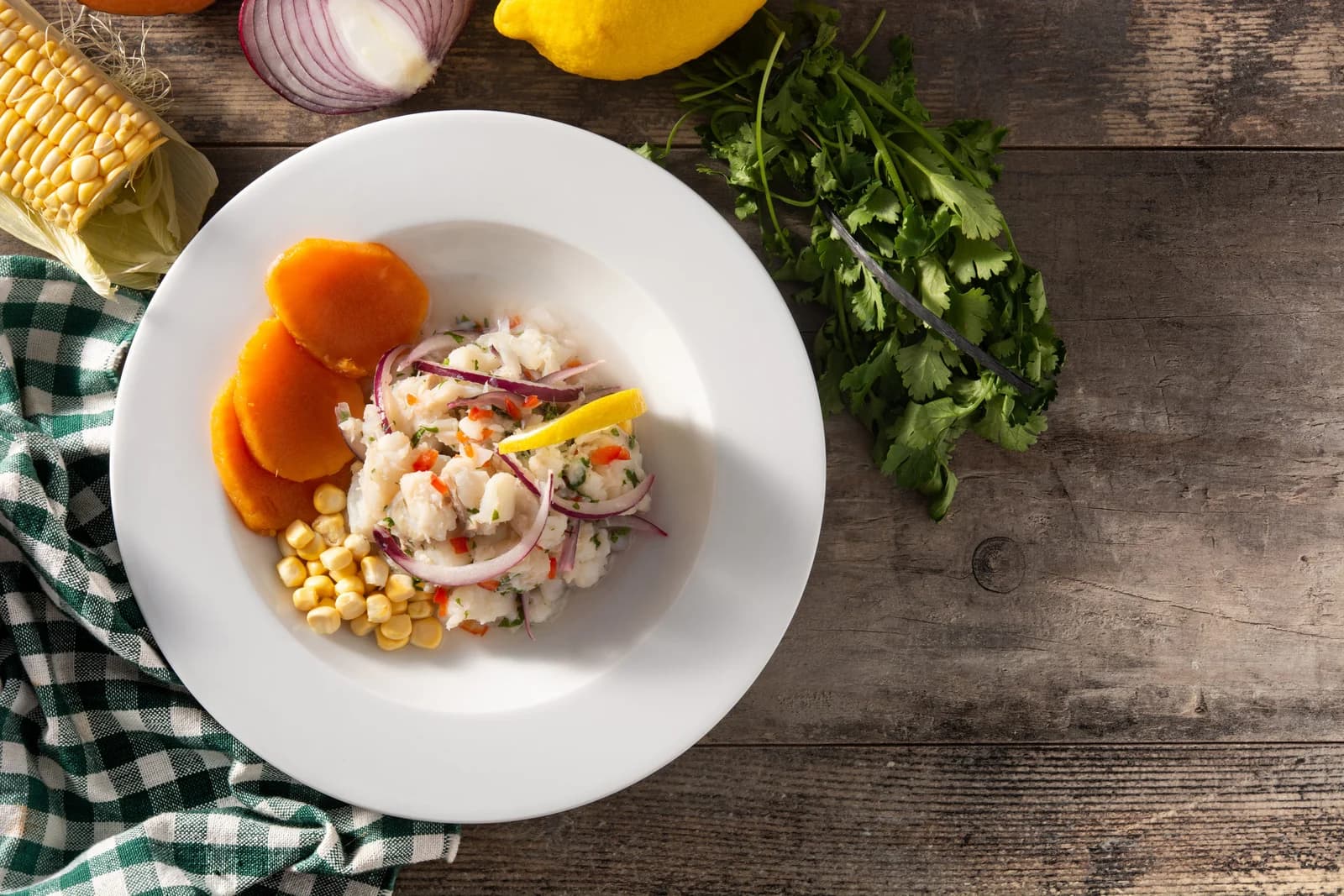
Callao's La Punta peninsula is a short drive or taxi ride away, a quiet residential neighborhood that juts into the Pacific and offers a completely different atmosphere. Seafood restaurants along the waterfront there are worth a stop for lunch after the fort. The ceviche in Callao is arguably the point of the whole excursion, depending on who you ask.
Practical Tips
- Bring cash for the entrance fee, as card payment is not always available at heritage sites under military administration in Peru.
- Wear comfortable shoes. The fort's surfaces include uneven stone, cobblestones, and steps throughout.
- If you want an English-speaking guide, call ahead or arrive early and ask at the entrance before your tour is assigned.
- The fort is in the port district of Callao, which has some rougher areas. Stick to the main plaza and the fort's immediate surroundings and you'll have no issues.
- A light layer is useful even in summer. The harbor wind picks up inside the open bastions.
- Allow at least 90 minutes for a proper visit including the museum tower.
FAQ
Is Fortaleza Real Felipe suitable for children?
It tends to work well for older children who have some interest in history or military architecture. The dungeons and underground areas can be atmospheric in a way that younger kids either love or find unsettling. The open courtyards give everyone room to move around.
Do I need to book in advance?
Walk-in visits are generally fine. The fort doesn't typically require advance booking for individual travelers, though school groups and organized tours do book ahead. Arriving in the morning gives you the best chance of joining a smaller guided group.
How does it compare to other forts in Peru?
There's no direct comparison in Peru. Real Felipe is purpose-built colonial military architecture from the 1700s, which puts it in a different category from the Inca citadels and pre-Columbian sites that draw most international visitors. If you've seen Sacsayhuamán or the ruins at Chan Chan, Real Felipe fills in a completely different chapter of Peruvian history.
Is the surrounding area of Callao safe to visit?
The immediate area around Plaza Independencia and the fort is generally fine during the day. Callao as a broader district has neighborhoods that are less visitor-friendly, but the route between the fort, the naval museum, and La Punta is well-traveled. Use common-sense precautions and you'll be fine.
Reviews
Sign in and mark this place visited to leave a review.
No reviews yet.
Free Trip Planner
Plan your Callao trip with our free planner
Build a day-by-day itinerary with AI suggestions, hand-picked places, and friends. Free forever — no credit card.
Related reading
Things to see near Fortaleza real felipe



Places to eat or drink near Fortaleza real felipe

Central Restaurante

Maido Lima – The World’s Best Restaurant 2026 — Traveler’s Guide

Māketto Lima


