Heliopolis
Cairo Egypt Posted by Brandon B.Admin
Getting to Know Heliopolis
Heliopolis sits about 10 kilometers northeast of central Cairo, and the moment you step off the metro or out of a taxi, you realize this is not quite like the rest of the city. The streets are wider. The buildings carry a faded grandeur that most of Cairo's older neighborhoods have long since lost to concrete and noise. This is a district that was purpose-built in the early 1900s as a vision of what a modern Egyptian city could look like, and pieces of that vision are still standing.
For travelers who spend all their time between the Pyramids of Giza and Islamic Cairo, Heliopolis tends to register as an afterthought. That's a mistake. The neighborhood rewards anyone willing to spend half a day wandering its main boulevards, poking into its arcaded side streets, and stopping for coffee where Cairo's educated middle class has been stopping for decades.
Why Heliopolis Matters
The district was founded in 1905 by Belgian industrialist Édouard Empain, who envisioned a self-contained garden city in the desert outside Cairo. He hired architects to design a blend of Moorish, Flemish, and neo-Islamic styles, and the result was genuinely strange and genuinely beautiful. Buildings that look like they belong in Brussels or Bruges sit next to minarets and arabesque archways, and somehow the whole thing holds together.
Empain himself built a personal villa on the edge of the district that has become one of Cairo's most talked-about structures. The Baron's Palace, officially the Empain Palace, is a Hindu-Baroque confection that was completed around 1911 and sits on a raised platform with rotating upper floors that were designed to track the sun. It spent decades as an abandoned ruin, which only deepened its reputation. Restoration work has been ongoing, and depending on when you visit, parts of it may be accessible.
Heliopolis also carries political weight. The district is home to the Ittihadiya Presidential Palace, and the area around Al-Uruba Street has been the backdrop for major moments in modern Egyptian history, including protests during the 2011 revolution and their aftermath.
Quick Facts
- Location: Northeast Cairo, roughly 10 kilometers from Tahrir Square
- Founded: 1905 by Édouard Empain
- Main artery: Ibrahim Laqqany Street and Al-Ahrar Street, both lined with arcaded buildings
- Key landmark: Baron Empain Palace, completed around 1911
- Getting around: Mostly walkable within the core; taxis and ride-shares for longer stretches
- Best visited: Morning or late afternoon to avoid midday heat
- Nearest metro: Heliopolis is served by the Cairo Metro Line 3, Al-Ahram station
Getting There
The easiest way to reach Heliopolis from central Cairo is the Metro Line 3, which connects to Al-Ahram station and puts you within walking distance of the main commercial and architectural stretches. The ride from Attaba takes around 20 minutes depending on the time of day. Taxis and ride-hailing apps like Uber and Careem are widely available and tend to be straightforward, though traffic on the approach roads can thicken considerably during morning and evening rush hours.
If you're coming from the airport, Heliopolis is actually the first significant district you pass through, which makes it a natural first or last stop on a Cairo trip. The airport road runs directly along the district's eastern edge.
The Layout and Experience
Heliopolis has a few distinct zones worth understanding before you arrive. The older residential streets closest to the Baron's Palace retain the most architectural character, with Moorish-revival arcades, ornate facades, and the occasional crumbling villa that has clearly seen better decades. Further south, around Ibrahim Laqqany and Cleopatra streets, the district shifts toward a more commercial feel, with cafes, restaurants, and shops that cater to the local population rather than tourists.
Walking is the right way to see this neighborhood. The grid is relatively logical by Cairo standards, and most of what you'd want to see sits within about a 30-minute walk of Al-Ahram station. The arcaded sidewalks offer shade, which matters more than it sounds in summer.
The Baron's Palace stands apart, both physically and atmospherically. It sits at the intersection of Al-Orouba Street and Al-Merghany Street, and even from the outside, it demands attention. The building rises in tiers, decorated with elephants, cobras, and figures from Hindu mythology, none of which you'd expect to find in the middle of a Cairo suburb. If restoration access is available during your visit, the interior views from the upper levels are worth the trip on their own.
Main Highlights
Baron Empain Palace
This is the centerpiece of any Heliopolis visit. The palace was designed by French architect Alexandre Marcel and draws heavily on the Cambodian temple of Phnom Bakheng and various Hindu architectural traditions. It was a genuinely eccentric commission, and the result is one of the most visually distinctive buildings in all of Egypt. After years of abandonment and considerable damage, restoration efforts have been underway, and the Egyptian government has invested in stabilizing the structure. Check locally before your visit to confirm current access.
The Arcaded Streets
Much of the original Empain-era streetscape survives along the neighborhood's older blocks. The arcades, designed to provide shade and a European-style promenade feel, run for several blocks and still give Heliopolis its characteristic atmosphere. Many of the ground-floor shops have changed hands many times over, but the bones of the original urban design are still visible if you look up.
Basilica of the Virgin Mary
One of Cairo's larger Catholic churches, this basilica sits within the Heliopolis district and was part of the original planned community. The building reflects the same eclectic architectural ambition that characterizes the rest of the neighborhood. It remains an active place of worship, so visits should be planned respectfully and outside of service times.
The Local Cafe Culture
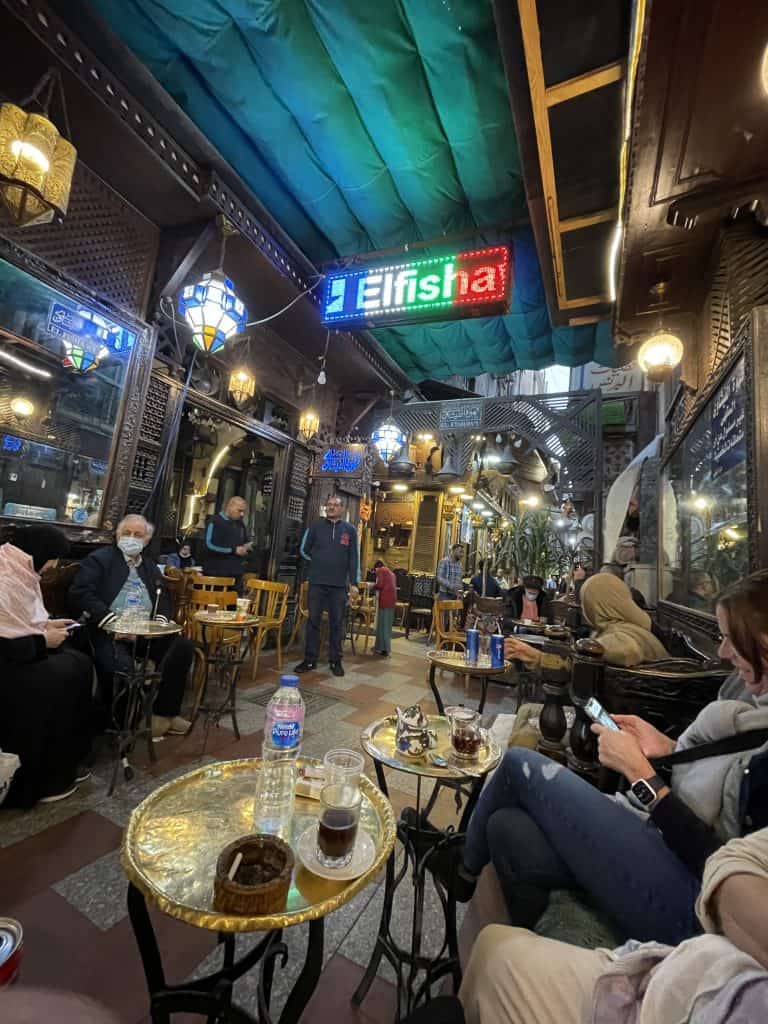
Heliopolis has long been home to Cairo's professional and intellectual classes, and the cafe scene reflects that. Around Ibrahim Laqqany Street and the surrounding blocks, you'll find places that have been operating for decades, serving strong coffee and pastries to a clientele that takes its leisure seriously. This is a good neighborhood to sit, watch, and let Cairo come to you for an hour.
Best Time to Visit
October through April is the most comfortable window for walking Heliopolis extensively. Cairo summers are genuinely brutal, and the streets here offer less shade than the covered markets of Islamic Cairo. If you're visiting in summer, aim for early morning before 10am or late afternoon after 4pm.
Weekday mornings tend to be quieter than weekends, when the commercial streets fill up with local shoppers and families. If you want the architectural photography experience with fewer people in frame, a Thursday morning often works well.
Photography Tips
The Baron's Palace photographs best in the golden hour before sunset, when the warm light hits the carved stone facade and the shadows pull out the detail in the elephant reliefs and temple spires. Early morning works if you want softer, cooler light and almost no one else around.
The arcaded streets are more forgiving throughout the day since the covered walkways diffuse direct sunlight naturally. The contrast between the ornate upper facades and the street-level activity makes for good layered shots. A wider lens helps on the narrower blocks where you can't get far enough back to take in a full building front.
Combining with Nearby Attractions
Heliopolis sits close enough to Cairo International Airport that it works as a buffer stop at the beginning or end of a trip. If you have a late afternoon flight, a morning in Heliopolis followed by lunch and a short ride to the airport is a genuinely pleasant way to close out a Cairo visit.
The district is also a reasonable staging point for trips to Salah Salem Road, which connects south toward the Citadel and the Mosque of Muhammad Ali. A taxi or ride-share can cover that stretch in 20 to 30 minutes outside of peak traffic hours.
Practical Tips
- Dress modestly, especially if you plan to enter the basilica or any religious site
- Carry cash in smaller denominations for cafes and street vendors; not everywhere accepts cards
- Arabic is the working language here; basic phrases go a long way and locals tend to be patient with visitors
- The area around the Presidential Palace has a visible security presence; avoid photographing government buildings or uniformed personnel
- Comfortable walking shoes are a must; some of the older pavements are uneven
- Google Maps works reasonably well for navigation in Heliopolis, better than in the older city quarters
- If you're visiting the Baron's Palace, check current access status before making it the centerpiece of your day
FAQ
Is Heliopolis safe for tourists?
Generally yes. The district is a residential and commercial neighborhood with a middle-class character, and most visitors report feeling comfortable walking the main streets during the day. Normal urban awareness applies, as it does anywhere in a large city.
How long should I spend in Heliopolis?
A half-day is enough to hit the main points, including the Baron's Palace and a walk along the arcaded streets. A full day lets you slow down, eat locally, and explore some of the quieter residential blocks that most visitors skip.
Can I visit the Baron Empain Palace inside?
Access has varied significantly depending on the stage of restoration work. The exterior is always visible from the street. Interior access has been offered at certain points during the ongoing restoration project, but it's worth confirming current status through recent traveler reports or at your hotel before you go.
Is Heliopolis worth visiting if I only have two days in Cairo?
It depends on your interests. If you're drawn to early 20th-century architecture, urban history, or a side of Cairo that feels genuinely different from the tourist circuit, yes, it's worth a morning. If your two days are entirely focused on pharaonic history, the Pyramids and the Egyptian Museum will absorb all the time you have.
Reviews
Sign in and mark this place visited to leave a review.
No reviews yet.
Free Trip Planner
Plan your Cairo trip with our free planner
Build a day-by-day itinerary with AI suggestions, hand-picked places, and friends. Free forever — no credit card.